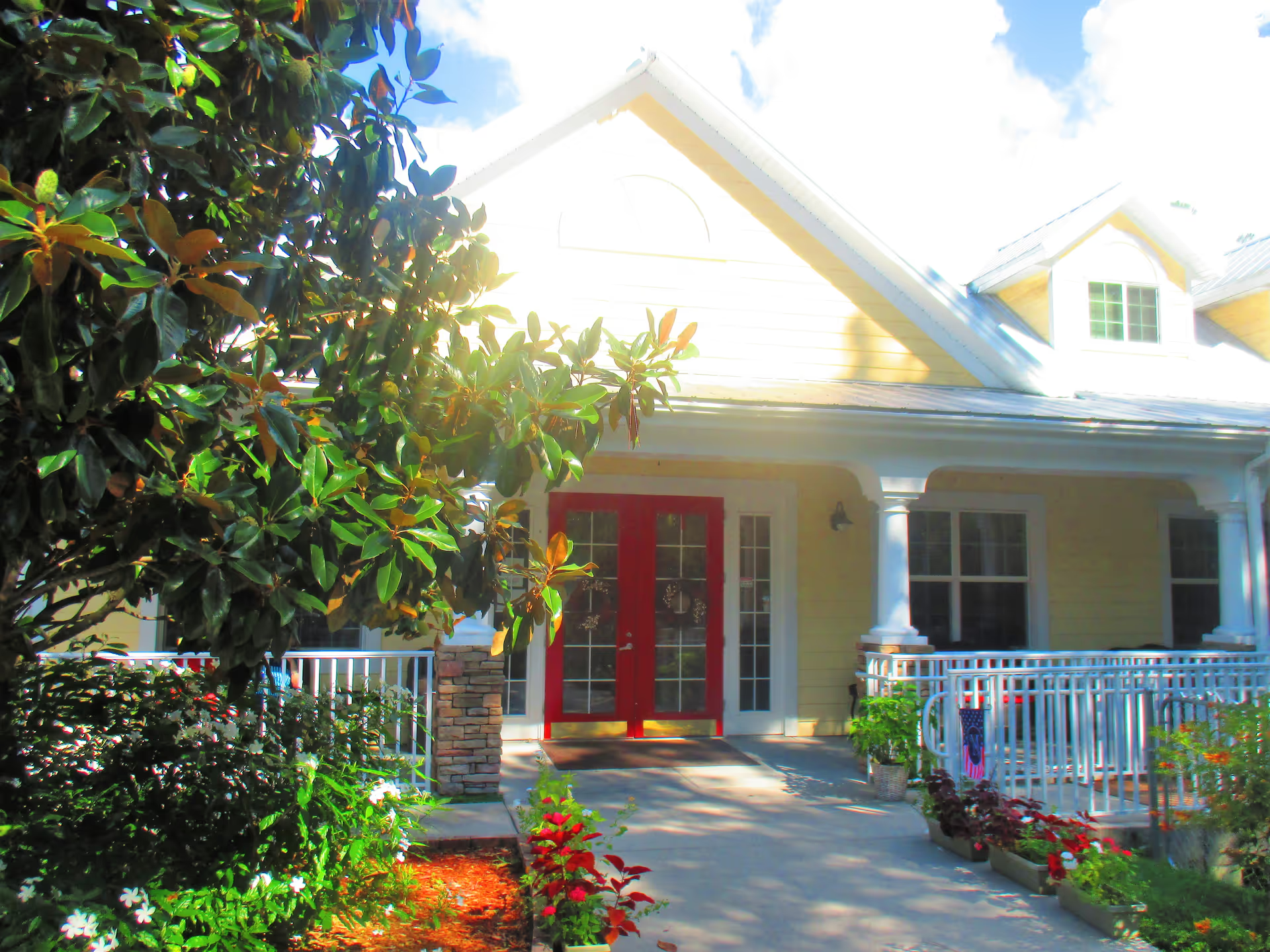
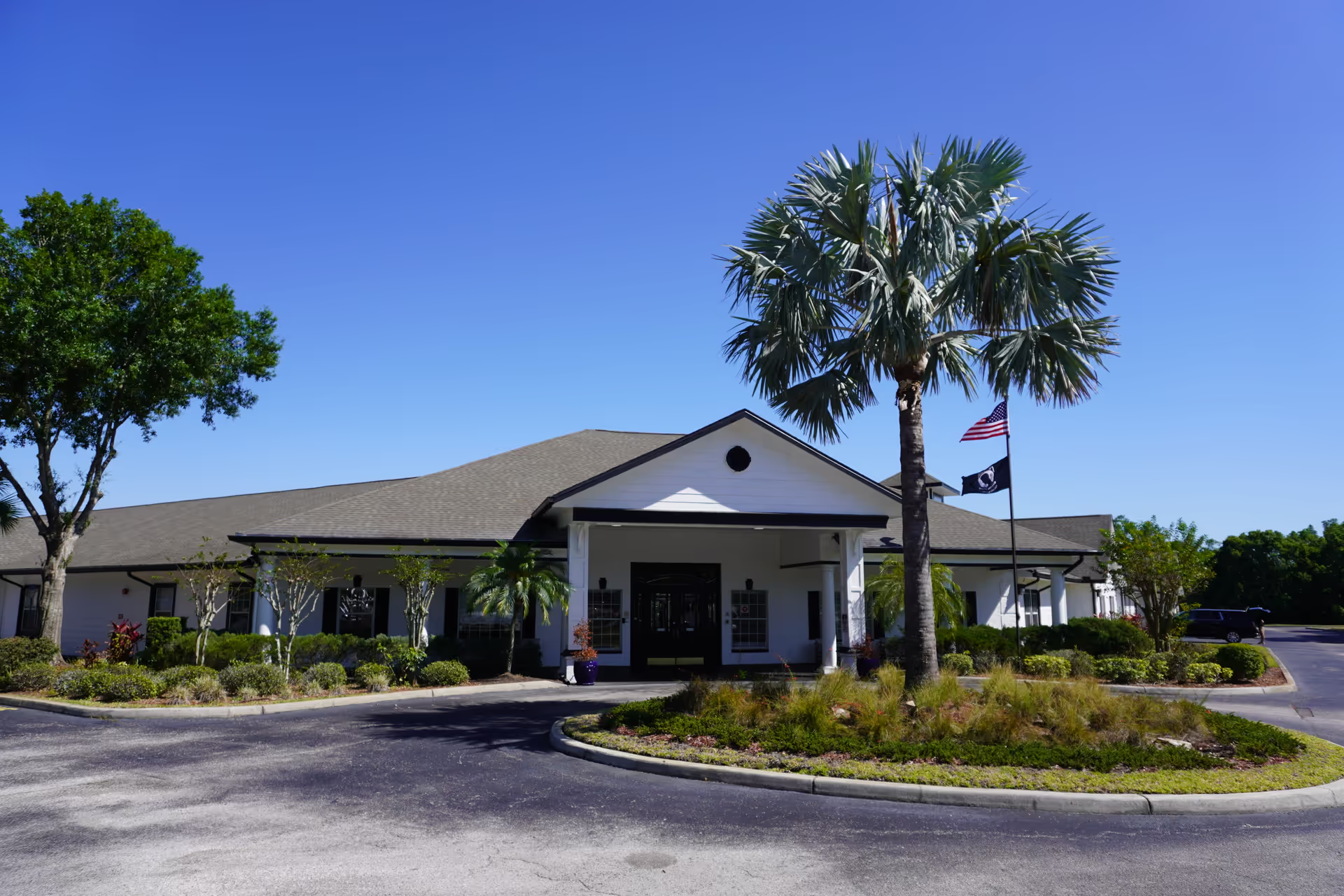
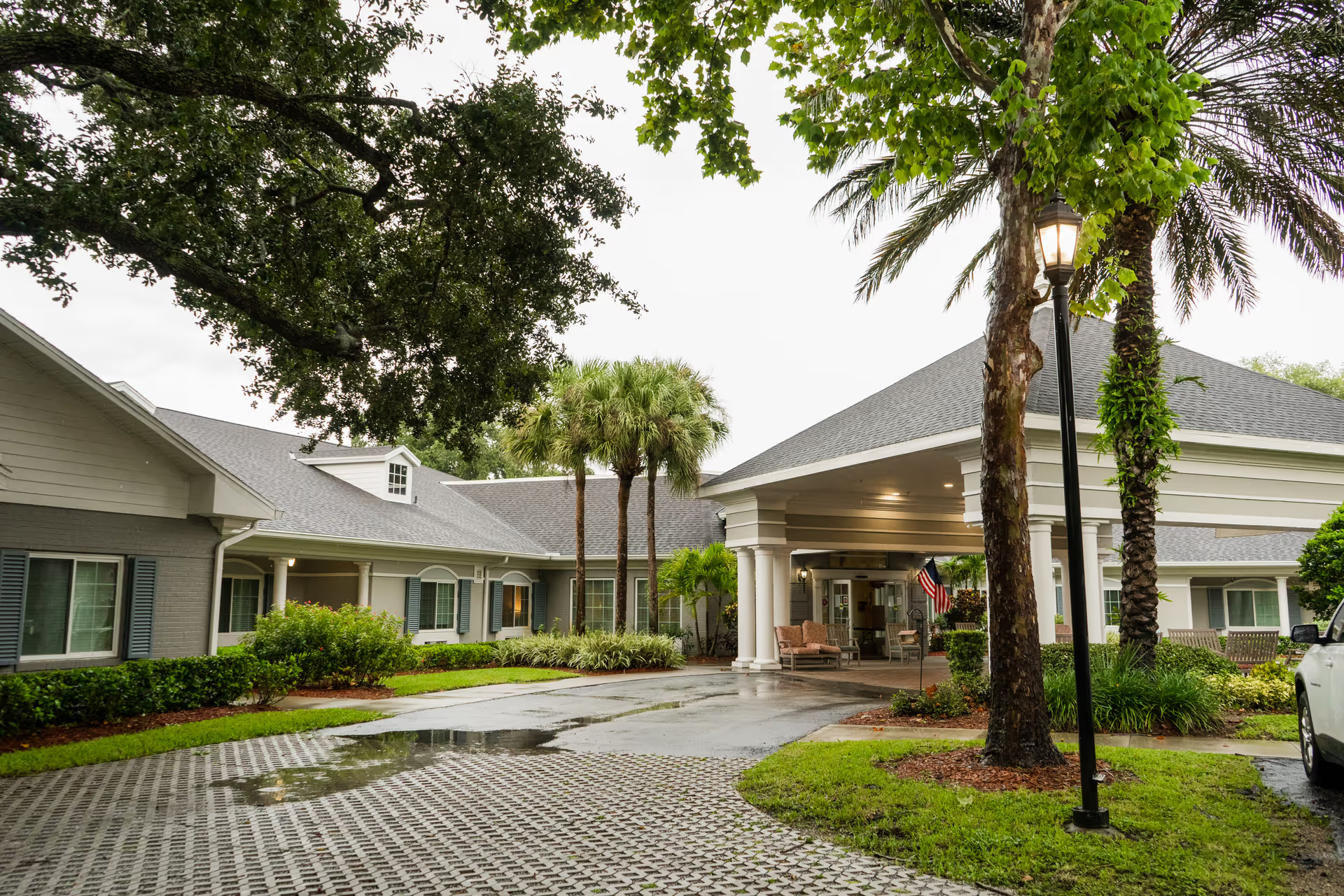
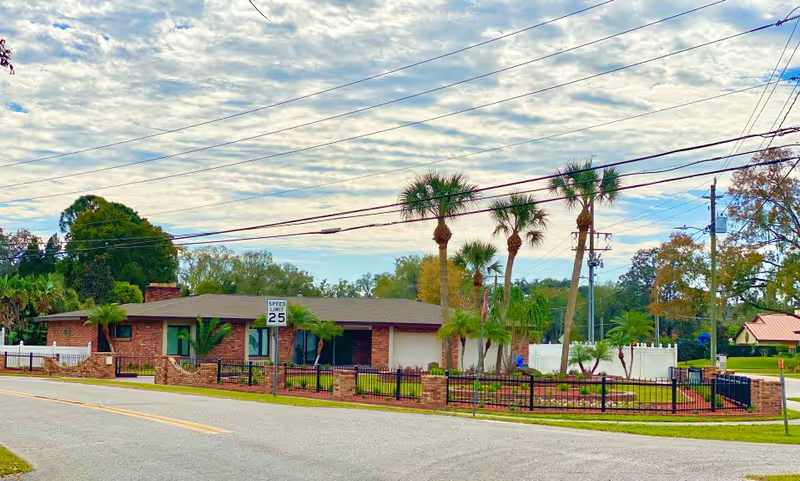
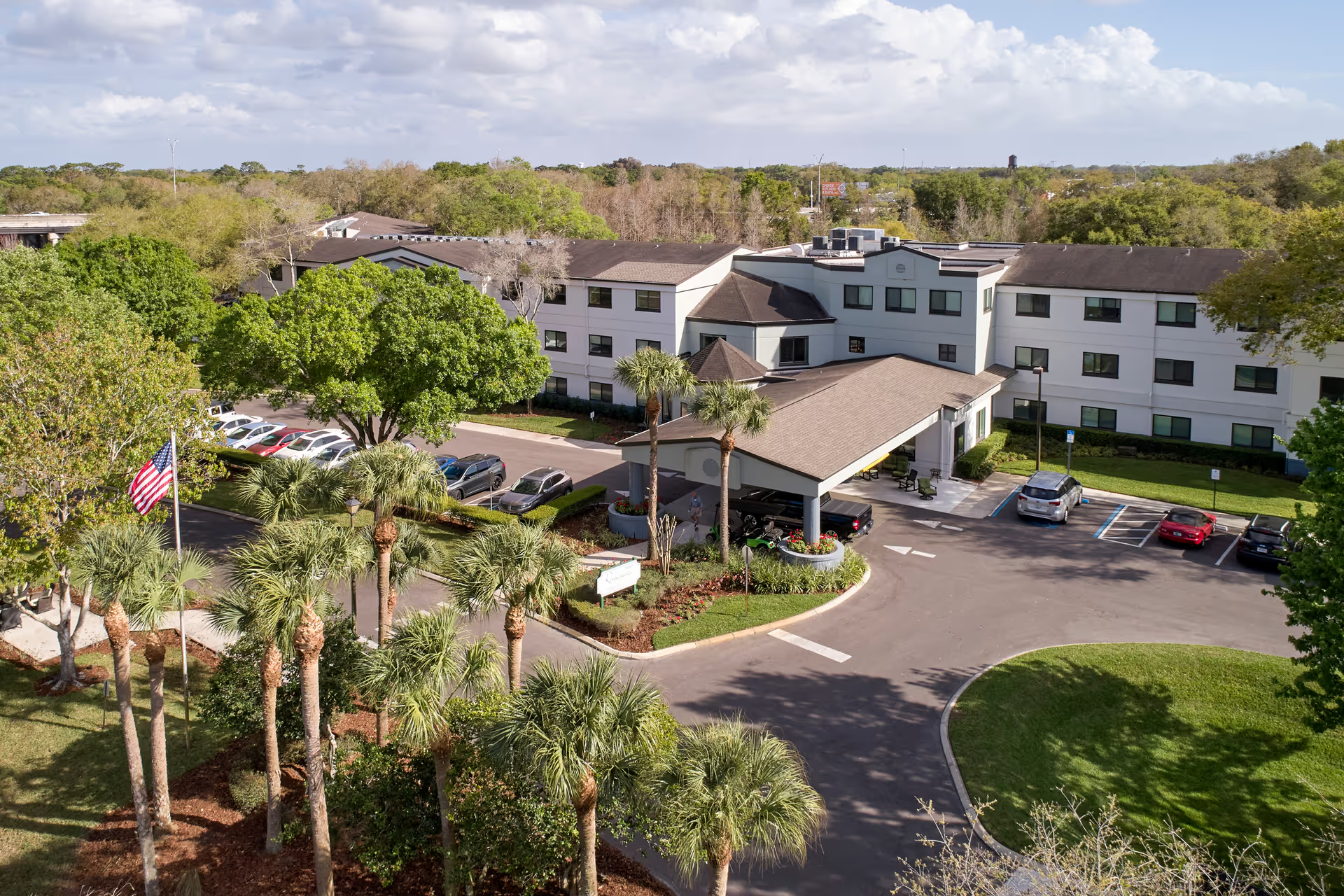
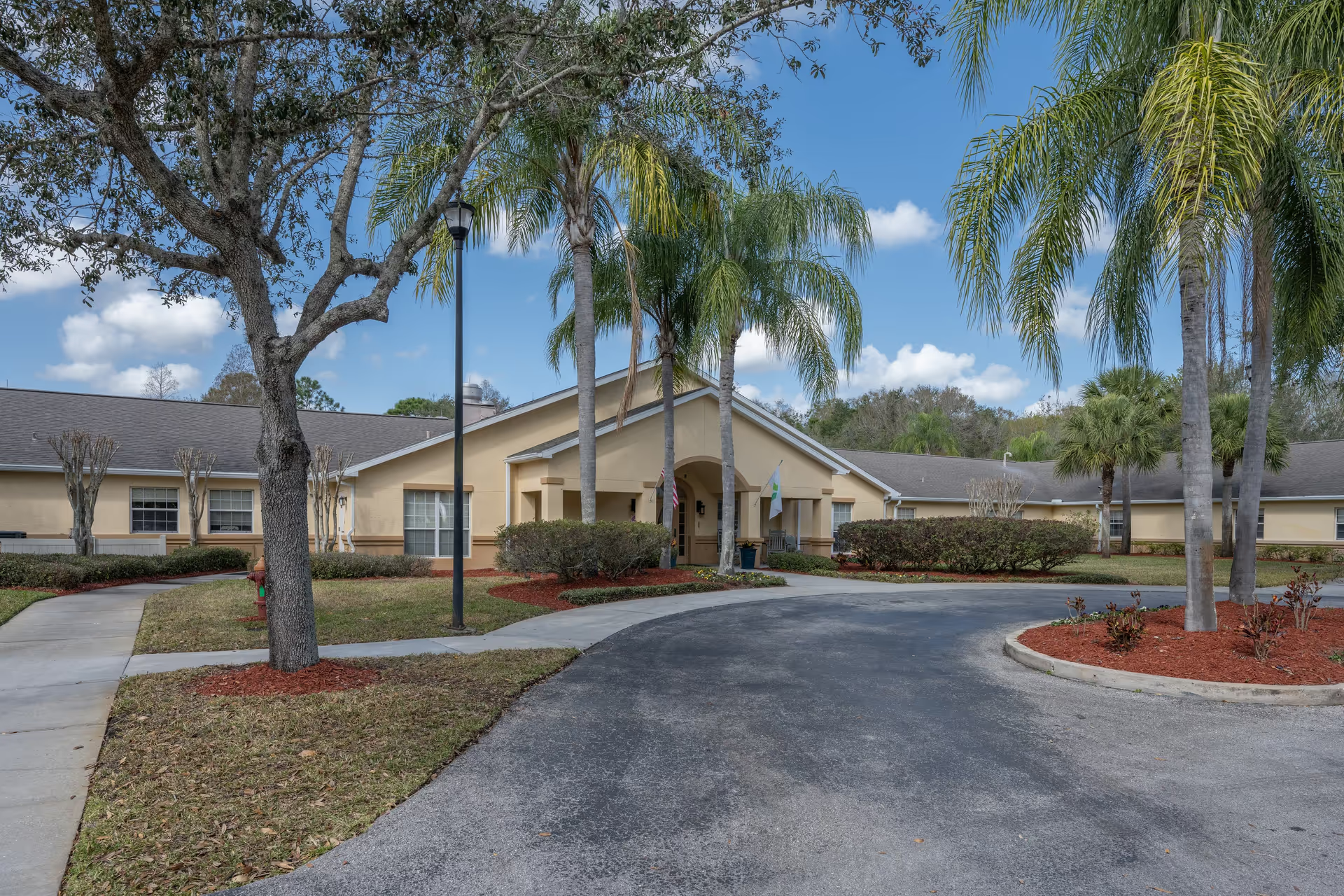
Overall impression: The Reserves of Idlewild presents as a modern, well-appointed senior community with many strengths in hospitality, amenities, and social programming. Reviewers commonly praised the facility’s new construction, attractive layout, chapel, and cleanliness. Primary-care and rehabilitation services are available on-site, and families frequently mentioned appreciated extras such as scheduled transportation, a beauty shop, and special-event dining.
Care and clinical services: Clinical staff are generally described as caring and committed; several families indicated that day-to-day caregiving and rehabilitative therapy were handled professionally. However, there are operational limits to clinical coverage: Original Medicare home-health benefits are constrained, and access to the full slate of services often depends on supplemental insurance. There were also notable difficulties coordinating with an external hospice agency in at least one case, which highlights a potential vulnerability in end-of-life service coordination. For prospective residents with significant ADL needs or complex medical requirements, clarification of clinical scope, hospice arrangements, and insurance-related service eligibility is advisable.
Staffing and management: Staff interactions are a clear strength — caregivers, activity staff, and dining personnel frequently receive positive mention for friendliness and engagement. The activity director and events programming are particular assets. At the same time, multiple operational concerns were raised: the memory care unit appears understaffed at times, staff are reported to perform multiple simultaneous tasks, and reception/coverage gaps and inconsistent housekeeping/assistance with bathing were noted. Some reviewers characterized administrative leadership as still developing; this “learning-curve” dynamic appears to be producing variable execution of processes and communication at the facility level.
Dining and activities: Dining receives strong praise in many accounts — the executive chef and meal quality are frequently lauded, and special events are well executed. Activities for the general population are robust, with regular group events, outings, and chapel services. In contrast, memory-care programming was described as lacking appropriately tailored cognitive stimulation and planned group activities, and meal delivery to that unit has at times been inconsistent (meals arriving cold after being transported from the main dining room). Prospective families should ask specifically about activity schedules and meal-service procedures for memory care.
Facilities and operations: The physical plant and common spaces are a clear positive: new finishes, ongoing maintenance, and comfortable resident spaces were consistently mentioned. The community supports multiple levels of care and on-site therapy, which can be helpful for transitions after hospitalization. Operationally, however, families should probe staffing ratios (especially in memory care), housekeeping schedules, front-desk coverage, and administrative escalation pathways to understand day-to-day reliability.
Decision guidance: This community may be a good fit for residents seeking a modern, socially active environment with high-quality dining and compassionate staff, particularly if medical needs are moderate and supplemental insurance is available. For prospective residents with advanced memory-care needs or high ADL dependency, further inquiry is warranted about staffing levels, cognitive-programming specifics, clinical coverage limits under Original Medicare, and hospice coordination processes before final placement.