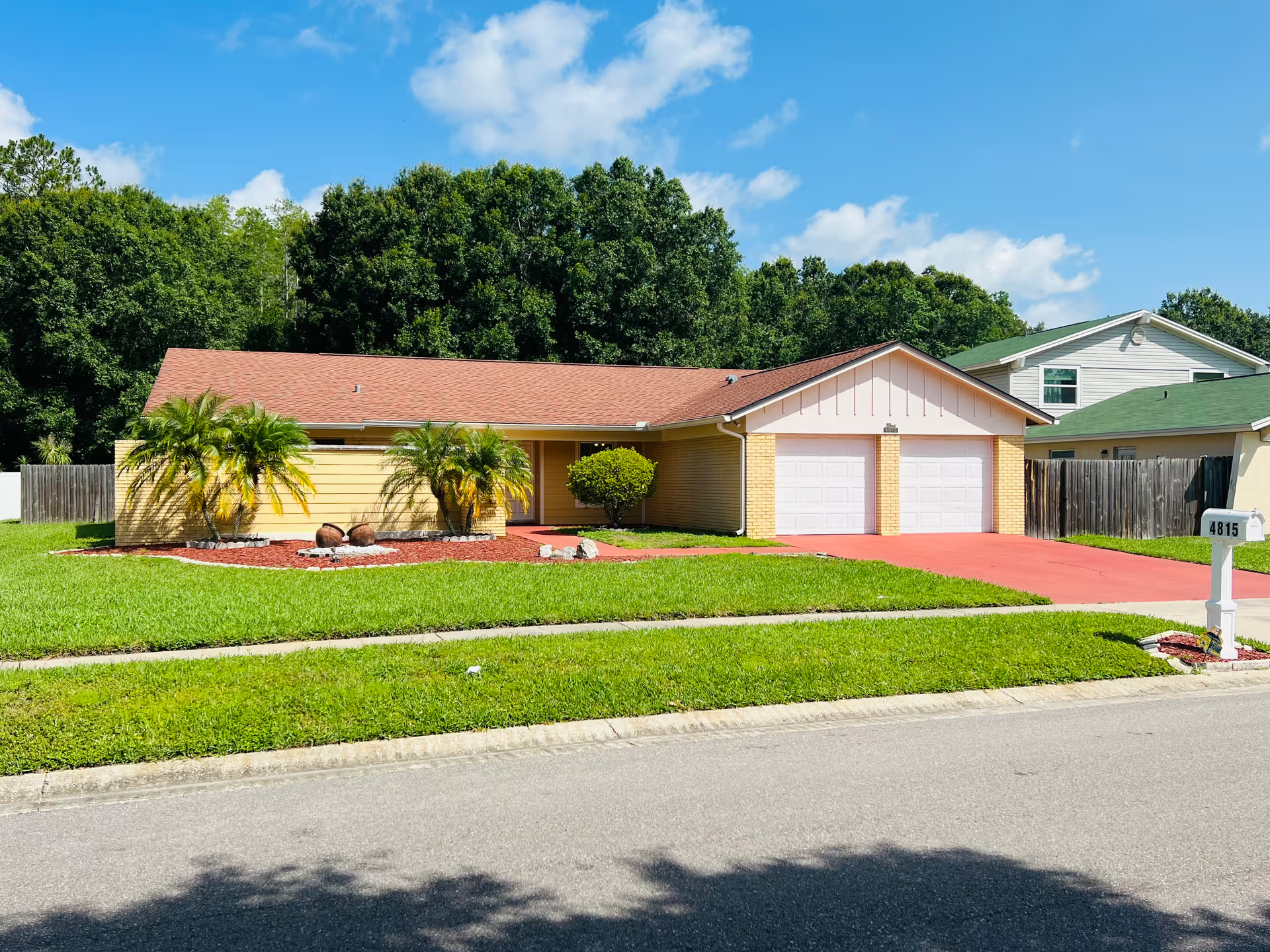
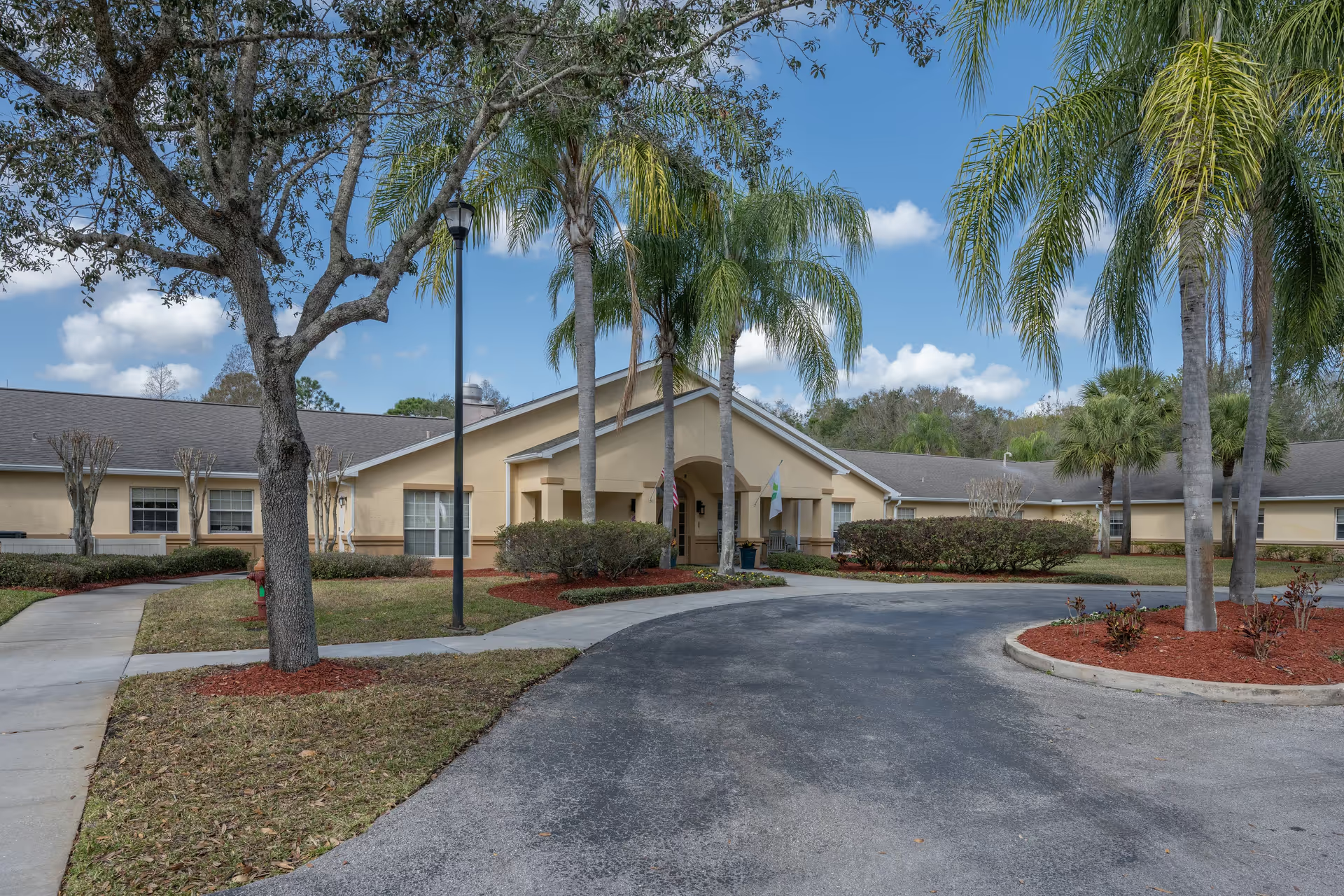
Austin House appears to operate as a small, family-run residential care home that emphasizes a home-like environment, close supervision, and personalized attention. Reviewers frequently highlight the facility's clean, well-decorated interior and consistent, home-cooked meals. The setting and staffing model support long-term placements and continuity of care; several families describe long stays and strong relationships with owners and caregivers. Personal grooming and regular attention to appearance are often noted, and there are examples of attentive medical oversight for residents with complex needs.
Staff and caregiving receive largely positive comments about warmth and a family atmosphere; many accounts describe staff who listen to residents, escort them as needed, and provide attentive day-to-day support. At the same time, there are recurring operational concerns. Language and communication gaps among staff create barriers for some families and can complicate clinical and social interactions. Several reviewers describe inconsistencies in responsiveness or declines in care quality in particular situations, suggesting uneven performance across staff or shifts. Families should ask about staffing levels, language capabilities, and supervision practices when assessing suitability.
On administrative and management matters, the facility’s long-standing local ownership is a strength in terms of continuity and community ties. However, a number of reviews point to delays or opacity in administrative processes, such as refunds, and to a limited responsiveness when issues are raised. This pattern indicates opportunities to strengthen quality-improvement procedures and family communication protocols, especially around sensitive periods such as end-of-life transitions; there are isolated but significant concerns about communication and emotional support in those circumstances.
Facility amenities are consistent with a small residential home: interior cleanliness and decoration are positives, but outdoor and recreational space is described as limited or not fully functional. There are also operational practices to note, such as shared or communal sleeping arrangements used during transitional periods. Prospective residents and families should consider the resident acuity mix—some descriptions indicate a population with advanced cognitive or behavioral needs—and evaluate whether the home's services and staffing match the incoming resident's care profile.
In sum, Austin House offers a warm, small-scale, family-operated option with strengths in personal attention, home-cooked dining, and a homelike atmosphere. Key areas for inquiry during a tour or intake discussion are staff language capabilities, consistency of staff responsiveness, administrative policies (refunds, grievance resolution), end-of-life communication procedures, rooming arrangements during transitions, and access to outdoor or therapeutic activities. These targeted questions can help families determine whether the facility’s strengths align with their loved one’s clinical and social needs.