Reviewer feedback presents a mixed profile: the facility consistently receives praise for its rehabilitation services, therapists, dining leadership, and well‑maintained physical plant, while operational and clinical consistency are recurring concerns.
Care and clinical quality: Strengths appear strongest in short-term, rehab-focused care. Physical and speech therapists are frequently described as skilled and effective, and families report rapid mobility and functional gains for many rehab patients. Conversely, nursing and basic clinical care are described as inconsistent. Recurring operational issues include delayed personal‑care assistance (including bathing), inconsistent medication administration and documentation, and gaps in wound and dressing management. Several accounts raise concerns about fall prevention and the speed of emergency response. These patterns suggest the facility can produce good rehabilitation outcomes but may struggle with continuous nursing care for higher‑dependency or medically complex residents.
Staff and culture: Many reviewers characterize individual staff members as compassionate, polite, and attentive — particularly therapy staff, dining-room personnel, and some nursing aides. At the same time, complaints about staff conduct and tone (including reports of condescending or rude interactions and confrontational encounters around visitation policies) are recurrent. Night and weekend shifts are mentioned as less reliable in responsiveness. High staff turnover, payroll issues, and variable leadership visibility are also noted, which likely contribute to uneven care experiences.
Dining and activities: Dining leadership and meal presentation receive substantial positive comment; several families describe the dining room as attentive and meals as high quality. However, other reviewers note repetitive or unappetizing entrees for certain residents and a lack of encouragement for residents who need feeding assistance. Activity programming appears focused on rehabilitation goals; there are consistent comments that non‑rehab residents have limited activity options and that activity schedules or sheets can be delayed.
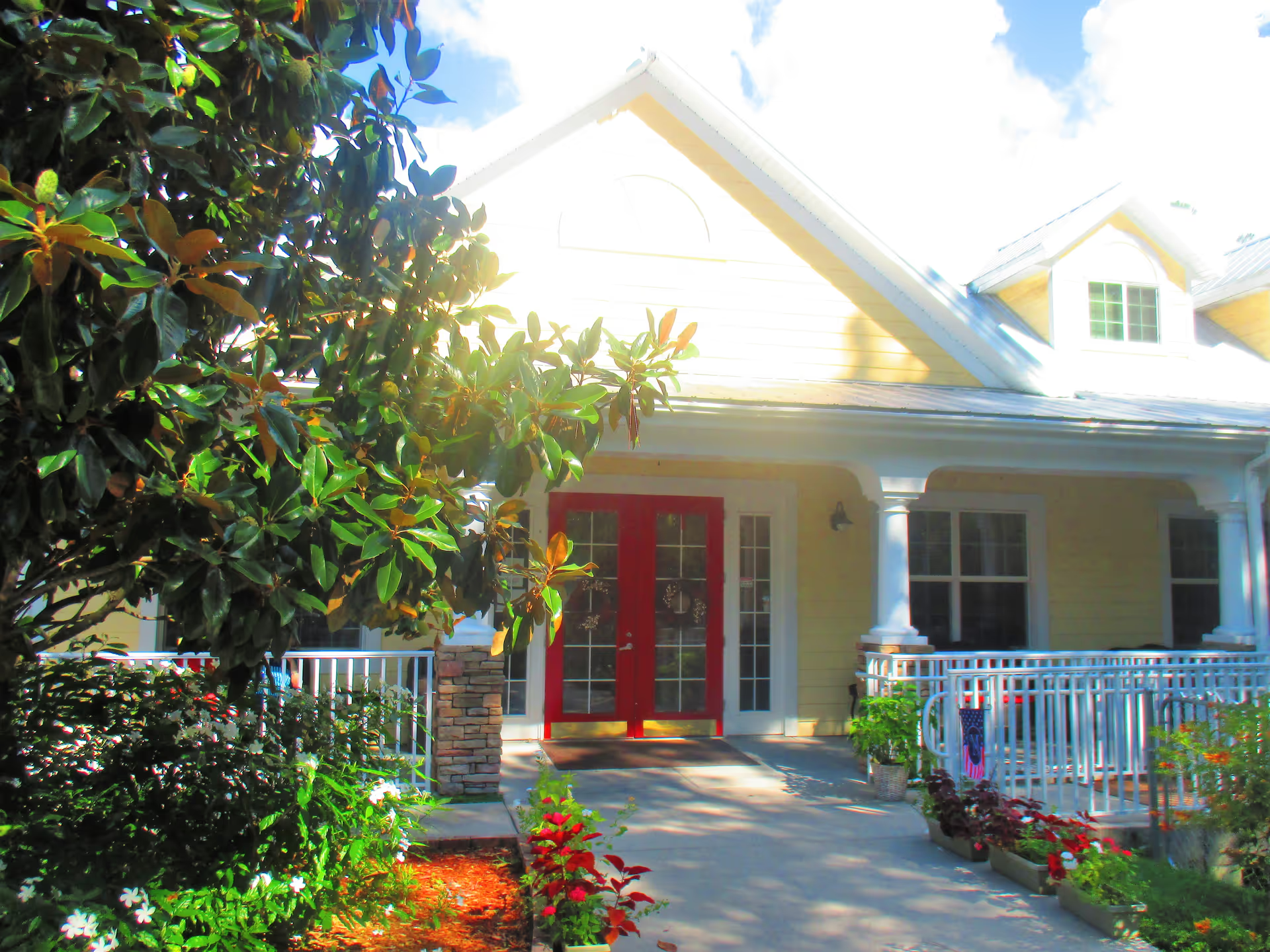
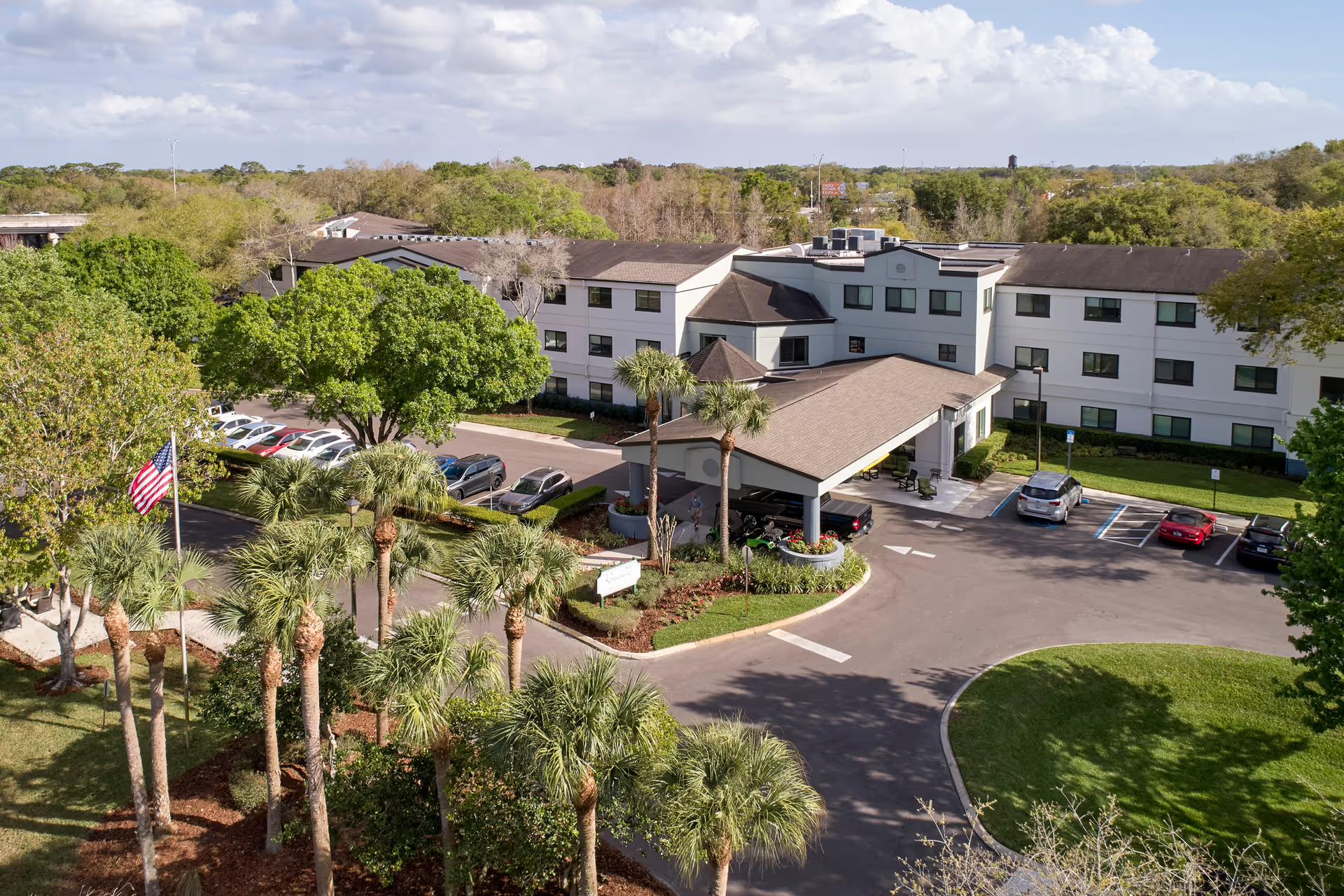
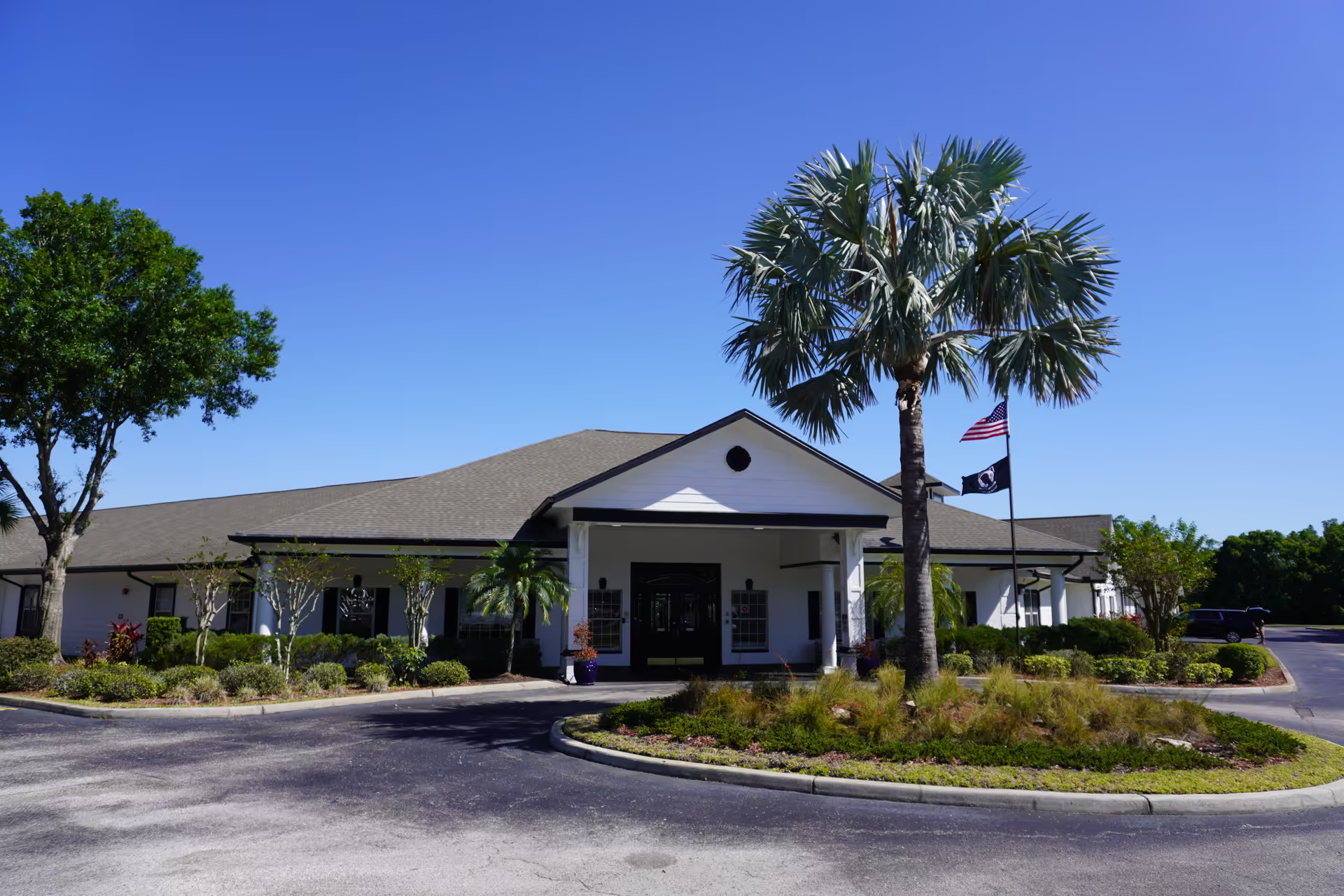
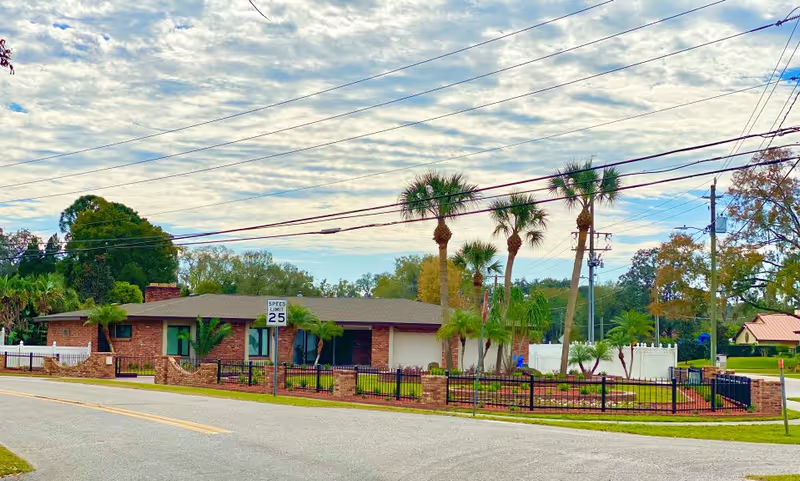
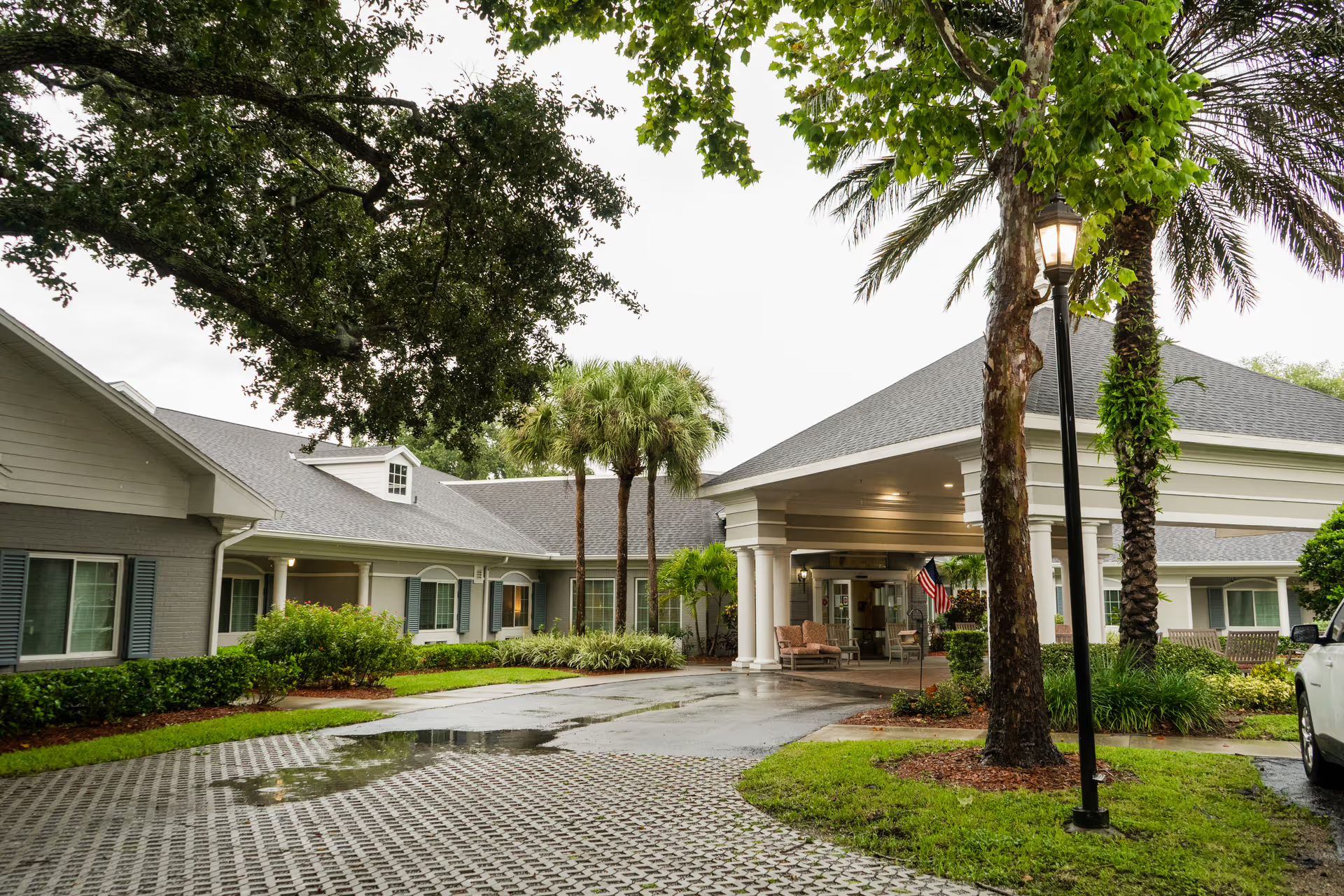
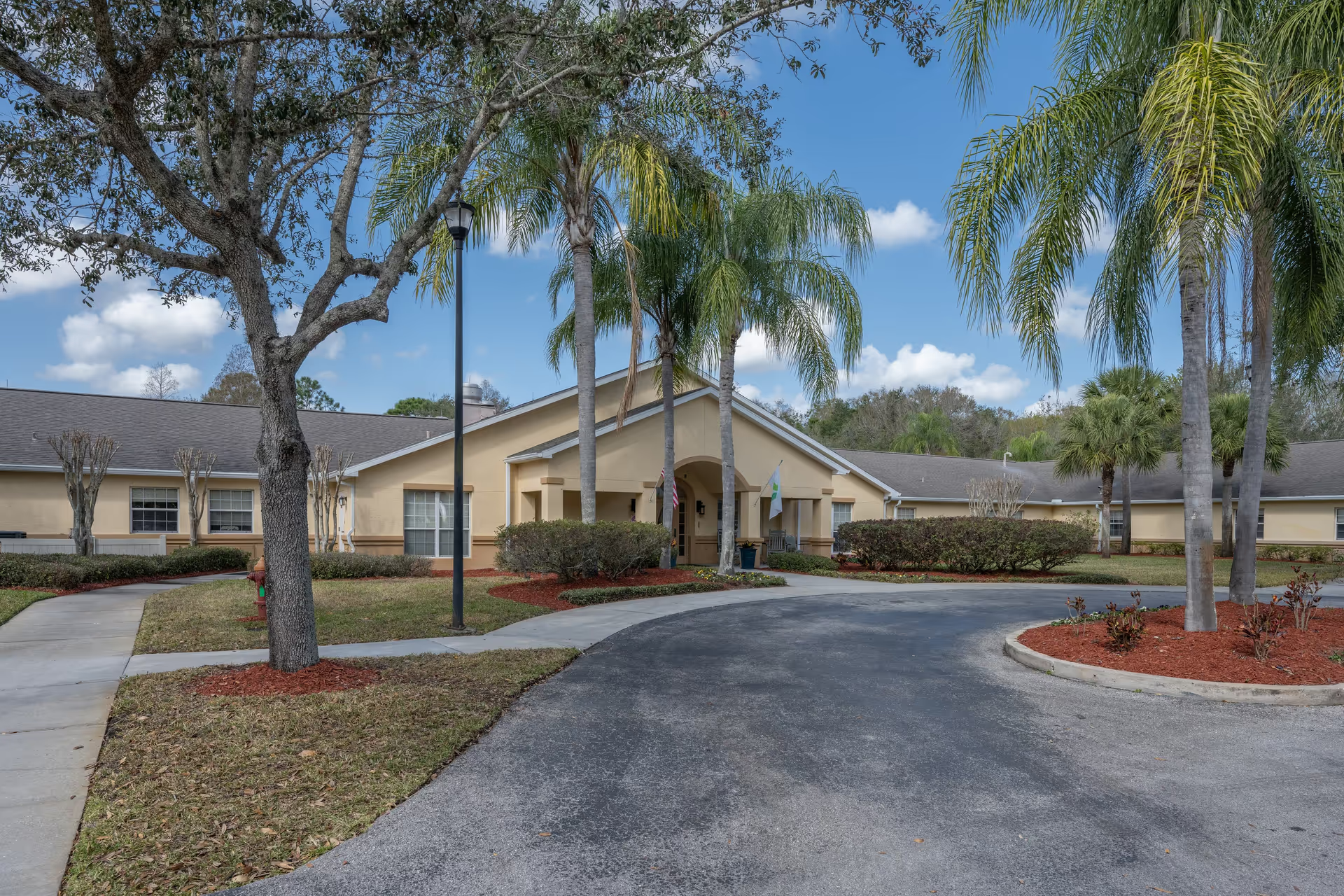
Facility and amenities: The physical environment is frequently cited as a clear strength: modern, bright, wheelchair‑accessible spaces, pleasant common areas, outdoor space, on‑site therapy equipment, and salon services. Maintenance responsiveness (e.g., rapid fixes to HVAC and room issues) is described positively in multiple instances. That said, some reviews raise sanitation and pest‑control concerns in specific areas, which should be considered alongside otherwise positive cleanliness reports.
Management, billing, and transparency: Management responsiveness is described as variable — some reviewers report prompt escalation and remediation by administrators and the CEO/CNO, while others describe poor communication, lack of callbacks, and unresolved operational issues. There are multiple concerns about insurance coverage, billing practices, and pricing transparency, along with a perception that admission or services may be weighted by profitability. More serious claims include allegations of medication diversion and financial mismanagement; these are significant and warrant direct inquiry with facility leadership and regulators if they are a concern for prospective families.
Notable patterns and guidance for families: The overall pattern is bifurcated: the facility often provides strong, outcome‑oriented short‑term rehabilitation in a modern, comfortable setting, supported by skilled therapists and attentive dining staff. At the same time, families with loved ones who require higher levels of continuous nursing care, reliable medication administration, frequent toileting/feeding assistance, or consistent night/weekend coverage report more problems. Prospective residents and families should clarify staffing ratios for the intended level of care, ask about medication‑administration controls, review discharge and transportation procedures, verify insurance and coverage details in writing, and tour the unit(s) where the resident will be placed to assess activity options and sanitation. Direct conversations with current families or the therapy director can help validate the facility’s strengths and identify whether the operational concerns described align with the level of care the prospective resident requires.