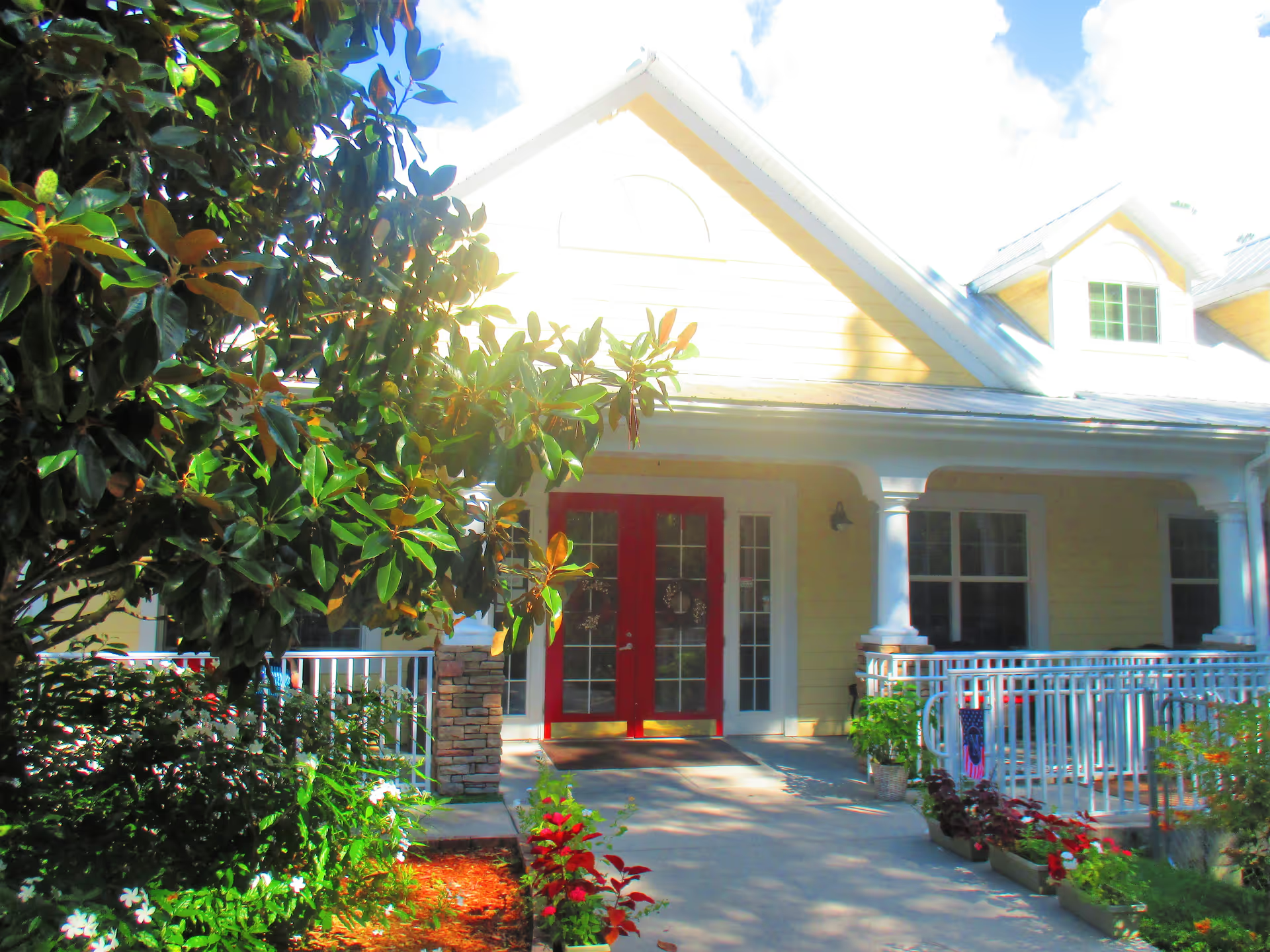
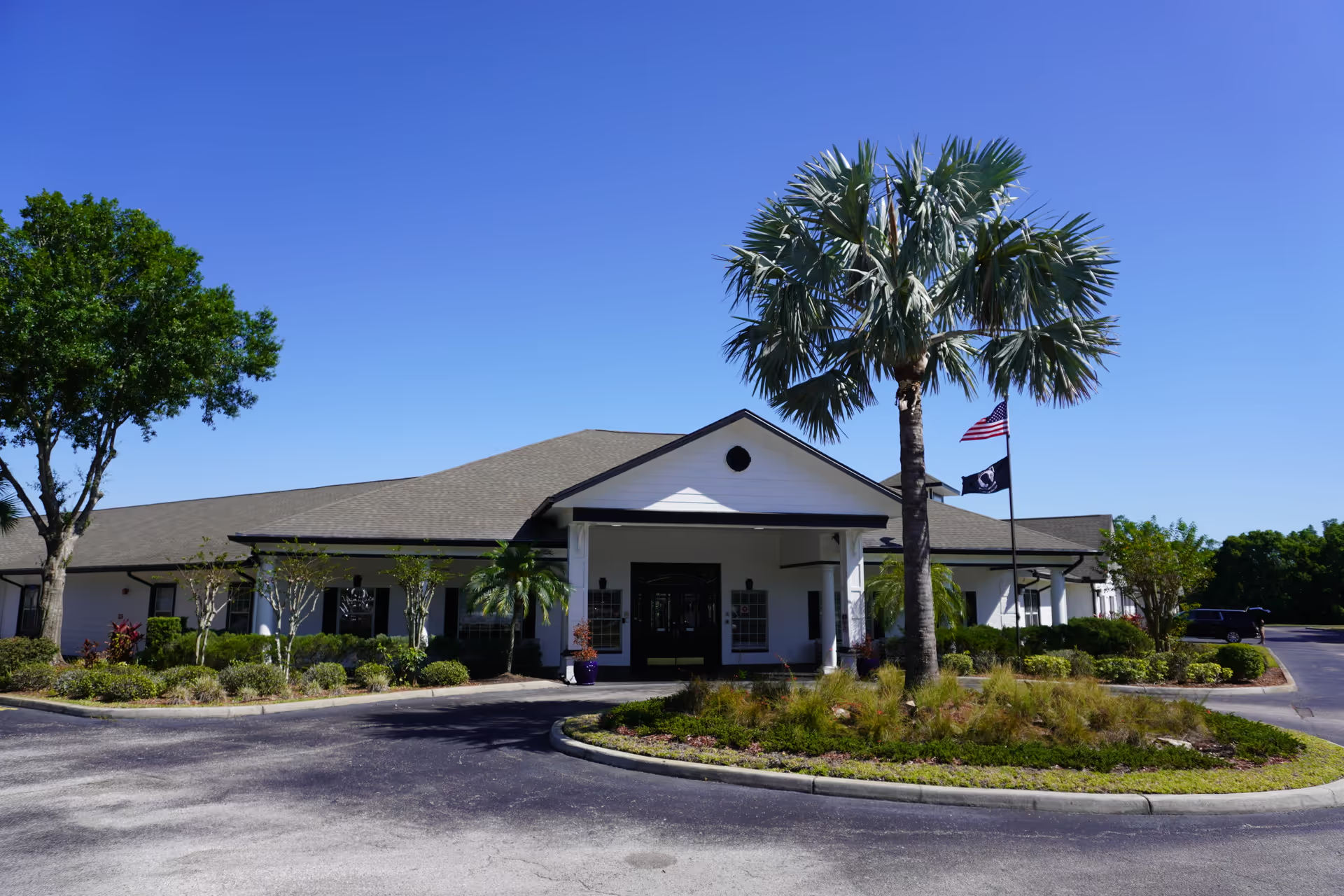
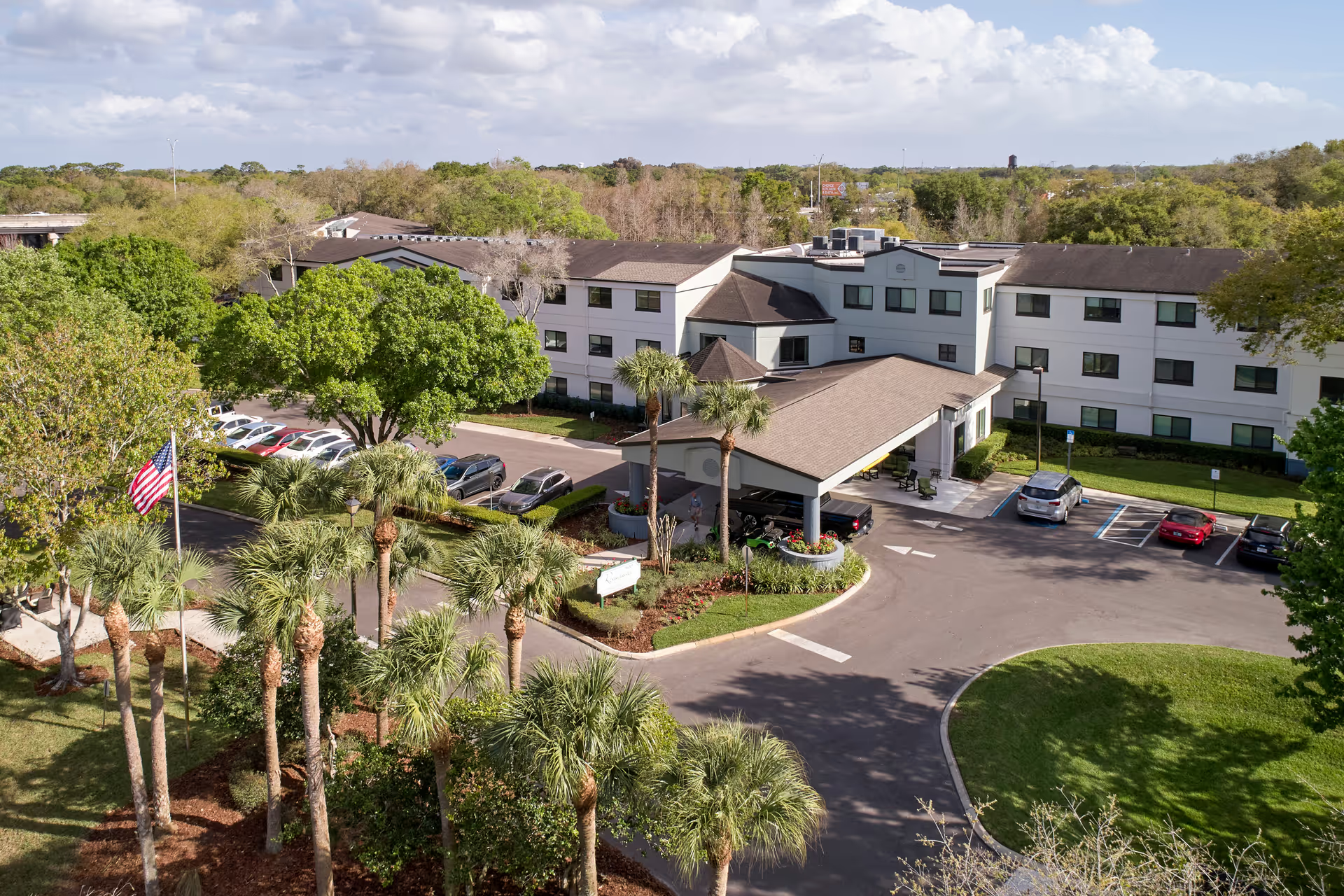
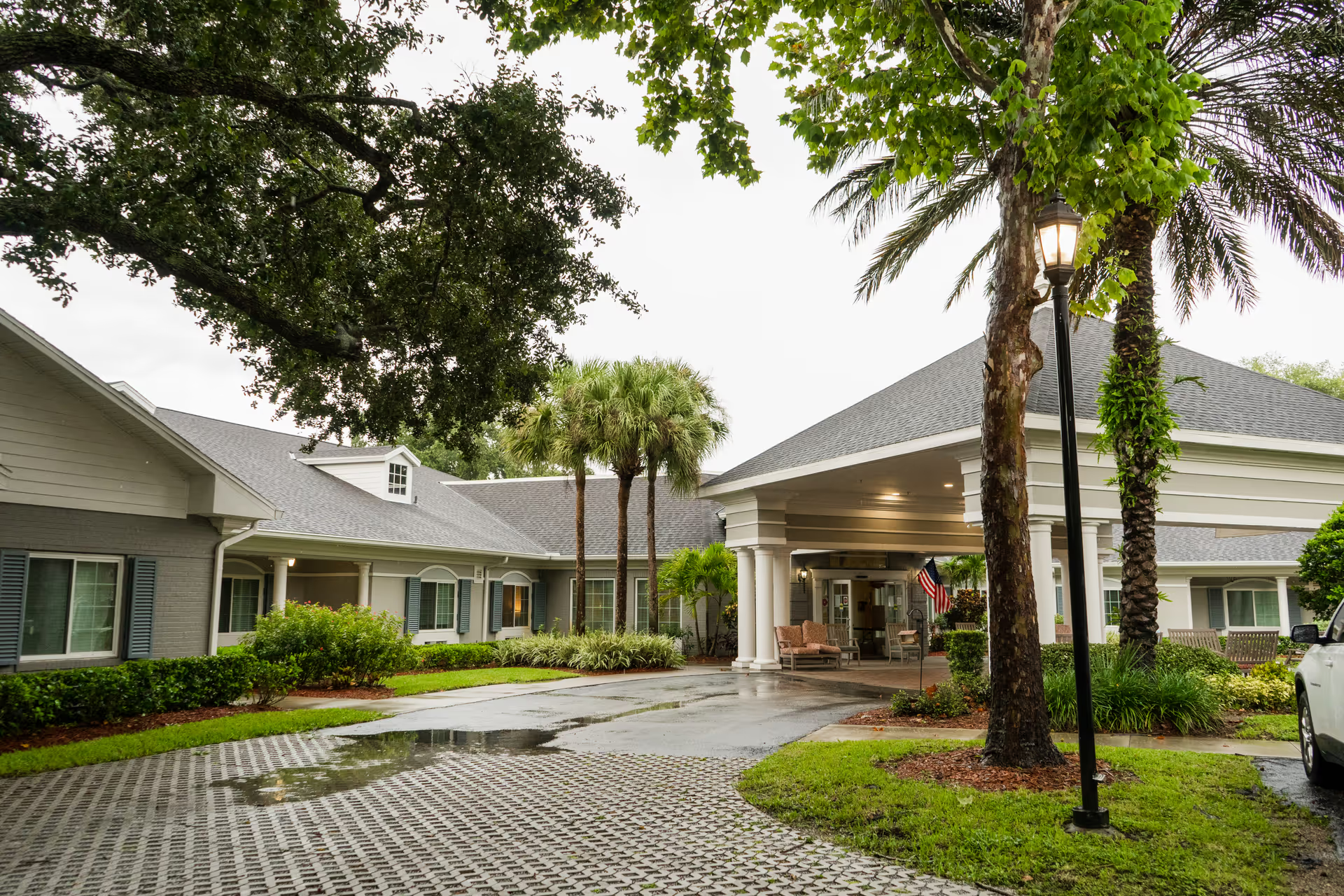
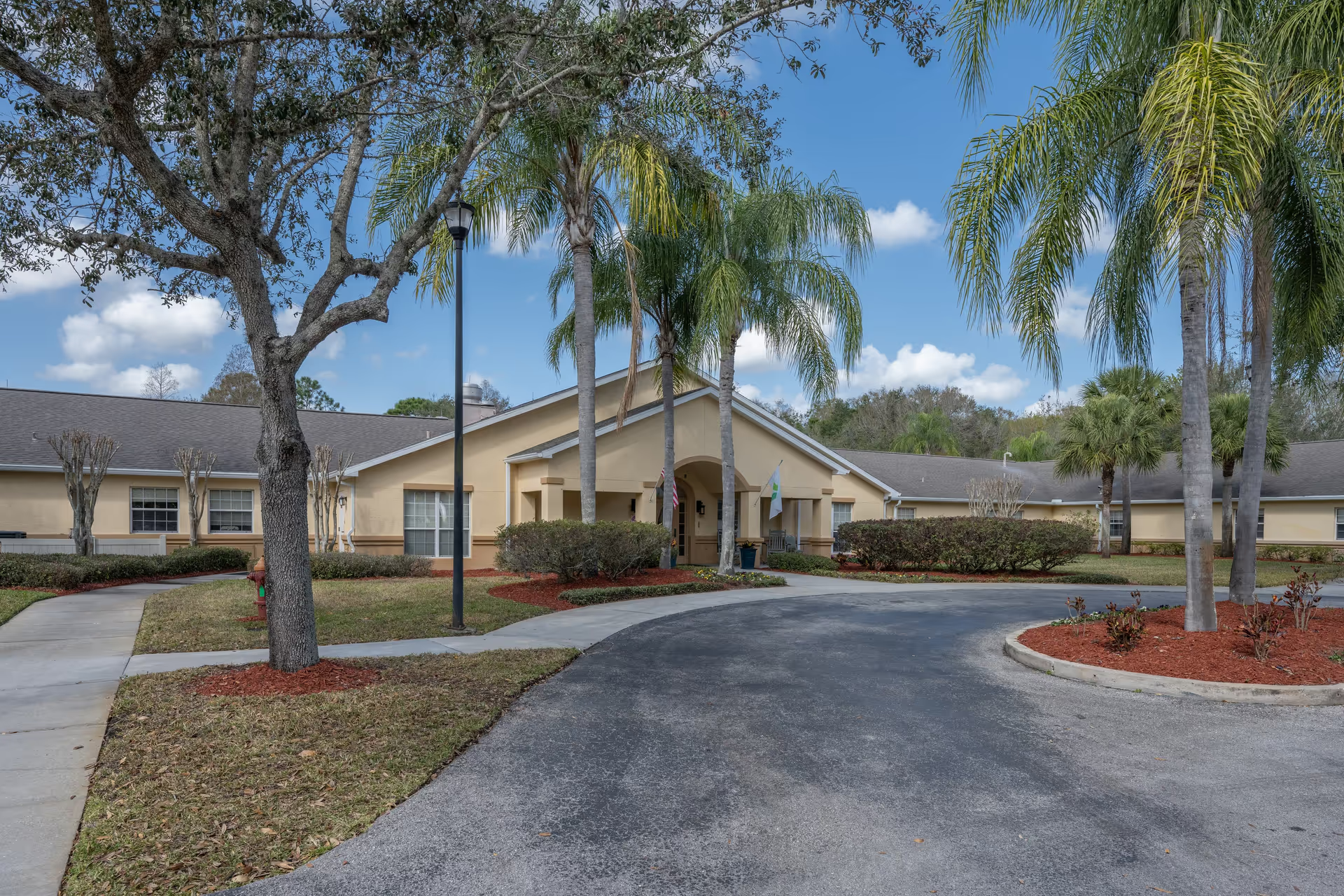
Overall impression PruittHealth - North Tampa is widely recognized for its new, well-maintained campus, single-occupancy rooms, and a hotel-like atmosphere. Many families praised the facility’s physical environment — spacious rooms, comfortable lounges, and attractive grounds — and several reviewers highlighted a clean, odor-controlled interior. Admissions and front-desk interactions are often described as smooth and welcoming, and the facility offers a robust set of amenities (cinema, putting green, large therapy gym) that support a rehabilitation-focused stay.
Therapy and clinical outcomes Therapy services receive consistently strong endorsements. Physical therapy, occupational therapy, and speech-language pathology teams are repeatedly described as effective, encouraging, and outcome-oriented; multiple accounts cite measurable functional improvements and successful transitions home. The on-site therapy gym and skilled therapy leadership are particular strengths and are central to many positive discharge outcomes.
Nursing, direct care, and safety Reviewers’ experiences with nursing and direct care are mixed. Many families compliment compassionate CNAs and individual nurses who provide attentive support, but there is a recurring pattern of understaffing that affects bedside responsiveness and continuity of care. Staff shortages were reported across shifts (nights and weekends), producing long waits for assistance and challenges for residents who require frequent or high-dependency care. These operational pressures are associated in the reviews with pressure-injury prevention gaps, toileting-assistance delays, and uneven adherence to infection-control practices. For residents who require hoist transfers or continuous assistance, reviewers flagged potential safety risks tied to staffing levels.
Dining and daily living services Accounts of dining and food quality vary. Some reviewers describe meals as adequate or enjoyable, while others report inconsistent nutrition, poor presentation, and meals served cold. The dining experience and its reliability appear uneven and may reflect operational staffing or kitchen-process issues. Families should discuss meal plans, special-diet accommodations, and meal-service timing during tours.
Management, communication, and operational patterns Opinions about management and administration are split. Several reviewers praised responsive administrators who facilitated care coordination and family communication; others raised concerns about limited after-hours administrative coverage, delayed or unclear discharge planning, and difficulty accessing information. A recurrent theme is the perception that fiscal or operational priorities sometimes compete with staffing adequacy; reviewers advise asking about current staffing ratios, turnover, and contingency plans. There are also isolated accounts suggesting medication-administration and billing controls need attention, signaling the need for families to review medication reconciliation and billing practices closely.
Notable patterns and practical takeaways Two consistent patterns emerge: first, the facility’s environment and therapy services are clear strengths that contribute to many positive rehabilitation outcomes; second, staffing levels and nursing continuity are the most frequent operational concerns and are linked to safety and quality-of-care variability. Prospective residents and families would benefit from targeted questions about current nurse/CNA staffing ratios by shift, response times for call bells and toileting assistance, pressure-injury prevention protocols, infection-control policies, and how the facility handles after-hours administrative coverage. Clarifying meal-service procedures, medication-management safeguards, and therapy intensity will help set expectations and identify whether the facility’s strengths align with an individual’s care needs.