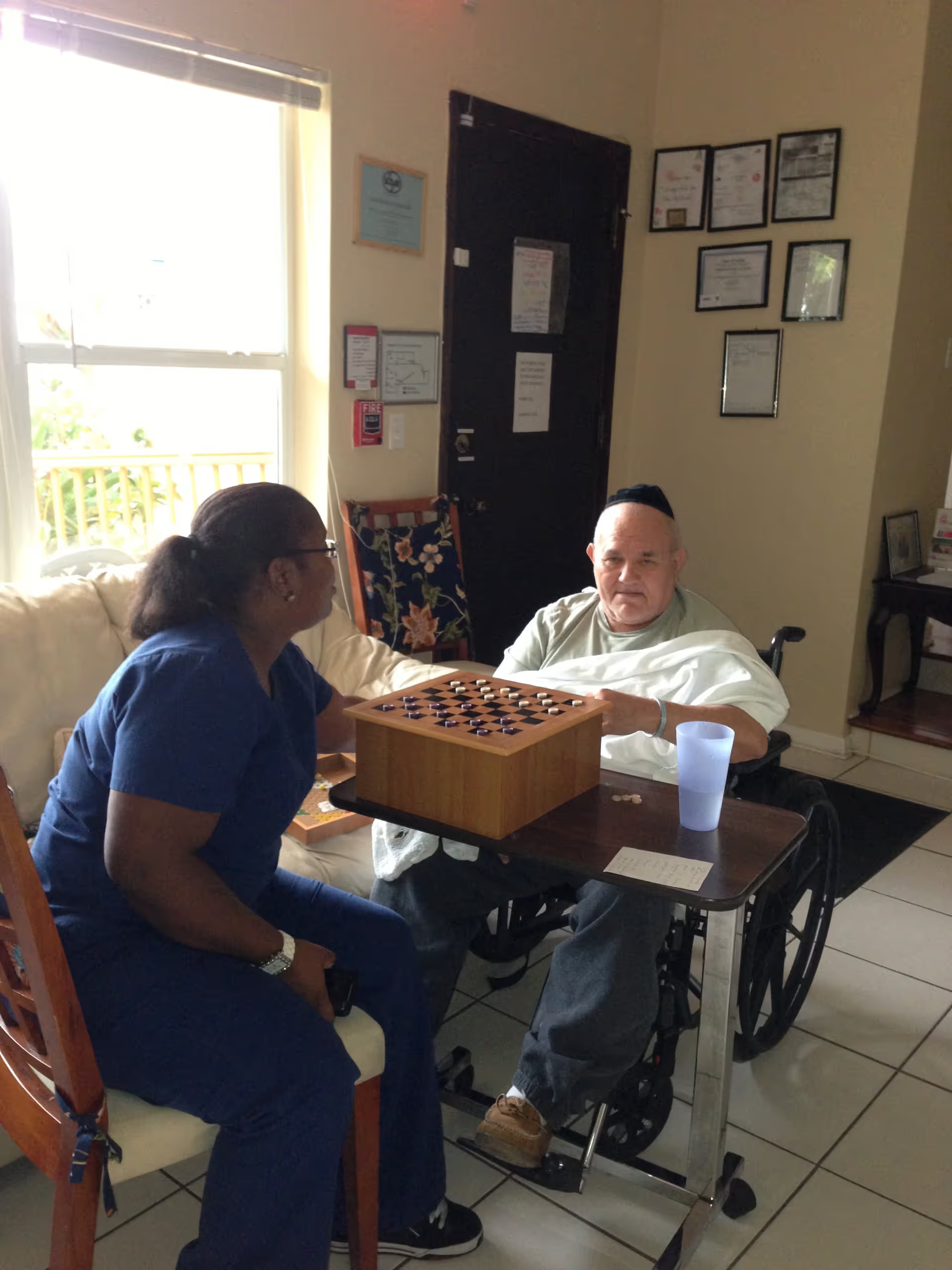
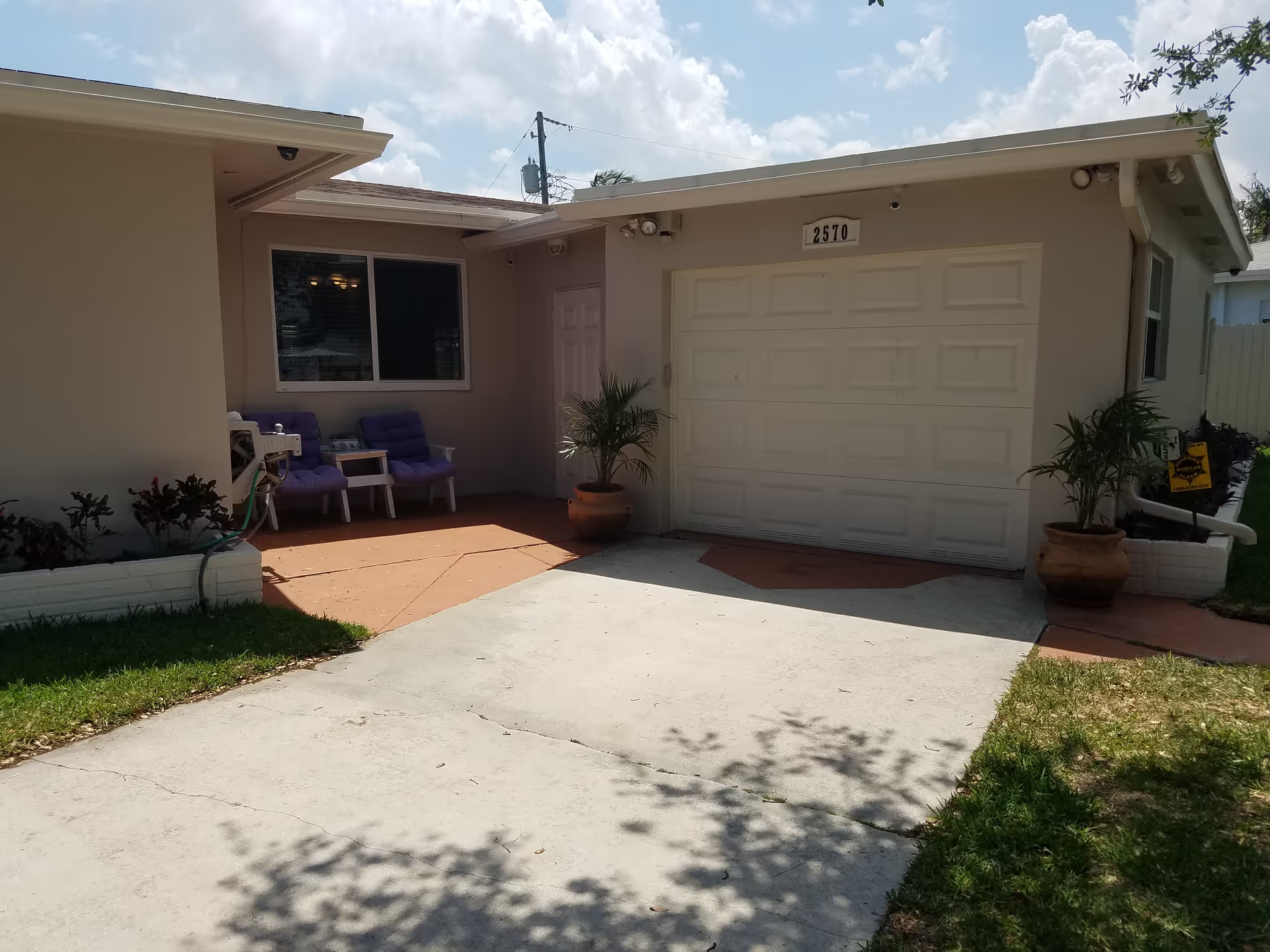
The review set for Pines Nursing Home is mixed, with clear areas of clinical strength alongside several operational weaknesses. Positively, families and some clinicians highlight compassionate bedside nursing and CNA care, experienced therapists, and the facility’s ability to manage medically complex needs such as on-site dialysis and tracheostomy care. The facility’s small, family-owned character and central North Miami location are noted as advantages, and several reviewers praised specific staff and the facility’s activity and dining offerings.
Care quality appears to be uneven. Reviewers describe competent, caring clinicians and effective therapy when available, yet raise repeated concerns about delays in nursing response, lapses in medication handling, and gaps in clinical documentation. For medically complex residents (for example those requiring dialysis or trach management) the facility appears equipped and experienced; for those seeking an intensive, equipment-dependent rehabilitation program, reviewers indicate limited therapy equipment and space may constrain outcomes.
Staffing and management impressions are mixed. Many comments emphasize friendly, dedicated staff and accessible leadership; concurrently, there are repeated complaints about unanswered phone calls, slow admissions responsiveness, and uneven communication from business and nursing leaders. Several reviewers identify needs for improved staff training, clearer chart communication, and more reliable front-desk/phone processes. There is one serious allegation concerning coercive admission practices; this claim should be treated as a separate matter to investigate through documentation and regulatory records.
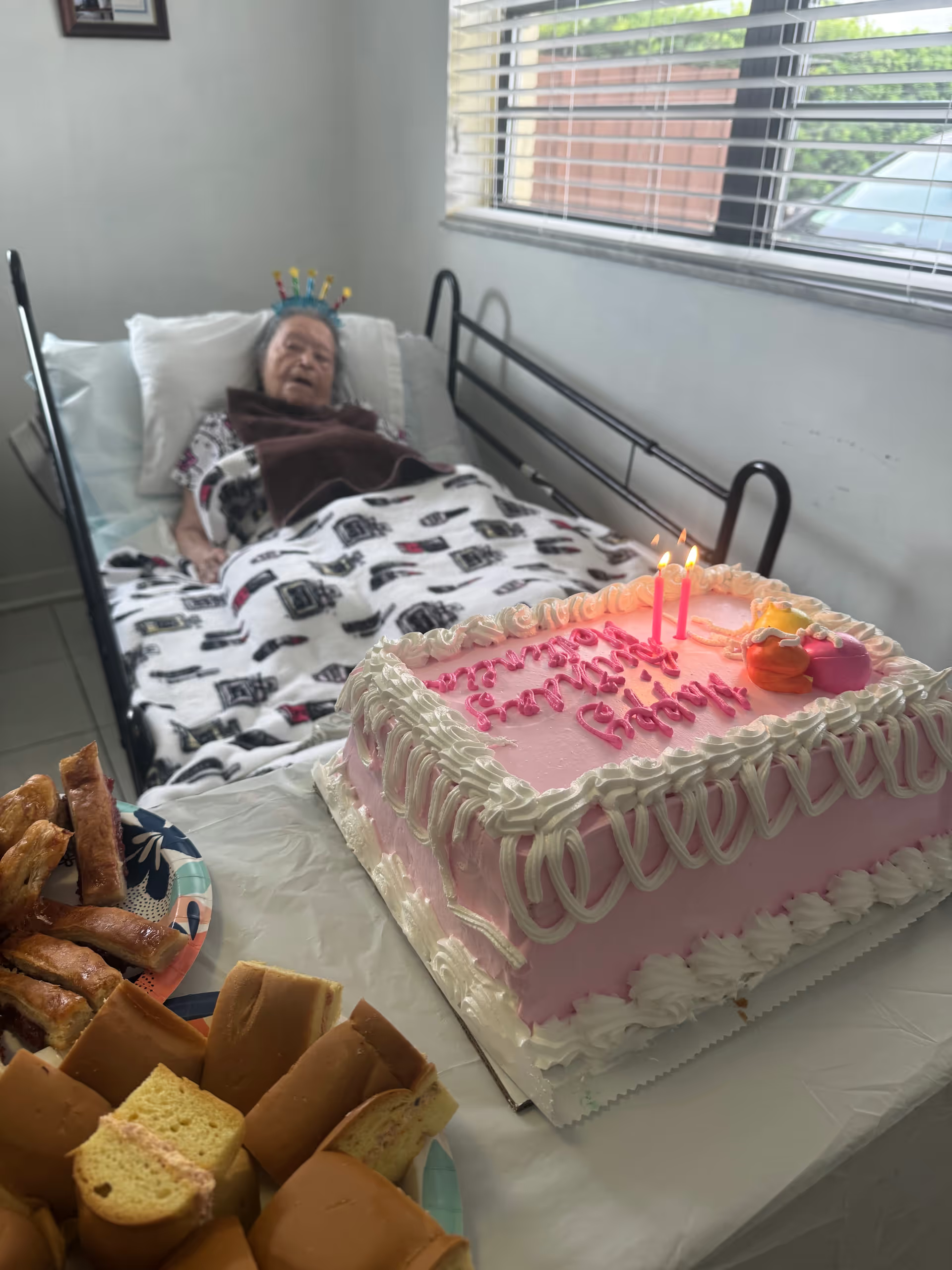
Dining and activities receive favorable remarks for nutritious food and engaging programming, contributing to a welcoming social environment when operations run smoothly. However, there are operational issues during meal service and dining logistics — including reports consistent with overcrowding and inadequate meal assistance — that reduce the reliability of those positive aspects for some residents.
Facility condition feedback is variable. Some reviewers find common areas clean and welcoming, while others point to sanitation and odor concerns in rooms and shared spaces, shortages of linen and basic supplies, and incidents of lost personal property. The internal communication infrastructure (notably the call-bell system) is described as outdated, which reviewers link to slower staff response. These facility-level logistics — supplies, housekeeping, communication systems, and space for therapy — emerge as recurring themes.
For prospective residents and families: Pines may be a reasonable option for those needing specific clinical services such as dialysis or tracheostomy management and who value a smaller, family-operated environment with engaged staff. Families prioritizing consistent responsiveness, robust medication-safety processes, well-equipped rehabilitation services, or strict housekeeping and supply reliability should seek detailed, current information before admission. Recommended due diligence includes an in-person visit to observe mealtime and shift-change operations, a review of medication-safety and incident records, direct questions about call systems and staffing ratios, and verification of state inspection and complaint histories.