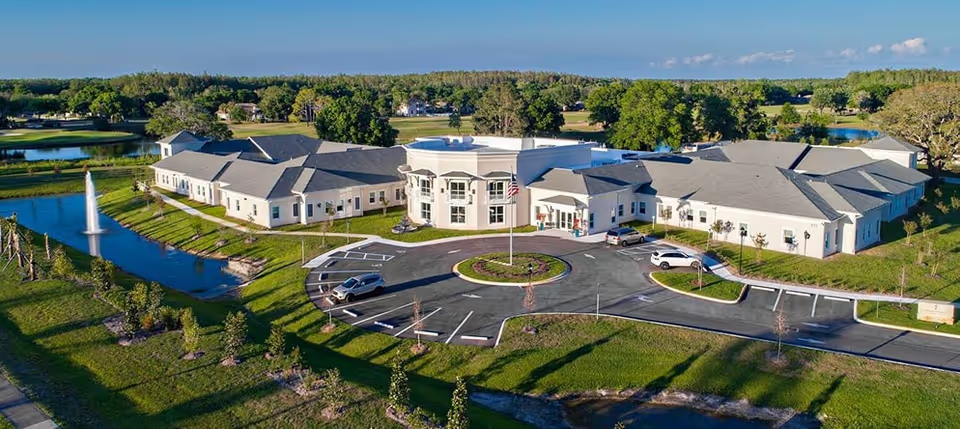
Life Care Center of New Port Richey presents as a largely rehabilitation-focused facility with many families and patients praising the clinical therapy teams, attentive nursing aides, and an environment that is clean, bright and recently updated. Physical and occupational therapy receive consistent positive mention for driving measurable recovery, and the facility’s emphasis on getting residents well enough to return home is evident in staff practices and therapy intensity. Several accounts highlight specific staff members and teams who provide compassionate, family-oriented care; admissions and administrative staff are frequently described as helpful and responsive.
Dining and activities are strengths for the center. The dining-room experience, attentive servers who learn resident preferences, reasonable portioning, and a variety of social offerings (ice cream socials, an on-site coffee/ice-cream parlor, games, worship services, pet visits and frequent events) contribute to a resident-centered, engaging atmosphere. That said, some operational inconsistency shows in meal delivery: dining-room meals are often preferred while room-service trays have been noted as arriving cold and meal texture adaptation for dysphagia has occasionally required attention.
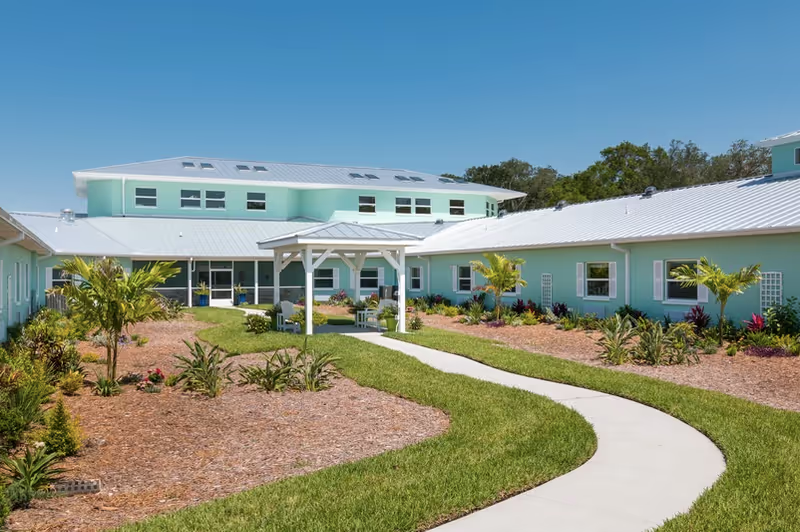
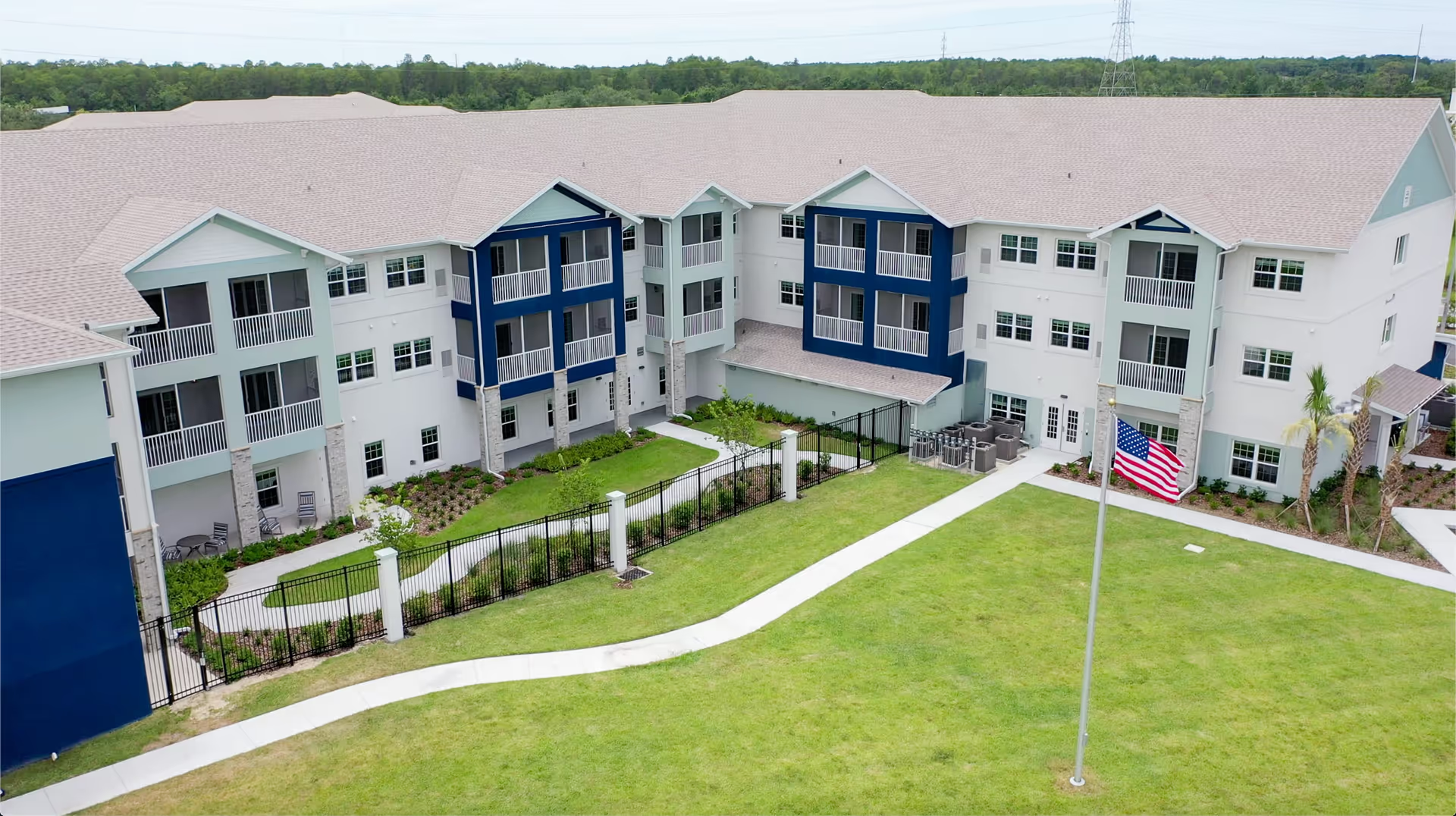
The facility’s physical plant is frequently lauded: renovated interiors, pleasant decor, private rooms with en suite showers, and attractive grounds that allow pet-friendly visitation. Housekeeping and public-area maintenance are commonly described as thorough, contributing to a hotel-like feel that families appreciate. At the same time, there are intermittent sanitation and cleanliness inconsistencies reported in resident areas that warrant attention during tours and discussions with staff.
Operational and clinical patterns emerge across reviews. While many encounters are positive, there is variability in care quality between shifts and individual staff members. Weekend staffing and oversight are repeatedly identified as weaker, with slower response times to call bells and delayed attention to routine care needs. Several accounts describe overburdened CNAs and role diffusion where tasks expected of licensed nursing staff are falling to aides, which may compromise timeliness and thoroughness of clinical care. Families should be aware of these staffing dynamics when assessing continuity of care.
Clinical coordination and communication represent another recurring theme. Positive examples of timely, family-focused communication exist, but there are also notable gaps in discharge planning and post-discharge follow-up; a few reports describe rehospitalization or deterioration after discharge and failures to notify families promptly. Relatedly, reviewers mentioned concerns about medication and oxygen management in specific cases. A small number of alleged serious clinical incidents were reported; these are not the norm in the overall dataset but are sufficiently significant that prospective families should ask detailed questions about care protocols, transfer safety, pressure-injury prevention, and medication/oxygen oversight.
In summary, Life Care Center of New Port Richey offers many attributes families value: strong rehab services, compassionate staff, robust activities, and a well-maintained facility. However, variability across shifts — particularly on weekends — and operational gaps in responsiveness, incontinence and bathing schedules, discharge coordination, and certain clinical-management processes are recurring concerns. Prospective residents and families would benefit from in-person observations during different times of day (including weekends), specific inquiries about weekend staffing ratios and discharge procedures, and clear agreements about intra-facility communication and follow-up care plans before admission.