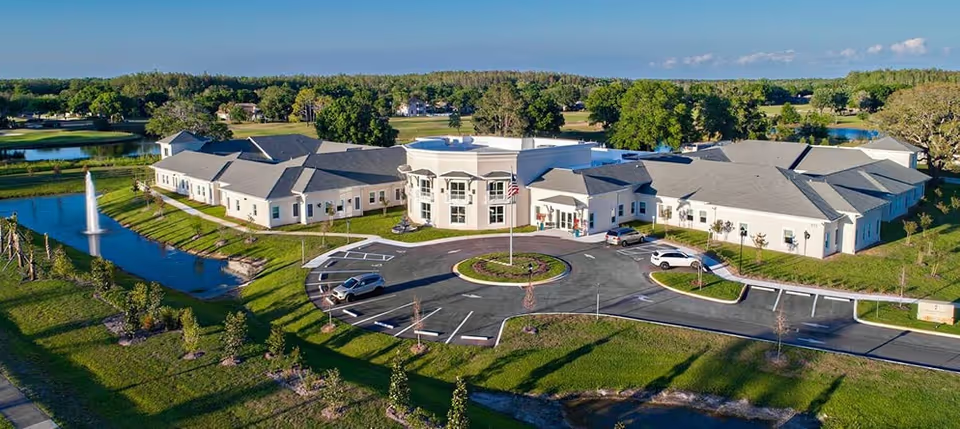
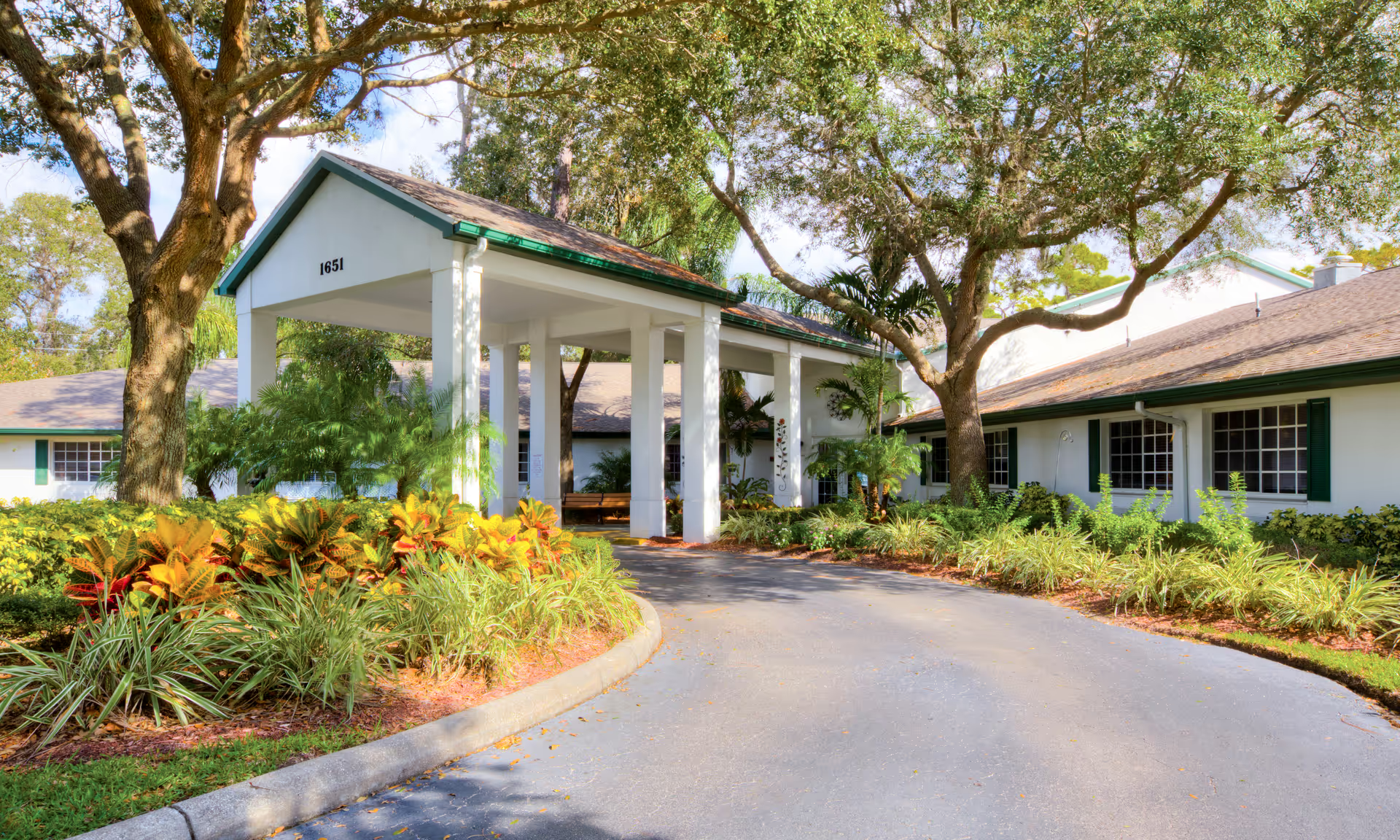
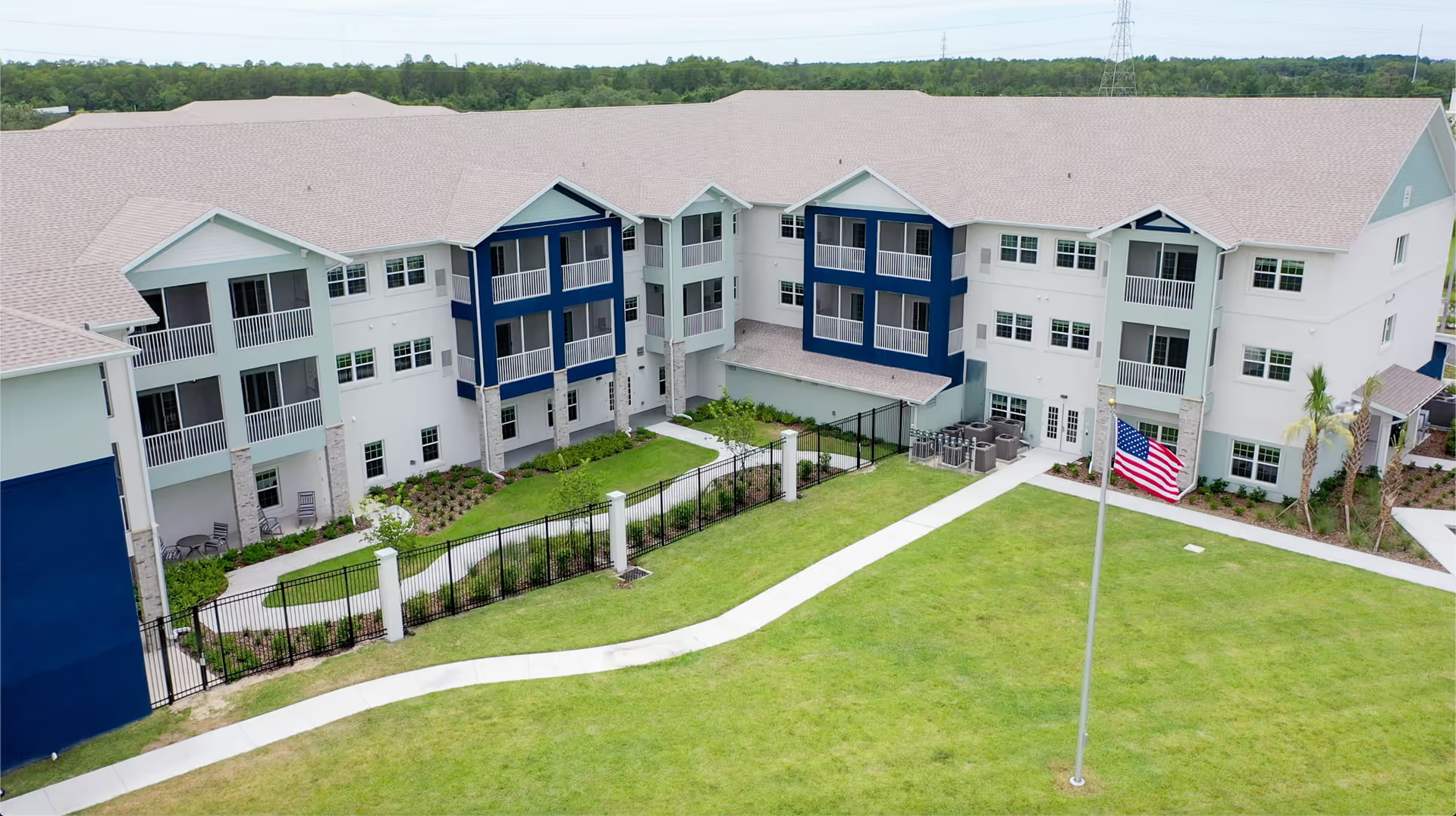
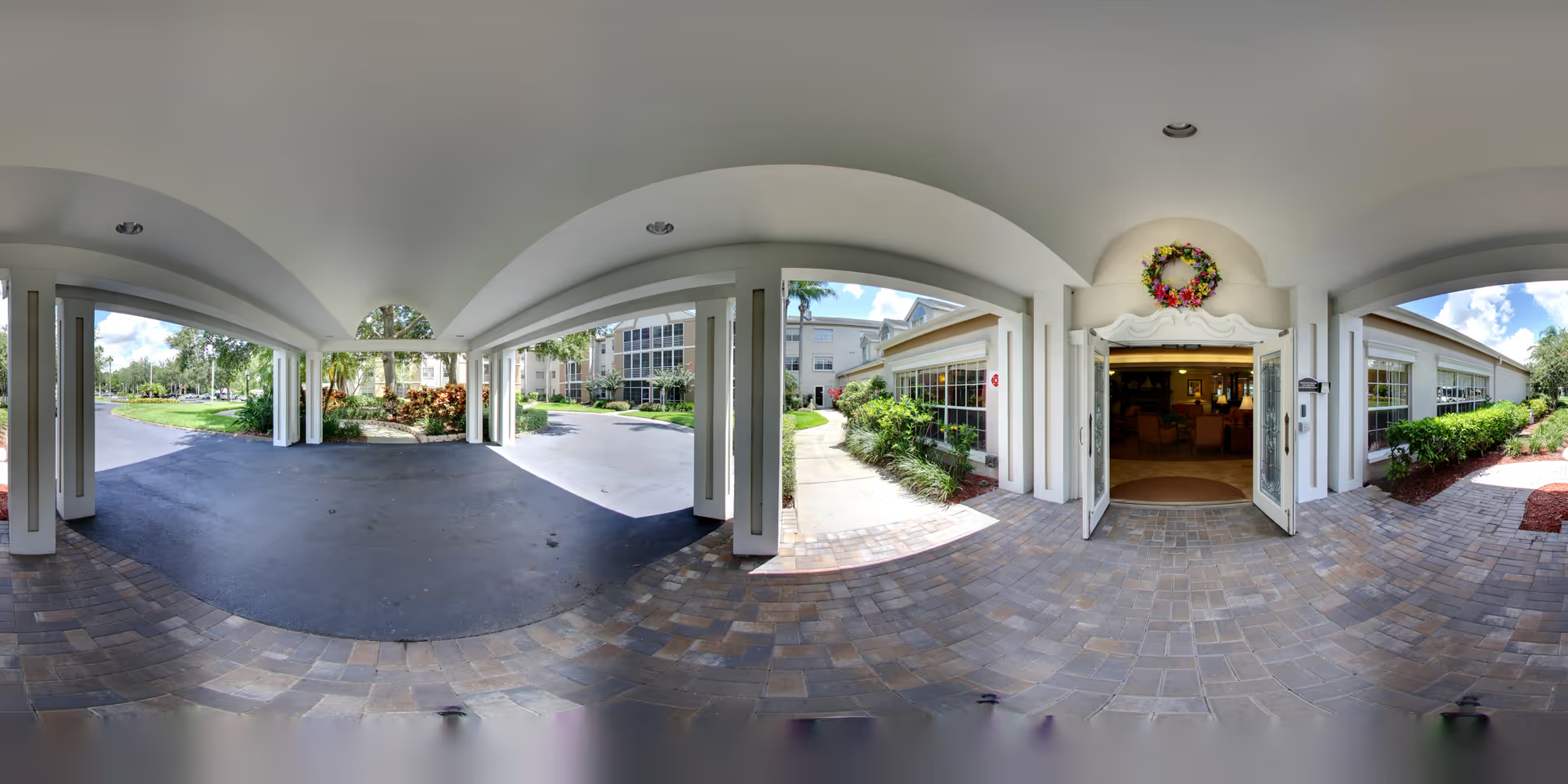
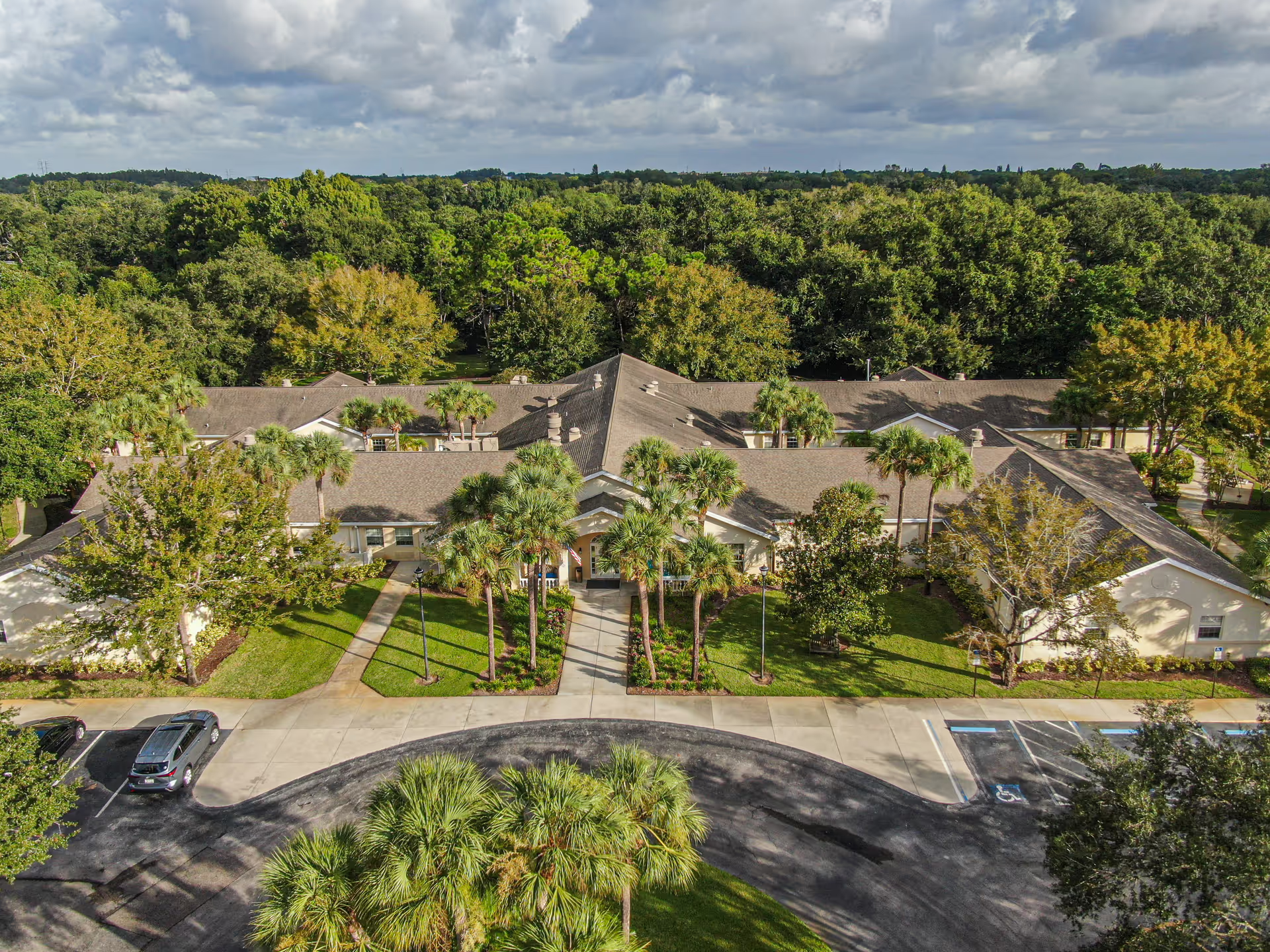
East Lake Manor is presented in reviews primarily as a smaller, family-run assisted living with a strong emphasis on a home-like environment and hands-on owner involvement. Many accounts highlight compassionate caregiving, 24-hour supervision, prompt laundry and personal assistance, and active owner oversight (including medical supervision). The property’s lakeside setting, central outdoor area, abundant windows and bright communal spaces are frequently praised, as are organized social activities such as live music, outdoor socials and church services. Several reviewers describe the facility as clean and well-kept in its communal areas, and note rigorous infection-control practices implemented during COVID.
Care quality and staff behavior are generally characterized as caring and attentive. Reviewers emphasize individualized attention, frequent visits from staff, and staff willingness to accommodate needs and requests. The smaller, family-run model is repeatedly cited as contributing to close personal relationships between staff and residents, a sense of being treated like family, and perceived good value compared with larger corporate facilities.
Dining and activities show a mixed picture. Some families report a good variety of meals, celebratory events, and timely care around meals; others report inconsistent food quality and small portion sizes. Activity programming is a strength in that special events and request-driven activities occur, but the schedule appears inconsistent — some reviewers wish for more regular daily upbeat programming. Prospective families should confirm current menus, portion standards and the weekly activity calendar during a visit.
Facility condition varies across reports. Portions of the campus are described as modern, well-maintained, and odor-free with spacious resident rooms, while other areas are noted as aging or less updated. There are also a small number of concerning reports suggesting sanitation and maintenance gaps and pest-control concerns in some rooms or units. These contrasting descriptions suggest variability between units or episodes rather than uniform condition across the property.
Notable patterns include generally positive assessments of management’s personal involvement and a strong, home-like culture, paired with occasional serious negative accounts that raise operational concerns. Those concerns center on sanitation and personal-care response times, inconsistent dining experiences, intermittent maintenance issues, and occasional communication gaps with families. Because the facility is smaller and family-run, those operational limitations may reflect resource constraints as well as strengths in personalized care.
For prospective residents and families: the facility’s close-knit, family-operated model and attractive grounds are strengths worth seeing in person. During a tour and conversation with management, consider asking about current staffing ratios and shift coverage, protocols for responding to personal-care needs, routine and emergency cleaning and pest-control processes, sample menus and portion sizes, the typical activity schedule, and how the facility communicates with families. Also ask about vacancy status and waitlist procedures, since limited availability was noted. These targeted questions will help reconcile the generally positive themes with the concerning outlier reports and provide a clearer picture of current day-to-day operations.