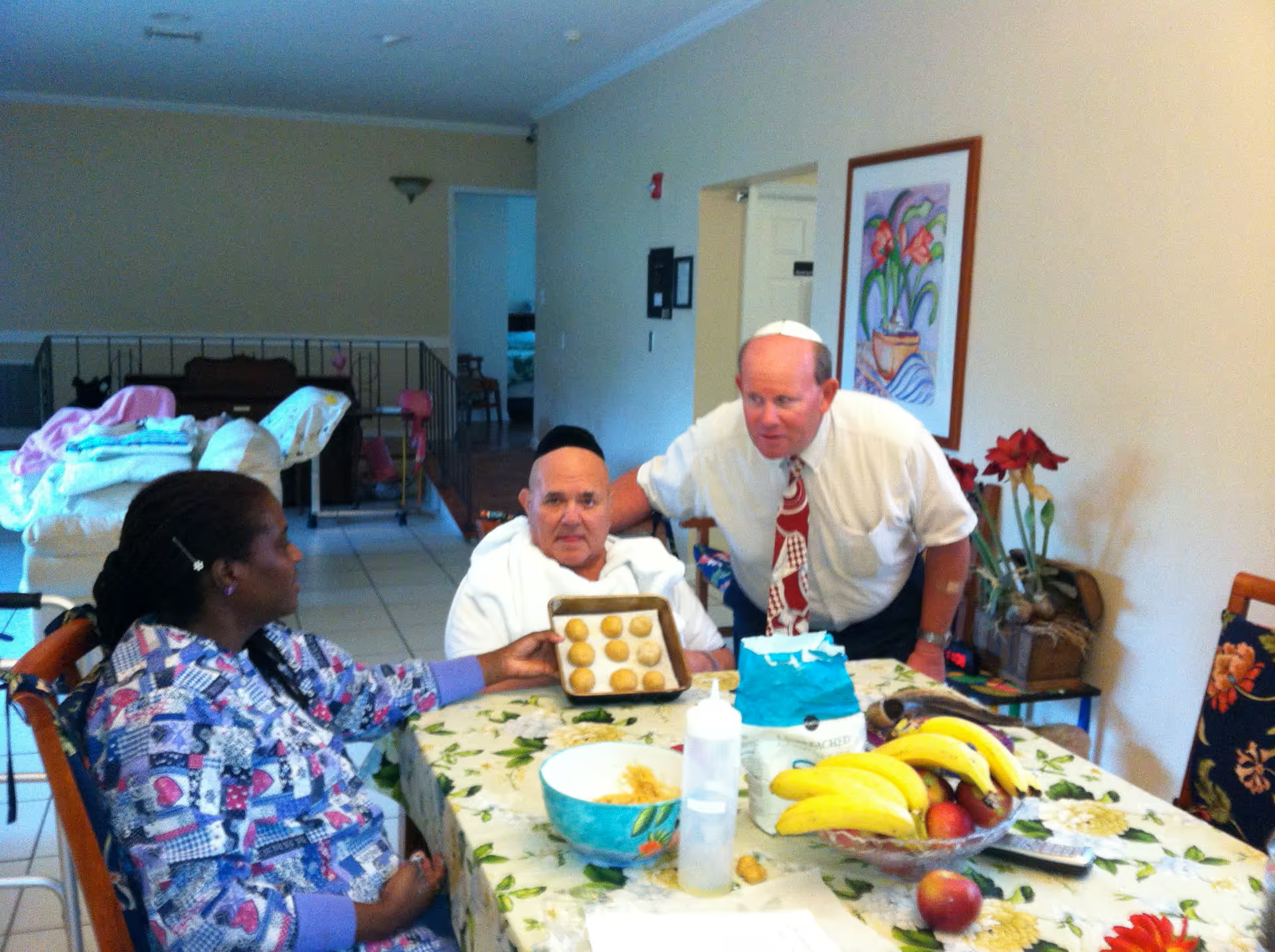
The review set for Claridge House is highly polarized: many families and some long-term residents describe an environment of attentive, compassionate caregiving and effective rehabilitation services, while others raise substantive operational concerns. Positive accounts emphasize caring nurses and CNAs, an admissions team that eases transitions, active physical and occupational therapy, and engaged activity staff who provide social and recreational programming. Several comments highlight strong family communication, professional leadership, faith-based community qualities, and continuity for residents who have lived at the facility for extended periods.
Conversely, substantive themes recur among negative accounts. Cleanliness and odor-control are frequent concerns, often tied to incontinence care and the timeliness of personal-care assistance. Multiple narratives indicate variability in staffing levels and responsiveness across shifts: families described long wait times for assistance, missed or delayed medications, and inconsistent delivery of scheduled therapy minutes. There are also repeated mentions of food-handling and temperature-control issues and pest-control concerns affecting common and dining areas. Some reviews raise serious operational allegations, including billing irregularities related to therapy and reports of missing resident property; these are matters families and regulators may wish to verify directly.
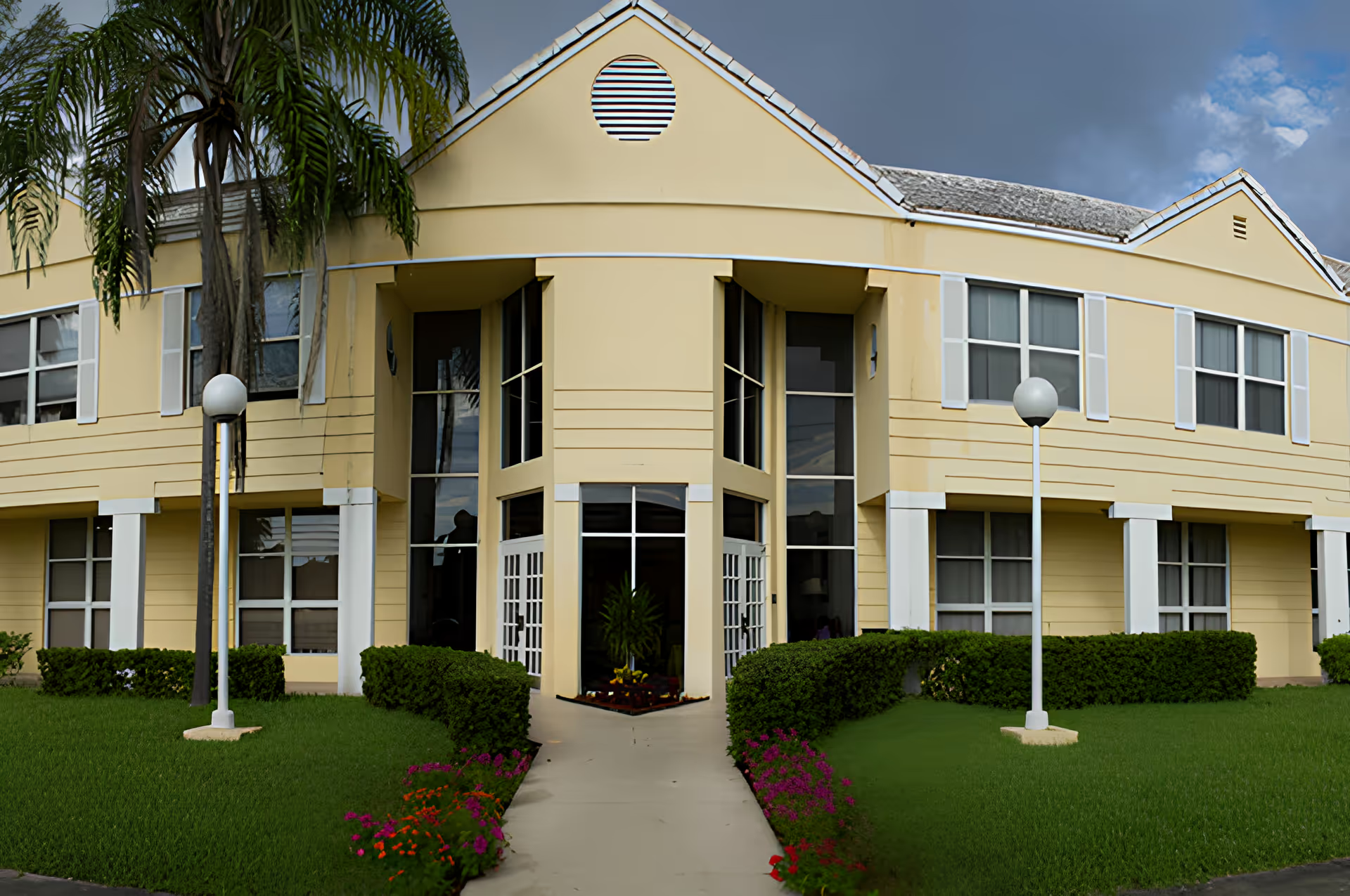
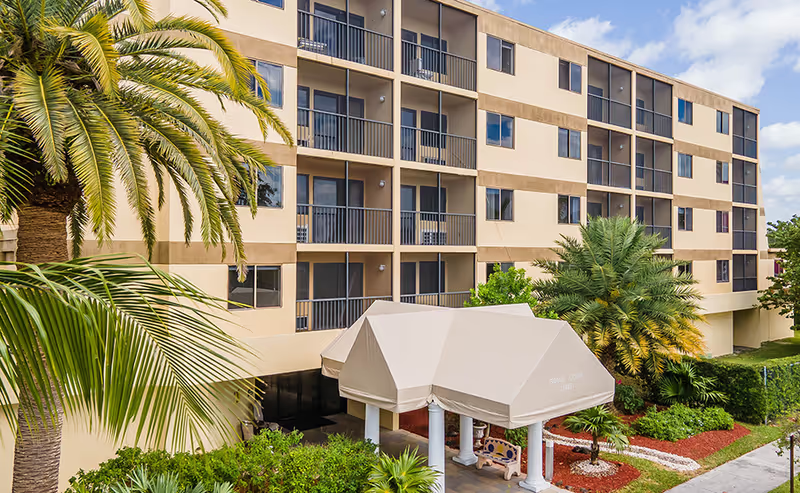
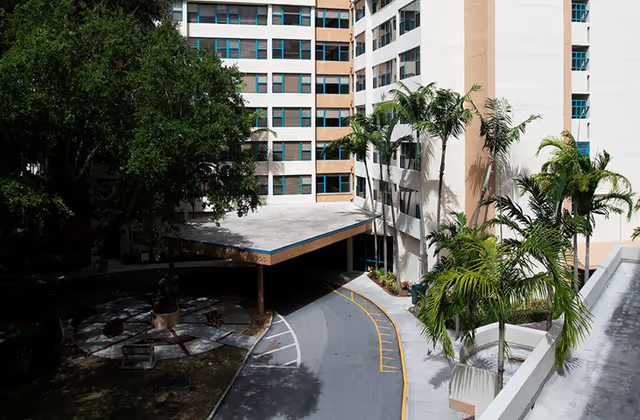
Facility infrastructure and safety present a mixed picture. Some reviewers praise well-maintained units and comfortable accommodations, while others describe aging furnishings, accessibility barriers (for example, outdoor spaces difficult for wheelchair users), overcrowding in some rooms, and limited evening clinical coverage. Several accounts point to gaps in overnight and weekend clinical oversight and inconsistent availability of on-site physicians or social-work staff, which can complicate timely escalation when a resident's condition changes. Security and visitor-safety measures are also noted as areas needing attention by some families.
Dining and activities are similarly mixed. Positive feedback highlights meaningful activities, a supportive activity director, and programming that benefits resident morale and mobility. Negative comments focus on inconsistent meal quality, instances of food being left at improper temperatures, and limited in-room entertainment options for some residents. Management and administration receive both praise and criticism: the admissions team and named leaders are credited with clear communication and supportive onboarding, while other reviewers describe perceptions of an uncaring administration and communication lapses with families and external providers.
For prospective residents and families: the dominant pattern is variability. Claridge House appears capable of providing high-quality, compassionate care and effective rehabilitation for many, but there are recurring operational weaknesses that have impacted other residents' experiences—particularly around sanitation, staffing consistency, medication/therapy administration, and facility maintenance. Visitors evaluating the facility should perform an in-person tour across different shifts, ask for current staffing ratios and on-call clinical coverage, request documentation of therapy schedules and billing practices, review the facility's pest-control and food-safety protocols, and speak with current families about responsiveness and communication practices. Verifying state inspection histories and any regulatory communications is also advisable when weighing placement decisions.