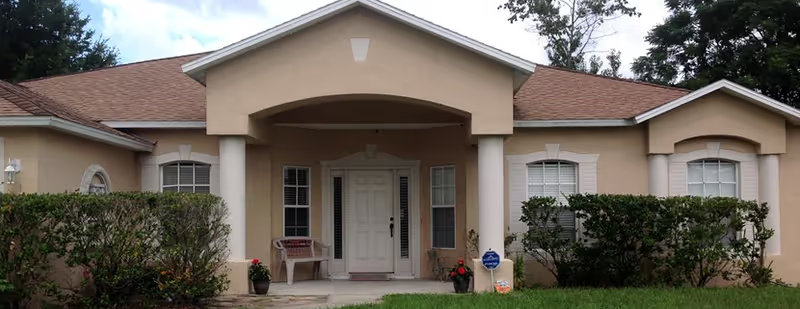
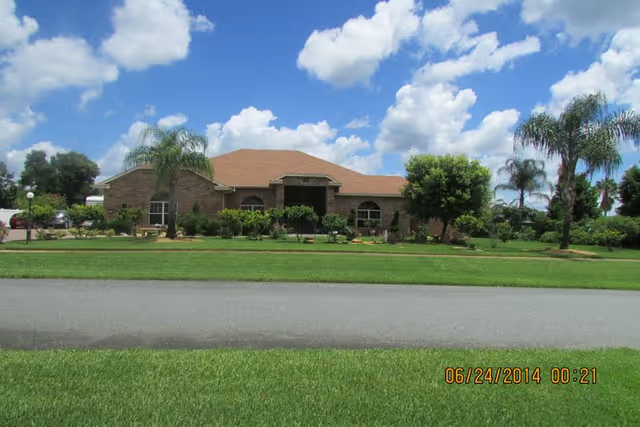
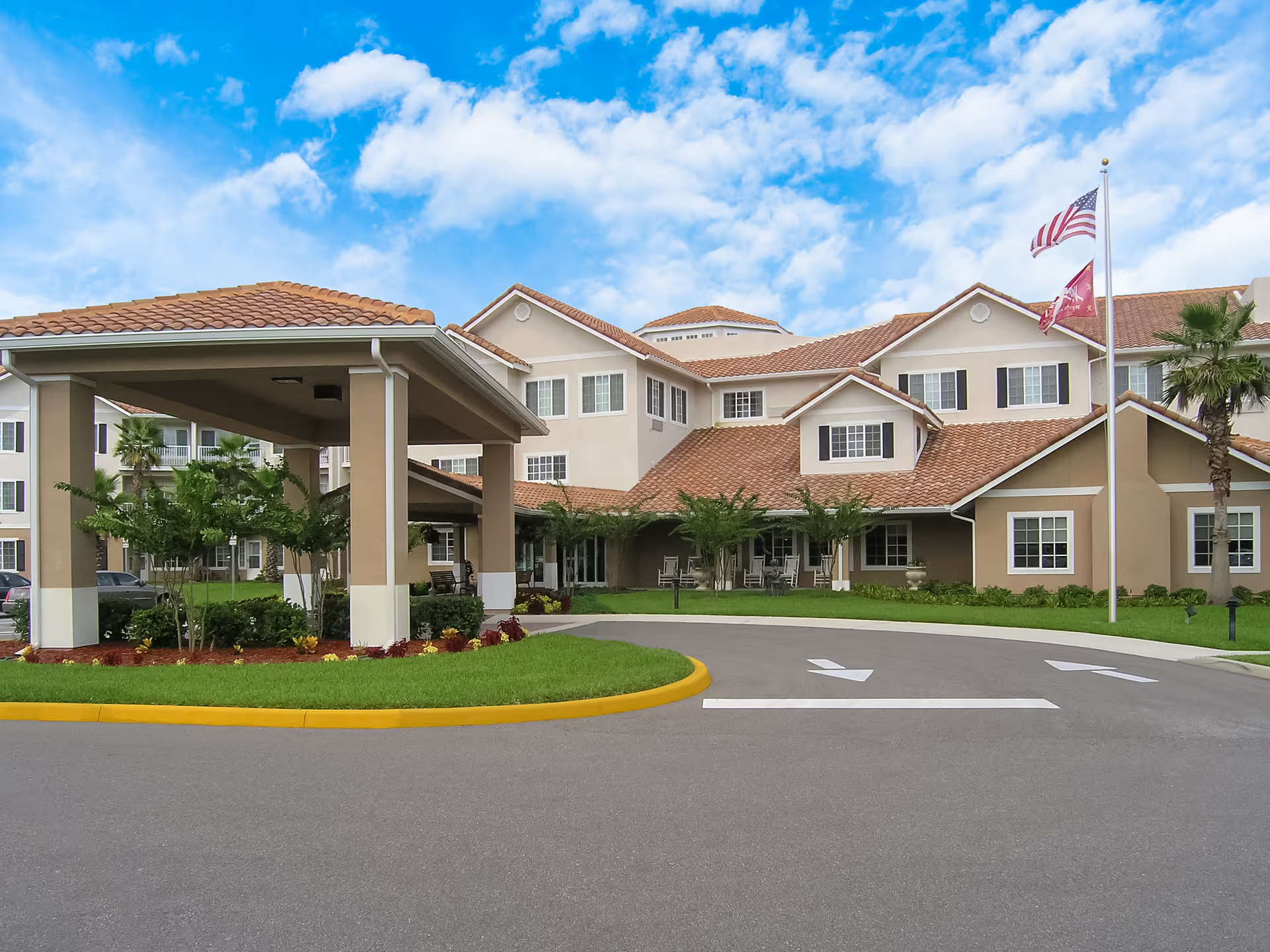
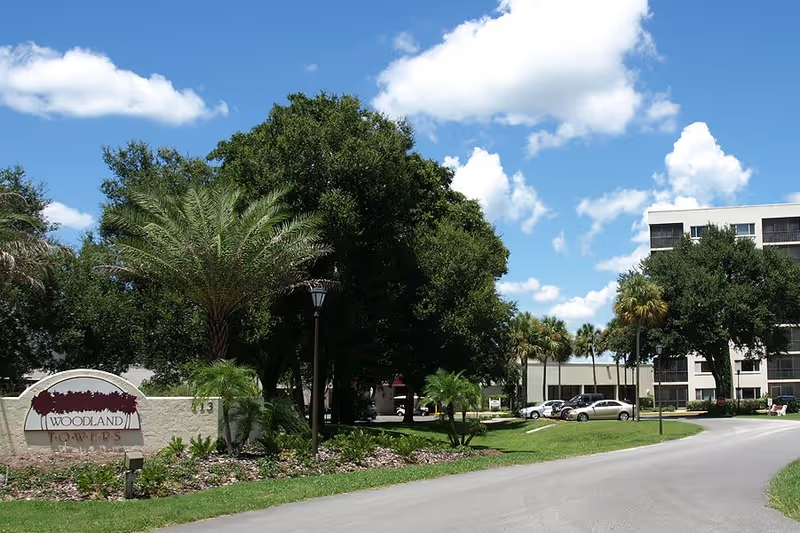
John Knox Village of Central Florida presents as a large, well-resourced continuing-care community with many strengths that appeal to prospective residents and families. The campus is consistently described as attractive, well maintained, and village-like, with multiple housing options (cottages, villas, duplexes), active landscaping, and a range of on-site conveniences such as a pharmacy, bank, salon, convenience store, theater, and multiple dining venues. The community advertises and maintains a full continuum of care—independent living through skilled nursing and memory care—supported by 24/7 nursing coverage, on-site physicians, and robust rehabilitation/therapy services. Its infrastructure and emergency planning are noted as resilient, including hurricane-ready operations and formal security measures.
Staff and admissions receive frequent praise for professionalism, compassion, and personalized assistance. Marketing and move-in staff are repeatedly described as low-pressure, thorough, and proactive in coordinating tours, dining previews, and transition logistics. Many families highlighted positive experiences with admissions counselors who facilitated move-in, advocated for residents, and provided ongoing support. Clinical teams and therapy staff are often credited with encouraging recovery, delivering rehabilitative progress, and providing resident-centered care.
Dining and activities are major selling points for the community: multiple restaurants, a dining-credit program that allows flexibility across venues, frequent events, live entertainment, dances, outings, and an expansive activity schedule are emphasized. Many reviewers praise healthy, diverse menus and restaurant-style dining. At the same time, a recurring pattern is variability in food quality and presentation; several reviewers noted diminished taste, reduced menu variety, or an institutional feel at times. Prospective residents should sample meals and ask about current menu cycles during a visit.
Despite many positive comments about care and amenities, several operational concerns appear across reviews. There are recurring accounts of inconsistent staffing levels and occasional staff distraction during shifts, which reviewers linked to delays in basic care tasks and safety events. Relatedly, some families described gaps in clinical responsiveness and communication from the nurse station during urgent situations, and a few described slow escalation when hospital transfers were needed. These narratives suggest the need to clarify on-site clinical escalation protocols, handoff procedures, and family notification practices before committing.
Other notable patterns relate to security, access, and availability. A number of reviewers criticized the visitor-access and delivery procedures as restrictive or cumbersome; formal security controls are appreciated by some for safety but can complicate family visits and deliveries. There are also serious concerns about asset security, with allegations of missing money and jewelry raised by at least one family; this raises the importance of understanding the facility’s inventory, storage, and incident investigation policies. Additionally, waitlists for popular unit types were cited as long (multi-year in some cases), and pricing is described as high though many residents and families feel the services justify the cost.
Overall, John Knox Village offers a comprehensive, amenity-rich environment with many aspects that families find reassuring—professional staff, on-site medical and therapy services, active programming, and extensive campus amenities. Prospective residents should balance those strengths against operational considerations: ask for current staffing ratios, incident and escalation protocols, asset-security procedures, visitor-access rules, and recent dining menus; arranging multiple visits including a meal and talking with current residents can help assess whether the community’s scale, service consistency, and culture align with the resident’s needs and priorities.