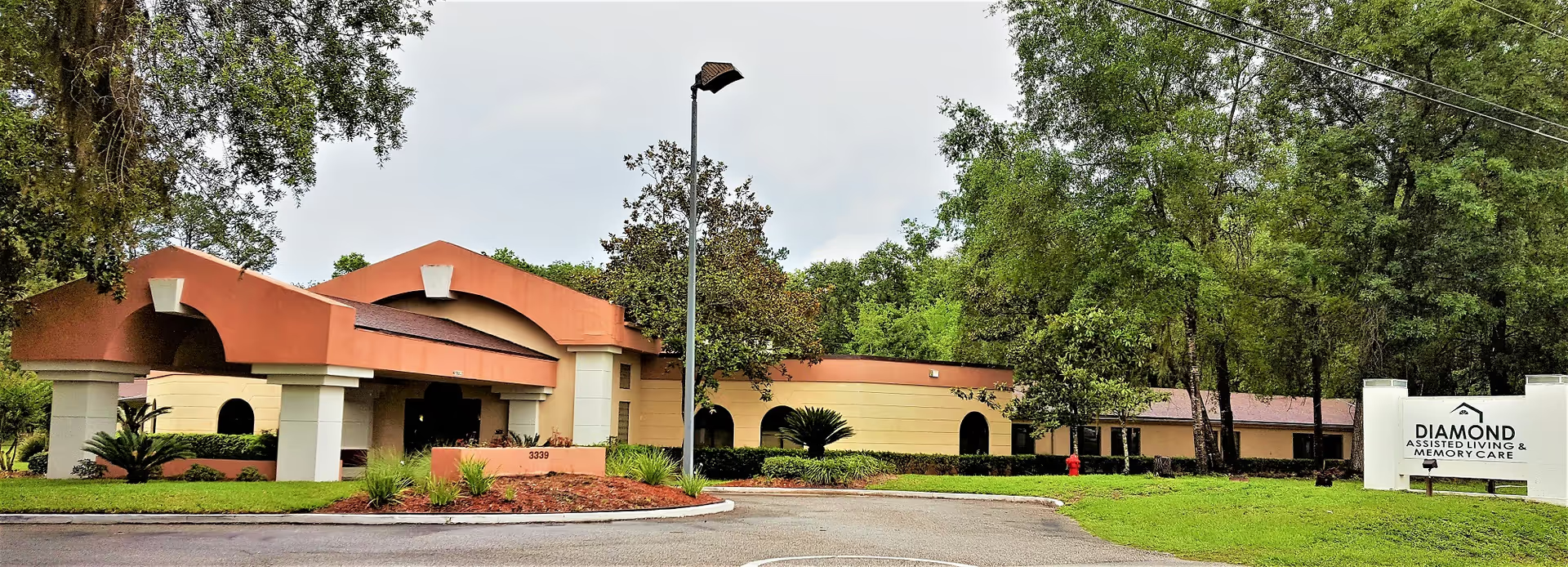
Isle Health and Rehab Center elicits strongly polarized experiences: many families and patients praise its rehabilitation capabilities, therapeutic resources, and warm activity programming, while other accounts describe operational and clinical inconsistencies that materially affect care. The facility's therapy department — including well-equipped gyms and attentive PT/OT teams — is a recurring strength, and numerous reviewers credit the therapy program with rapid functional gains. Admissions and discharge processes are frequently described as efficient and supportive, and several staff roles (concierge, discharge planner, activity director) are singled out for proactive coordination and family communication.
Direct care staff receive mixed but often positive comments. A substantial portion of reviews highlight compassionate, attentive nurses and CNAs who provide individualized care and emotional support. At the same time, there is a clear pattern of variability in staffing levels and responsiveness: families report slow nurse/CNA response times at certain shifts, inconsistent medication administration timing, and occasional lapses in clinical follow-up. These operational weaknesses appear to correlate with staffing turnover and periods of understaffing; prospective families should inquire about current nurse-to-resident ratios, weekend and night coverage, and on-call medical availability.
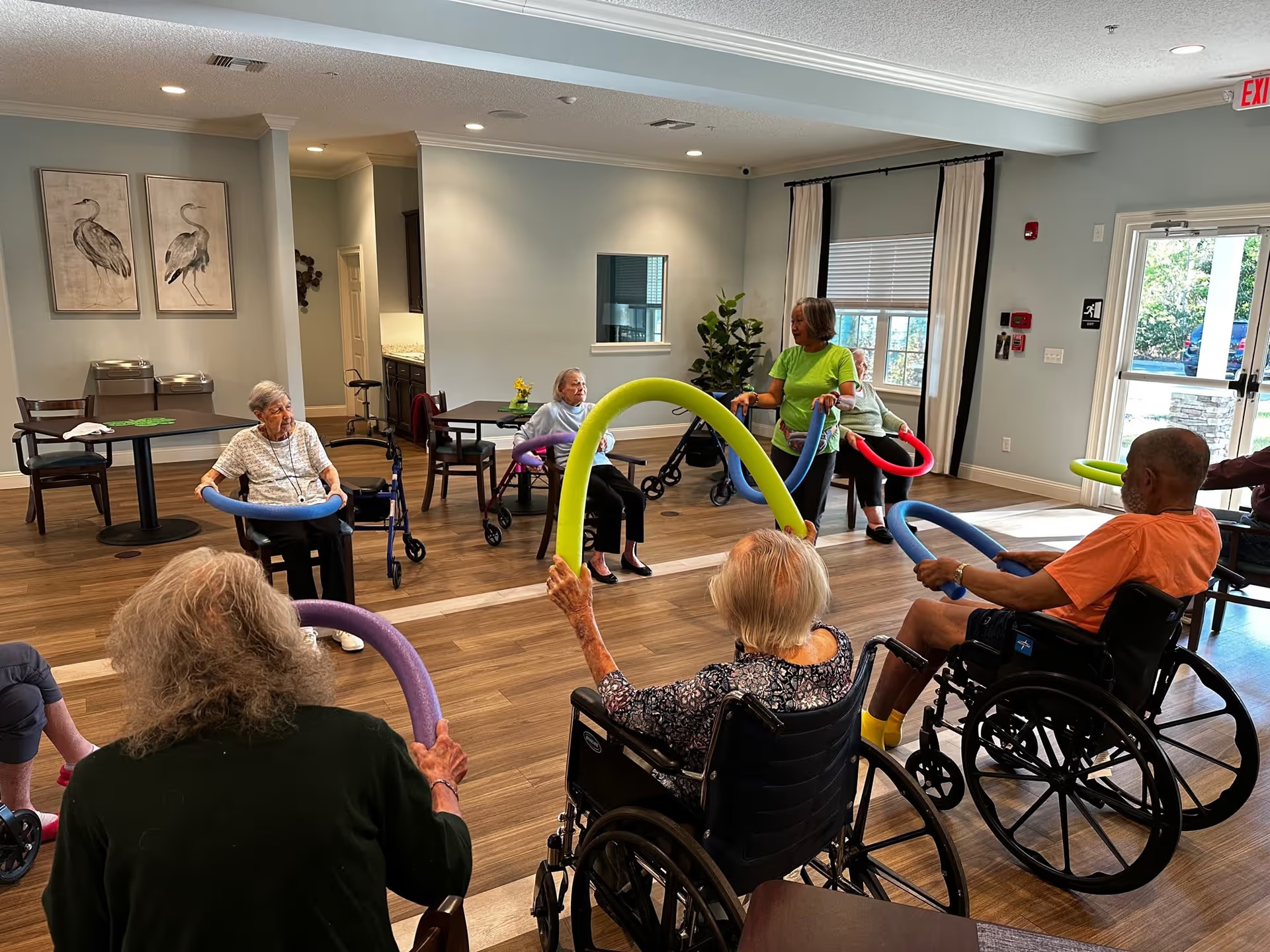
Dining and activities are notable drivers of resident satisfaction. The facility offers personalized dietary planning and meal substitutions, and several reviewers commend the variety and quality of food and beverage availability. The activities department — particularly the animal-assisted program and themed social events — is repeatedly cited as improving resident mood and engagement. However, dining quality is inconsistent across reports; some families note limited healthy options, delayed tray service, and variability in portioning or presentation.
Facility condition and safety items are similarly mixed. Many reviewers describe clean, updated public spaces and comfortable rooms with pleasant views, whereas others identify sanitation issues, odor concerns in common areas, and pest-control problems. Safety-related themes include the presence of fall-prevention equipment and proactive supervision in many instances, but additional reports indicate inconsistent application of safety protocols, challenges with room assignments that create cramped conditions, and delays in arranging emergency transfers or specialist follow-up. These are operational patterns rather than single events and suggest the need to confirm specific safety procedures during a tour.
Management and administrative practices present a dichotomy: admissions, discharge planning, and certain administrative staff receive strong praise for helpfulness and coordination, yet other families describe inconsistent communication from management, abrupt billing demands, lost personal items, and laundry errors. Several reviewers reference staff turnover after ownership changes, and a few mention regulatory scrutiny or serious medication-related concerns; such items warrant direct inquiry and review of current inspection records.
In summary, Isle Health and Rehab Center demonstrates clear strengths in rehabilitation services, activity programming (especially animal-assisted activities), and pockets of highly compassionate direct-care staff. However, persistent themes of inconsistent staffing, medication administration, sanitation control, and administrative communication suggest variability in the resident experience. Prospective residents and families should supplement a facility tour with targeted questions about staffing patterns, medication-safety protocols, pest-control and housekeeping practices, emergency transfer procedures, property and laundry policies, and current quality/inspection reports to assess whether the facility's strengths align with their care priorities.