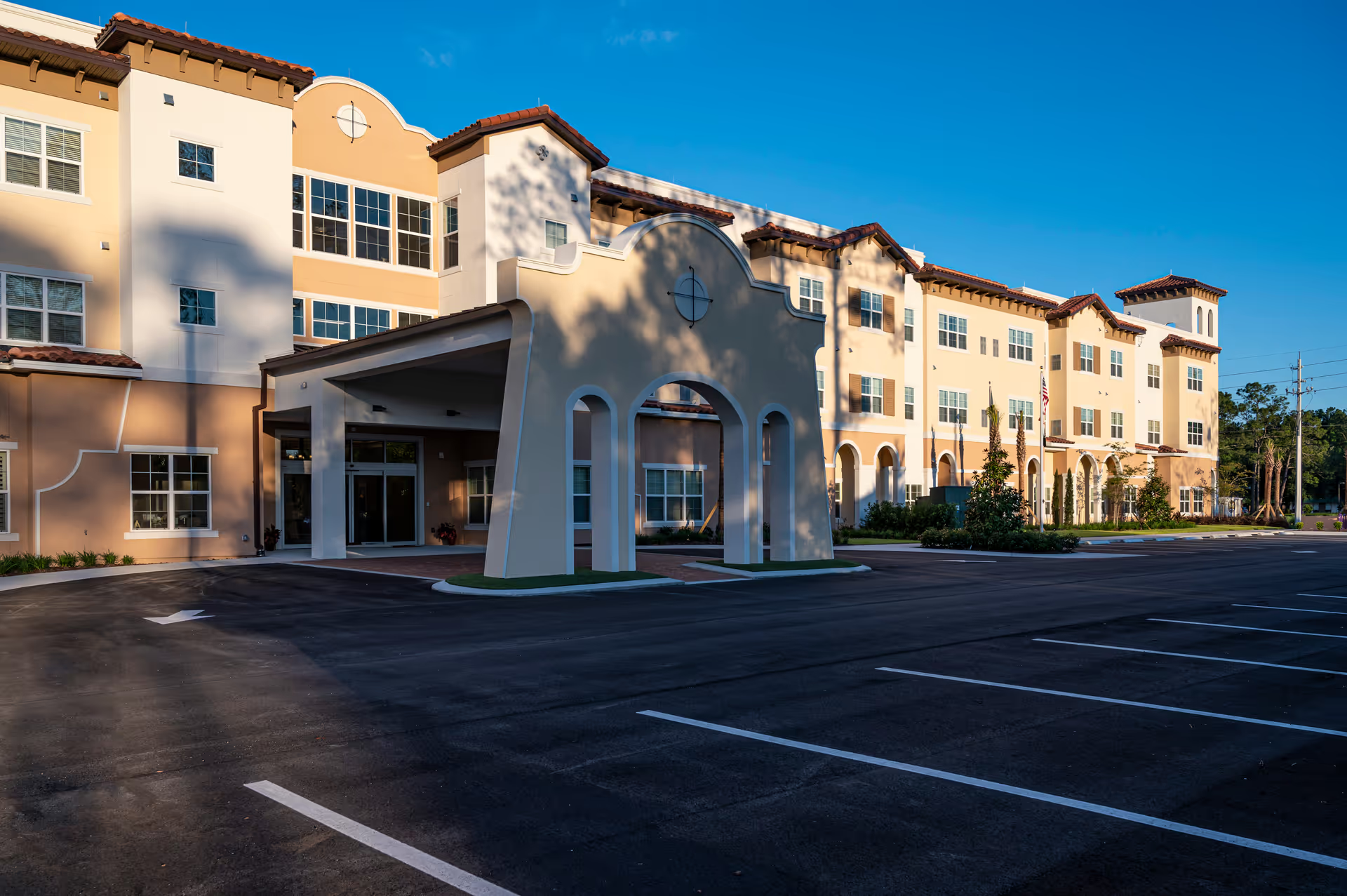
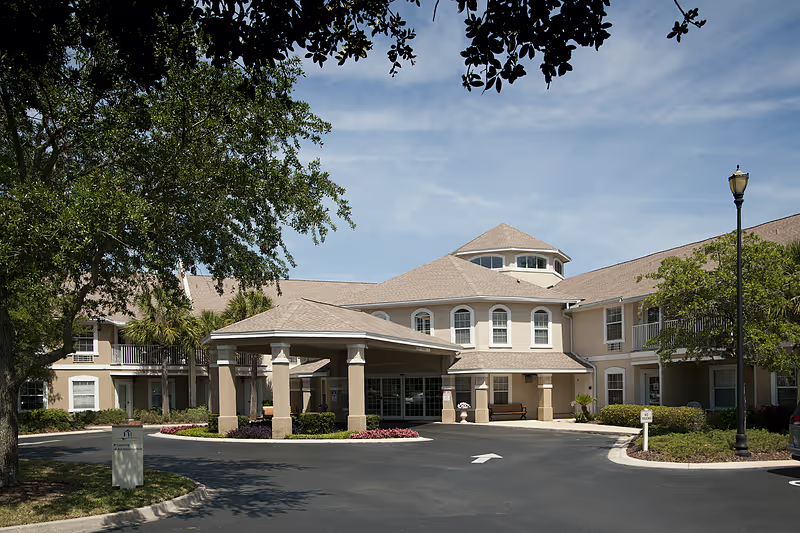
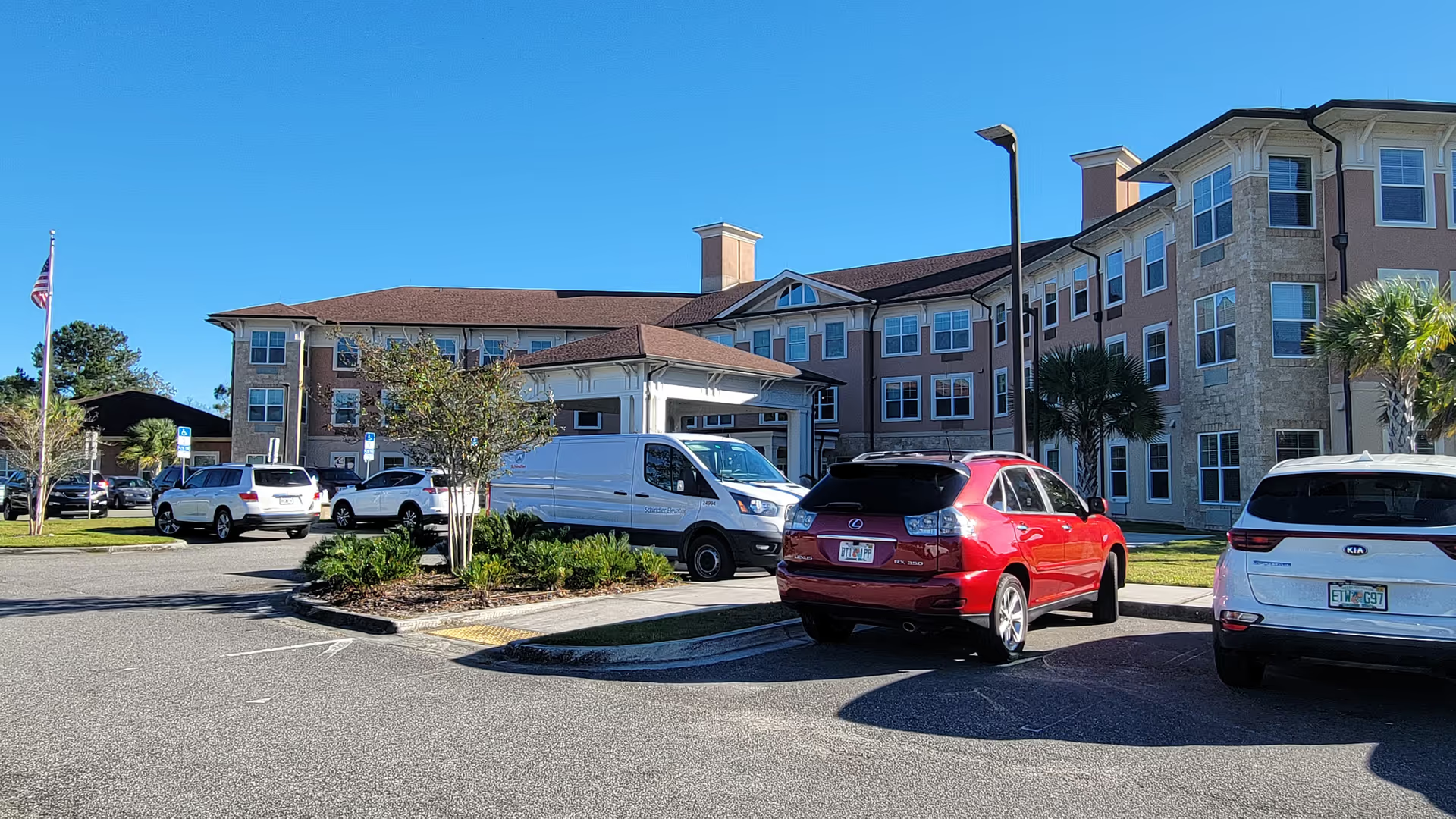
Overall impressions are mixed, with consistent strengths in rehabilitation, facility cleanliness, and certain staff members, alongside recurring operational weaknesses that affect continuity of care. The facility is frequently described as clean and well maintained, with attractive common areas, security, and a variety of activities. Physical and occupational therapy services are repeatedly identified as a strong point; families and patients report good rehab outcomes and attentive therapists in many cases. Administrative and front-desk staff are often characterized as responsive and helpful, and several reviewers singled out individual caregivers and therapists for excellent, personalized attention.
Care quality shows variability tied to staffing and shift patterns. Positive accounts describe compassionate, attentive nursing assistants and timely clinical care, while negative accounts emphasize slow responses to call bells, inconsistent personal-care schedules, and caregivers who appear overextended. There are repeated concerns about medication management and pharmacy coordination, including missed or delayed administrations and related communication gaps. Reviewers also described instances suggesting weaknesses in clinical monitoring and transfer procedures — for example, inconsistent vital-sign checks prior to transport and uneven adherence to physician orders — which indicate areas where protocol reinforcement may be needed.
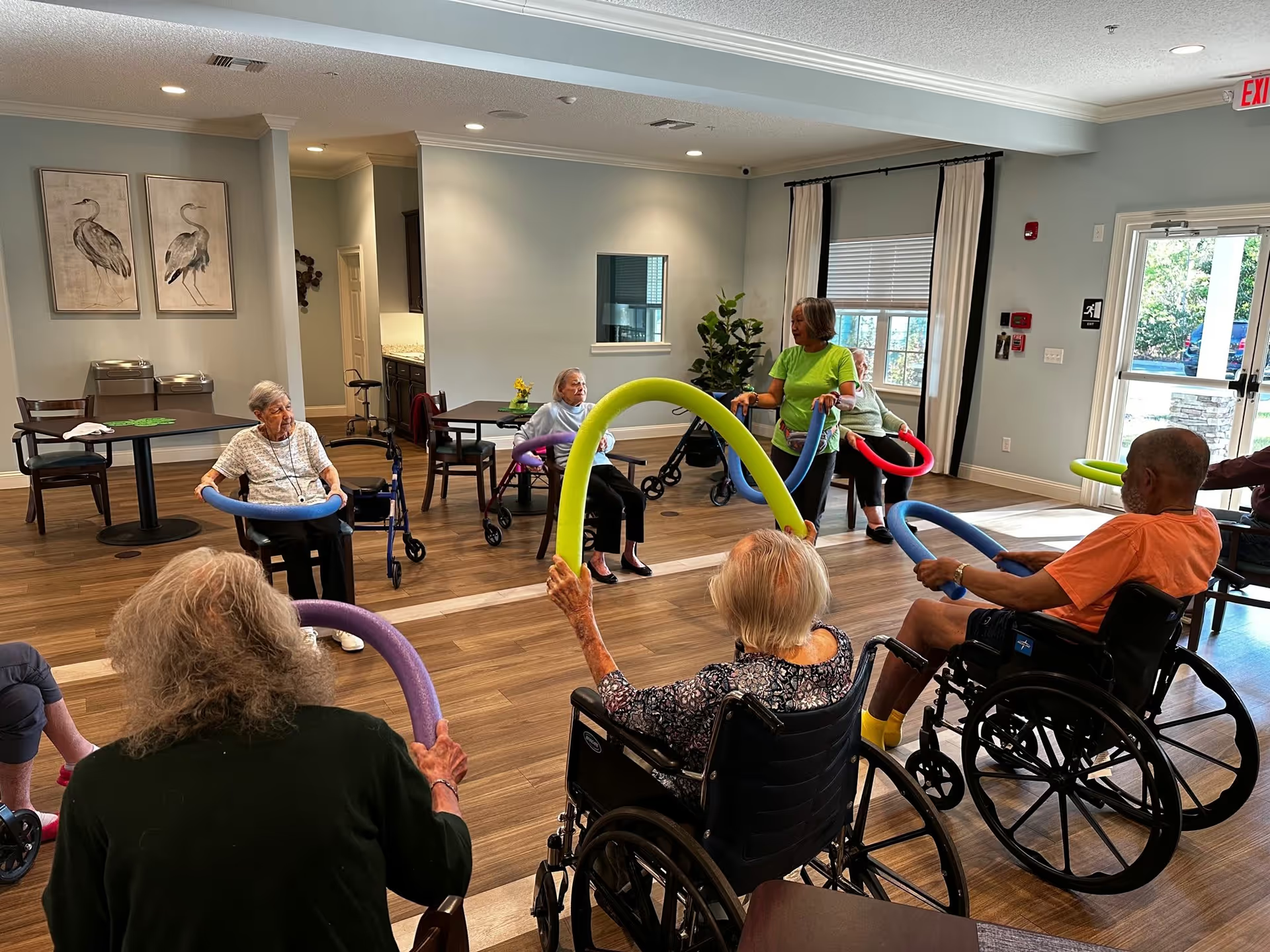
Dining and dietary services elicit mixed feedback. Some families praise varied meal choices and accommodating dietary staff; others note inconsistent meal temperature, incomplete tray setup, and occasional failures to follow dietary instructions. These issues appear linked in several accounts to staffing levels in the kitchen and dining assistance during meals. Activity programming is generally viewed as a positive element of daily life at the center, with an active schedule and engaged staff; however, assistance to attend activities for less-mobile residents is sometimes limited by staffing constraints.
Facility operations and management present a contrast. Many families found administrative staff approachable and responsive, and some reviewers described measurable improvements after management changes. Conversely, other families experienced difficulty contacting management, delayed notifications about hospital transfers, and problems with lost belongings. Privacy and consent practices were also flagged in multiple accounts — for example, inconsistent control of who is present during exams or personal care — suggesting the need for clearer, consistently enforced protocols.
Notable patterns for prospective residents and families: the facility offers strong rehabilitation services, a clean environment, and committed individual staff members who can provide high-quality care. At the same time, several operational traits — inconsistent staffing, uneven responsiveness during off shifts, medication and pharmacy coordination gaps, and variability in personal-care and privacy practices — have been linked to adverse experiences. Families considering this facility should inquire specifically about staffing levels on the intended unit and shifts, protocols for call-bell response and clinical monitoring, medication/pharmacy workflows, activity-assistance availability, and privacy/consent policies. Observing meal service and visiting during an evening or weekend shift can also help assess how consistently the facility delivers care across different times of day.