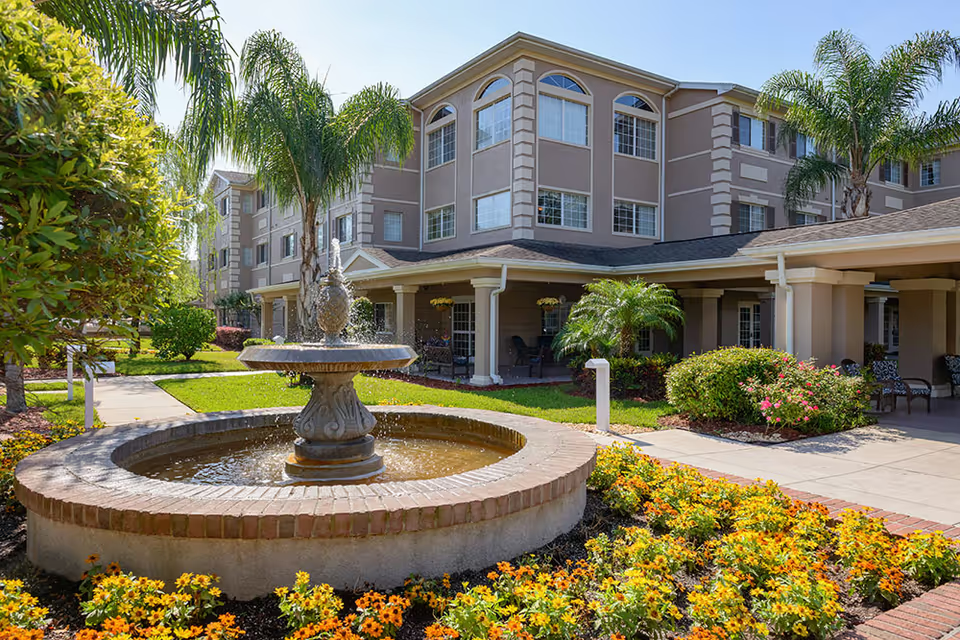
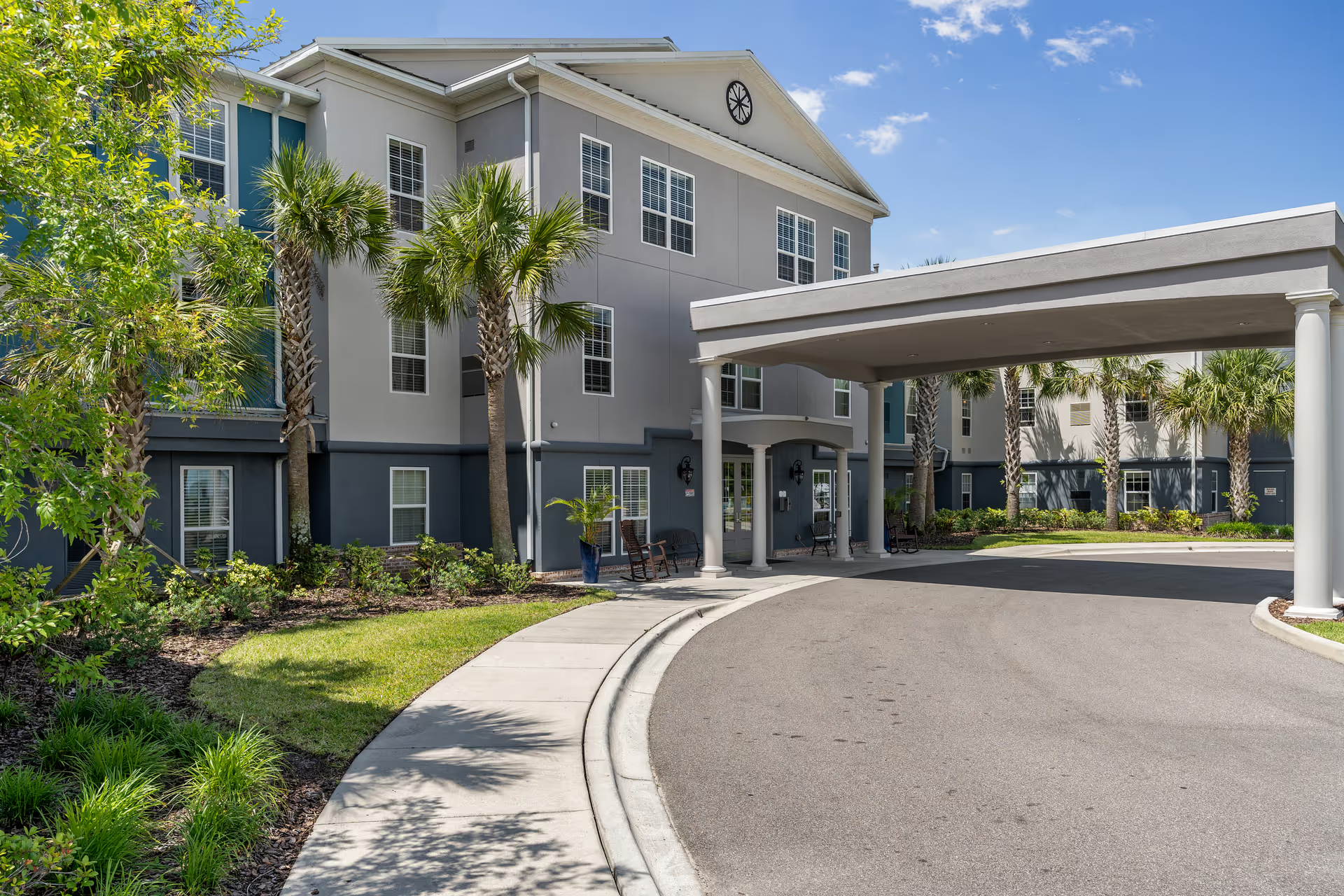
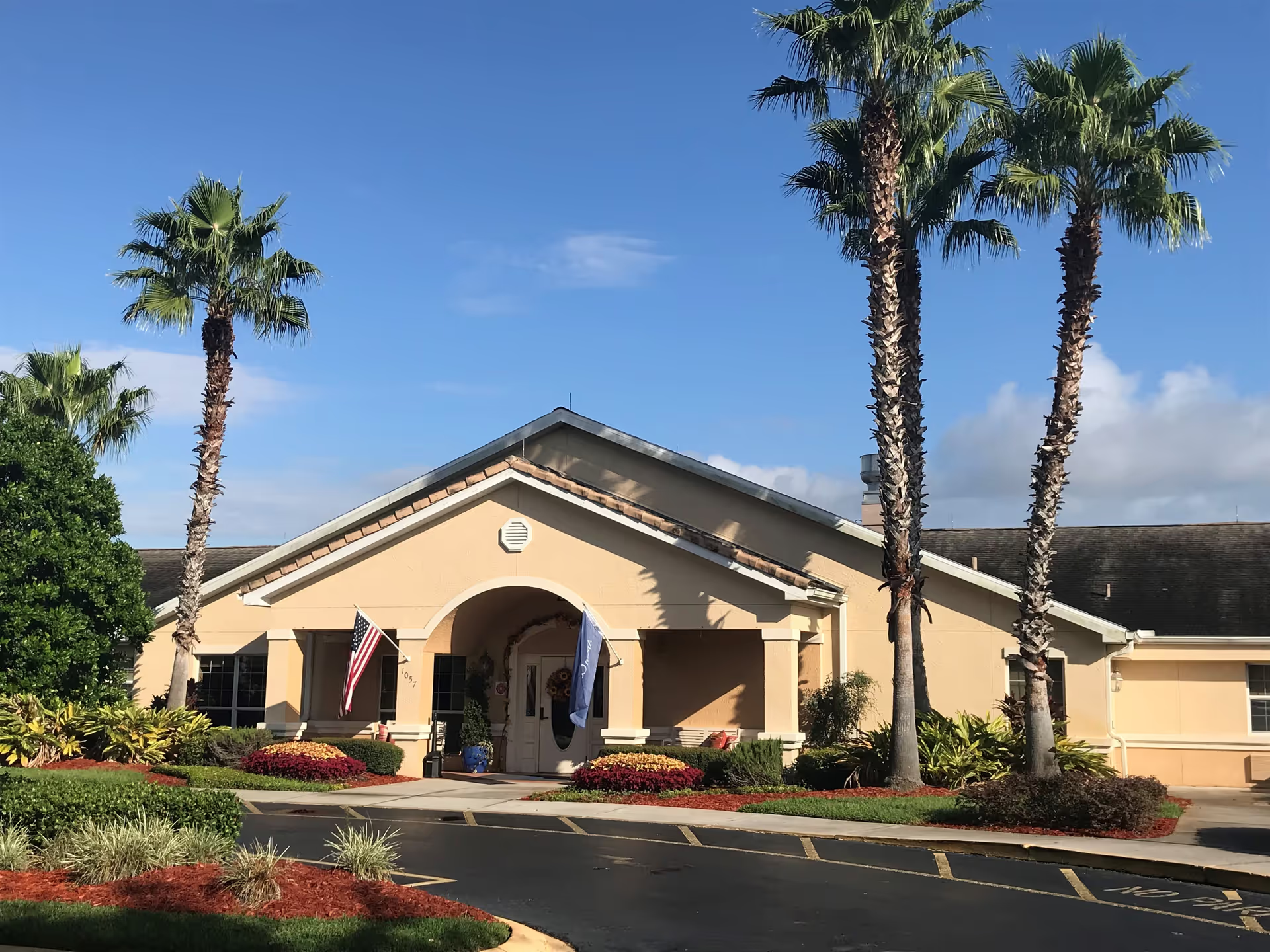
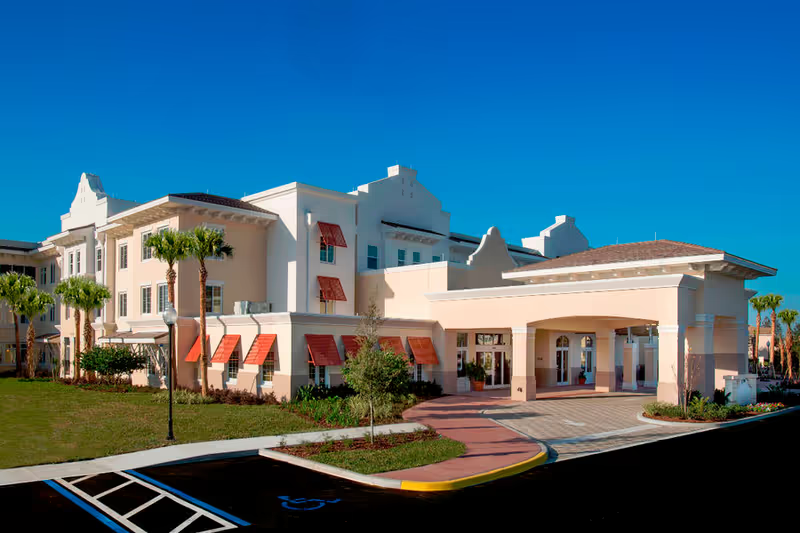
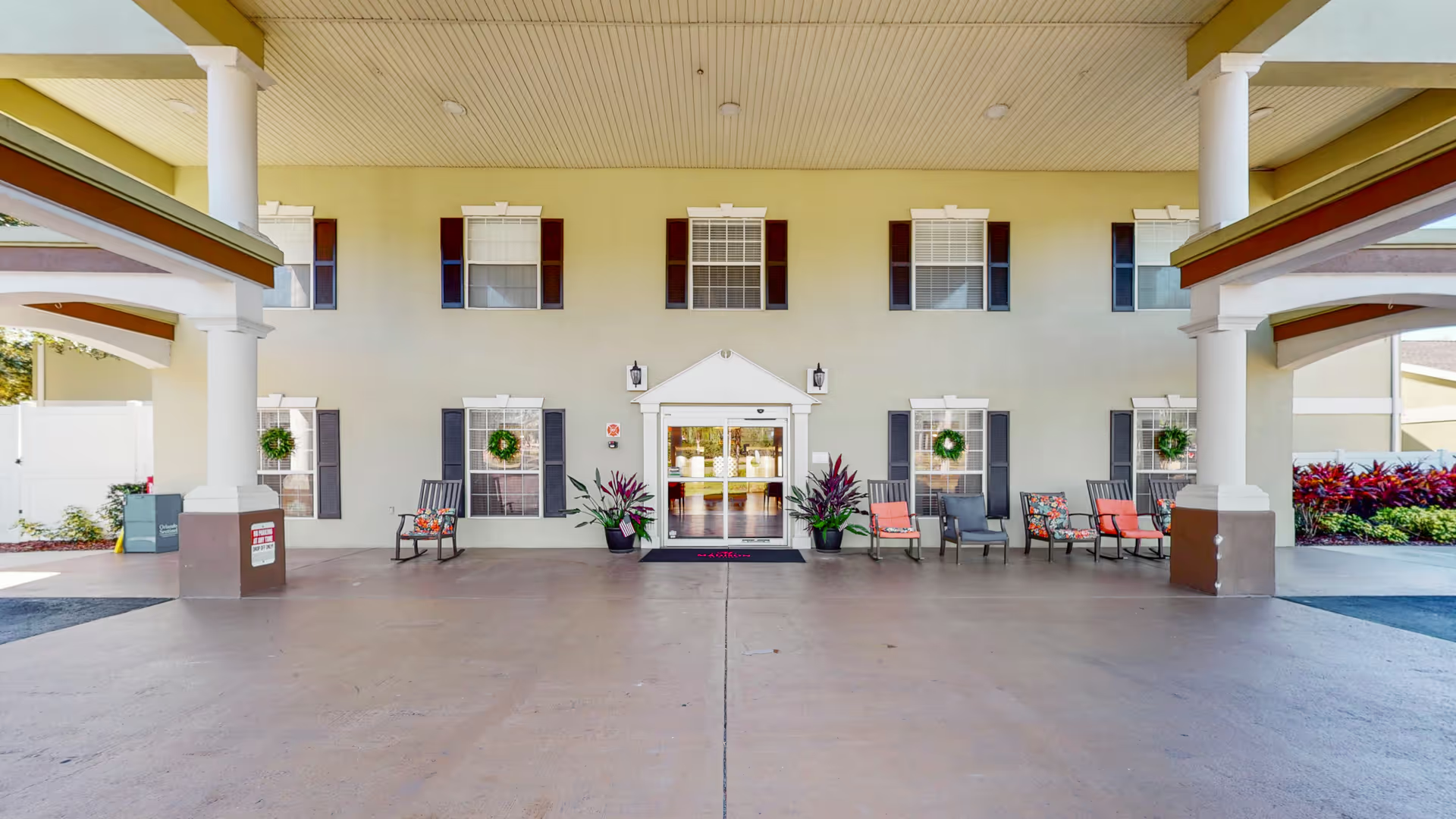
The reviews present a polarized but informative picture of Palm Garden of Orlando. Many families and residents praise the facility for its compassionate bedside staff, extensive rehabilitation services, and active life‑enrichment program. Several reviewers described the environment as clean, well maintained and resort‑like, with attractive grounds, modern sign‑in procedures, and a range of amenities such as a salon, chapel, gym and a formal dining area. The therapy department, wound‑care coverage, and social services receive frequent commendation for facilitating strong hospital‑to‑rehab transitions and measurable functional gains.
Care and clinical oversight show both strengths and variability. Positive accounts emphasize attentive CNAs, skilled therapists, and available wound‑care nursing. However, a pattern of clinical concerns appears in other accounts: missed or delayed medications, incomplete charting at shift change, late recognition of developing complications, and transfers to hospital for acute issues. A limited number of reviews describe serious individual incidents and concerns following a resident's death; these accounts raise questions about clinical escalation and handoff processes. The facility's rehabilitation resources and therapy equipment are consistently highlighted as strong points, while acute‑care readiness and medication administration practices are areas cited for improvement.
Staffing and management present a mixed profile. Long‑tenured staff and a stable administrative presence are described as calming and helpful by many families; specific staff and leaders are named positively for personalized attention. Conversely, reviewers describe inconsistent staffing coverage at nights and weekends, delays in responding to call signals, and variability in staff conduct and attentiveness across shifts. Communication shortfalls are a recurrent theme: families cite difficulty reaching clinicians by phone, long hold times, and uneven responsiveness from leadership when clinical questions or billing concerns arise. Several reviewers noted positive admissions and concierge interactions, indicating strength in the intake process alongside concerns about ongoing operational communication.
Dining, activities, and amenities are frequently noted as strengths of the resident experience. The life‑enrichment program is repeatedly praised for its variety and seasonal programming, and many residents report meaningful social engagement. Dining experiences are mixed: some describe varied, high‑quality meals, while others point to cold or unappealing plates and inconsistent portioning. Salon services, gathering spaces, and the chapel are appreciated, though some families mentioned ancillary costs (for example, salon pricing) and suggested clearer information about fees.
Facilities and infection control receive largely positive comments about appearance and cleanliness, but several reviewers raised sanitation and infection‑control concerns in practice. While many visitors noted a pleasant, odor‑free entry and well‑kept rooms, others reported hygiene process gaps, inconsistent use of protective practices, and perceived risks related to infection control. These contrasting impressions suggest that while housekeeping and maintenance standards are visible and generally high, operational adherence to clinical‑sanitation protocols may be inconsistent across units or shifts.
Notable patterns for families considering Palm Garden are the facility's strength in rehabilitation, activities, and an engaging campus environment versus recurrent operational weaknesses related to off‑shift staffing, clinical handoffs, and communication. Prospective residents and families would benefit from targeted questions during a tour: clarify night and weekend staffing ratios, ask about medication‑administration safeguards and recent clinical outcomes, review infection‑control protocols and wound‑care coverage, and obtain clear billing and Medicaid processing timelines. Meeting the unit nurse manager and therapy staff, and requesting written communication expectations, can help set clearer expectations and identify whether the facility's strengths align with the prospective resident's clinical and social needs.