The reviews present a mixed picture: rehabilitation and therapy services are described positively, but several operational and communication issues are raised that could affect day-to-day resident experience. Families highlighted strong therapy outcomes, while also citing persistent problems with staffing, medication processes, meal service, and management responsiveness.
Care quality and clinical processes: Therapy and rehabilitation appear to be a clear strength of the facility; reviewers describe effective therapy interventions. However, there are concerns about medication administration practices and related documentation. These descriptions suggest potential gaps in medication management workflows and in the tone used by some clinical staff when interacting about clinical matters. Prospective families should verify medication-administration protocols, documentation practices, and incident/incident-response procedures when evaluating the facility.
Staffing and resident response: Multiple comments indicate staffing levels that result in delayed responses to call lights and routine needs. Delayed response times can affect perceived safety and comfort; this pattern also ties into concerns about staff communication and conduct. Ask about typical staff-to-resident ratios on relevant shifts, staff turnover, and how the facility audits response-time performance.
Dining and nutrition: The most consistent operational concern is inconsistent meal service, including missing items or substitutions that are not communicated in advance. This points to weaknesses in kitchen operations or supply-chain continuity rather than isolated menu quality. Families should inquire about meal schedules, menu posting, accommodations for dietary needs, and how missed or substituted items are handled and documented.
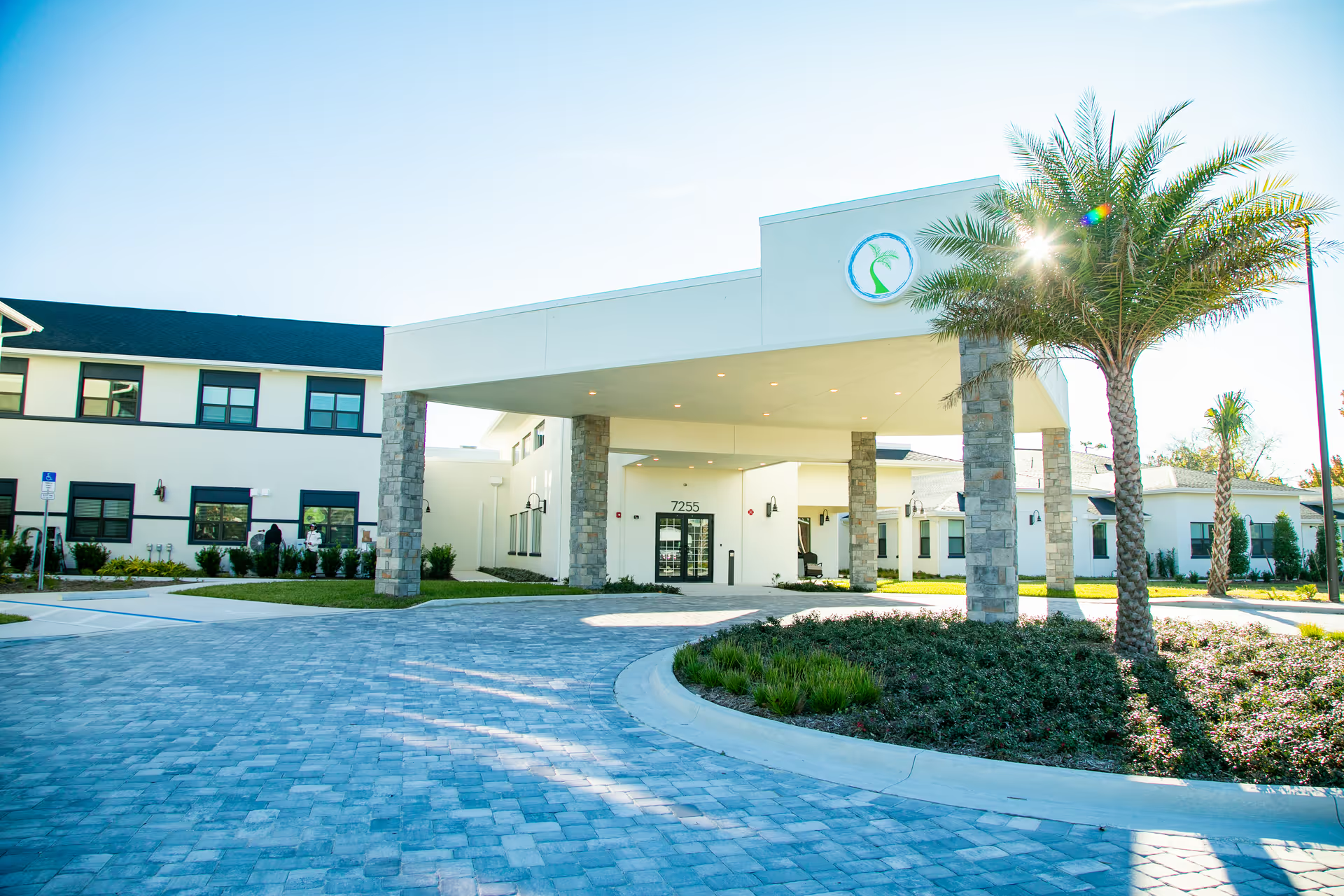
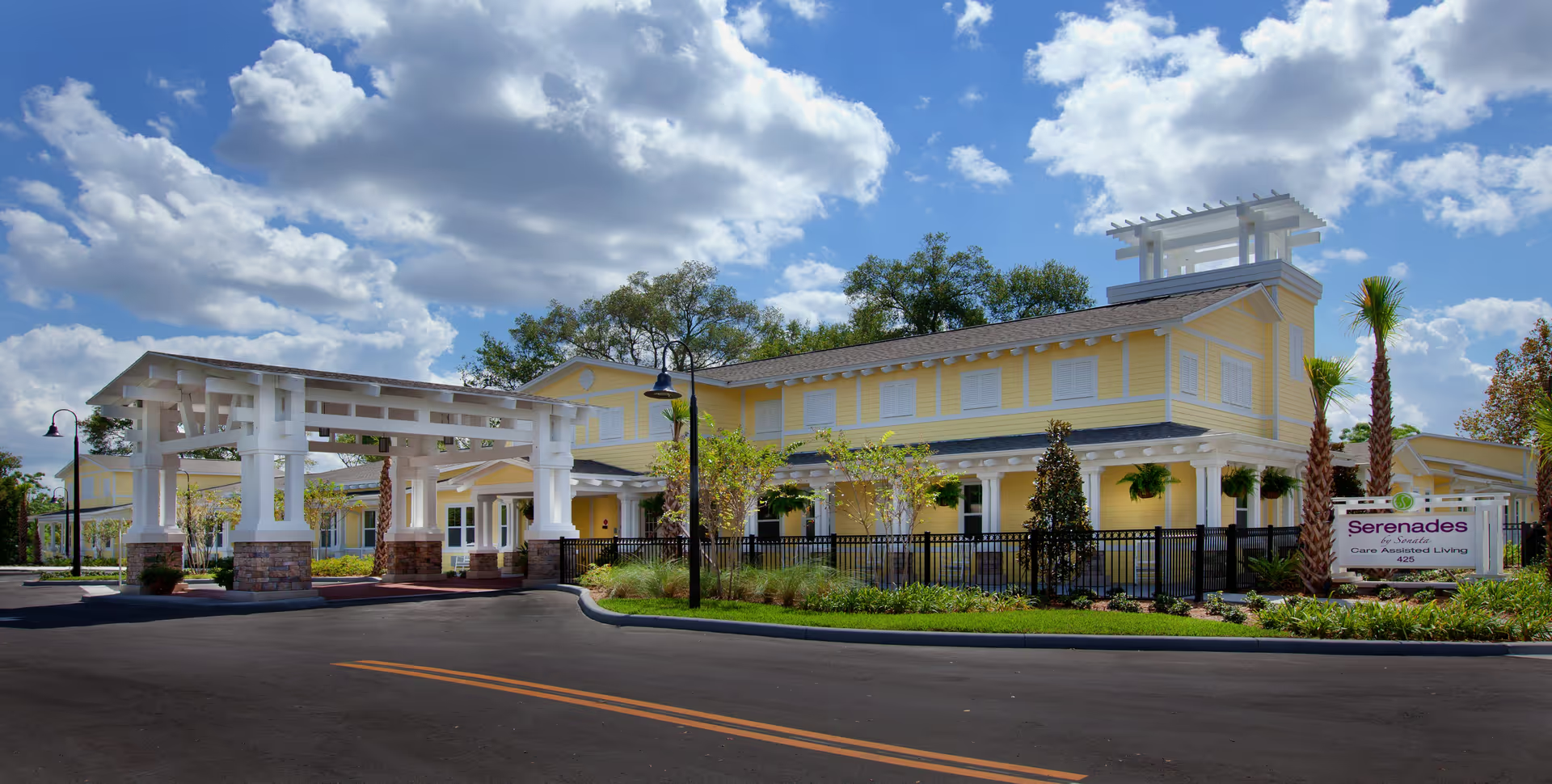
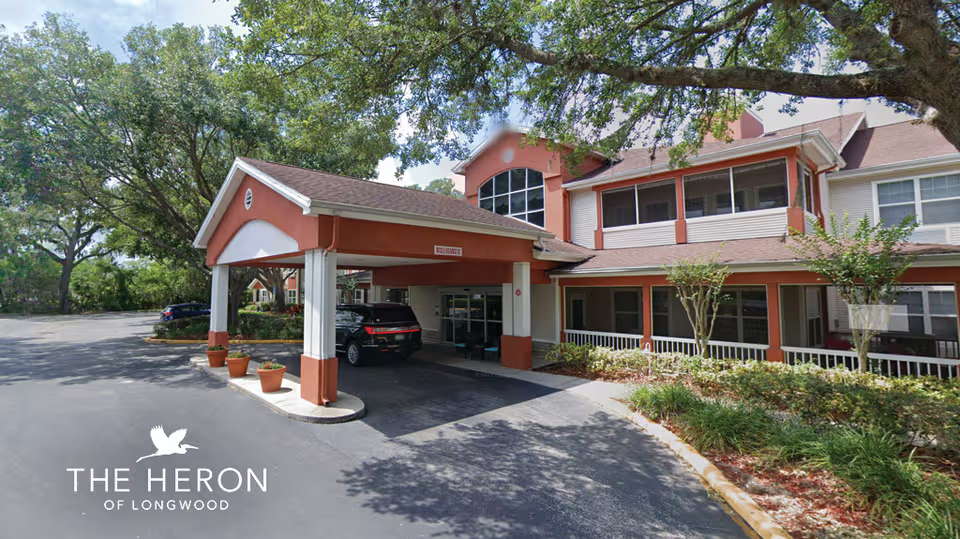
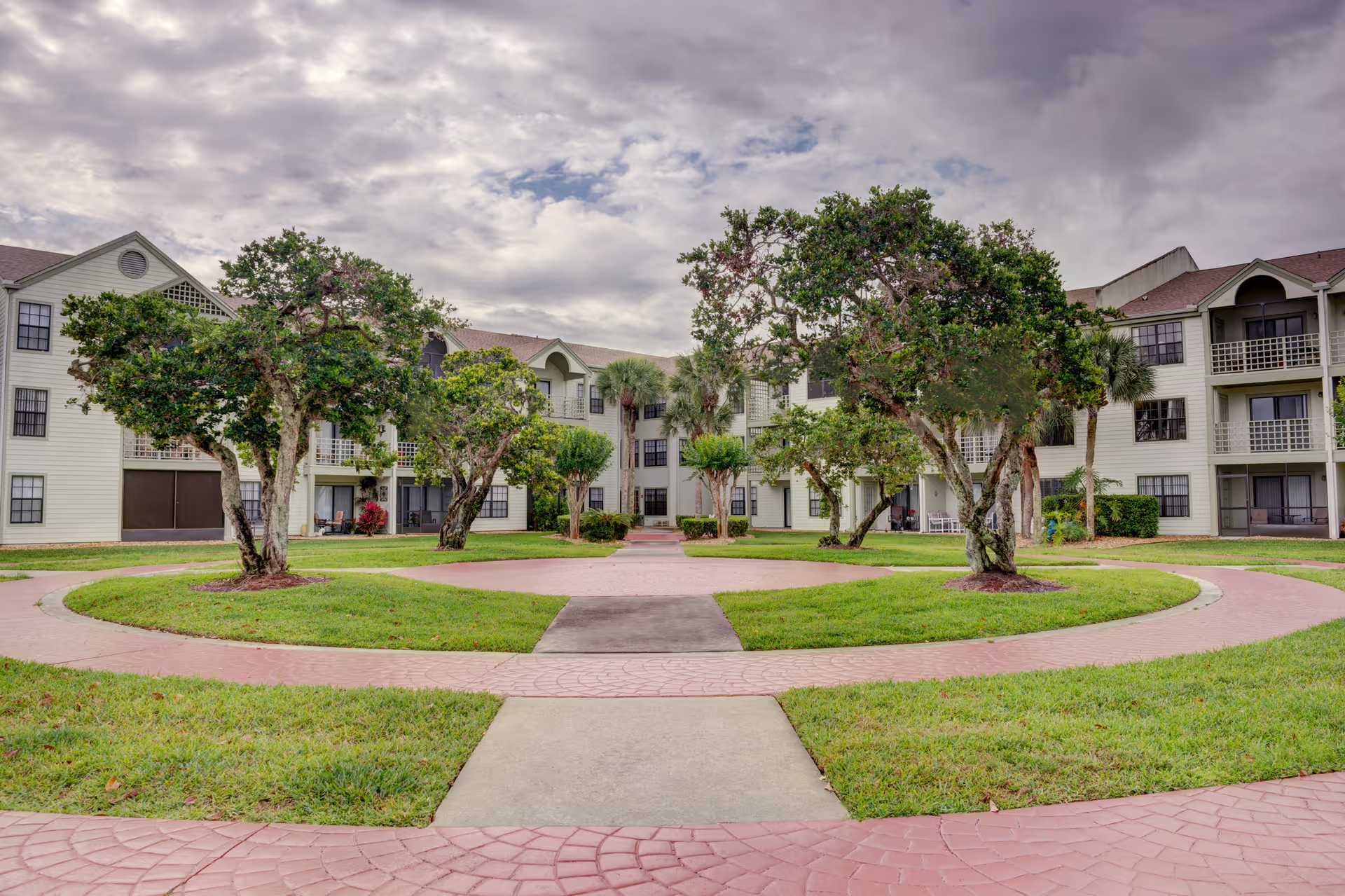
Activities and facilities: The reviews provide little specific information about activities programming or the physical environment. Because these areas are not well described, an on-site visit to observe common spaces, daily activities, and the general upkeep of the building is advisable. Ask for an activities calendar and examples of recent resident events to assess fit with a prospective resident’s interests.
Management, communication, and financial interactions: Several reviews describe difficulty reaching leadership (including the Director of Nursing), broken or full voicemail lines, conflicting information from staff, and dissatisfaction with billing or alleged outstanding balances. These issues indicate problems with family communication channels, escalation pathways, and financial-transparency processes. In one account there are allegations related to billing and overall trustworthiness; prospective residents should request written contact procedures, escalation policies, and copies of billing statements and advance directives to confirm clarity.
Overall pattern and recommendations: In summary, the facility demonstrates a clear strength in therapy services but shows recurring operational weaknesses that may affect everyday living—particularly staffing responsiveness, medication-administration oversight, meal-service reliability, and leadership communication. Families considering placement should (1) observe a therapy session, (2) review medication and incident protocols, (3) sample or review meal procedures and menus, (4) request staffing schedules and turnover data, and (5) confirm reliable points of contact and written financial policies. Checking state inspection reports and speaking with current residents’ families can provide additional objective context before making a placement decision.