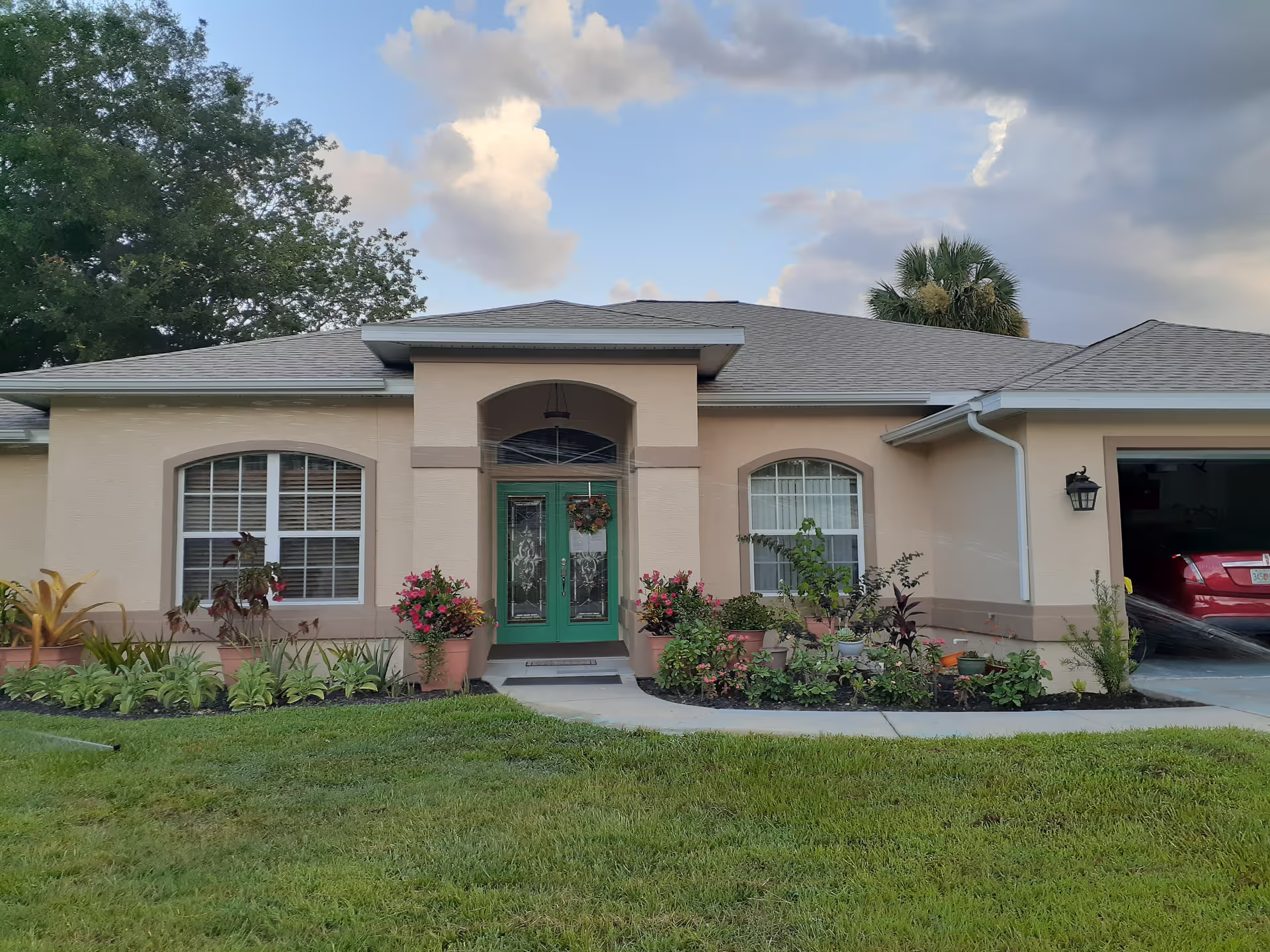
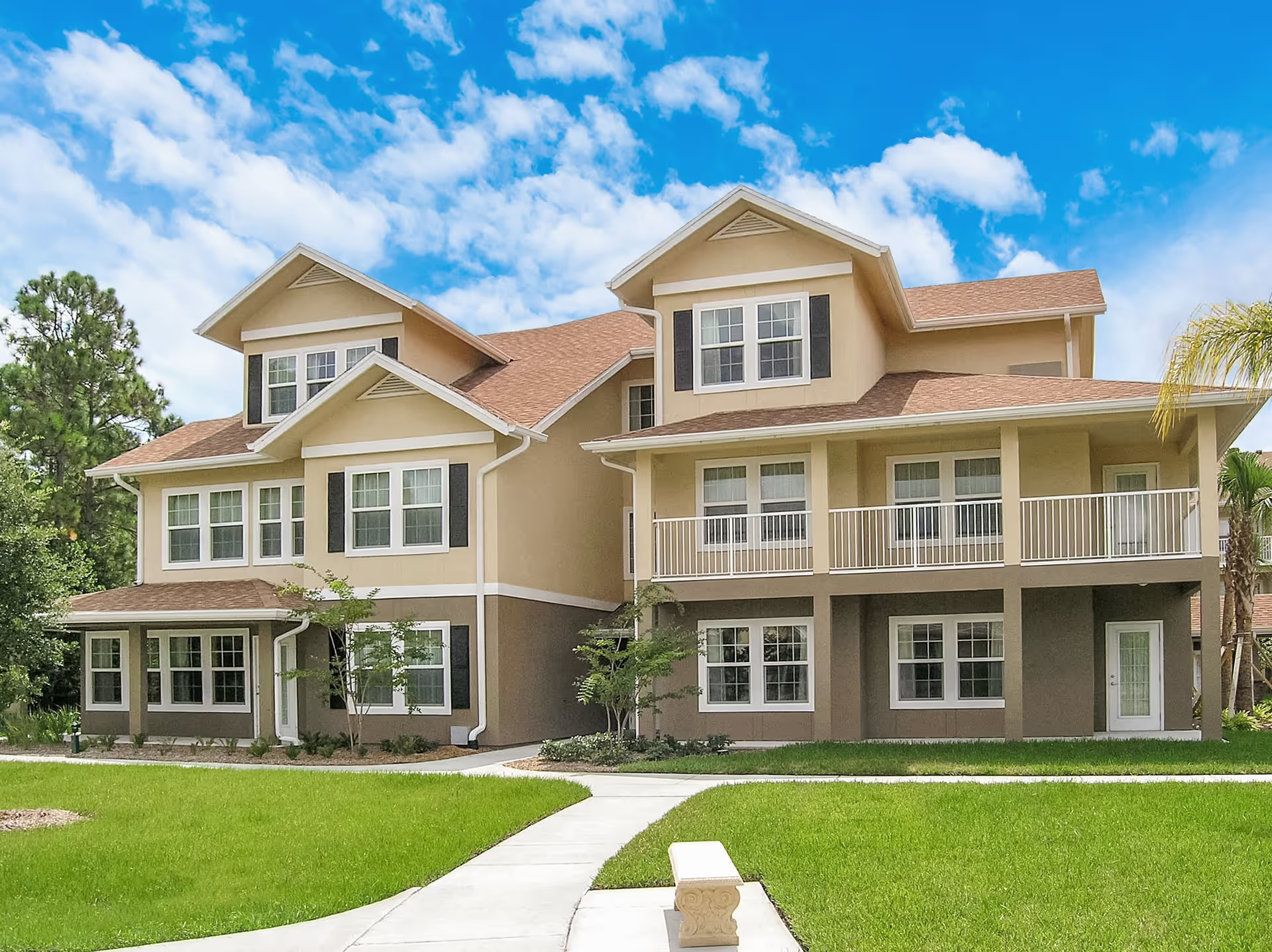
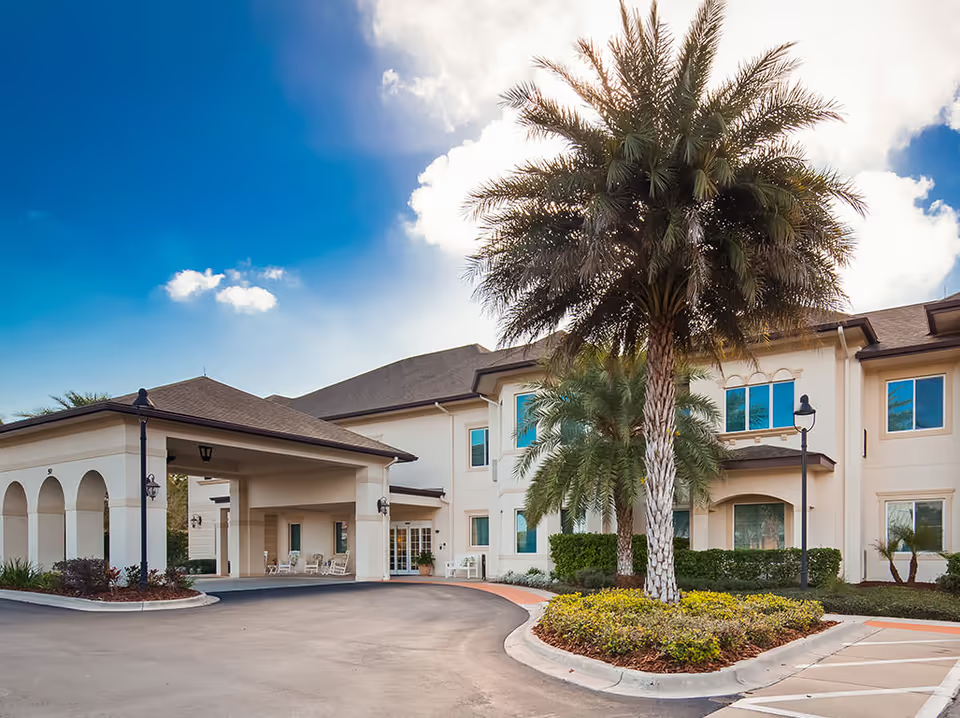
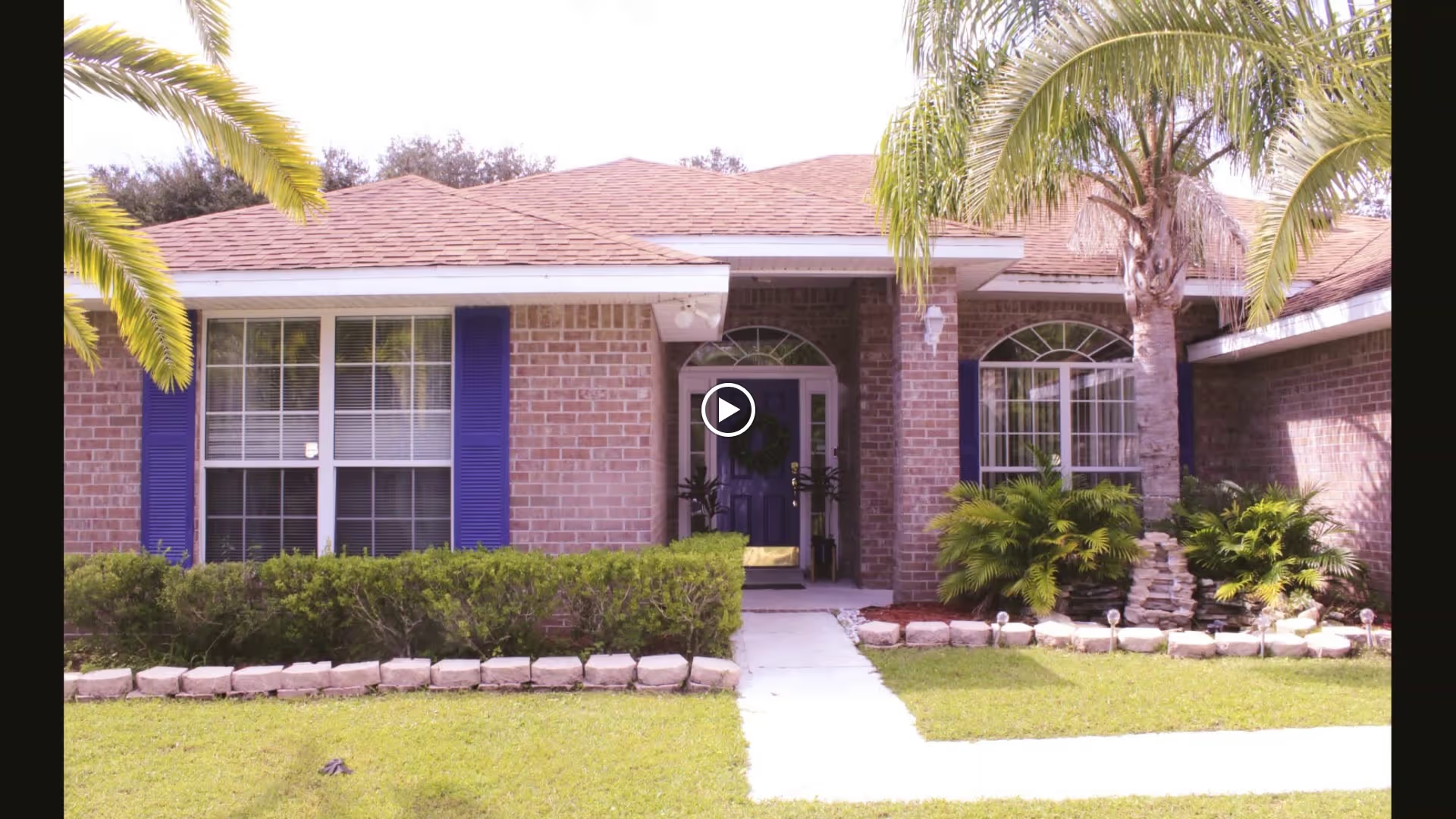
The reviews for Good Sam's Assisted Living Residence present a mixed picture. Many families describe a small, home-like facility where residents receive individualized attention, private rooms can be personalized, and staff create a warm, welcoming atmosphere. Positive accounts emphasize compassionate caregivers, knowledgeable and trained staff, an inviting interior, and a director who is helpful and informative. Several reviewers specifically cited one-on-one support, assistance with meals, and visible staff engagement such as singing or social interaction that contributed to resident well-being.
At the same time, there is a set of substantive operational concerns raised in other reviews. These center on inconsistent staff conduct and engagement, intermittent gaps in personal-care assistance (including oral and foot care and attention to skin integrity), and variability in meal provision and nutrition support. Some families described situations consistent with delayed or inadequate assistance with eating or hygiene tasks. There are also sanitation-related concerns and uneven standards of cleanliness cited across reviews.
Management and communication emerge as a dividing theme. Positive reviews point to a supportive, informative director and professional management; critical reviews describe irregular on-site management or owner presence and poor family communication. Related issues include questions about billing transparency and differences between how the facility is marketed and some families' experiences. These patterns suggest variability in oversight and consistency of care delivery.
For prospective residents and families, the facility appears to offer a homelike setting with potential for highly personalized care when systems are functioning well. However, the variability reported in personal-care assistance, meal support, cleanliness, and management presence indicates a need for direct verification. Recommended steps when evaluating this facility include in-person visits at different times of day, reviewing staffing ratios and schedules, asking for written care plans and oral-care/denture protocols, inspecting rooms and common areas for cleanliness, requesting sample menus and nutrition plans, and confirming billing policies and recent inspection or licensing records. These checks can help determine whether the facility’s strengths align with an individual resident’s needs and whether identified operational weaknesses have been addressed.