The reviews for Oakpark Health & Rehabilitation Center present a mixed but actionable picture. A clear strength across many accounts is the clinical rehab capability: physical, occupational, and speech therapy teams are frequently praised for helping residents regain mobility and independence. Multiple families described meaningful functional improvements and prompt, focused therapy interventions. Admissions and social-work personnel also receive consistent positive mention for coordination and family communication, and several reviewers highlighted individualized care planning, successful discharge coordination, and supportive end-of-life assistance.
Clinical caregiving is a conspicuous area of contrast. Numerous families compliment nurses and CNAs who demonstrated compassion, patience and hands-on assistance; named individuals and team behaviors are often singled out as exemplary. At the same time, a pattern of variability emerges: reviews describe inconsistent staffing coverage, frequent use of agency personnel, long waits for assistance via call lights, and uneven medication or treatment timing. These are framed as operational reliability issues rather than universal practice—some units or shifts appear to function very well while others experience lapses in responsiveness and clinical follow-through.
Dining and daily-living services show significant inconsistency. Many reviewers note positive meals and attentive dining assistance, while an equally large set of comments describe cold meals, poor presentation, incorrect orders, and interruptions to meal service during equipment or supply issues. Activity programming (arts and crafts, music, bingo, seasonal visits) is available and appreciated by families who value engagement, but some long‑term residents or relatives cited limited activity frequency or low participation on particular units.
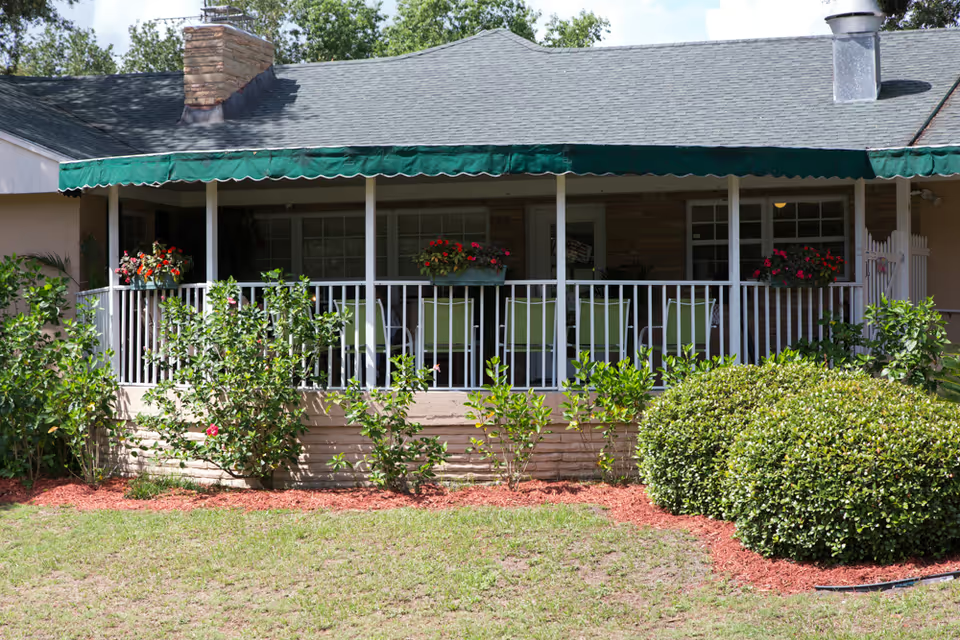
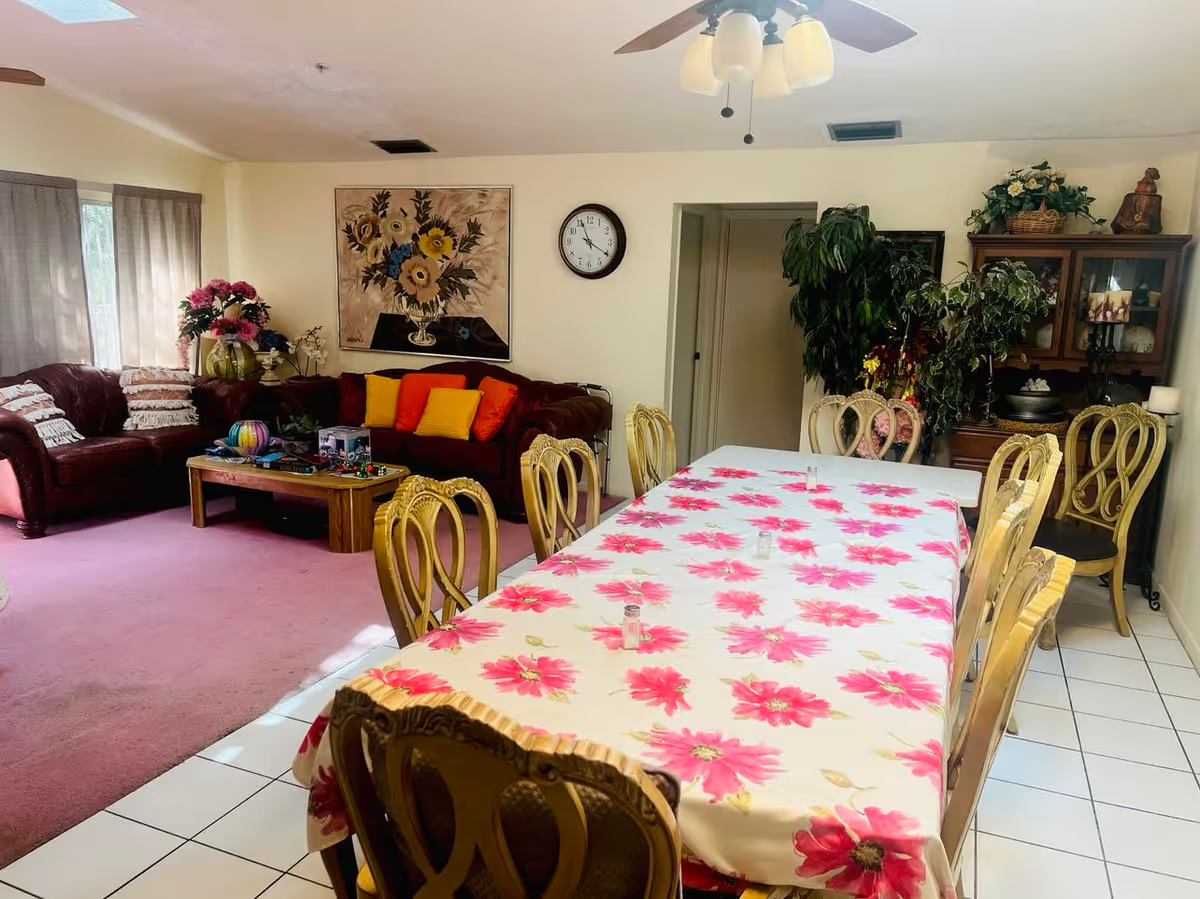
Facility condition and environmental concerns are mixed. Portions of the building are described as clean, bright, and well maintained; others are described as dated, with peeling wallpaper, worn furniture, and deferred repairs (entrance doors, dishwasher, etc.). Several reviews raise sanitation and pest-control concerns in specific rooms or areas, and others describe supply shortages that affected daily care. These items suggest uneven housekeeping and maintenance standards across the campus rather than a uniform facility condition.
Management and systems-level issues are recurring themes. Reviewers reference frequent ownership or administrative changes, uneven follow-through on family concerns, discharge-focused care planning at times, and lapses in documentation or handoffs between shifts. A small number of serious allegations appear in the feedback—including theft/billing disputes and concerns following resident adverse events—that warrant careful inquiry. Taken together, these comments point to opportunities for stronger operational oversight, clearer communication protocols, and more consistent staffing models.
In sum, Oakpark offers strong rehabilitative services and many dedicated staff members who provide compassionate care. However, variability in staffing, timeliness of assistance, dining quality, environmental upkeep, and administrative follow-through are notable patterns families should consider. Prospective residents and families would benefit from an on-site visit that includes a unit tour during multiple shifts, meetings with therapy and nursing leadership, questions about staffing ratios and agency use, review of meal and activity schedules, and direct inquiry about recent corrective actions for sanitation or management complaints.