Reviews for Gateway Post-Acute Care Center present a mixed picture, with clear examples of strong clinical and rehabilitative care alongside recurring operational and quality-control concerns. Positive feedback centers on individual staff members—nurses, CNAs, and therapists—who are described as attentive, compassionate, and effective in short-term rehabilitation. The facility's therapy department, dietary leadership, activities program (including a therapy dog and offsite outings), and successful emergency response have been highlighted as strengths that support residents’ functional recovery and social engagement. Several accounts also indicate visible investment in renovations and management changes that have improved portions of the building and some services.
At the same time, a substantial number of reviews indicate persistent issues with day-to-day personal care and facility operations. Common themes include inconsistent staff conduct and communication, variable staffing levels with slower response times, and irregularities in medication administration and monitoring. Reviewers reported delays in addressing incontinence care and bathing schedules, as well as concerns about wound and skin-integrity management. These patterns suggest uneven adherence to basic personal-care and clinical protocols across shifts and units.
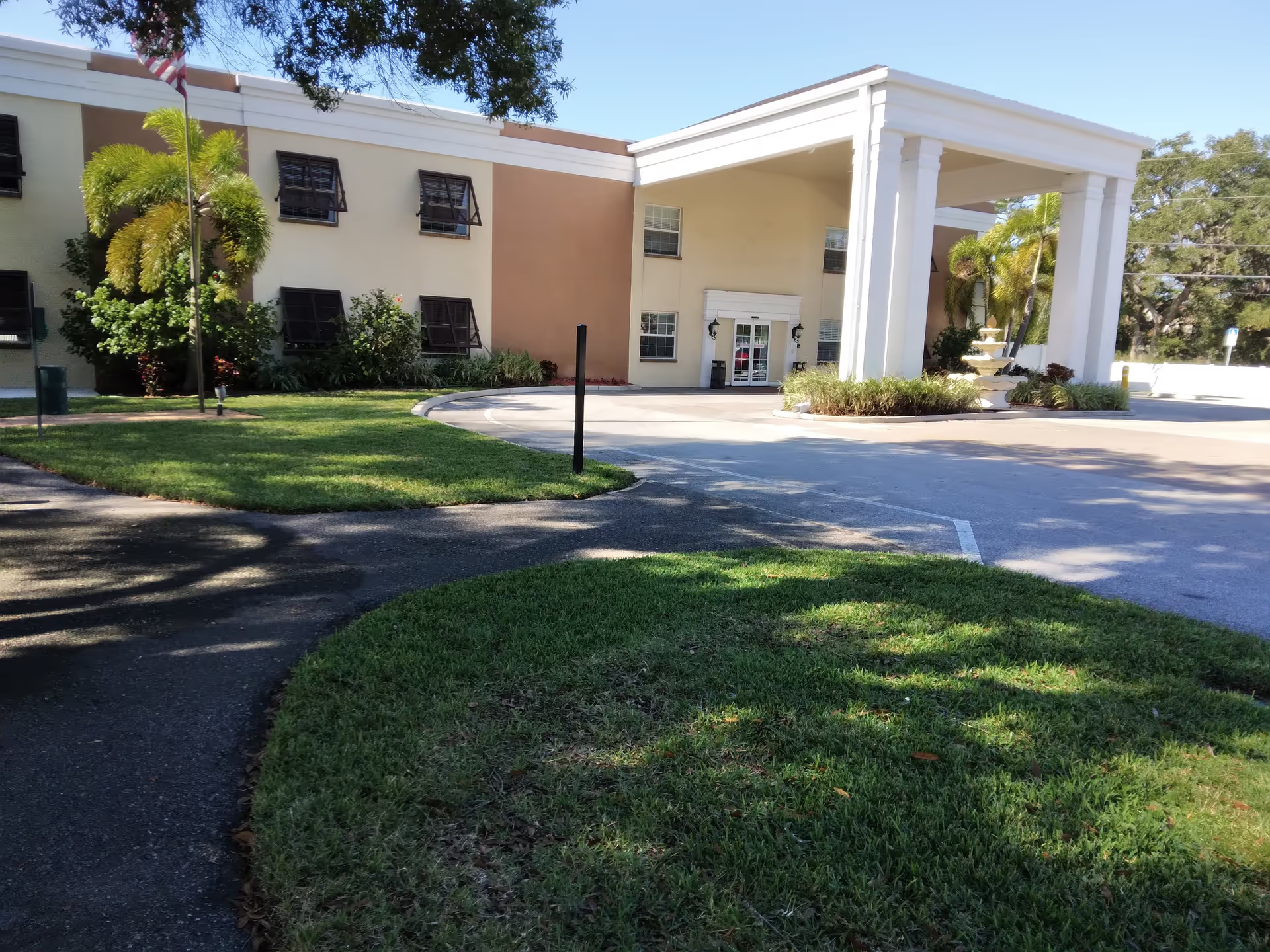
Facility environment and housekeeping practices are another recurring area of concern. Multiple reviews reference sanitation and odor concerns, pest-control problems, and maintenance shortcomings—often concentrated in older sections or specific wings. Meal-service continuity and dining oversight were praised in some accounts (notably after a program revamp), but other reports describe missed meals and inconsistent meal monitoring. Memory-care and dementia-related programming also drew mixed impressions: while some memory-care nurses were commended, other comments raise questions about appropriate environmental controls and supervision for residents with cognitive impairment.
Management, documentation, and family communication emerged as additional fault lines. Reviews point to inconsistent recordkeeping, misplaced or delayed medical documentation, phone-system failures, and gaps in visitor oversight and personal-item security. A few accounts reference serious events and requests for regulatory review; these comments underscore a need for clearer incident response protocols and more transparent communication with families. Conversely, other reviewers note improved responsiveness and proactive family outreach under newer leadership.
Taken together, the pattern is one of marked variability by unit, shift, and individual staff member: there are demonstrable strengths in therapy, dietary services, and several committed caregivers, yet recurring operational weaknesses undermine consistent quality of care. Prospective residents and families should consider on-site visits focused on unit-level conditions, staff-to-resident ratios for the expected shift times, medication-management policies, skin/wound-care protocols, pest-control and housekeeping practices, and procedures for documentation and family communication. Asking management for recent survey results, example care plans, and clarification of recent improvements may help distinguish areas that have been remediated from those that still require attention.