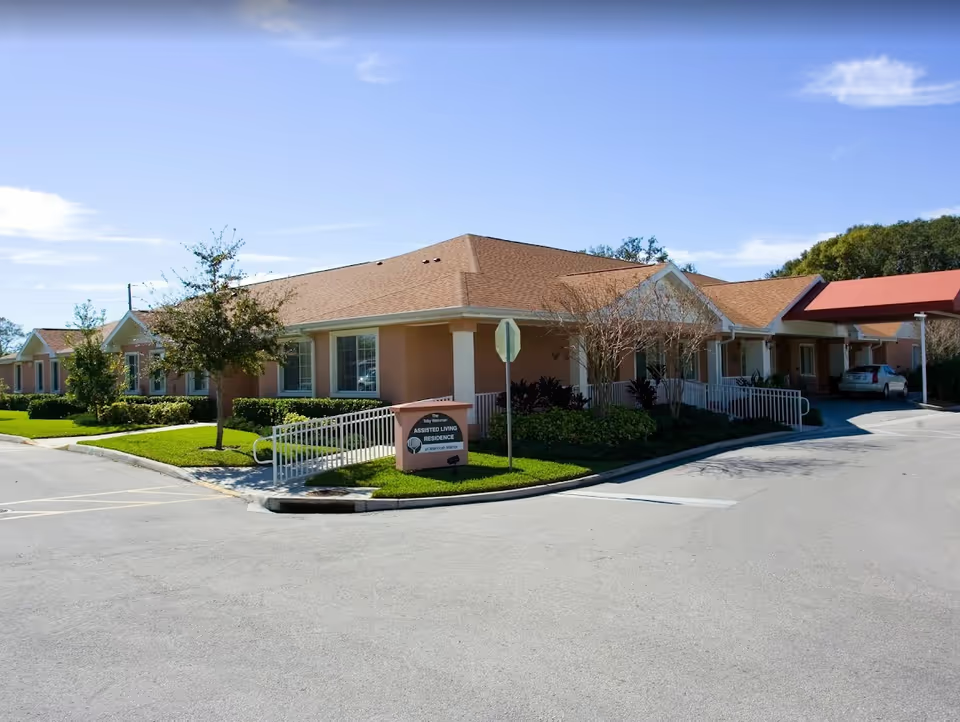
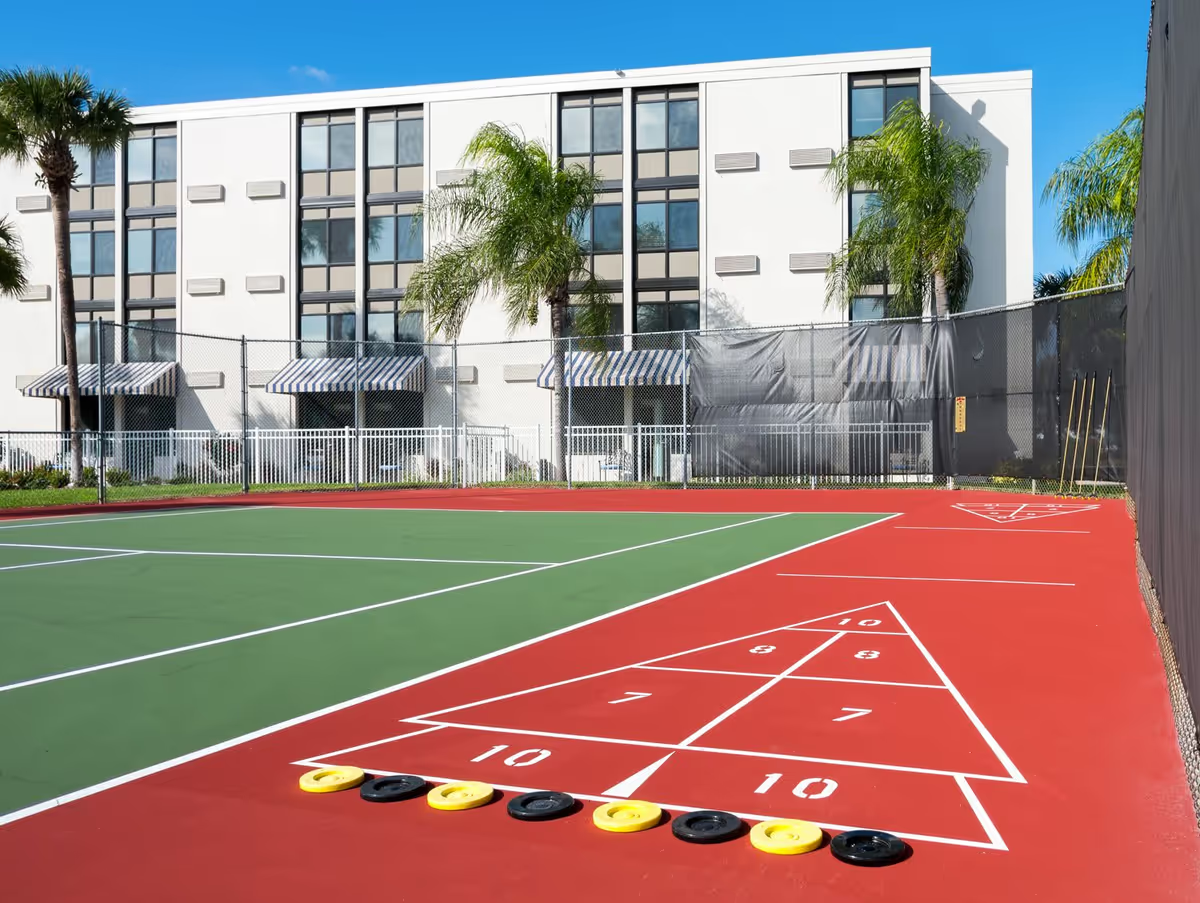
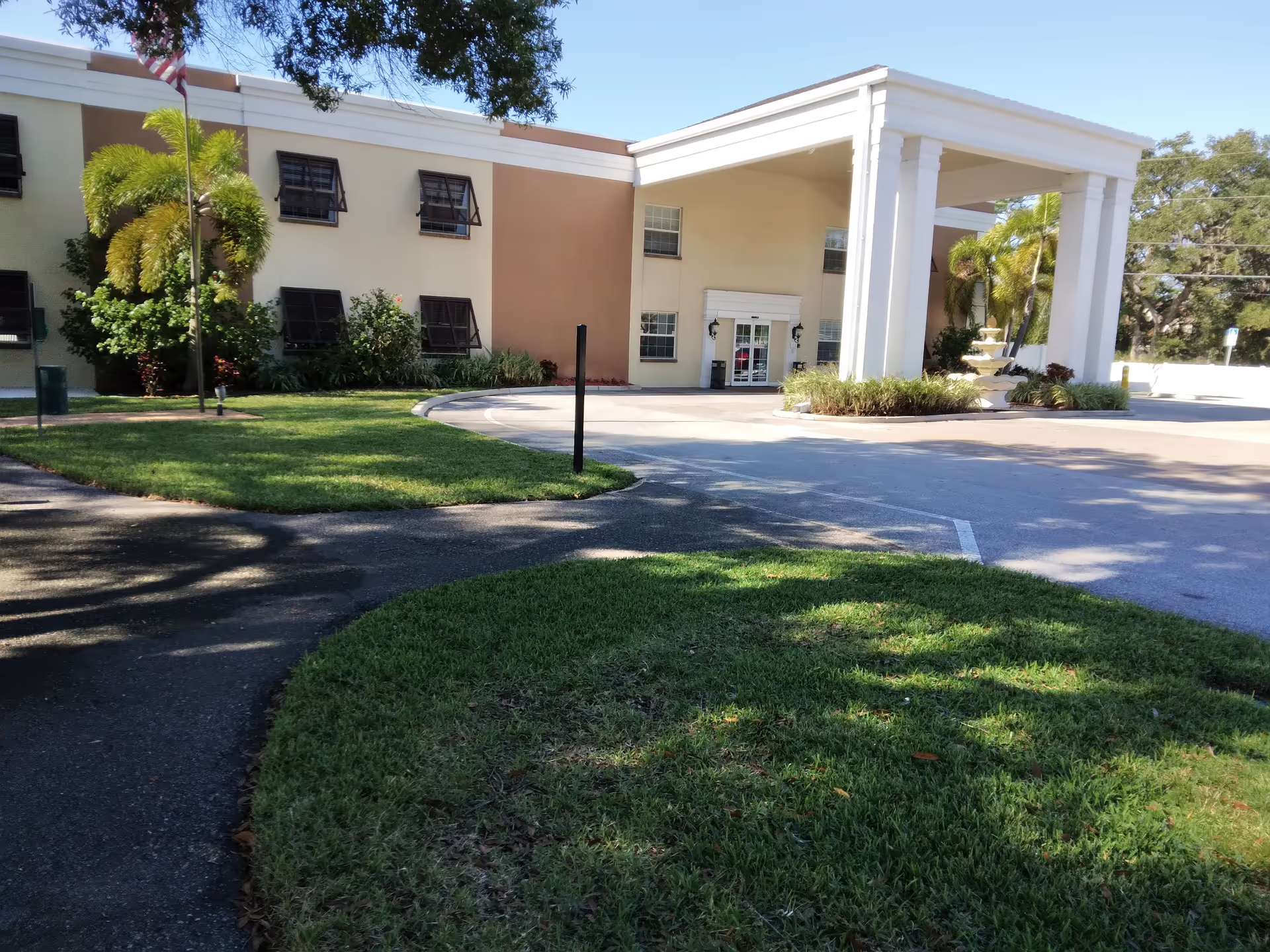
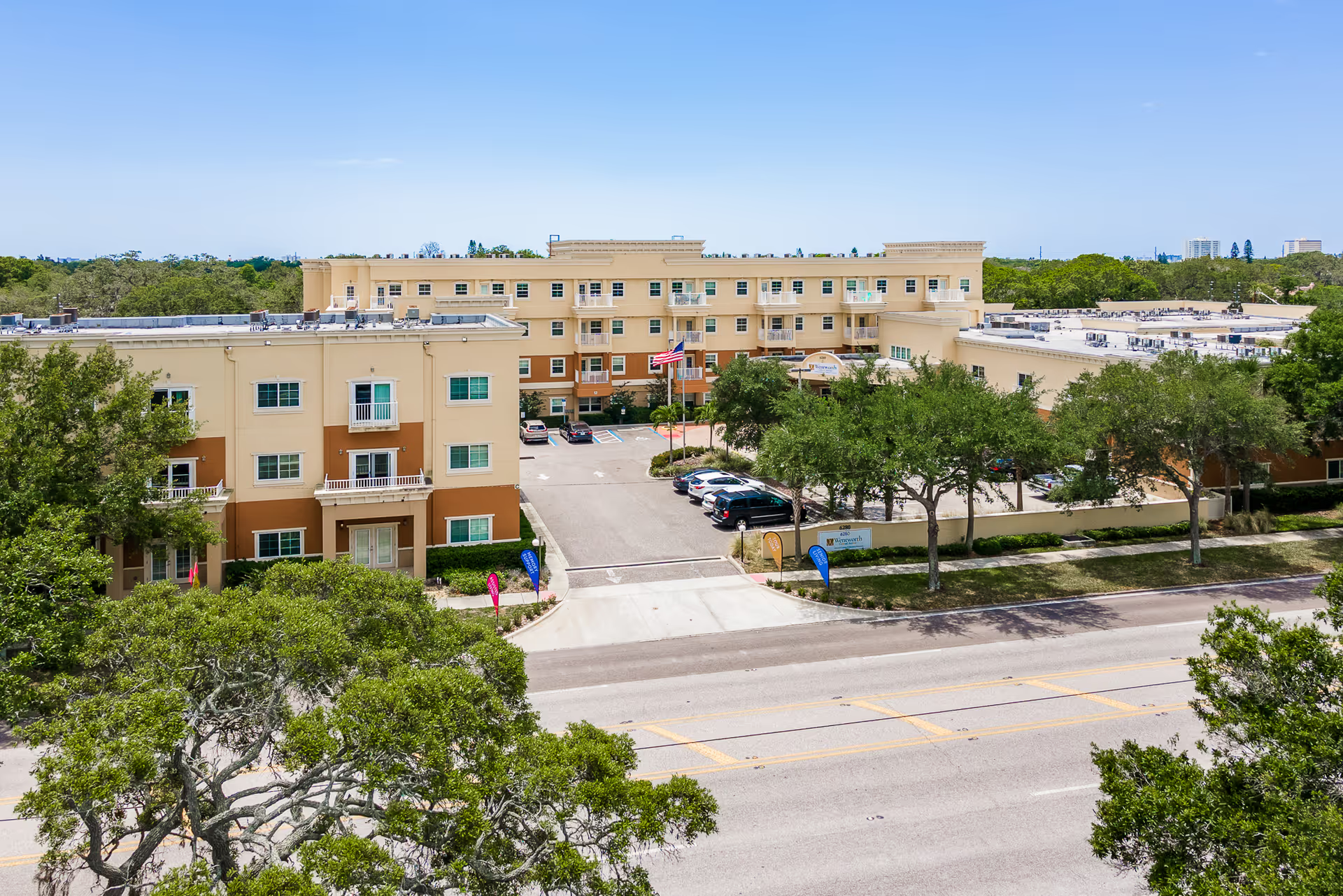
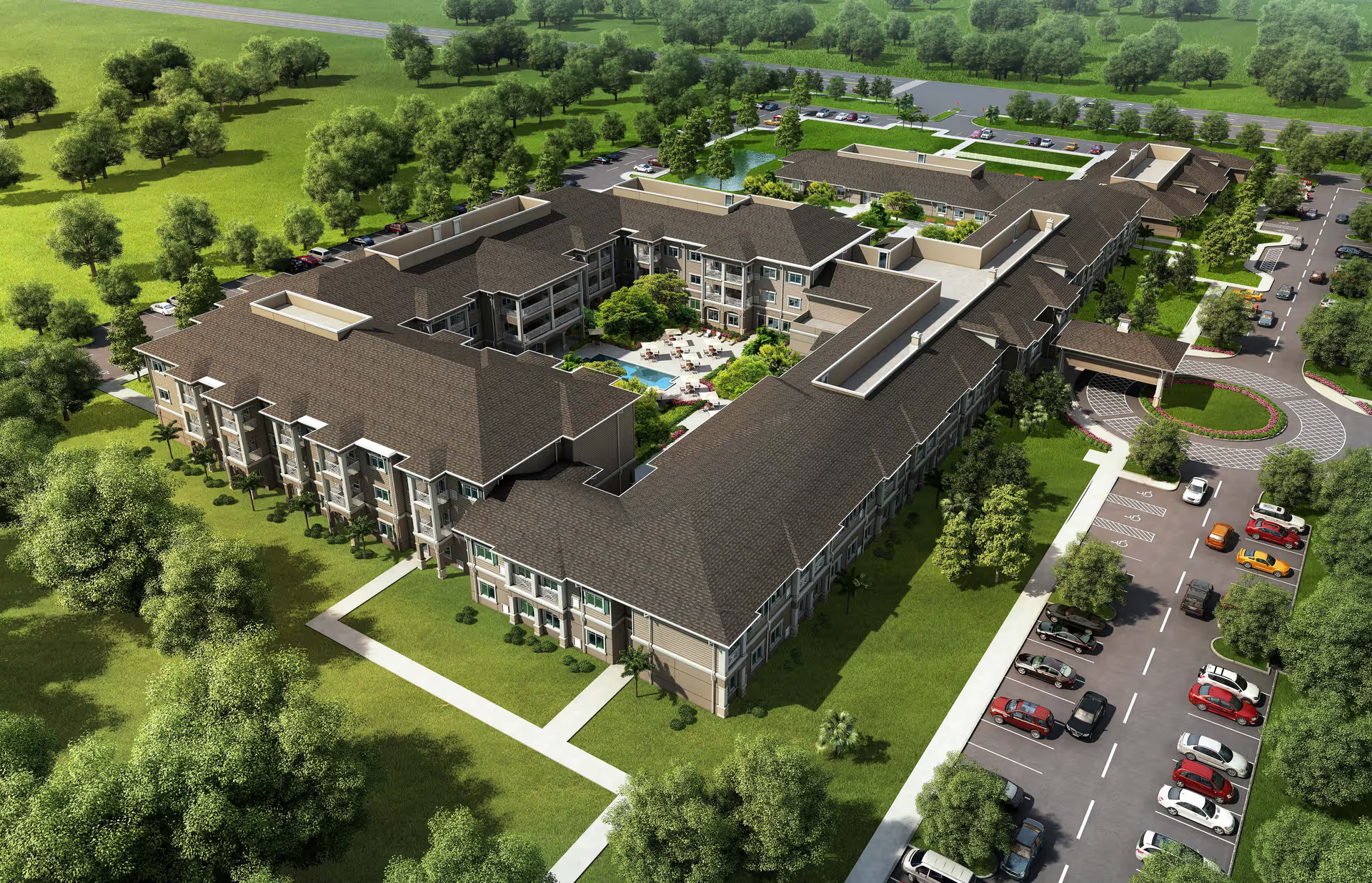
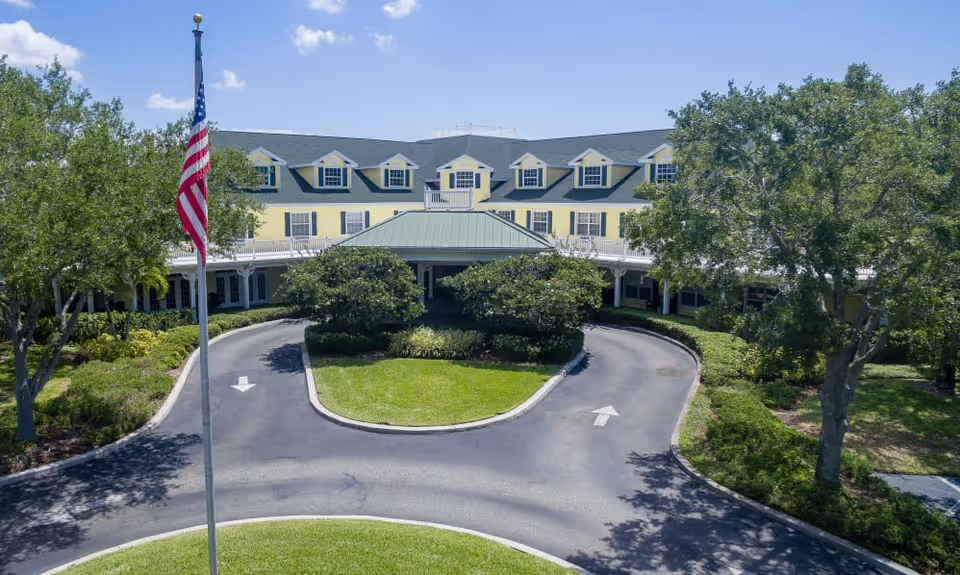
Overall impression: The facility is frequently described as a clean, campus-like community with well-kept grounds, waterfront views, and a range of on-site amenities. Many families and residents praise the facility’s appearance, common-area renovations, and recreational offerings. Community affiliations (Masonic and Order of the Eastern Star) and on-site lodging options contribute to a sense of continuity for affiliated residents.
Care quality and staff: Clinical and caregiving staff receive consistent positive feedback for compassion, professionalism, and individualized care plans in many accounts. Reviewers noted skilled nursing and rehabilitation services, attentive nursing oversight in a number of cases, and long-tenured employees in some departments that support continuity. At the same time, a clear pattern emerges around staffing instability: high turnover and a frequent reliance on temporary/agency nurses are described, and these staffing patterns are associated with disrupted continuity of care. Several families described gaps in communication between nursing teams and families, and some reviewers requested more visible leadership presence from administrators.
Dining and activities: The campus offers a broad activities program — exercise classes, arts and crafts, outings, religious services, and small on-site retail or food options — that many residents find engaging. Dining is a mixed picture: multiple accounts praise nutritious meals prepared by professional chefs and the availability of dietary accommodations, while other accounts describe inconsistent food quality and dissatisfaction with certain meal services. This suggests variability in meal execution across units or shifts rather than a uniform program-level strength.
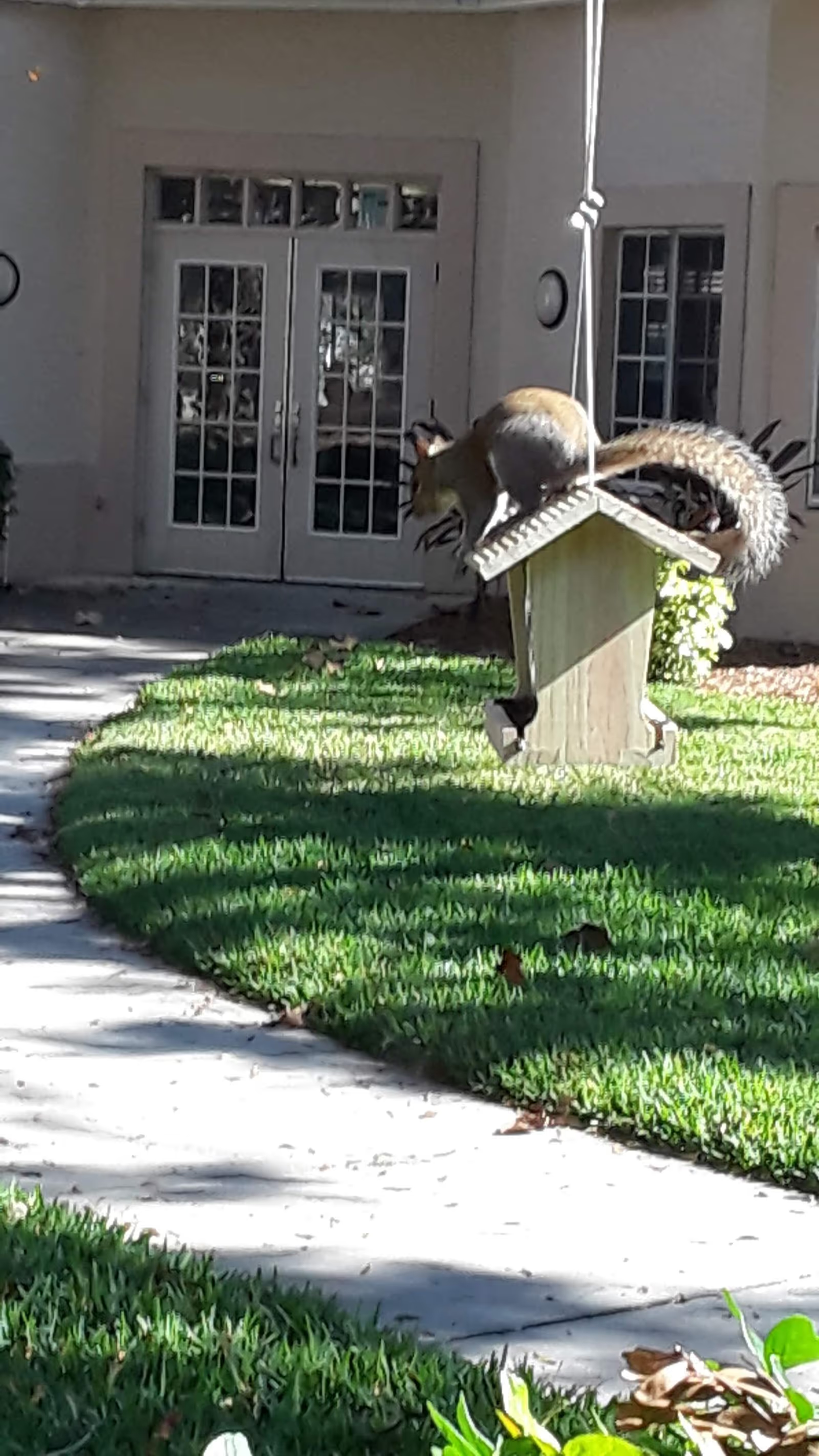
Facilities and amenities: Physical plant strengths are prominent: immaculate common areas, accessible gardens, exercise spaces, barbershop, library, and other recreational rooms are noted. Some resident rooms are described as large and comfortable, but reviewers also report that certain units have small rooms and older bathrooms. Overall, the property is presented as attractive and well-maintained but with uneven room-level accommodations.
Management and operational patterns: Reviewers convey mixed impressions of leadership. Several commenters praised responsive management and quick action on specific issues, while others described a lack of visible administrative engagement, leadership turnover, and weak mechanisms for addressing resident concerns. Operationally, the combination of agency staffing, high turnover, and communication gaps points to systemic reliability risks — for example, occasional delays in assistance, problems coordinating transportation for appointments, and areas for improvement in fall-risk management and safety processes. Additionally, families seeking specialized cognitive-care programming may find the facility’s offerings limited compared with its strengths in skilled nursing and general assisted living.
Notable patterns for prospective families: The facility scores highly on cleanliness, community activities, recreational amenities, and an overall welcoming campus atmosphere. Prospective residents should weigh those strengths against operational concerns around staffing stability, communication pathways with clinical leadership, variability in dining, and room-size differences across units. For individuals with cognitive impairment or heightened fall risk, families should specifically inquire about dementia programming, staffing ratios, and documented fall-prevention protocols. For those valuing an active campus, waterfront location, and affiliation-based community life, the facility presents many attractive features, but due diligence on staffing models and management responsiveness is advisable.