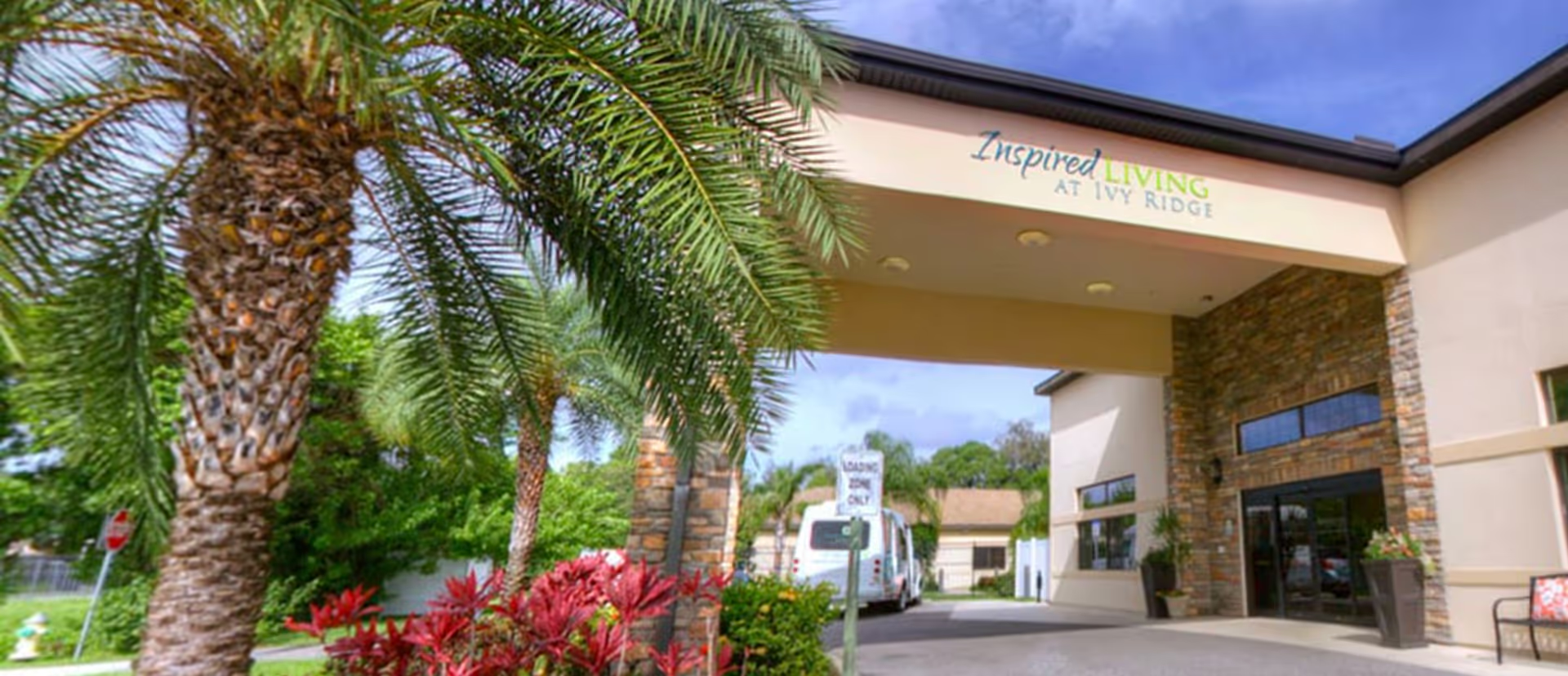
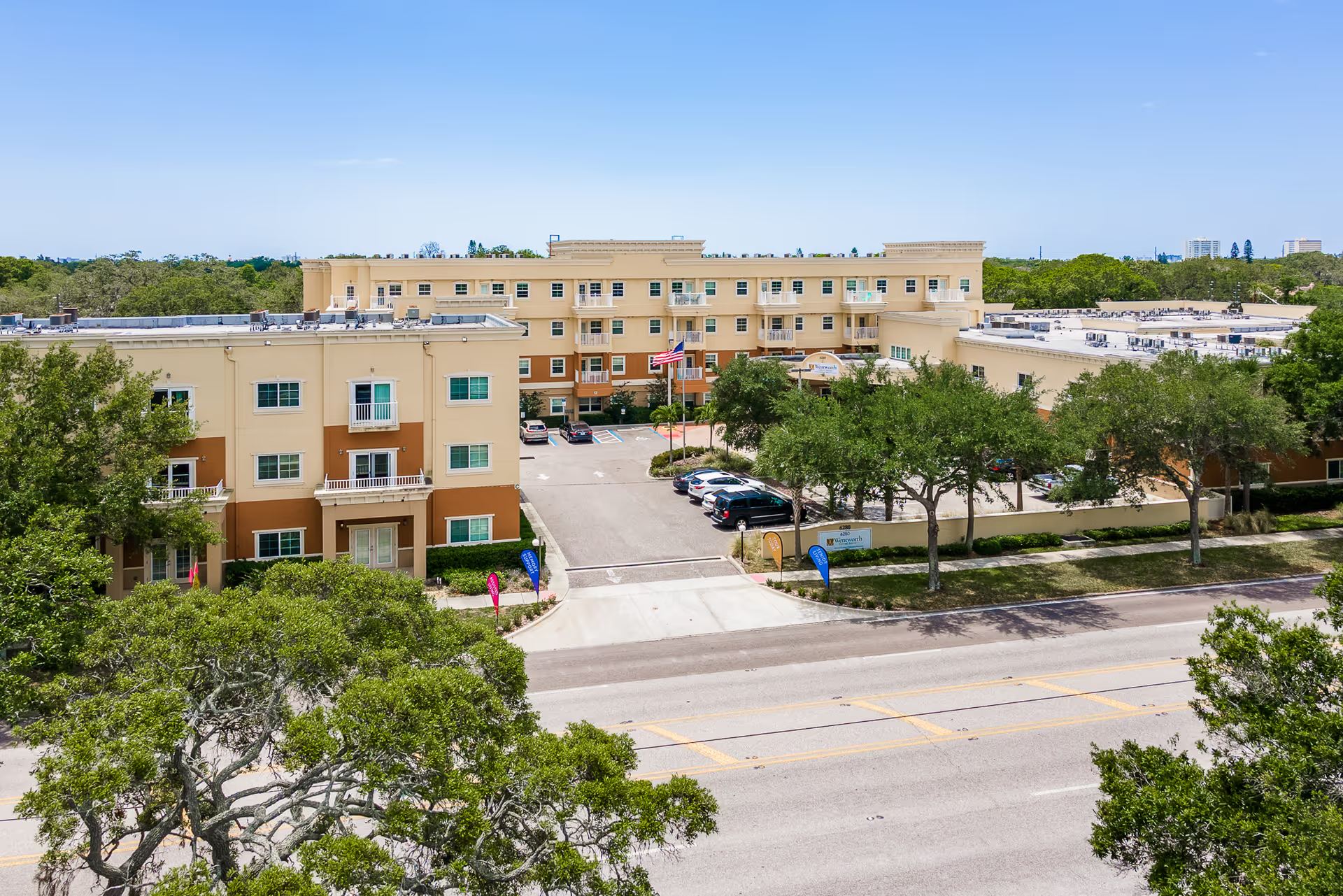
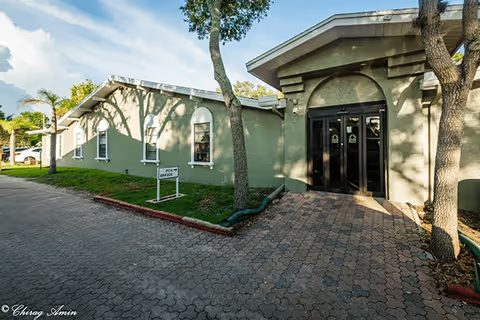
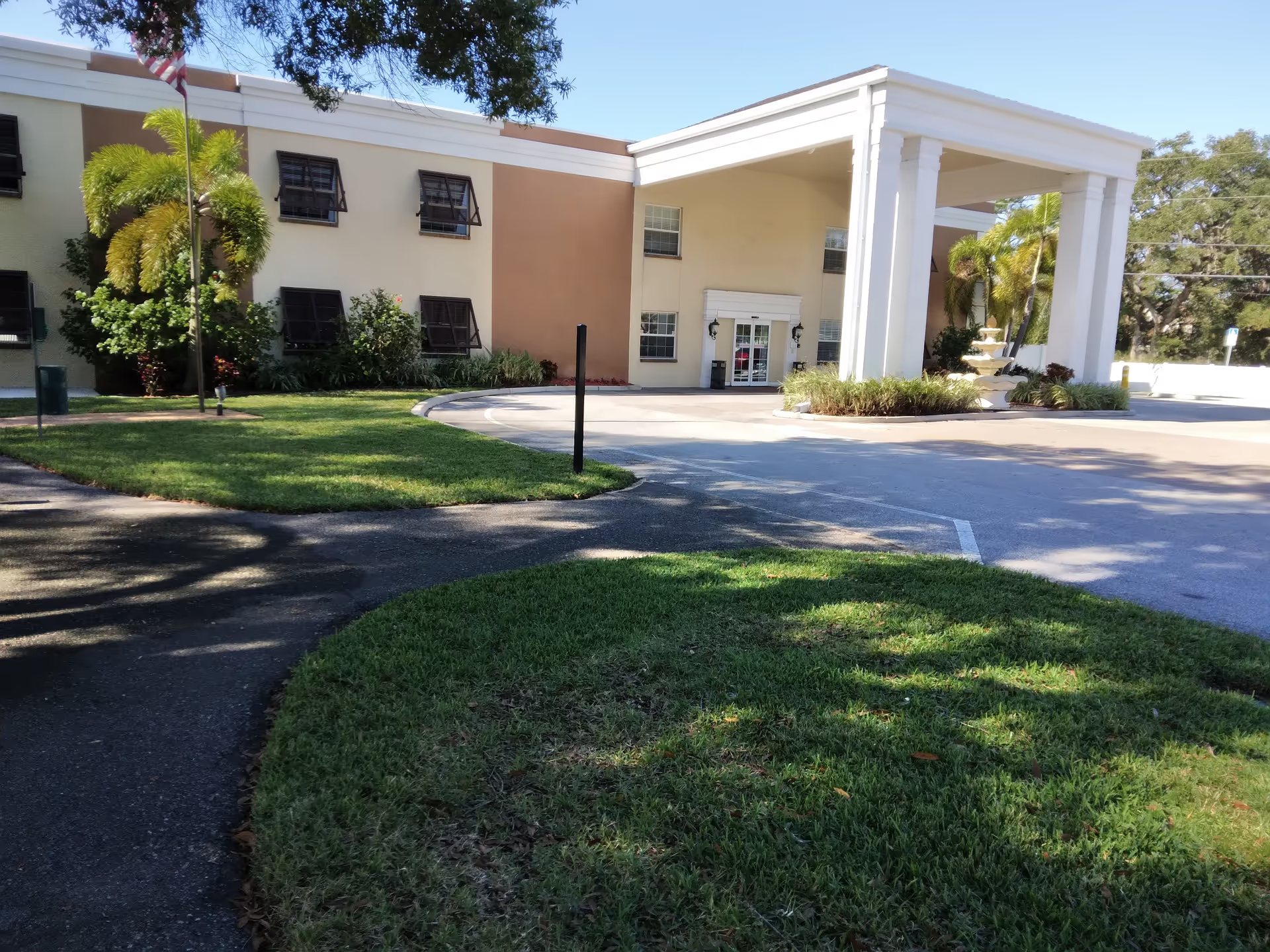
Arbor Oaks at Tyrone is described as an attractive, well-maintained assisted living campus with a number of facility features that families often value: private rooms with ensuite bathrooms, a plantation-style setting with pleasant outdoor spaces, a secure memory-care courtyard, and amenities such as an ice cream parlor, beauty shop, and restaurant-style dining. Many reviewers highlight an active social program that includes concerts, games, Wii-bowling, outings and frequent social events; these offerings contribute to a lively community atmosphere for residents who participate.
Care quality impressions are mixed and appear to correlate with leadership and staffing stability. Numerous families praise compassionate, attentive caregivers, long-tenured aides in some units, and personalized nursing attention when leadership is engaged. Conversely, a pattern of staffing shortages, high turnover, and uneven training has been described; reviewers link these operational issues to delays in care, nighttime transfers to hospitals, and variable responsiveness. Several reviews raise specific concerns about medication management practices and pharmacy controls; these concerns have been associated with family distress and, in some cases, external oversight contact.
Dining and activities are generally cited as strengths in terms of variety and atmosphere — many families appreciate restaurant-style service, dietary accommodations, and frequent social events. At the same time, food quality and meal-service consistency are uneven across reviewers: some describe appealing meals and attentive servers, while others describe institutional or inconsistent food experiences. The activities program and community events are consistently mentioned as positive contributors to residents’ quality of life.
Facilities and ancillary services receive frequent praise for cleanliness, attractive common areas, and useful on-site services such as therapy, visiting clinicians, and transportation. Memory-care features (secure unit, fenced courtyard) are noted positively by some families, while others describe uneven experiences in the memory-care unit relative to the assisted-living areas, suggesting variability in unit-level staffing or supervision.
Management and communication present the clearest contrast in reviewer experience. Several reviewers credit earlier nurse-led leadership with effective operations, good communication, and reliable care. Others describe a decline after leadership changes: absentee or inexperienced administrators, slow or inconsistent responses to family concerns, unclear billing/insurance explanations, and admissions-process problems. Some reviews reference regulatory complaints and requests for Ombudsman involvement; these underscore the importance of verifying current leadership stability and regulatory status.
Bottom line: Arbor Oaks offers many physical and programmatic strengths that appeal to families seeking an active, hotel-like assisted living environment with on-site services and engaging activities. However, prospective residents and families should conduct targeted due diligence before committing: confirm current leadership tenure and turnover metrics, review medication-management and staff-training protocols, ask about nighttime staffing levels and incident/transfer history, and clarify billing and insurance coverage. These checks will help determine whether the facility’s positive attributes are matched by consistent operational performance for a particular resident’s needs.