Overall impression: Reviews present a generally positive portrait of day-to-day life at the community alongside recurring operational concerns. Many families highlight a caring, engaged staff, strong clinical leadership, and a well-designed memory-care program that supports resident autonomy and meaningful engagement. At the same time, patterns emerge around staffing capacity, service consistency, and some maintenance and communication gaps that prospective families should weigh when touring and comparing options.
Care and staff: The facility is frequently praised for warm, person-centered caregiving. Reviewers cite compassionate CNAs, involved directors, and nursing leadership who are knowledgeable about dementia care. Long-tenured staff and hands-on management are described as contributing to individualized attention, reduced medication where appropriate, and quick coordination with outside therapists. However, staffing instability and workload pressures are an ongoing theme. Those operational pressures are linked to delayed personal-care tasks (including incontinence-care concerns and bathing schedules), occasional lapses in safety-protocol adherence, and uneven responsiveness during night and weekend shifts. Language barriers among some direct-care staff were also noted as a practical communication issue; families suggested interpreter tools to bridge that gap.
Dining and nutrition: Accounts of dining are mixed. A significant number of families describe nutritious, enjoyable meals, themed dining events, and adequate portion sizes. Conversely, other comments point to inconsistent food quality, small portions at times, service interruptions (items running out), and informal serving practices that reduce perceived dining quality. These contrasting reports suggest variability in meal-service continuity and execution rather than a uniform dining experience.
Activities and social life: Activity programming is a clear strength. Reviews consistently report abundant, varied, and resident-centered activities—bingo, exercise, storytelling, themed events, music programs, outings, and regular social engagement. Staff engagement in programming and a visible on-floor presence are cited as major contributors to resident well-being and social adjustment. Families note that the community fosters a close-knit, family-like atmosphere with strong participation.
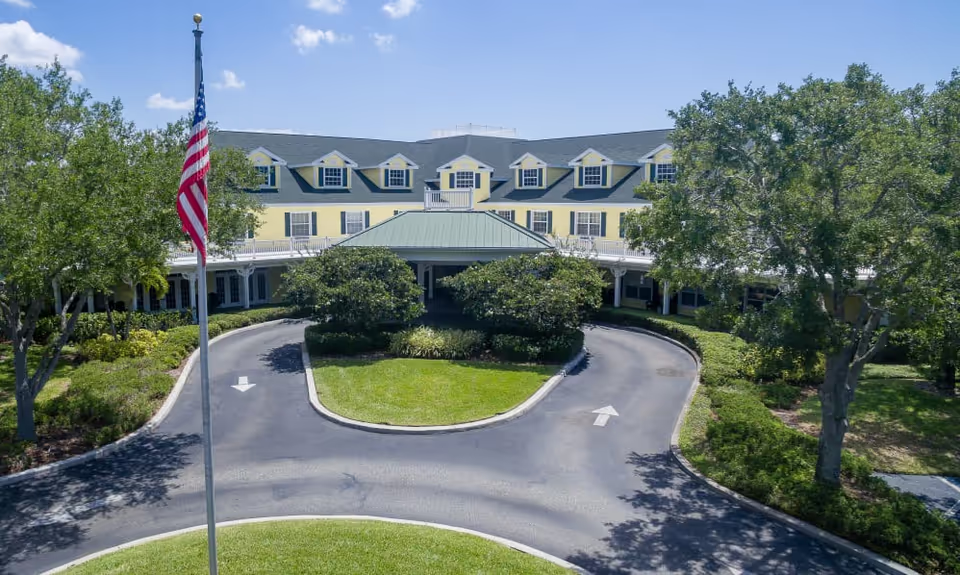
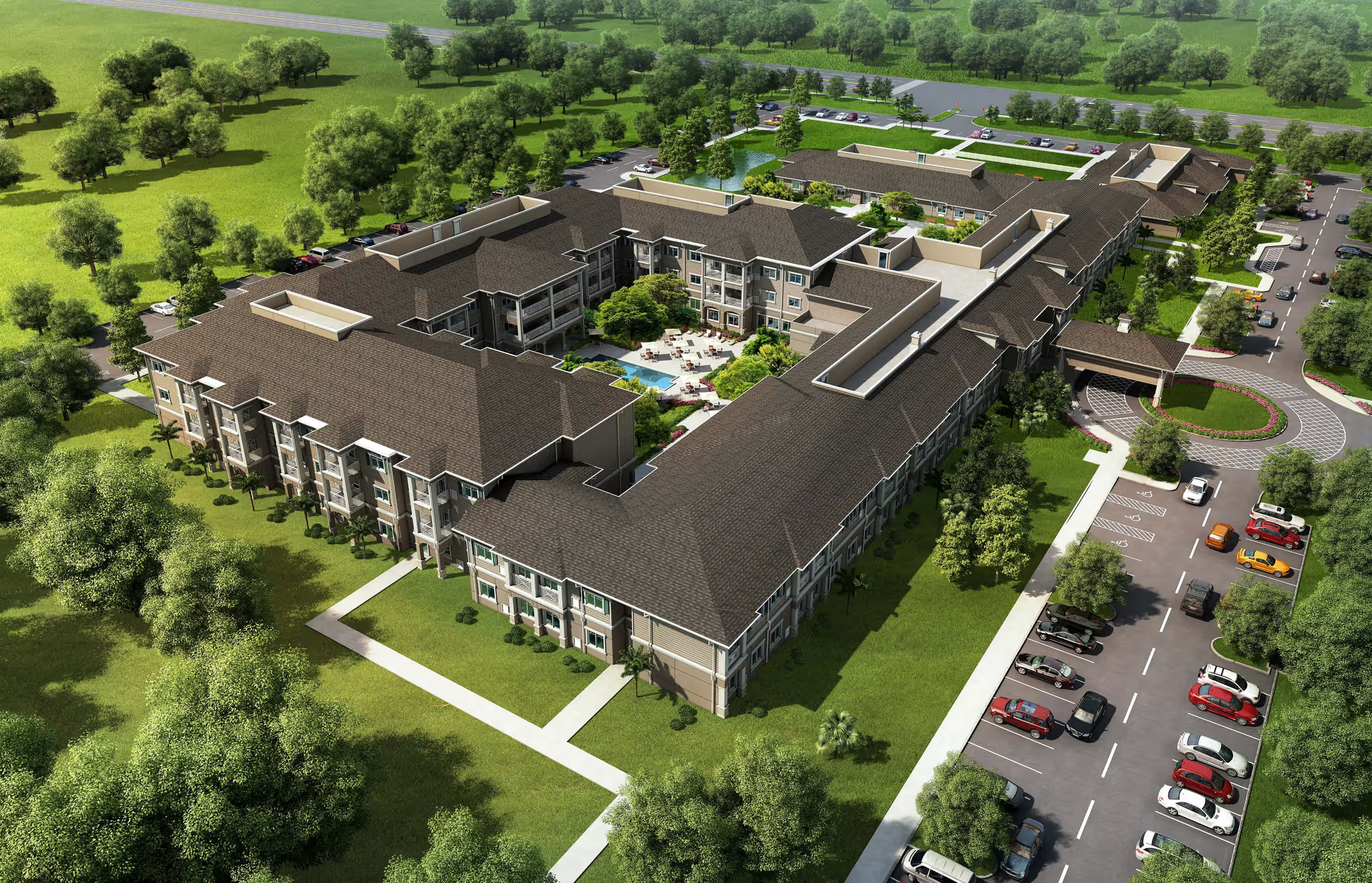
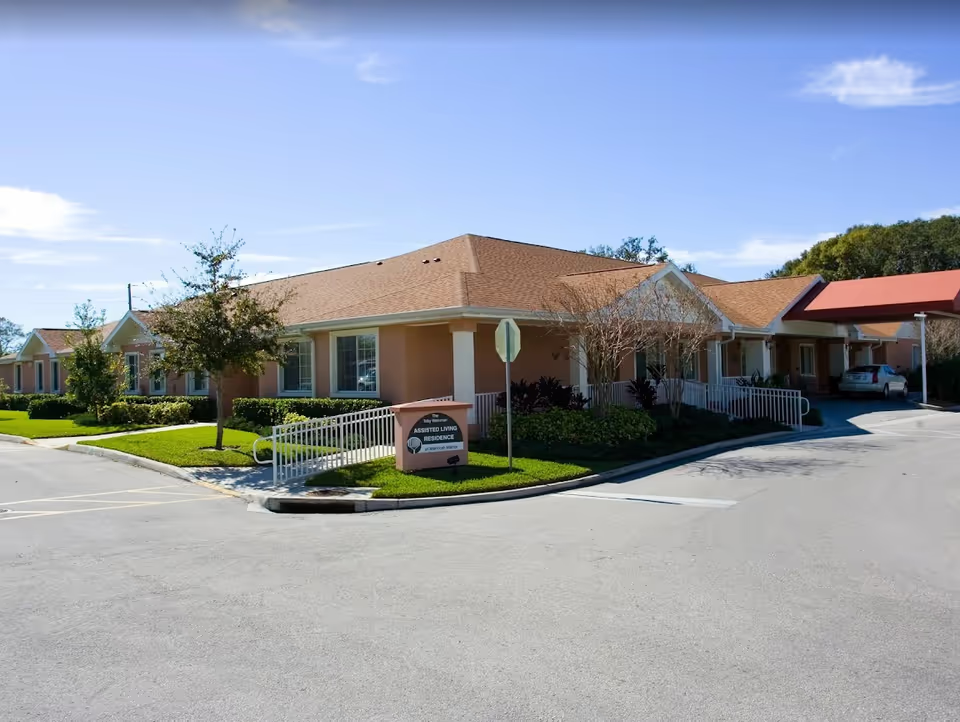
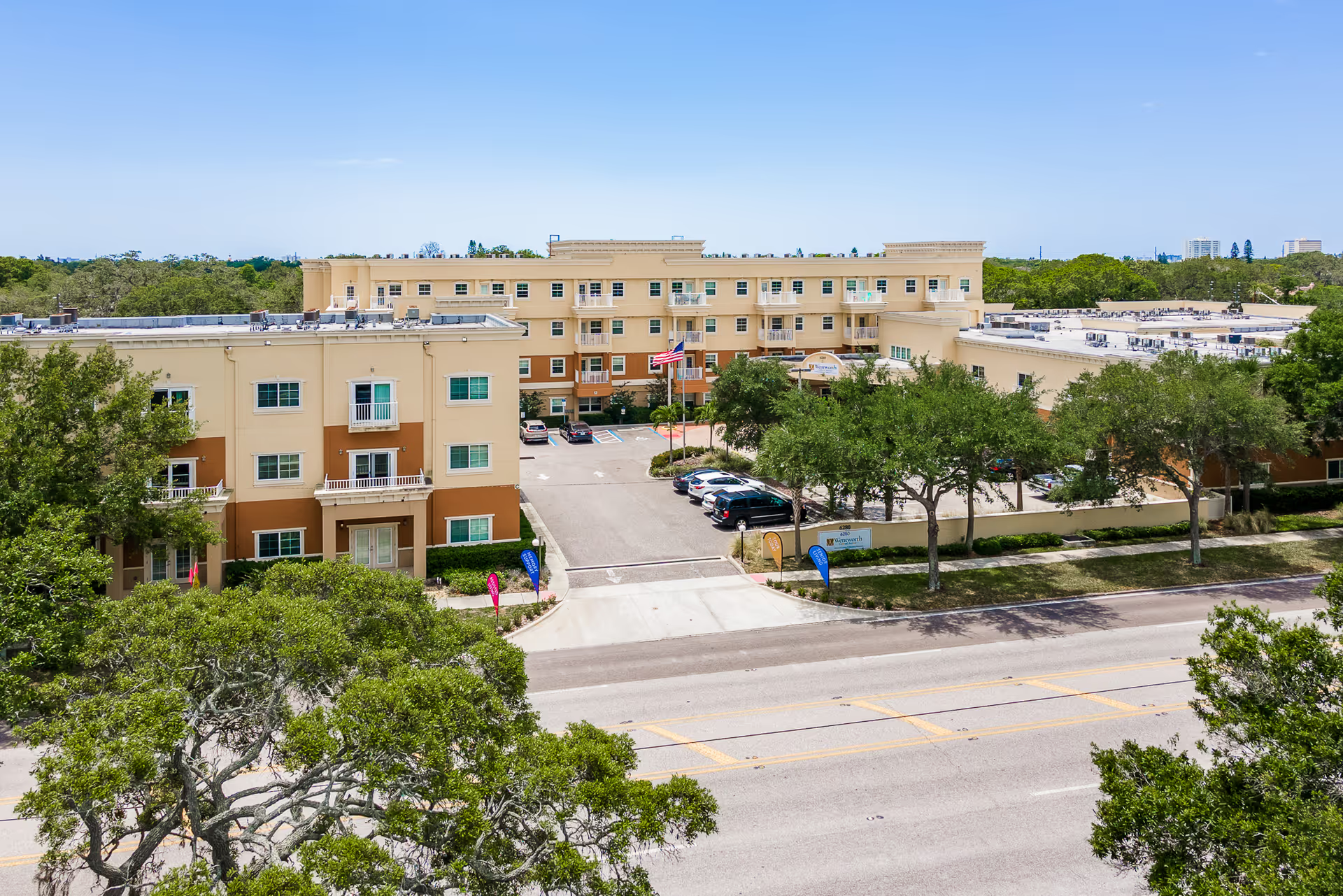
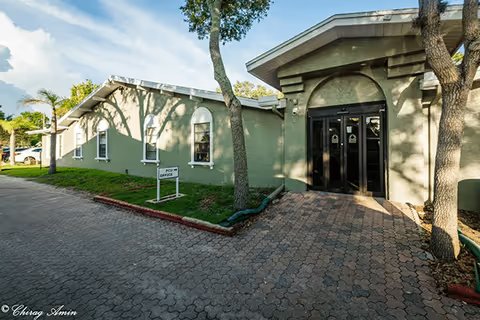
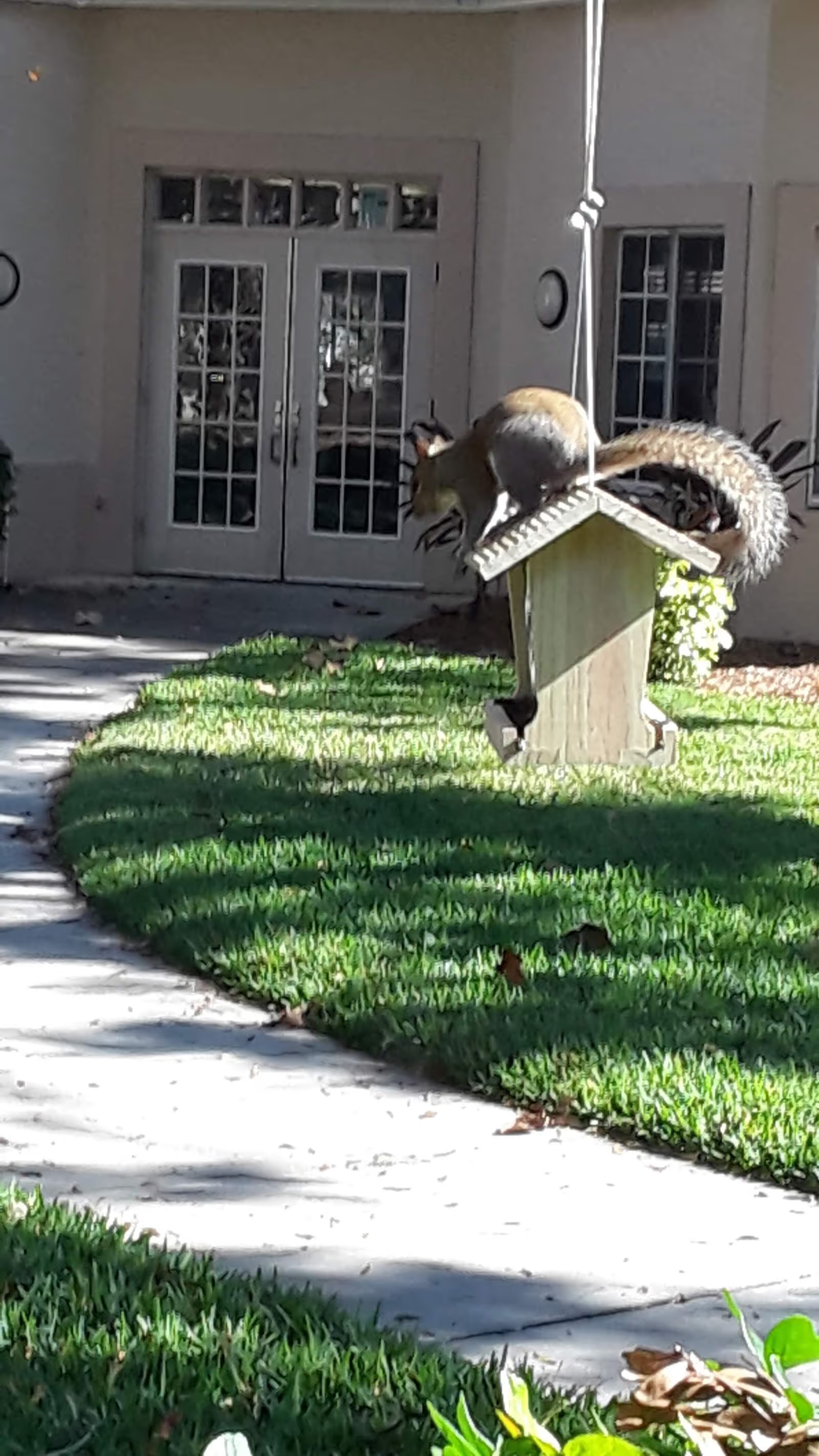
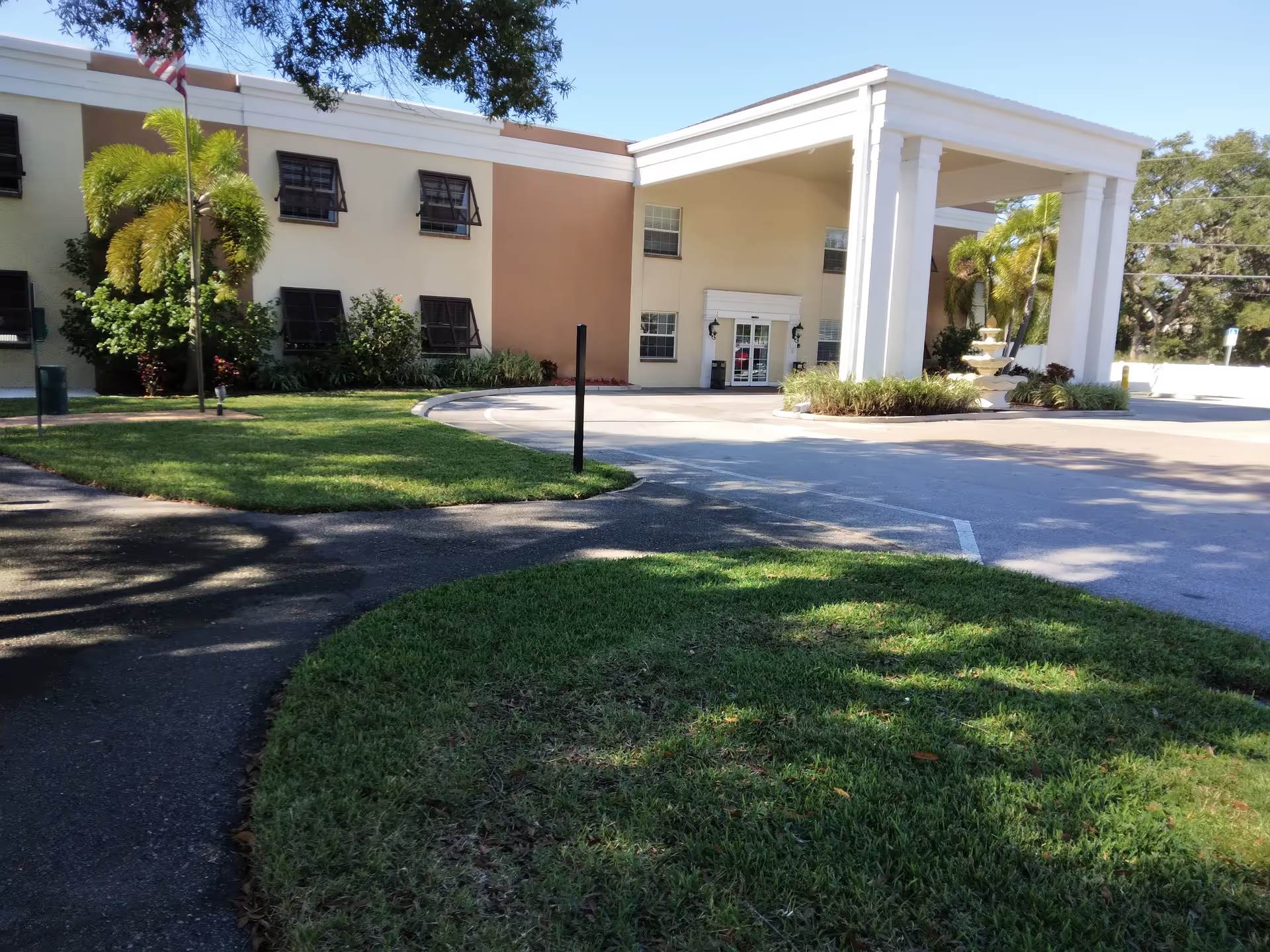
Facilities and safety features: The physical plant receives frequent praise for being bright, clean, and thoughtfully designed for memory care. Private rooms, large windows, safety features (handrails, grab bars, motion-sensor lighting), and multiple enclosed outdoor areas are repeatedly mentioned as positives. Several reviewers appreciate on-site laundry and housekeeping when timely. Countervailing comments point to inconsistent housekeeping/laundry timeliness, occasional odor concerns in certain areas, and specific exterior maintenance issues (overgrown grass, mold near fences), indicating variability between well-maintained common areas and intermittent property-care lapses.
Management, communication, and patterns to watch: Communication from directors and nursing staff is often highlighted as strong—families mention regular updates via email, portals, photos, and prompt issue resolution. Many reviewers credit leadership for smooth admissions and ongoing outreach. Still, there are multiple notes about variable management responsiveness over time, leadership turnover, and after-hours phone unresponsiveness. Combined with staffing pressures, these operational weaknesses can translate into inconsistent execution of routine services (laundry, meal continuity, timely personal care). Additionally, a few comments describe challenges in managing residents with more pronounced behavioral needs; this suggests the need to clarify staff training, behavior-management protocols, and emergency-response practices during tours.
Bottom line: The community demonstrates clear strengths in compassionate caregiving, active programming, memory-care design, and family communication. Prospective residents and families should weigh these positives against recurring operational concerns—particularly staffing levels, consistency of housekeeping and meal service, language-match with direct-care staff, and property maintenance. During a visit, ask about current staffing ratios, communication protocols for nights/weekends, housekeeping/laundry turnaround times, language support for CNAs, and behavior-management procedures to assess how the facility’s current operations align with your loved one’s needs.