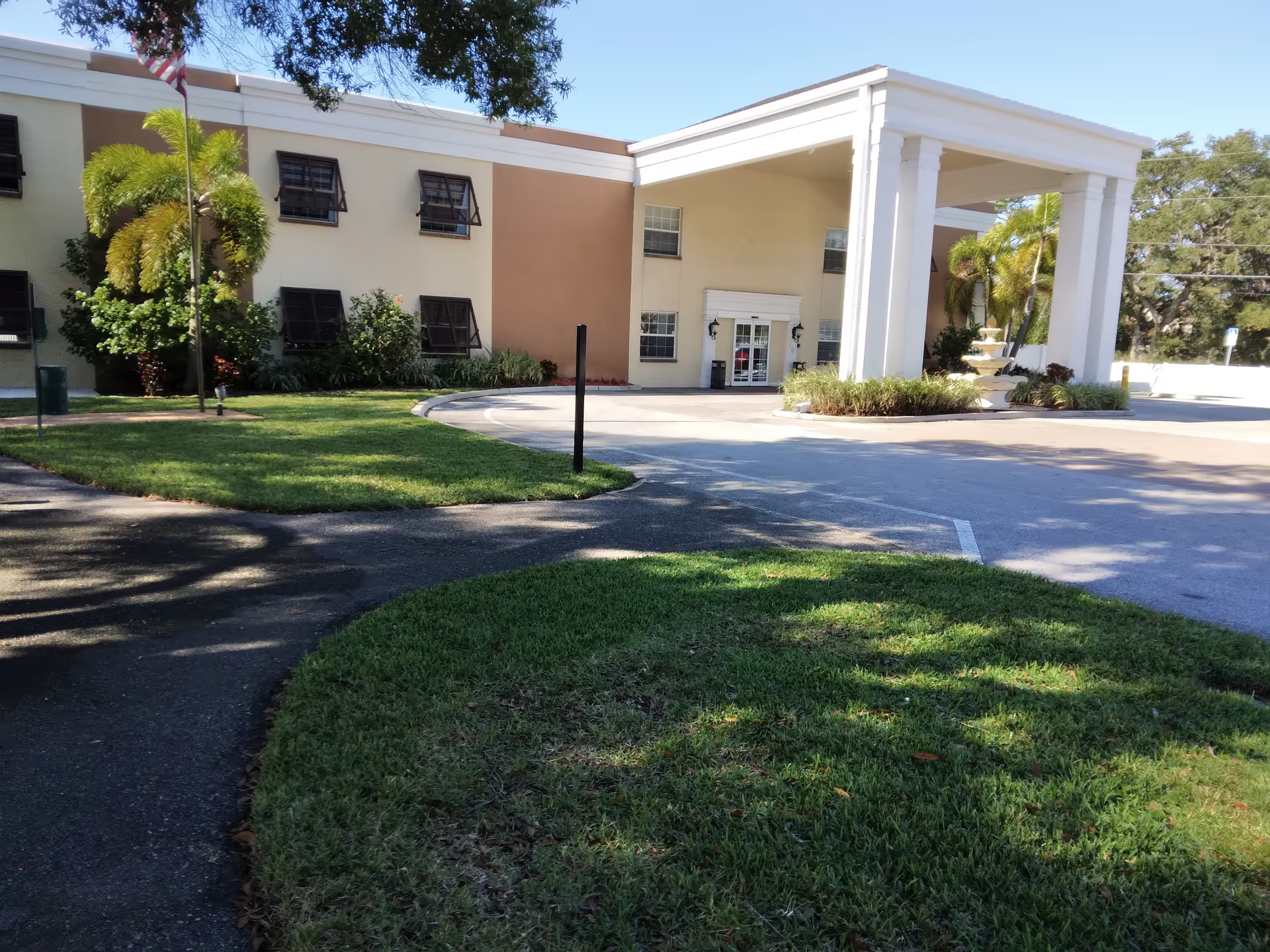
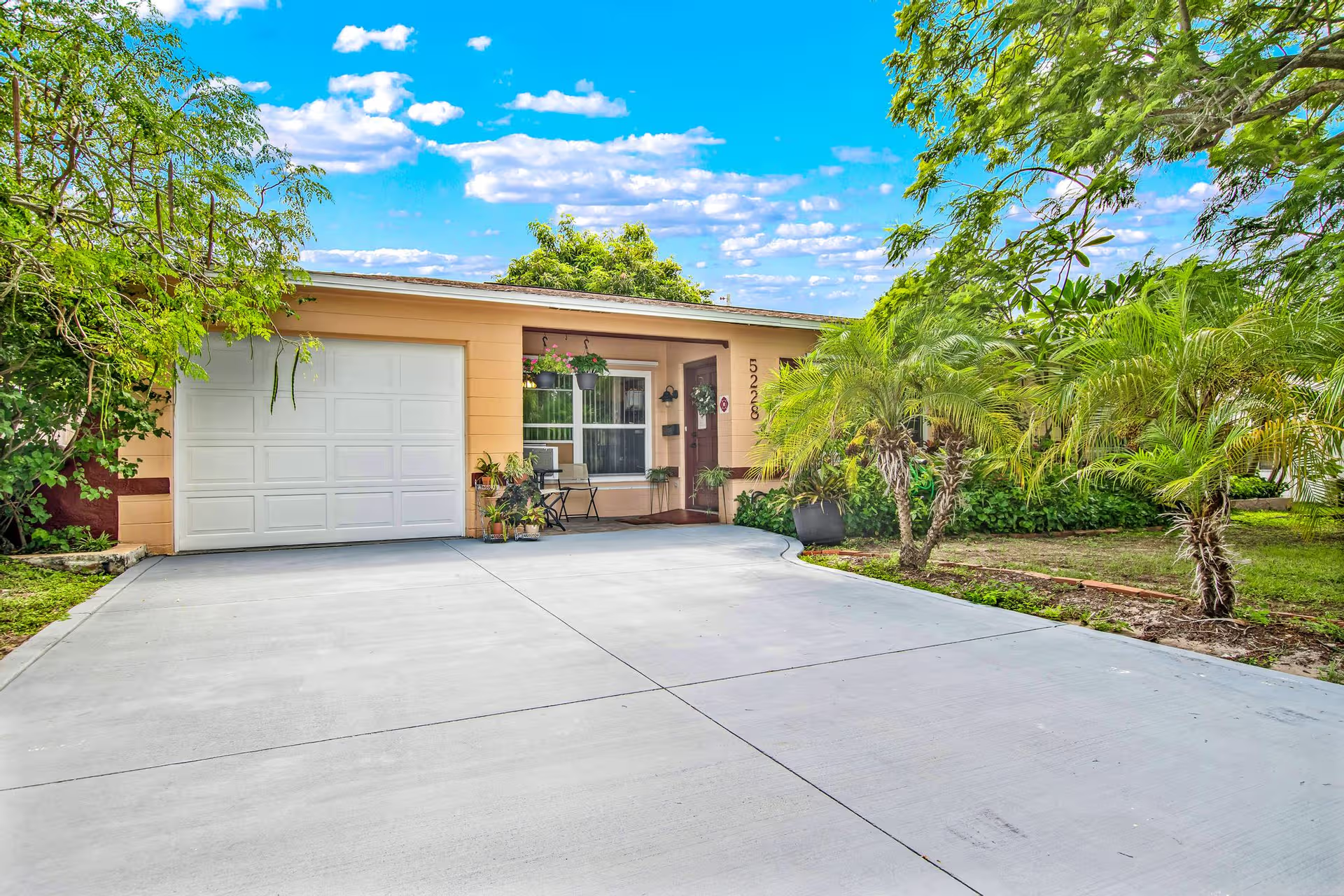
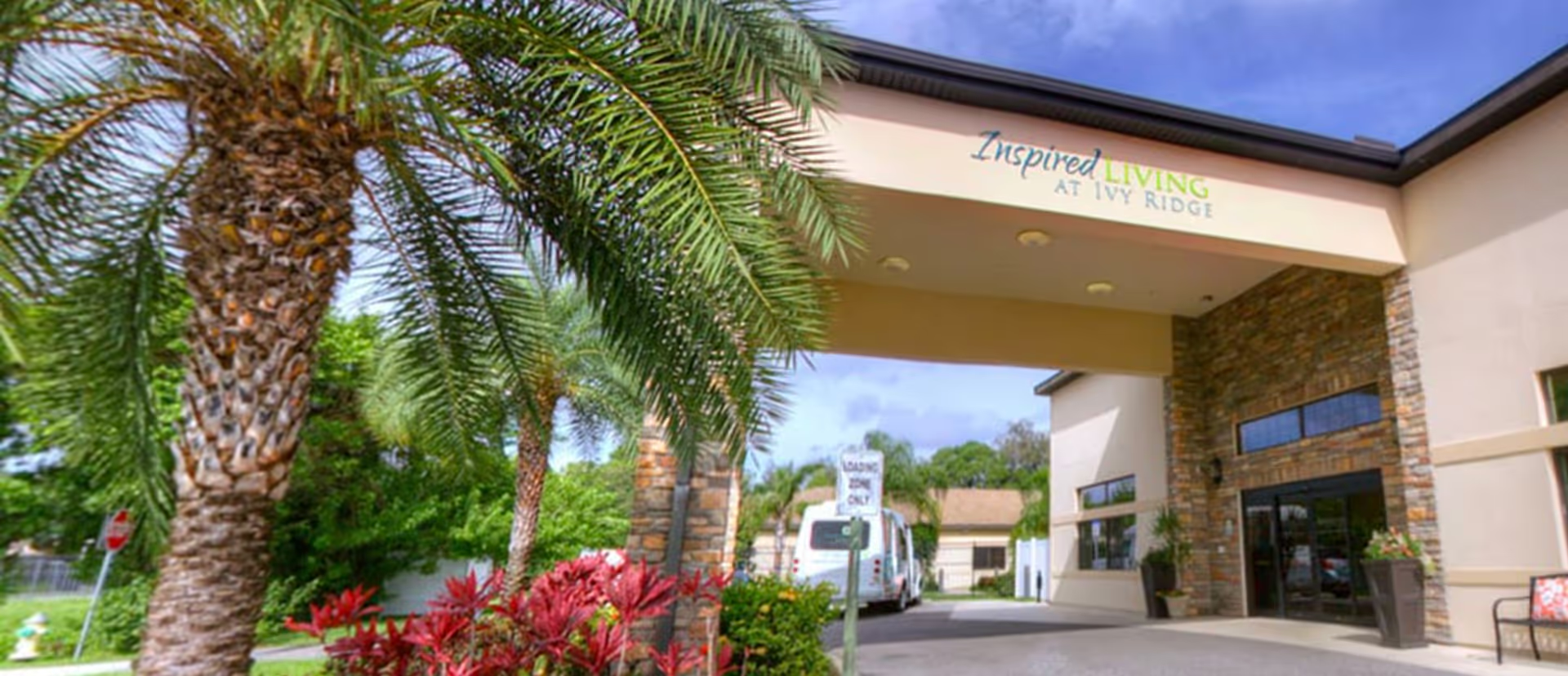
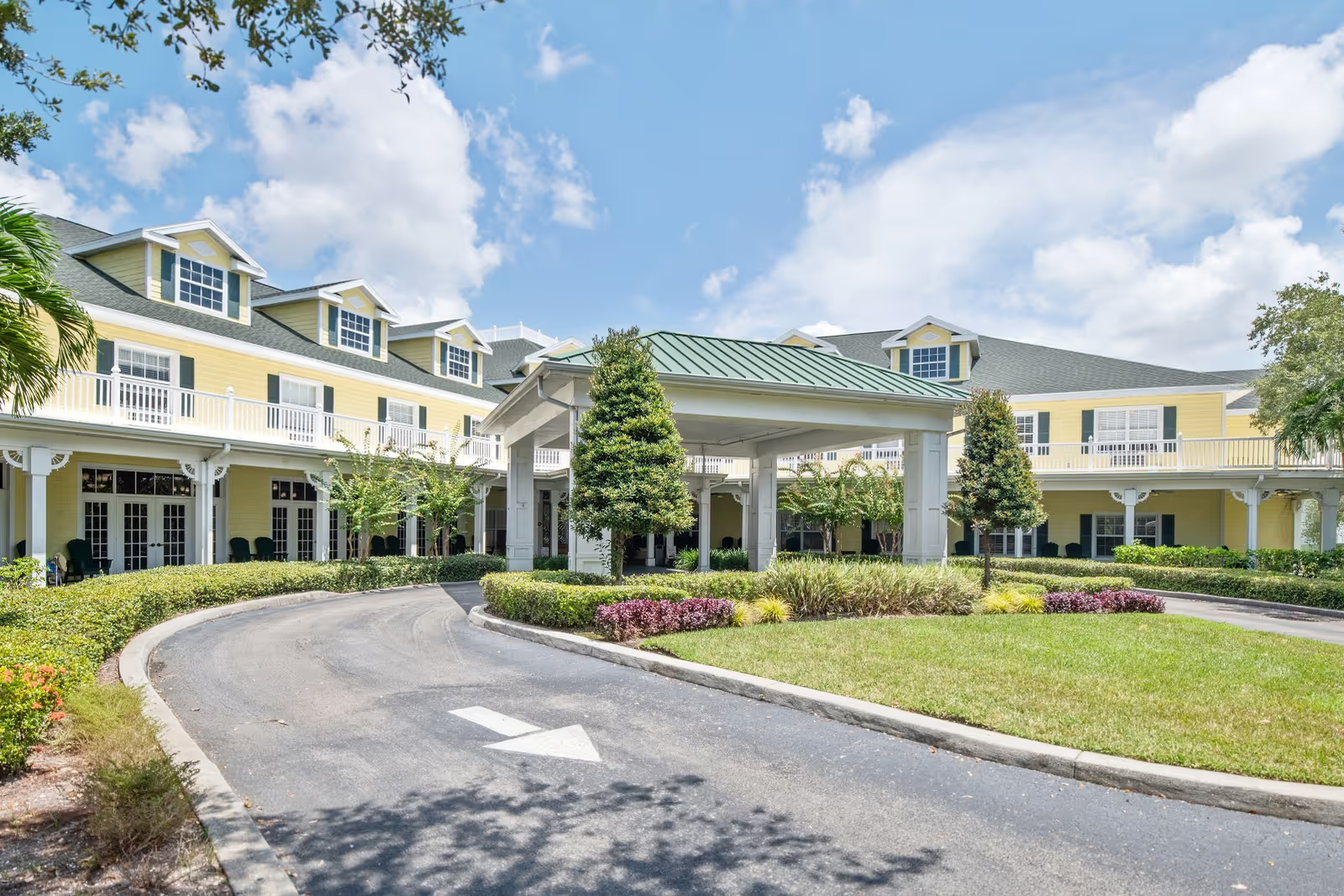
Overall impression Magnolia Gardens presents as a small, single-story assisted living community with many attributes families value: private ensuite rooms, attractive grounds, an intimate scale (approximately 70–80 beds), and a range of on-site amenities such as a salon, library, therapy and activity rooms. A substantial portion of commentary emphasizes a clean, well-kept environment, supportive move-in assistance, affordability options (including Medicaid acceptance in some cases), and a dining program that offers multiple entree choices and frequent praise for fresh, chef-prepared items.
Care and staff Staff interactions are frequently described as a strength: caregiving teams are characterized as friendly, patient, and attentive, and many families report that residents are known by name and treated respectfully. At the same time, reviewers indicate variability in clinical resources. Several notes clarify that the facility relies largely on Med Techs rather than a robust onsite nursing team, and this limited nursing presence contributes to concerns about clinical oversight for residents with higher medical needs. There are also patterns of variable responsiveness and communication with families, and periodic short-staffing that can affect day-to-day support.
Dining and activities Dining is a prominent positive for many: three meals plus snacks, a varied menu with multiple entree choices, and a spacious, integrated dining area are often highlighted. However, meal quality and service continuity receive mixed comments — while some families praise a strong chef and freshly prepared dishes, others describe inconsistent food quality or occasional service lapses. The activities program is well-regarded overall, with frequent, well-run offerings (music, crafts, bingo, outings, exercise classes) and good opportunities for social engagement in courtyard and garden spaces.
Facilities and accessibility The property’s single-story, ranch-style layout and well-maintained grounds appeal to people seeking a less institutional environment. Private rooms, big windows, and multiple room sizes support personalization. Accessibility is uneven: some units are wheelchair-accessible, but reviewers cite limited availability of accessible units and occasional HVAC or hot-water reliability problems. There are also isolated sanitation and pest-control concerns and maintenance issues raised by families, which suggest prospective residents should review recent maintenance and pest-control records during a tour.
Management and notable patterns Management and administrative consistency receive mixed evaluations. Many reviewers praise helpful front-desk staff and effective transition support, while others describe inconsistent leadership follow-through, an ineffective administrator in particular instances, and variability in operational reliability. More serious safety-related remarks appear in a small number of accounts (including incidents that resulted in hospitalization and an eviction), which point to potential gaps in behavioral-management protocols and emergency-response processes. In addition, there are recurring notes about limited capacity for higher-acuity or memory-care residents; the facility may not be equipped for complex clinical or behavioral needs.
Guidance for families Magnolia Gardens may suit prospective residents seeking a smaller, community-oriented assisted living with strong social programming, attractive grounds, and an emphasis on dining and basic daily care. Families should specifically verify clinical staffing levels (nurse presence and on-call medical coverage), emergency-response procedures (medical-alert and oxygen-safety protocols), pest-control and maintenance histories, and the facility’s capabilities for memory care or higher-acuity needs. Ask about unit accessibility, wait-list timelines for preferred unit types, and written examples of how management handles behavioral or acute incidents to assess fit and risk relative to the resident’s clinical profile.