Overview: Reviewer input presents a facility with many institutional strengths alongside recurring operational weaknesses. Families and residents consistently highlight compassionate direct care, a strong memory-care program, and broad programming and amenities that resemble a resort-style community. At the same time, persistent operational patterns—especially around staffing stability, dining consistency, cleanliness in some areas, and management communication—emerge as important areas for prospective families to weigh.
Care and staff: The dominant positive theme is the quality of direct caregiving: numerous comments emphasize attentive, kind, and responsive aides and nursing teams, personalized attention during transitions, and an atmosphere described as family-like. Memory-care staff, activity teams, and therapy clinicians receive frequent praise for engagement, stimulation, and rehabilitation outcomes. However, this strength is counterbalanced by recurring concerns about staffing consistency and turnover. Reviewers link these staffing fluctuations to variable responsiveness (for example, call-button delays) and uneven execution of clinical tasks such as medication administration and wound follow-up. Several reviews also note variability in staff tone and communication style, which can affect family confidence and the resident experience.
Dining and nutrition: Dining is a mixed area. The facility offers a varied menu, café options, and an attentive dining team with some reviewers noting chef-prepared meals and accommodating substitutions. Activity-linked dining and social meals are described positively. Conversely, reviewers cited inconsistent meal temperature, occasional unbalanced offerings, and meal-timing concerns. Service disruptions related to kitchen operations and storm/repair events were also mentioned. These patterns suggest that while menu variety and meal programming are strengths, operational reliability and meal delivery temperature/timing control can be inconsistent.
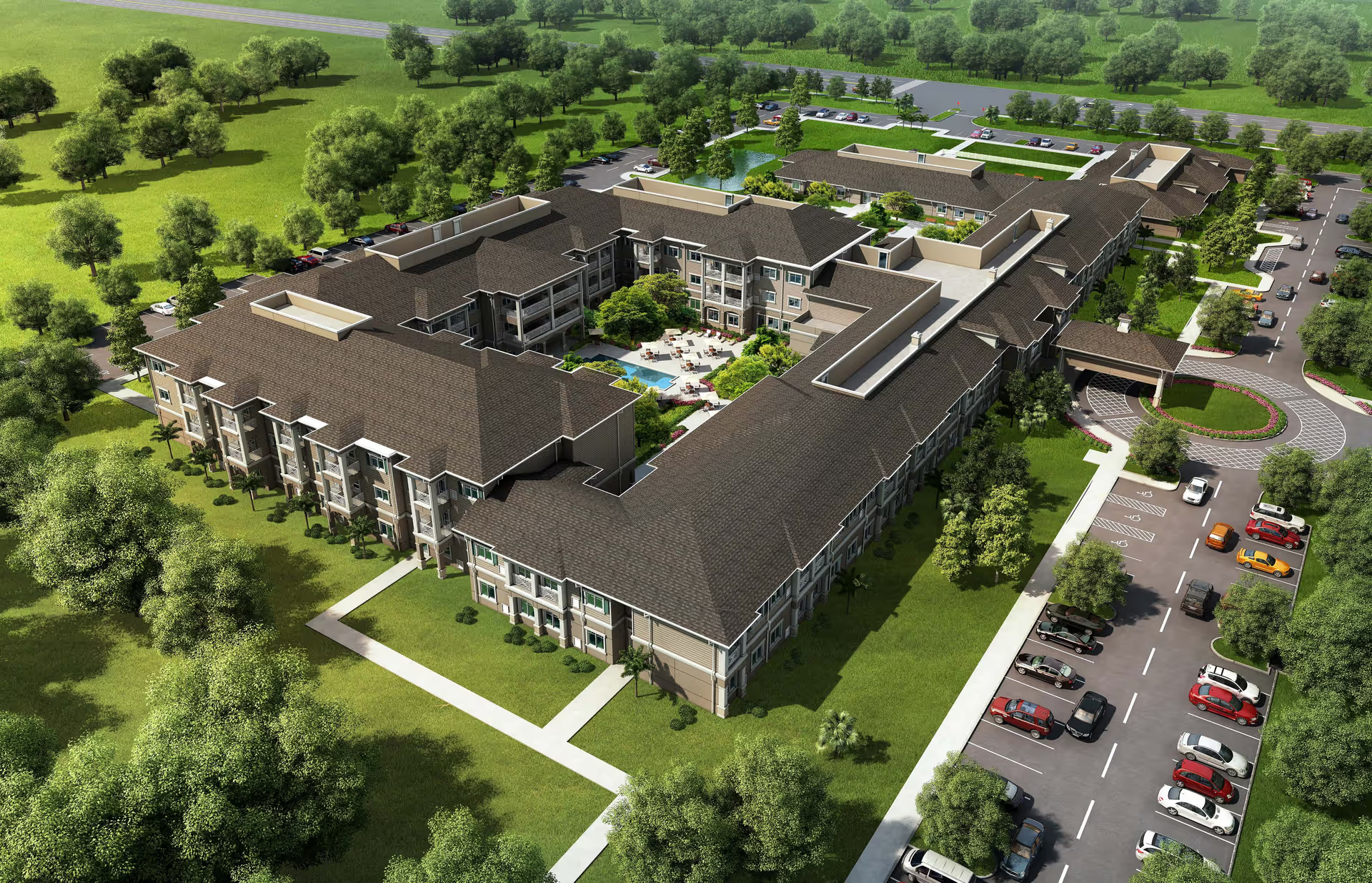
Activities and amenities: The community's activity roster and physical amenities are clear assets. Families cite robust daily programming (music, crafts, exercise, outings), accessible transportation, an indoor garden, and multiple communal spaces. On-site therapy services, a pool, theater, salon, and pet-friendly options contribute to resident engagement and quality of life. Limitations noted by reviewers include activity formats that may not appeal to every resident demographic (for example, fewer male-focused options) and physical constraints for residents who use mobility aids; still, overall programming is a major positive.
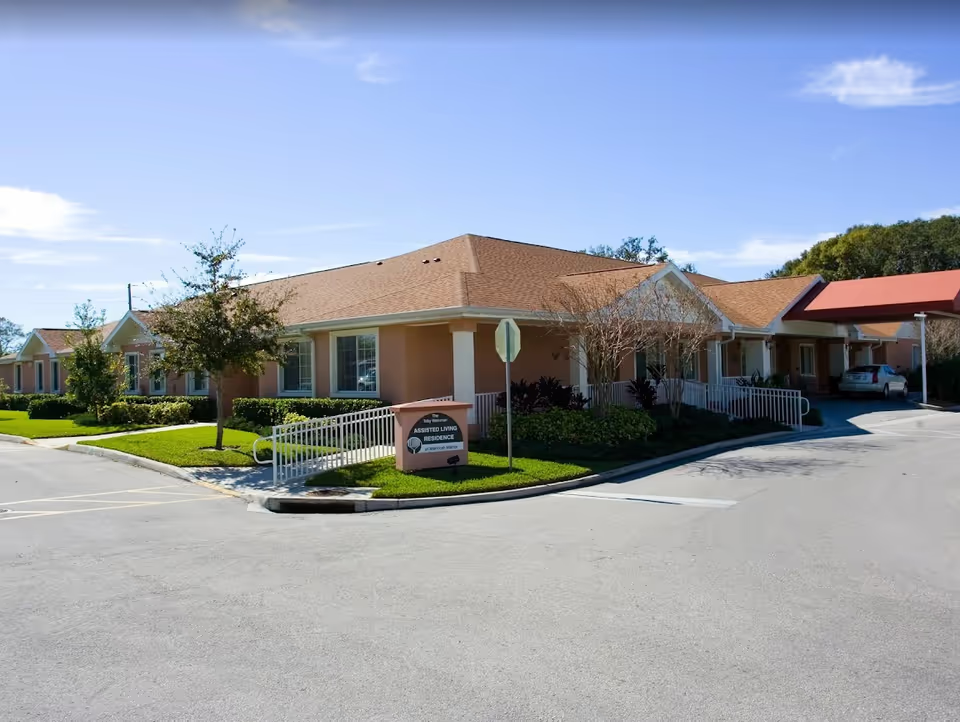
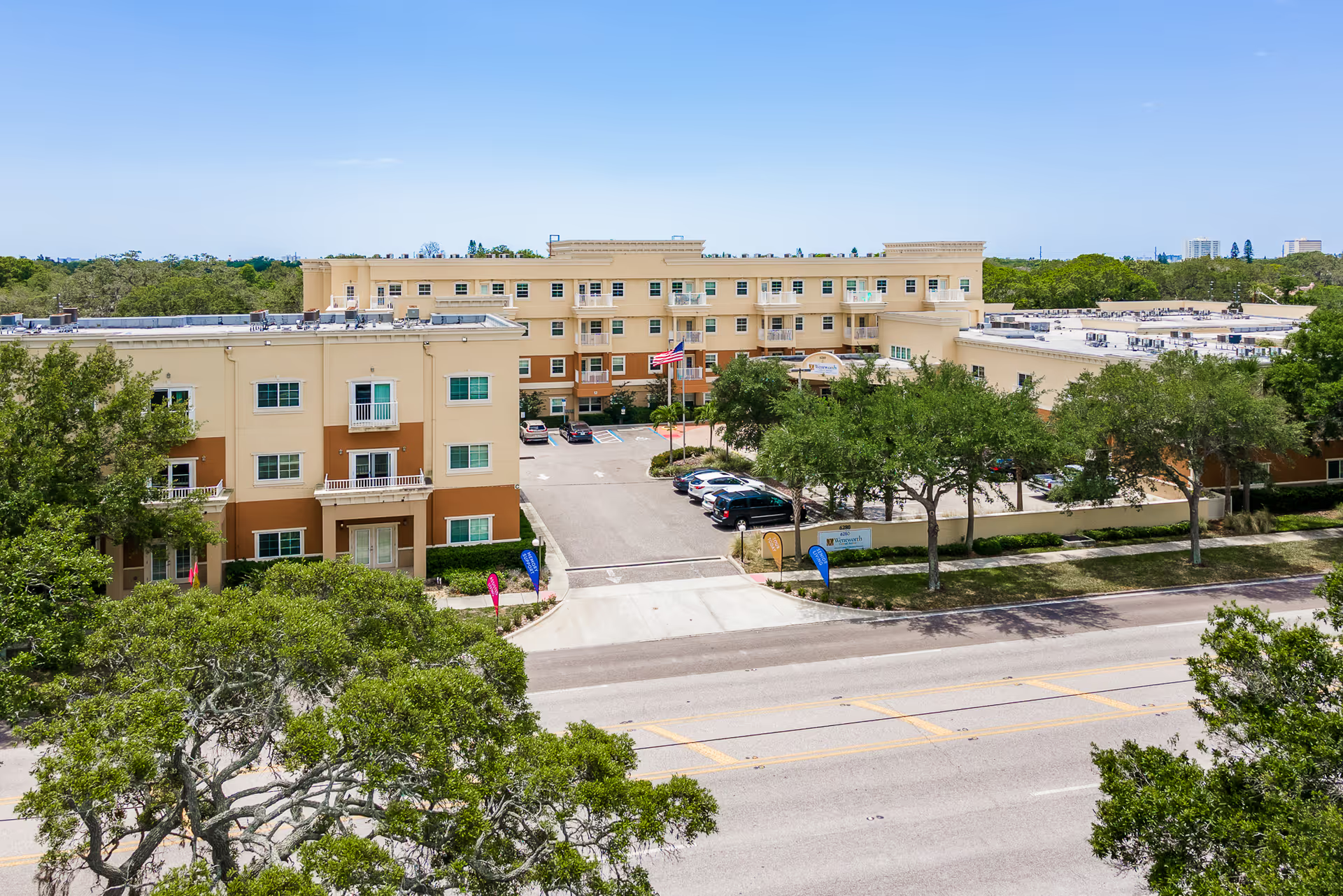
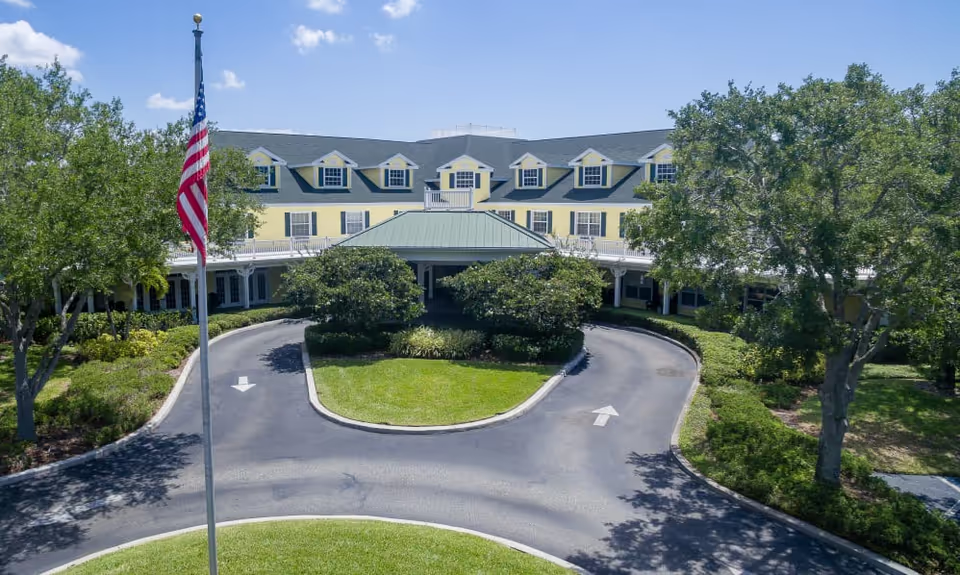
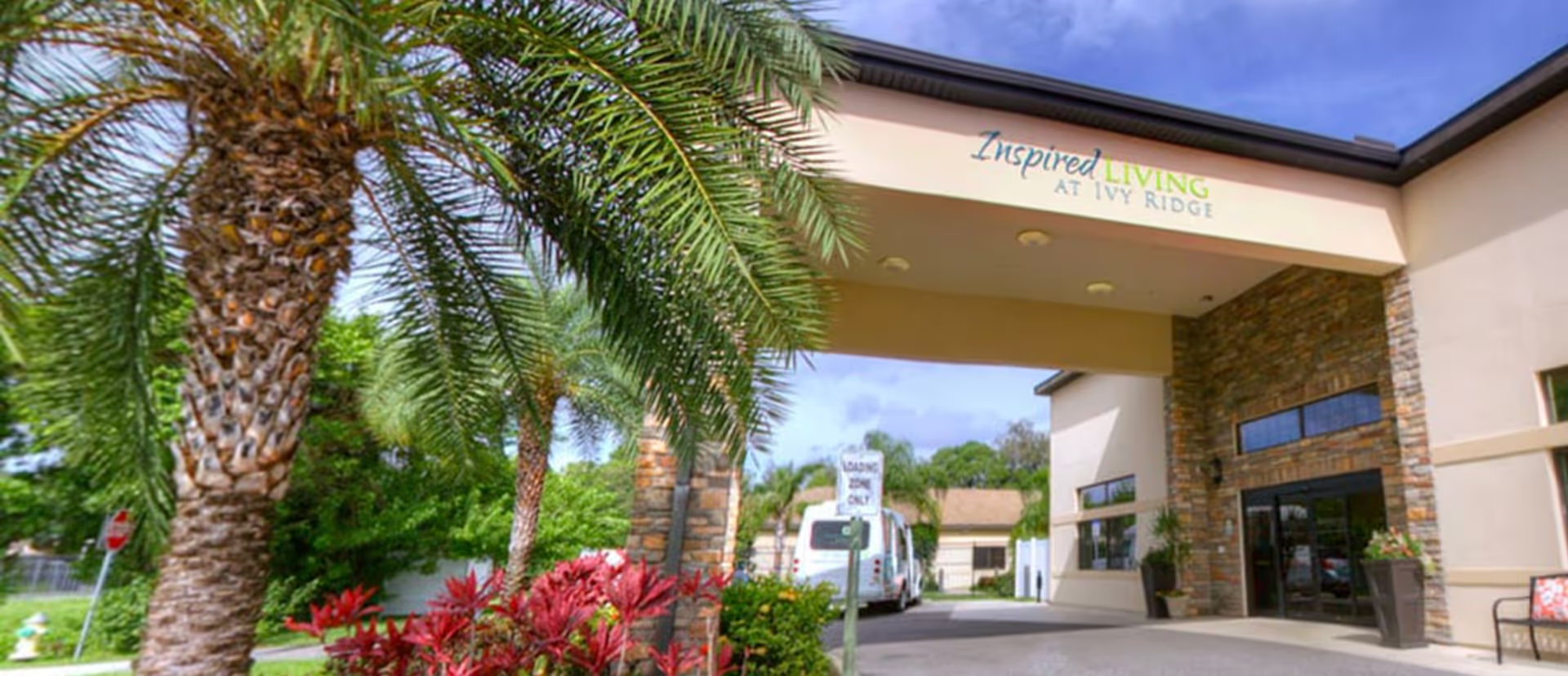
Facilities and operations: Physically, the facility is often described as bright, well-decorated, and hotel-like, with flexible apartment types and memory-care design features. Practical concerns include limited direct outdoor access for some upper-floor units, constrained apartment sizes in some plans, and insufficient reclining or comfortable seating in communal areas. Operationally, reviewers raised intermittent sanitation and housekeeping issues in certain areas, occasional pest-control concerns in food zones, and lapses in personal property management (misplaced or mislabeled clothing). These are operational traits to monitor during tours and follow-up conversations.
Management and notable patterns: Management engagement is a differentiator: numerous reviewers praise proactive directors who communicate by phone, email, and FaceTime and who facilitate smooth move-ins and crisis responses. Conversely, there are multiple accounts linking ownership or leadership transitions to temporary declines in service consistency. Post-admission communication gaps, delayed incident follow-up, and perceived inconsistencies in applying policies are recurring themes. Together with staffing instability, these management-level patterns appear to drive many of the negative experiences described.
Recommendation notes: For families considering this community, the strengths are clear: a caring direct-care staff, strong memory-care programming, robust activities, and well-appointed amenities. Prospective residents and families should balance those positives against operational weaknesses—ask targeted questions about current staffing ratios and turnover, meal service procedures, sanitation practices, personal property controls, call-response times, and recent management changes. Observing meal service, reviewing staffing schedules, and requesting recent incident and quality metrics can help clarify whether the facility’s operational issues have been addressed or remain areas of risk.