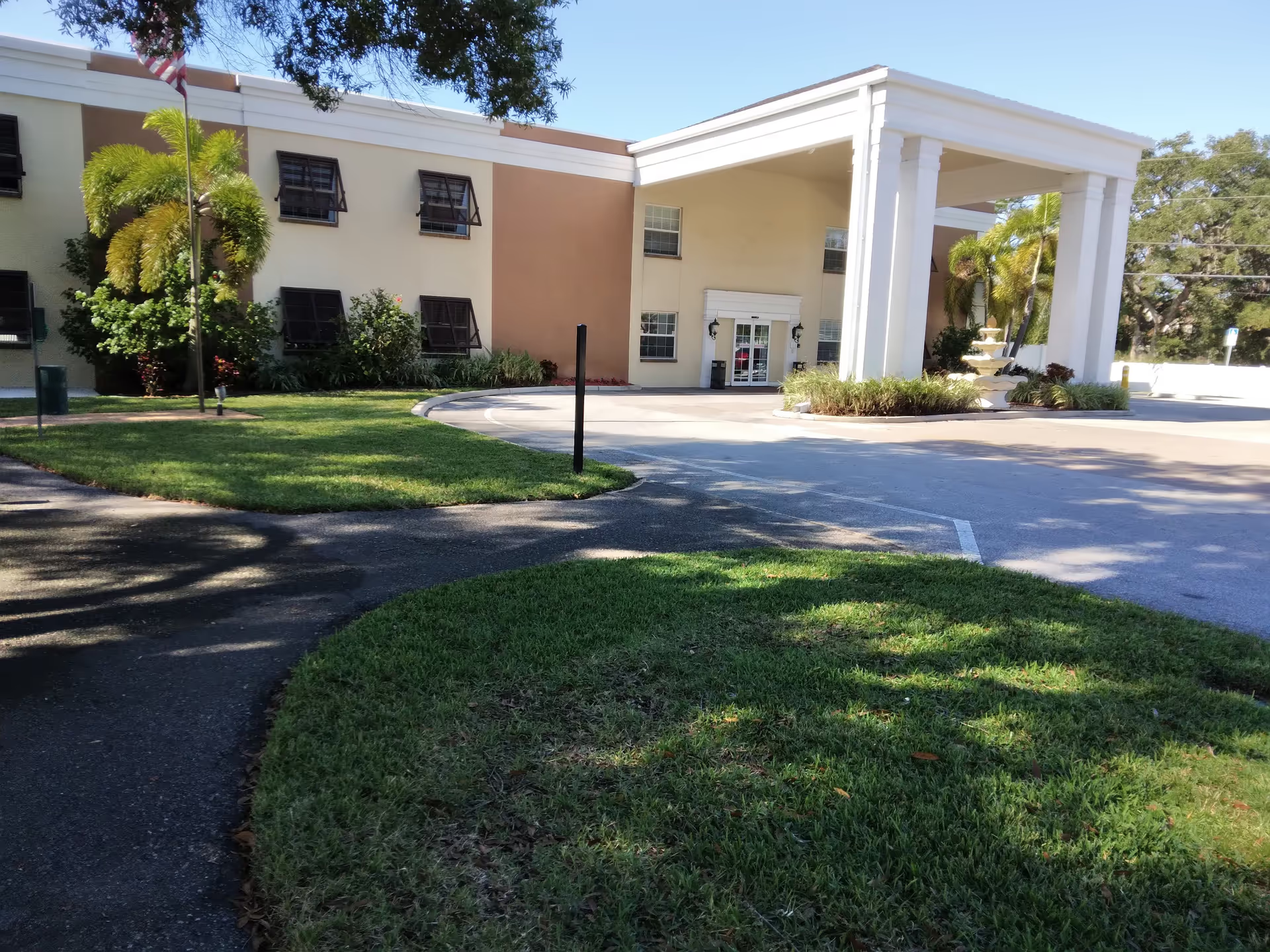
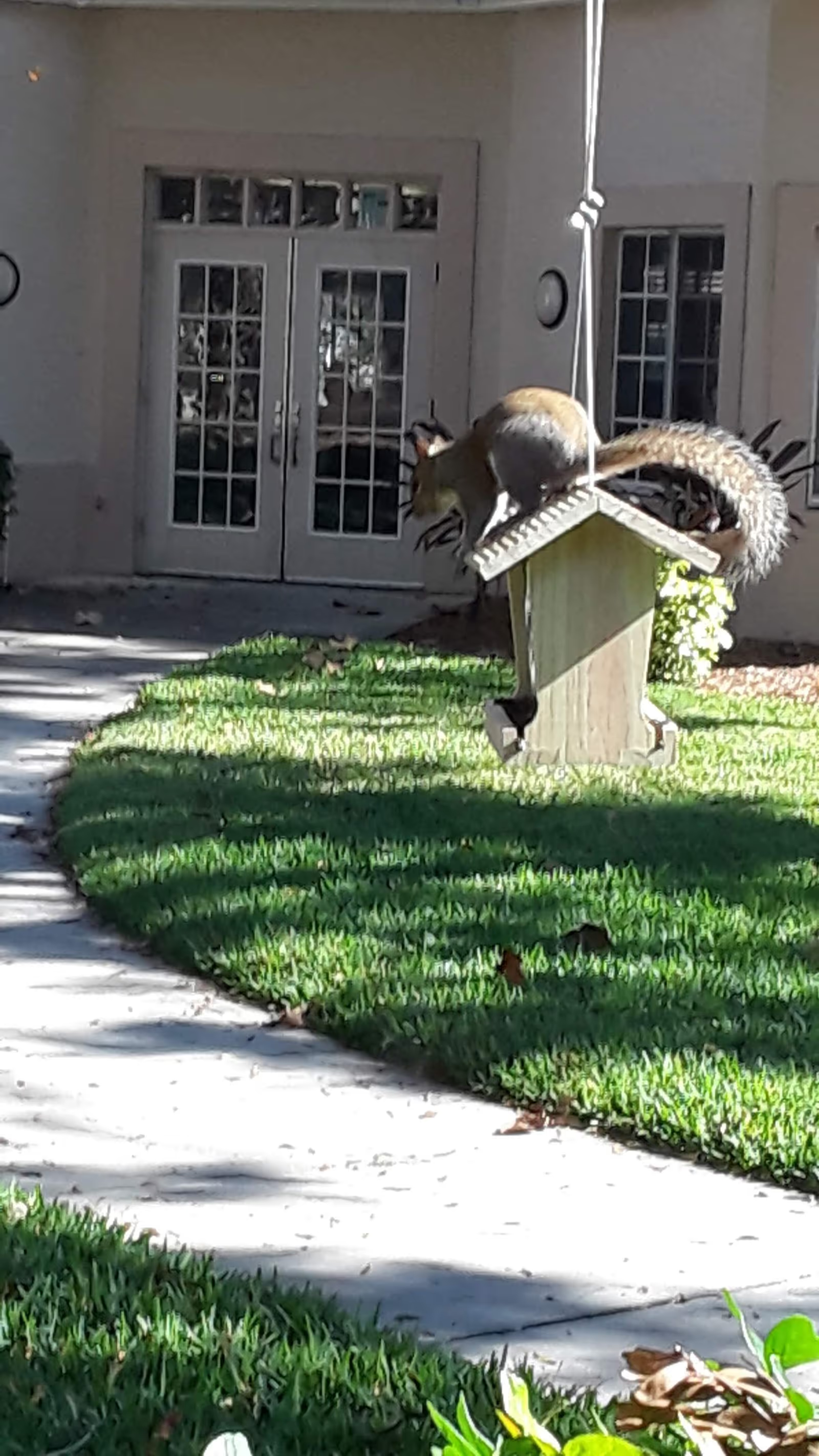
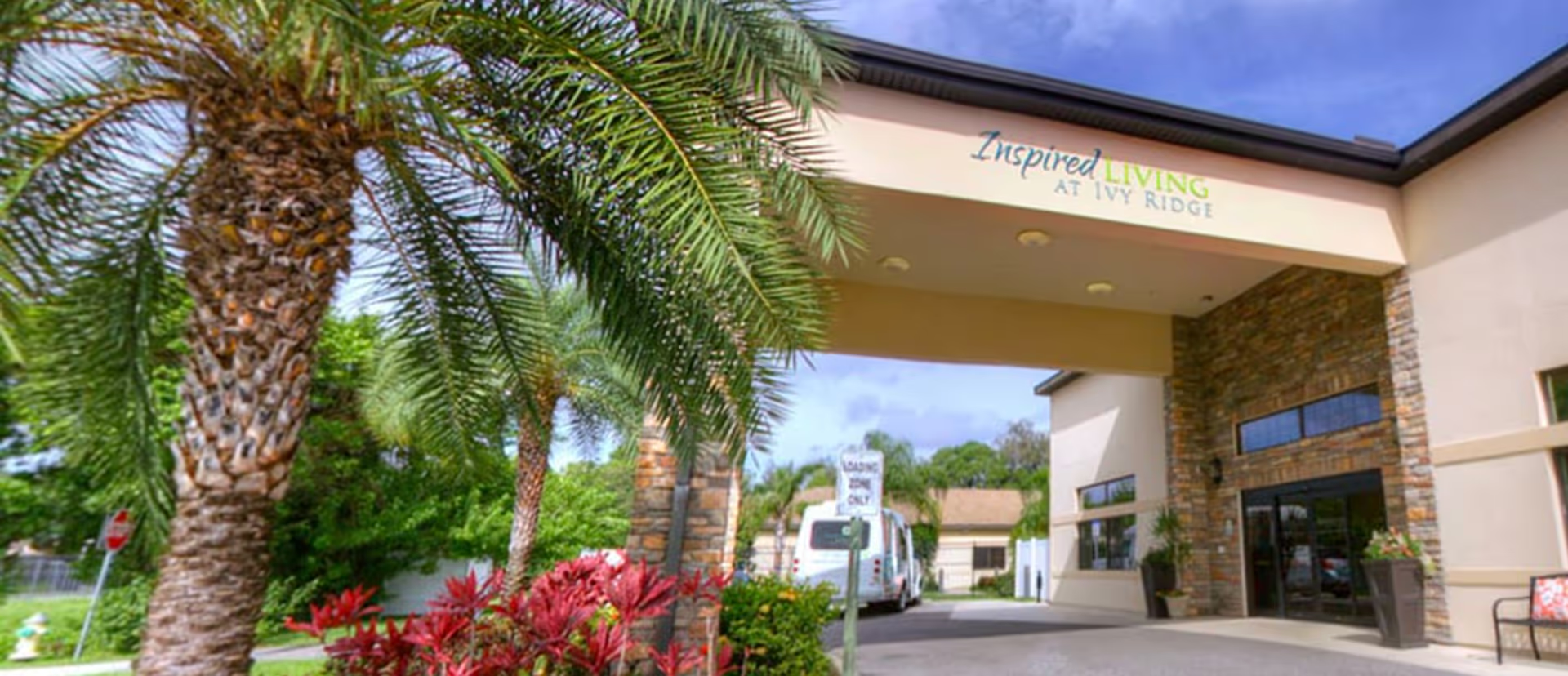
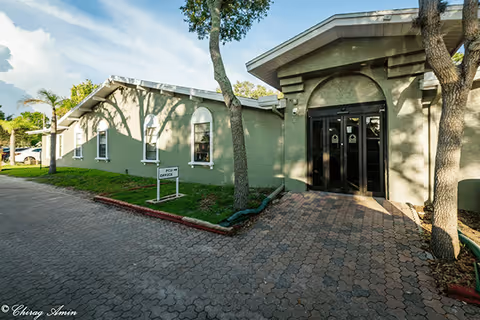
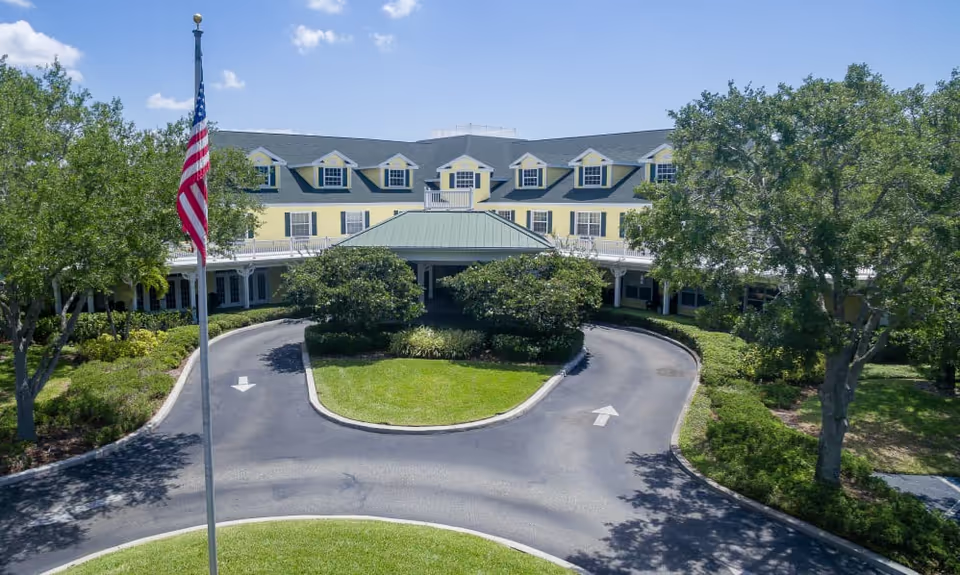
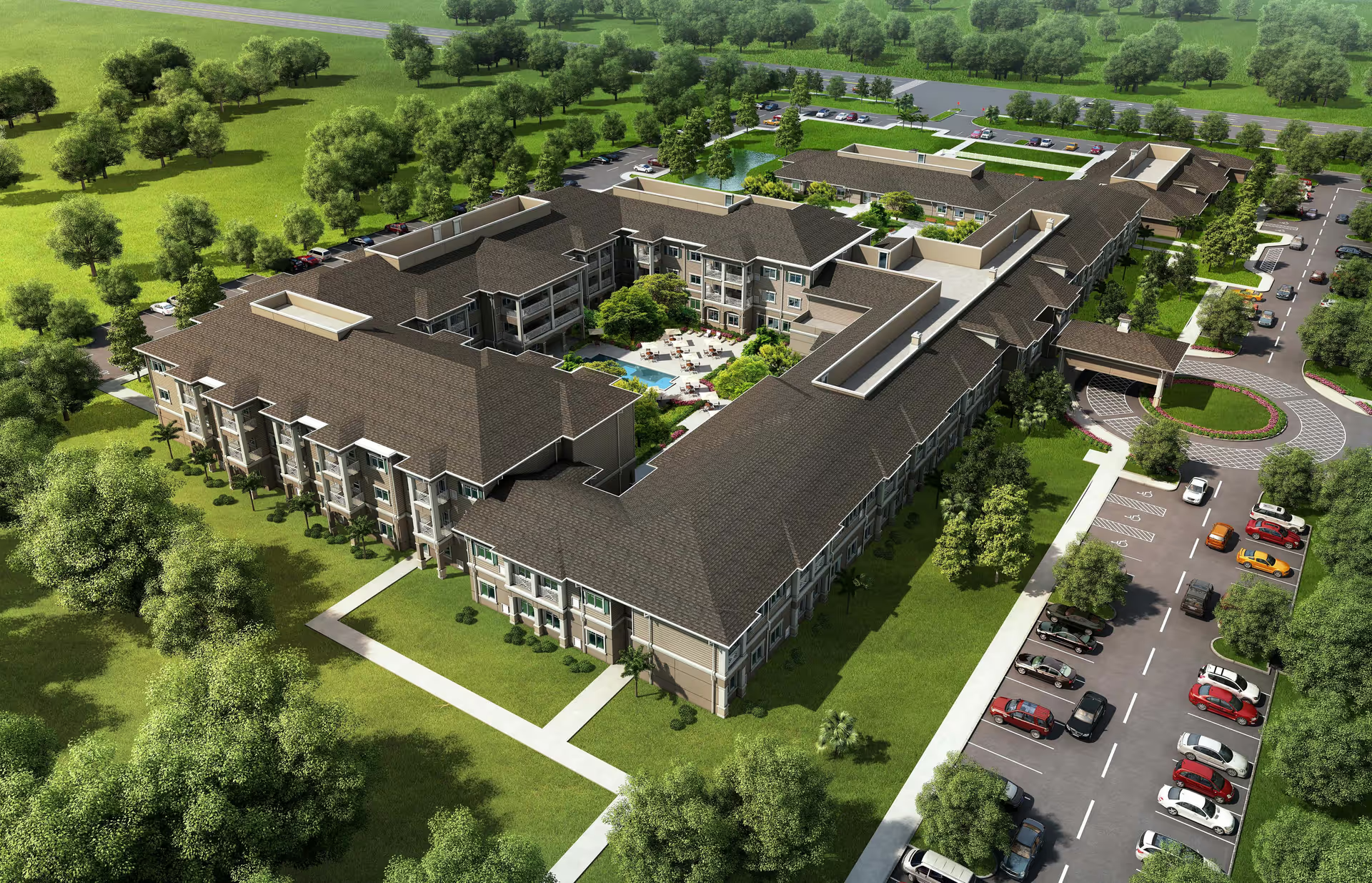
The body of reviews for Pinellas Park Post-Acute and Rehabilitation Center is highly mixed, with a clear split between strong praise for individual caregivers and recurring operational concerns that affect the resident experience. Positive feedback focuses on clinical rehabilitation, interpersonal care, and social programming: many accounts highlight a skilled therapy team that helped residents regain mobility, nurses and aides who demonstrated compassion and patience, and organized activities (bingo, cookouts, holiday events) that supported resident engagement. Several families also singled out front-office and maintenance staff for helpfulness and responsiveness, and some reviewers described effective hospice and end-of-life compassion.
However, the collection of critiques indicates consistent operational weaknesses. Staffing and responsiveness are frequent themes: reviewers describe uneven staff availability, high CNA workloads, and prolonged delays in answering call lights or assisting residents. These delays extend to incontinence care and basic assistance, creating care-timing and dignity concerns. Clinical coordination issues are also noted — including medication-administration lapses, missed treatments, and inconsistent therapy follow-through — which can affect clinical outcomes and family confidence.
Facility- and environment-related concerns are another recurring pattern. Several reviewers raised sanitation and odor concerns in resident rooms and some common areas, along with pest-control concerns linked to food-preparation and resident areas. Maintenance shortcomings — such as malfunctioning air conditioning, damaged beds or wheelchairs, frayed cords, and isolated mold concerns — were reported alongside praise for particular maintenance staff who addressed issues when available. Dining is described inconsistently: some families praised well-prepared meals, while others reported cold trays, poor food quality, and lapses in honoring dietary restrictions.
Management and accountability emerge as a significant theme. Multiple reviews express frustration with administrative responsiveness, including slow or absent callbacks, limited on-site supervision, and uneven social-work support during transitions. These governance gaps are cited as contributing to unresolved operational problems and inconsistent enforcement of policies (including visitation). At the same time, several accounts attribute strong outcomes to specific team members and note occasions of proactive, family-centered communication.
Notable patterns for prospective residents and families to consider are the polarized nature of experiences and the mix of strong individual caregivers with systemic operational gaps. When evaluating the facility, it is advisable to: (1) observe staffing levels during different shifts; (2) ask about incontinence-care protocols, medication-administration safeguards, and fall-prevention practices; (3) inspect cleanliness and pest-control measures; (4) review meal service procedures and dietary-accommodation processes; and (5) seek clarity on lines of administrative accountability and expected response times. These steps can help determine whether the facility’s strengths in therapy and compassionate caregiving are matched by reliable operational practices that meet your relative’s needs.