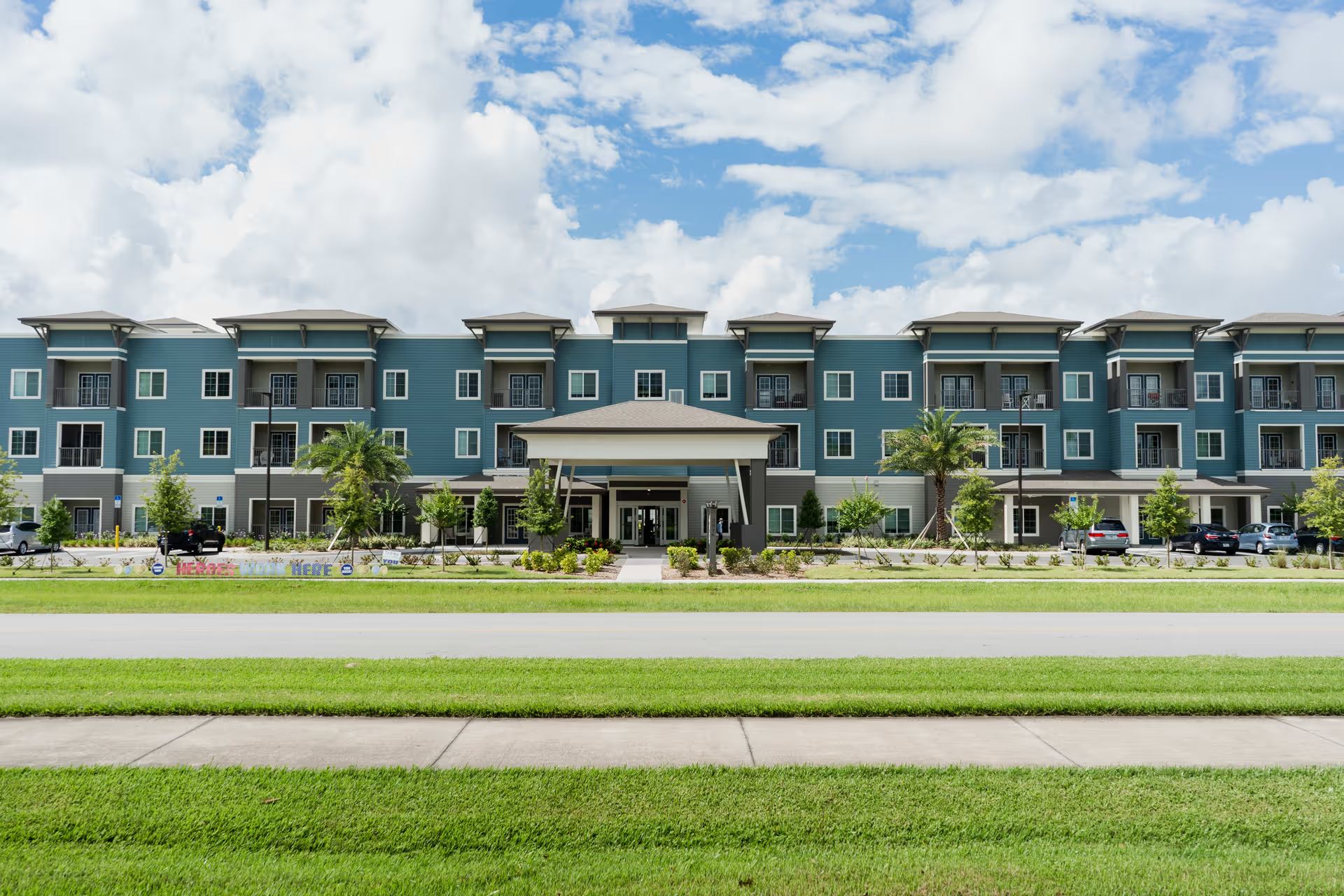
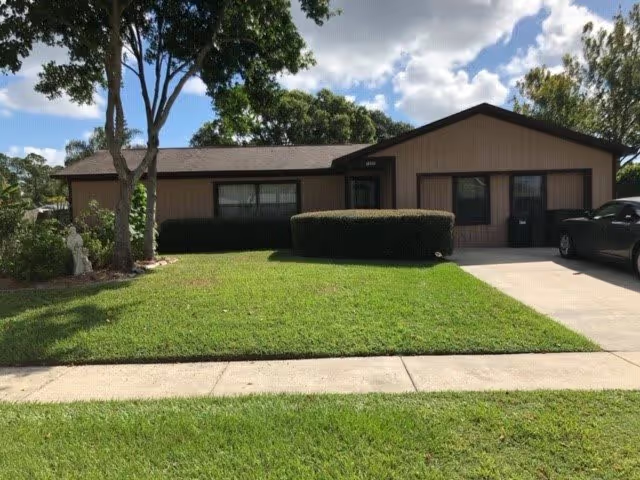
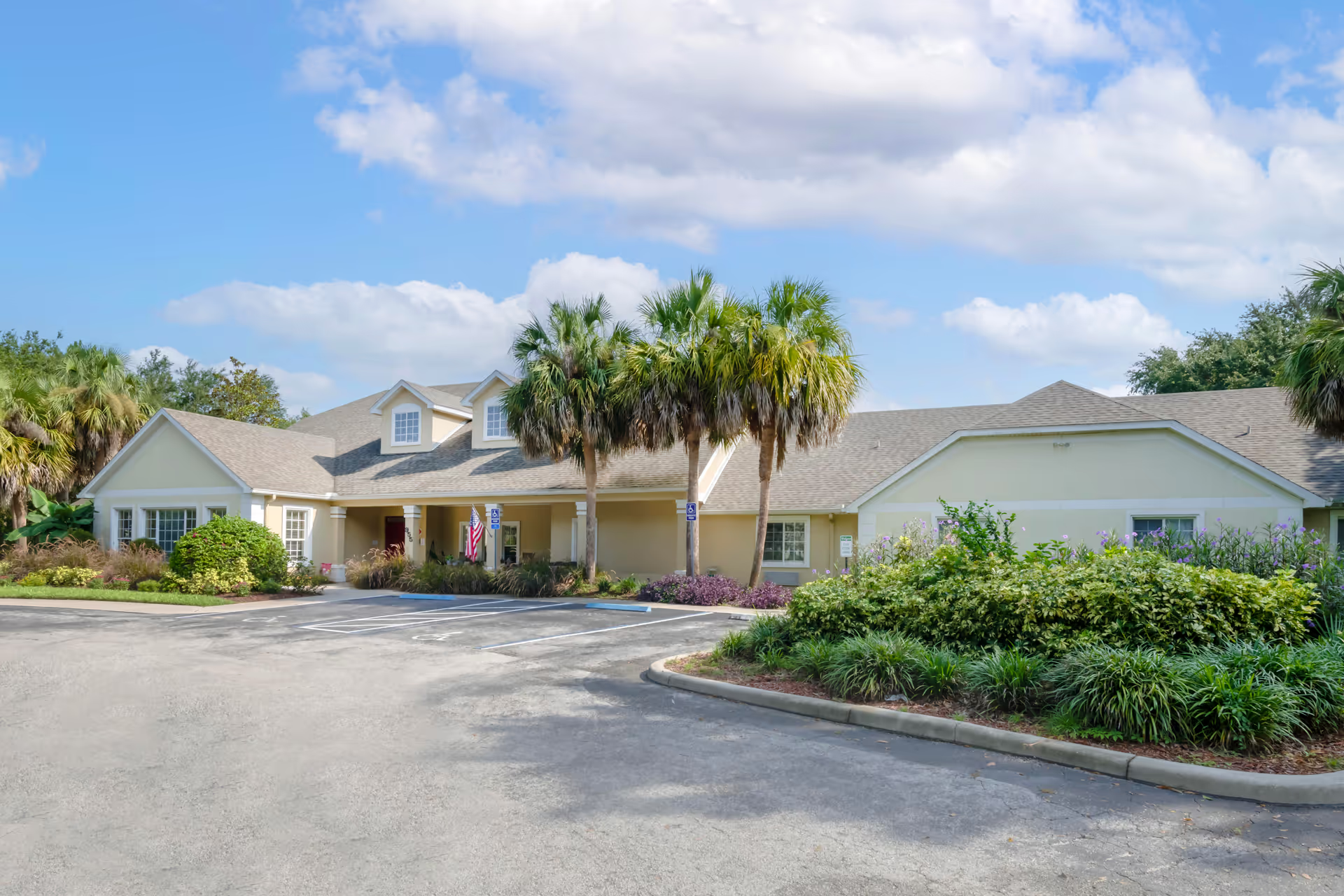
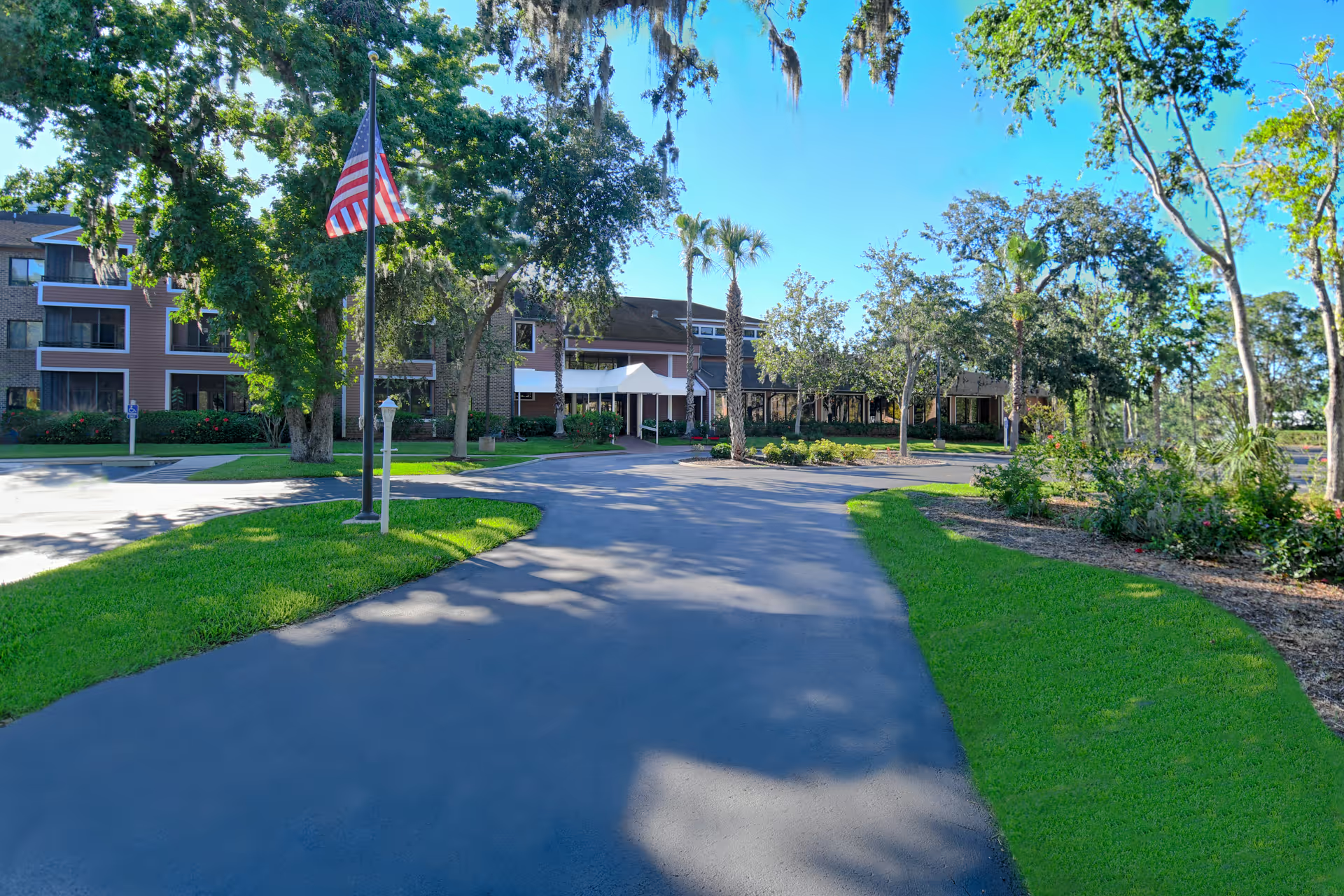
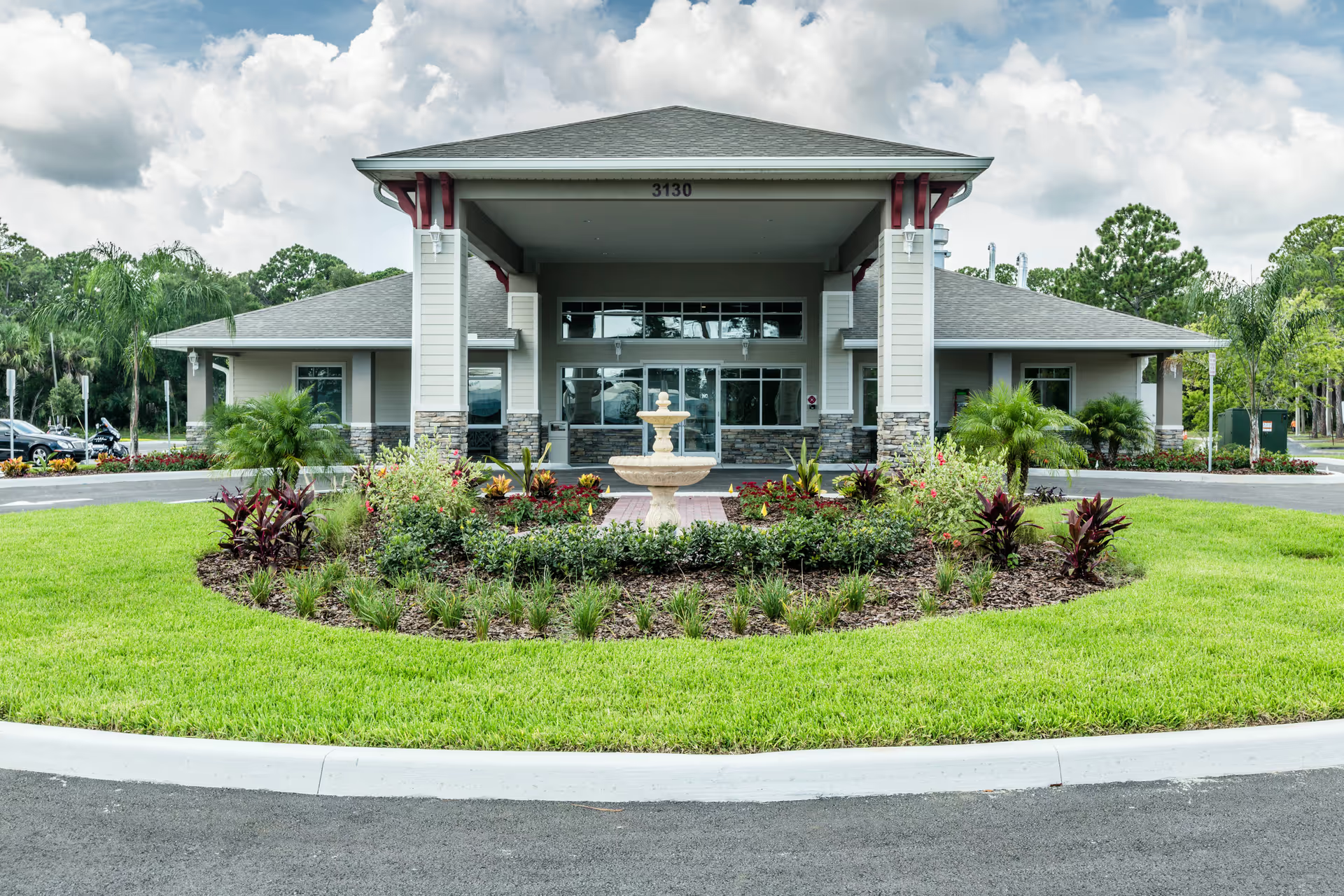
Reviews of Colliers Assisted Living at Port Orange present a mixed but actionable picture. Many families describe a warm, attractive facility with a welcoming atmosphere: well‑maintained common areas, comfortable apartments, and an active calendar of social, cognitive, and recreational programs. Memory-care services are highlighted positively by multiple reviewers, who cite attentive staff, frequent activities, and improved resident engagement. Several accounts note that nursing and caregiving teams have provided compassionate, resident‑centered support and that transition and move‑in processes were accommodating.
Counterbalancing those positives are consistent operational concerns that prospective families should evaluate. Staffing levels and turnover are frequently cited as underlying causes of variable care: when staffing is adequate reviewers describe timely assistance and thorough personal care, whereas understaffing corresponds with delays in medication administration, irregular bathing schedules, and inconsistent incontinence care. There are also concerns about staff training and supervision that appear linked to uneven care quality and to lapses in safe, timely responses to clinical needs.
Administrative and financial issues recur in reviews. Several families describe poor communication from leadership or business office staff, billing-process inconsistencies, unexpected price increases, and opaque autopay practices. There are also serious allegations regarding unauthorized billing and bank withdrawals; these are described as individual claims and should prompt direct verification with facility management and documentation before moving forward. Reviewers additionally noted variability in food-service continuity and occasional reductions in snack or menu offerings, which can affect resident satisfaction.
Facility-level safety and maintenance oversight is another area to probe. Some reviewers praised safety monitoring and prompt notifications, while others noted environmental maintenance gaps that contributed to fall risk and dining-area hygiene concerns. Given the divergence in experiences, a practical approach for families is to visit in person, review recent staffing ratios and turnover statistics, request current medication‑management and incident-response protocols, inspect housekeeping and dining operations, and clarify billing/autopay and refund procedures. Asking for references from current residents’ families and for documentation of recent inspections or corrective actions will help assess whether positive practices are consistent and whether the cited operational weaknesses have been addressed.