Overall impression: Reviews for Angels Senior Living at Sarasota are mixed but lean positive on day-to-day resident experience, staff engagement, and amenities. Many families emphasize warm, compassionate caregivers, an active and well-resourced activities program, appealing meals, and a clean, attractive physical environment. At the same time, a minority of accounts raise significant clinical and operational concerns that potential residents and families should evaluate directly.
Care and staff: Numerous reviewers described caring, attentive staff and administrators who provide personalized attention, one-on-one listening, and family involvement. The presence of on-site registered nurses and coordination with outside physicians, physical therapy, and occupational therapy were cited as strengths. However, other reviewers cited periods of high staff turnover, staffing shortages, and gaps in training or supervision. These operational issues are associated in some accounts with inconsistent care for residents with higher-dependency needs and with occasional delays in responding to personal-care tasks.
Dining and activities: Dining is consistently reported as a strength: home-style, healthy meals, à la carte options, and staff who monitor and support residents' weight and nutrition. Activities programming is a prominent positive feature — a dedicated activities director, frequent live entertainment, games, movie nights, pet therapy, and memory-care engagement designed for residents with cognitive impairment.
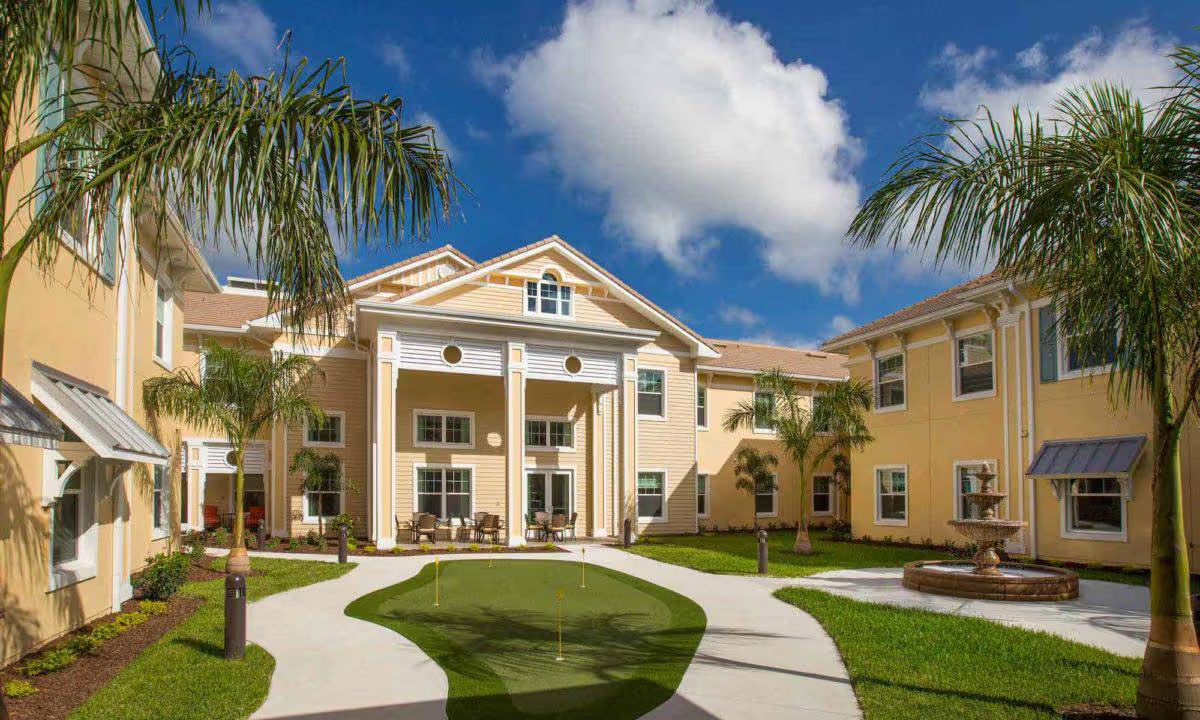
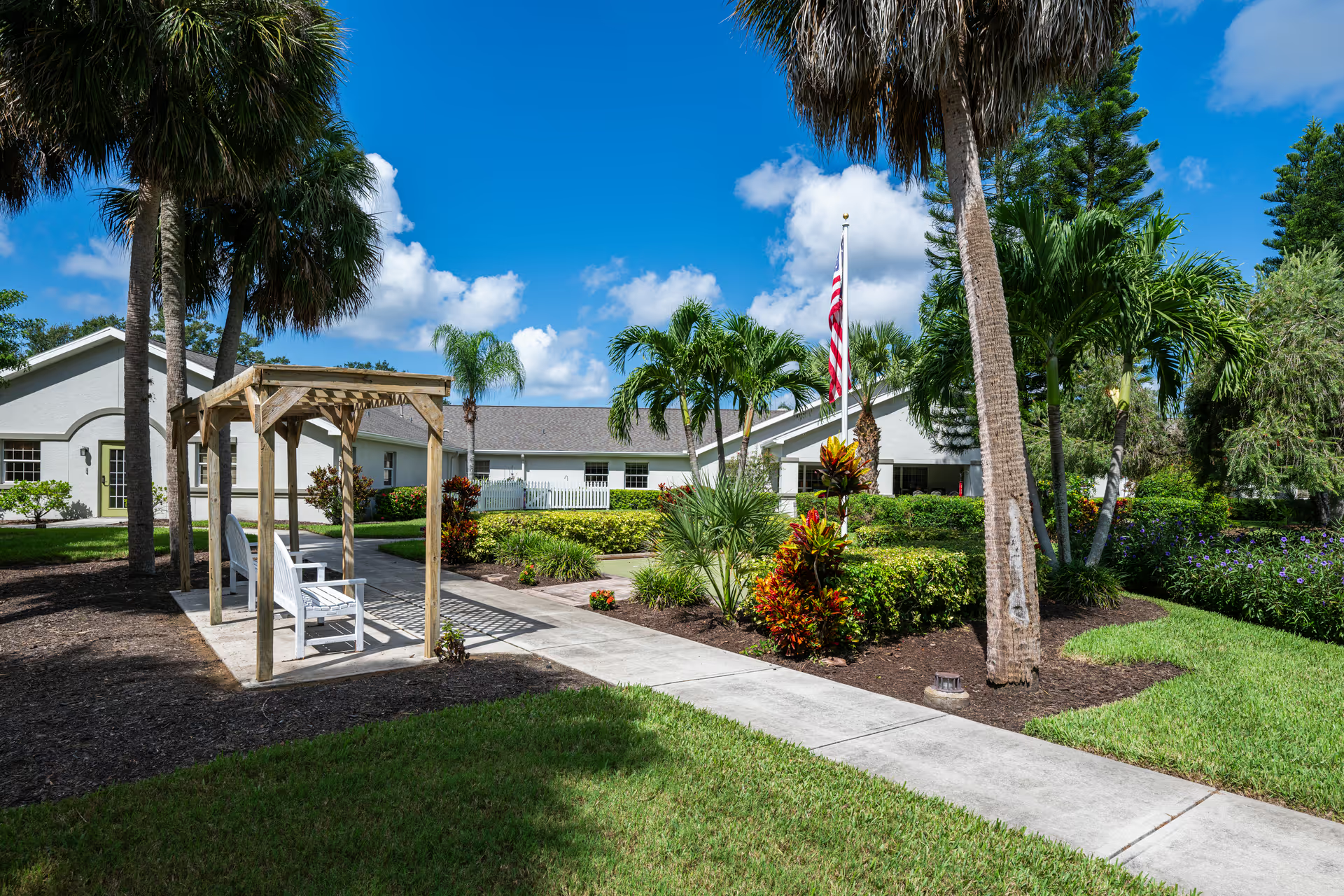
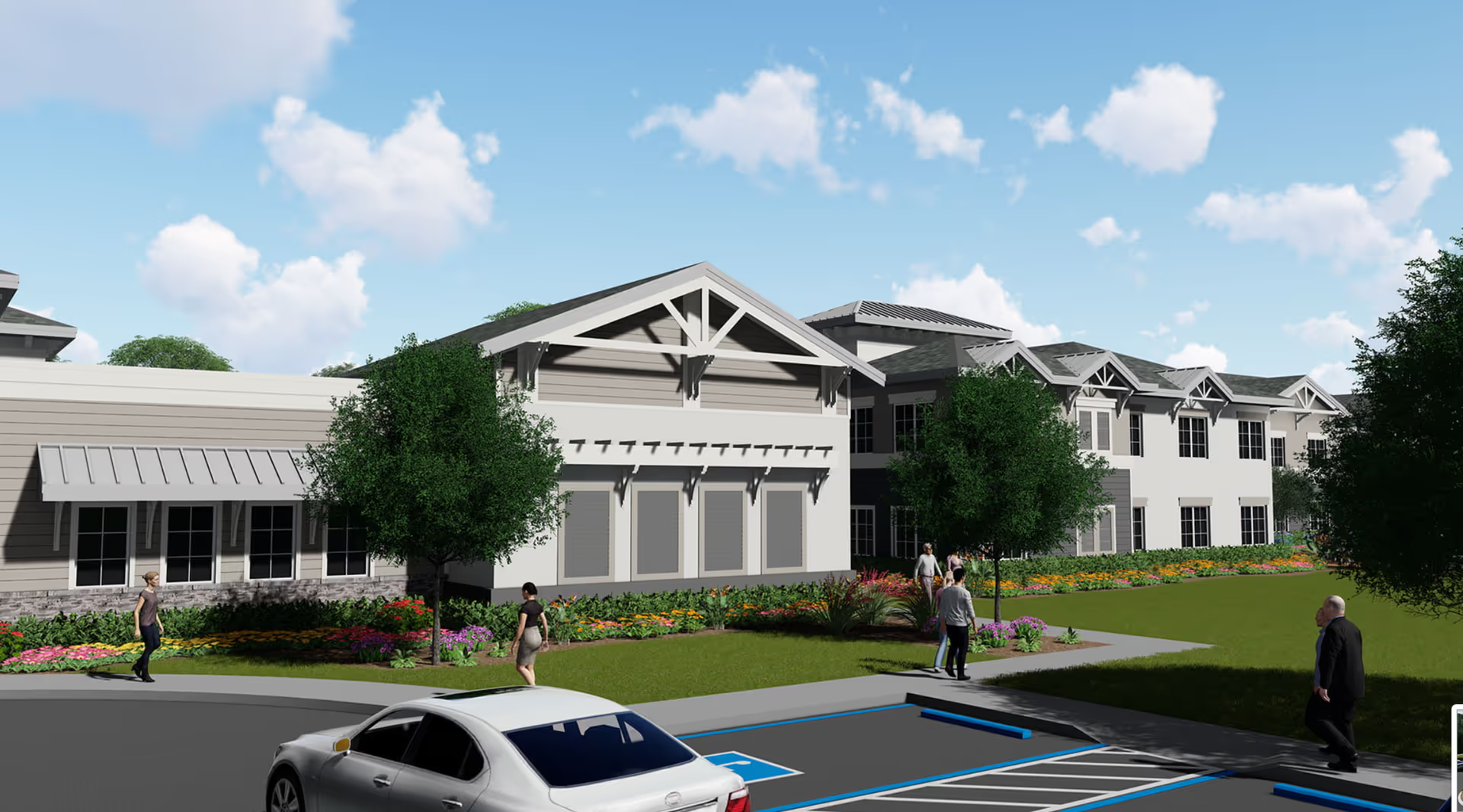
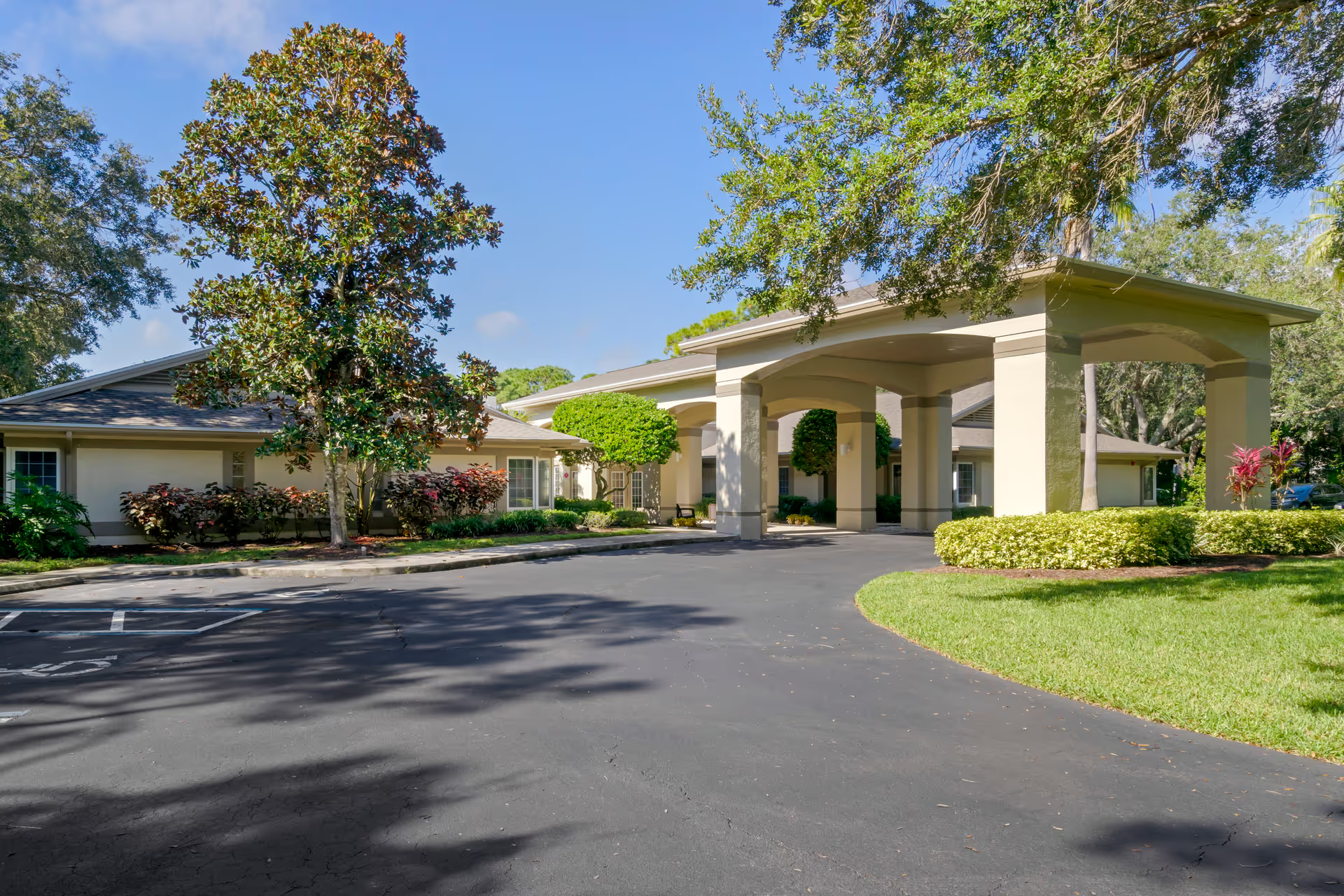
Facility and cleanliness: Many reviewers praised the facility as relatively new, spacious, and well-maintained, with private bathrooms and comfortable apartments. At the same time, some reviewers raised sanitation and odor concerns and described inconsistent housekeeping in certain instances. A few accounts also referenced infection-related events and questioned aspects of the facility’s infection-control and medication-management practices; these are serious claims that warrant direct inquiry.
Management and patterns: Management receives a mix of praise and criticism. Several families praised proactive administrators and an open, family-like culture; others described variable responsiveness, perceived prioritization of finances over care, and concerns about leadership stability. High staff turnover and periodic shortages are recurrent themes that intersect with reported variability in clinical oversight and communication.
Notable patterns and guidance: The dominant pattern is one of strong programming, individualized social and dining experiences, and generally attentive frontline staff, with intermittent but significant operational weaknesses for some residents—especially those with higher medical or personal-care needs. Prospective families should tour the neighborhood areas of care (including memory units), ask about current staffing ratios and turnover, review infection-control and medication protocols, confirm housekeeping schedules, and request recent inspection or incident histories. Those steps will help determine whether the facility’s strengths align with a particular resident’s clinical and social needs.