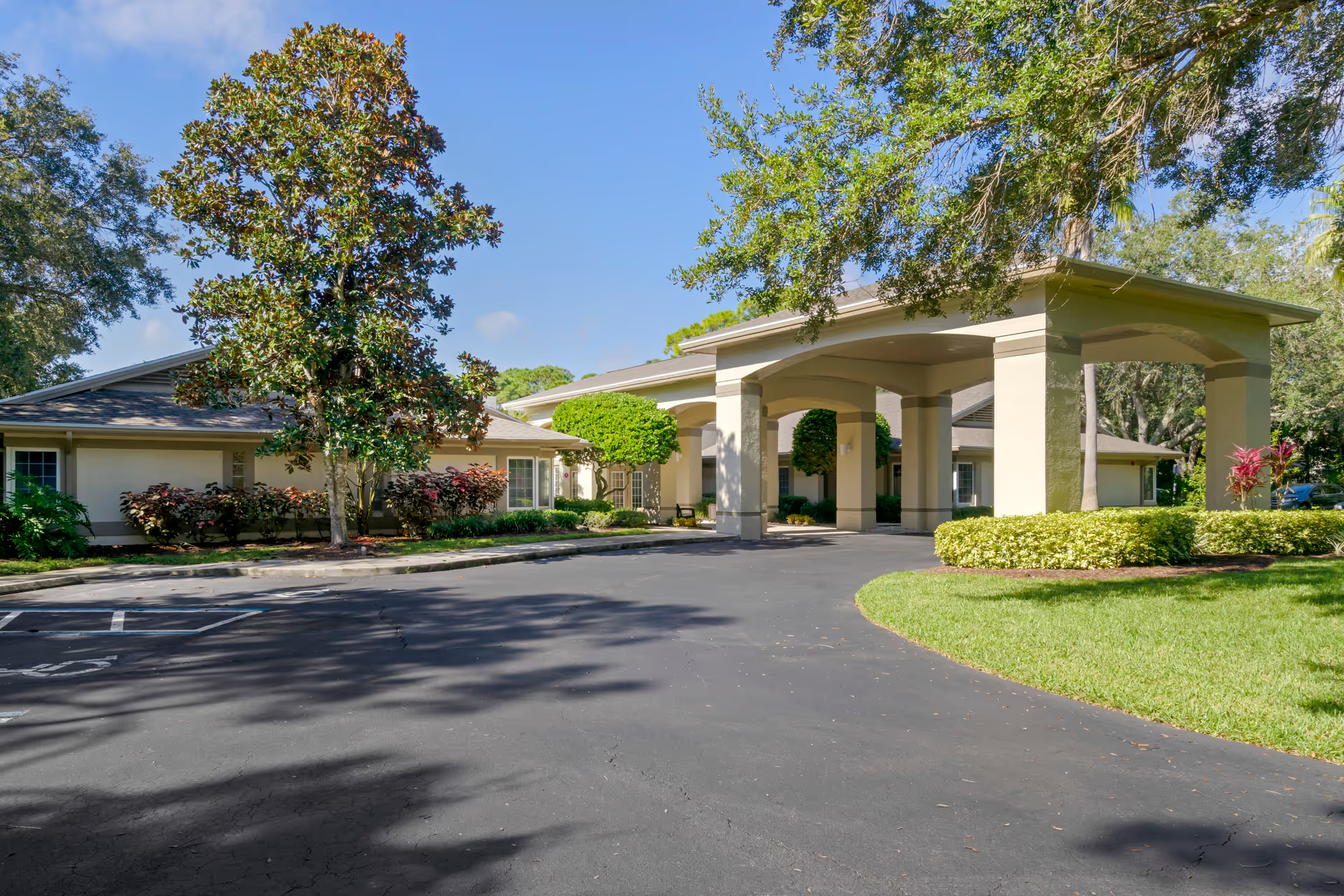
Arden Courts Sarasota is a dedicated memory-care community organized into smaller household-style units. The overall tone of the reviews is strongly positive: families, visiting professionals, and referral sources frequently describe residents as comfortable, engaged, and treated with patience and dignity. Several families say the specialized setting has been a good fit for people with dementia-related behavioral challenges or who had difficulty settling into other care environments. However, experiences are not uniform, and a number of reviews raise concerns about care consistency, especially during evening and overnight shifts and for residents with more complex needs.
Staff are the most consistently praised feature. Families often describe caregivers as kind, attentive, and familiar with residents’ individual preferences, and several reviewers point to long staff tenure as a source of continuity. Nursing availability, medication support, and coordination with families and outside clinicians are also praised. In contrast, some accounts describe delays or gaps in personal care, medication or wound-care follow-through, transfer assistance, and communication about falls or other changes. One family described serious problems managing a resident’s catheter and personal care, alongside a disputed post-discharge bill and unsuccessful attempts to reach the company’s care line. Another brief review alleged staff using physical force when residents reacted; this claim was not corroborated elsewhere in the review set. These reports differ sharply from the many accounts of attentive care, making direct questions about staffing patterns, clinical capabilities, escalation procedures, and billing terms particularly important for prospective families.
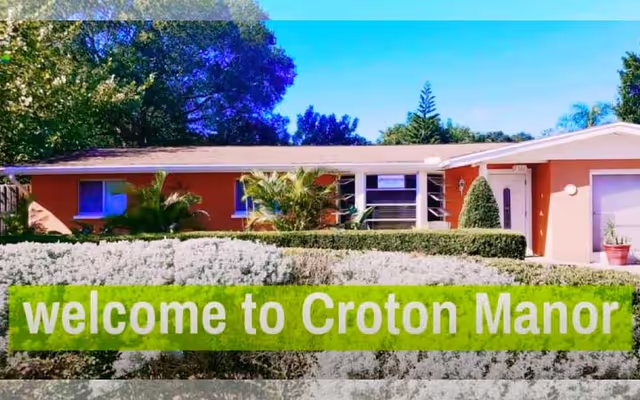
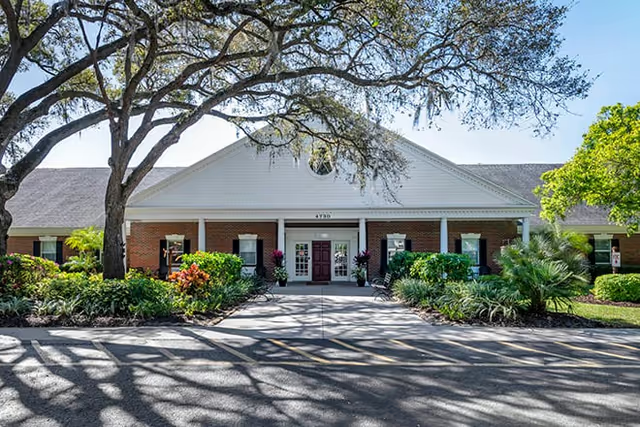
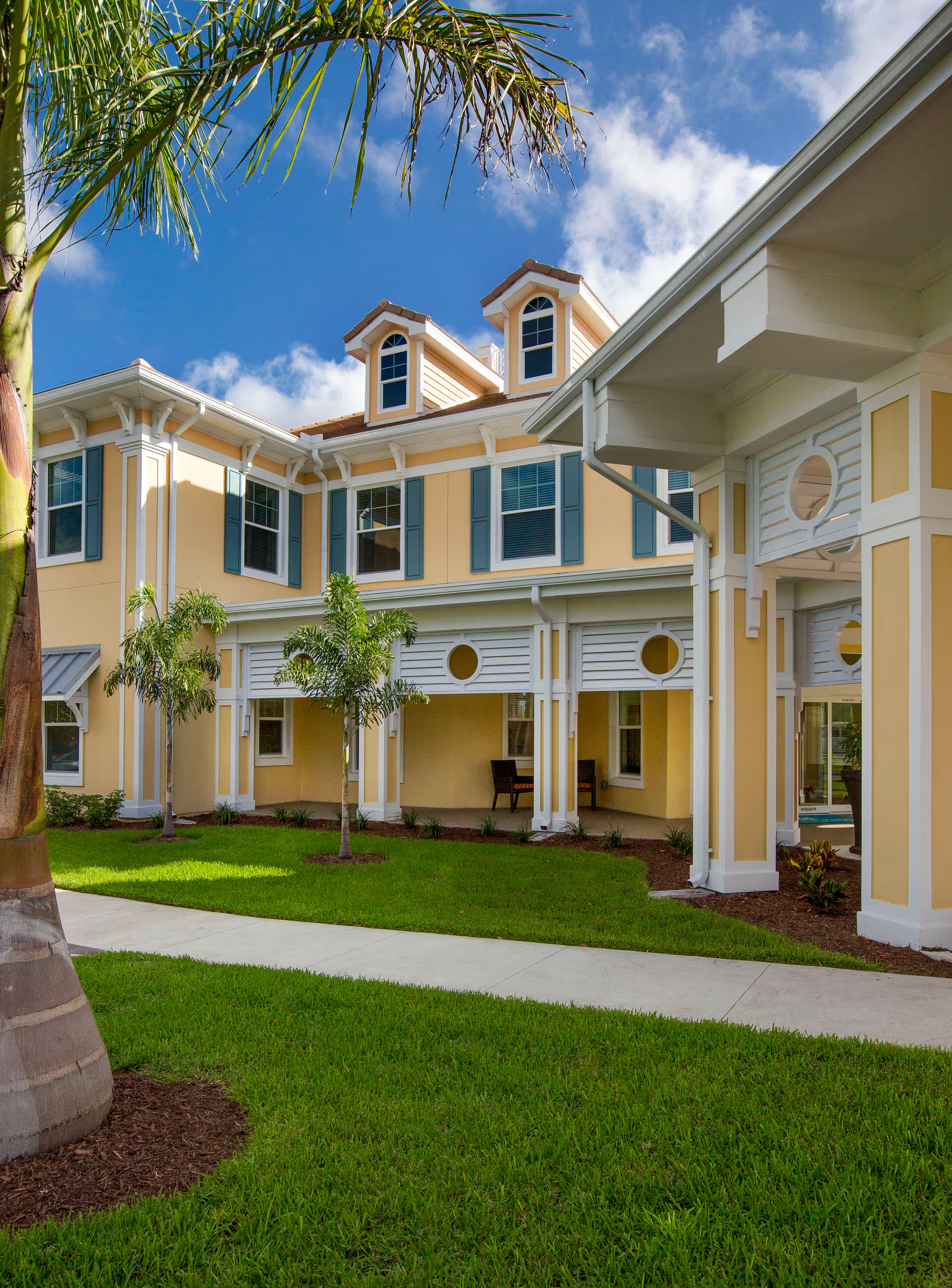
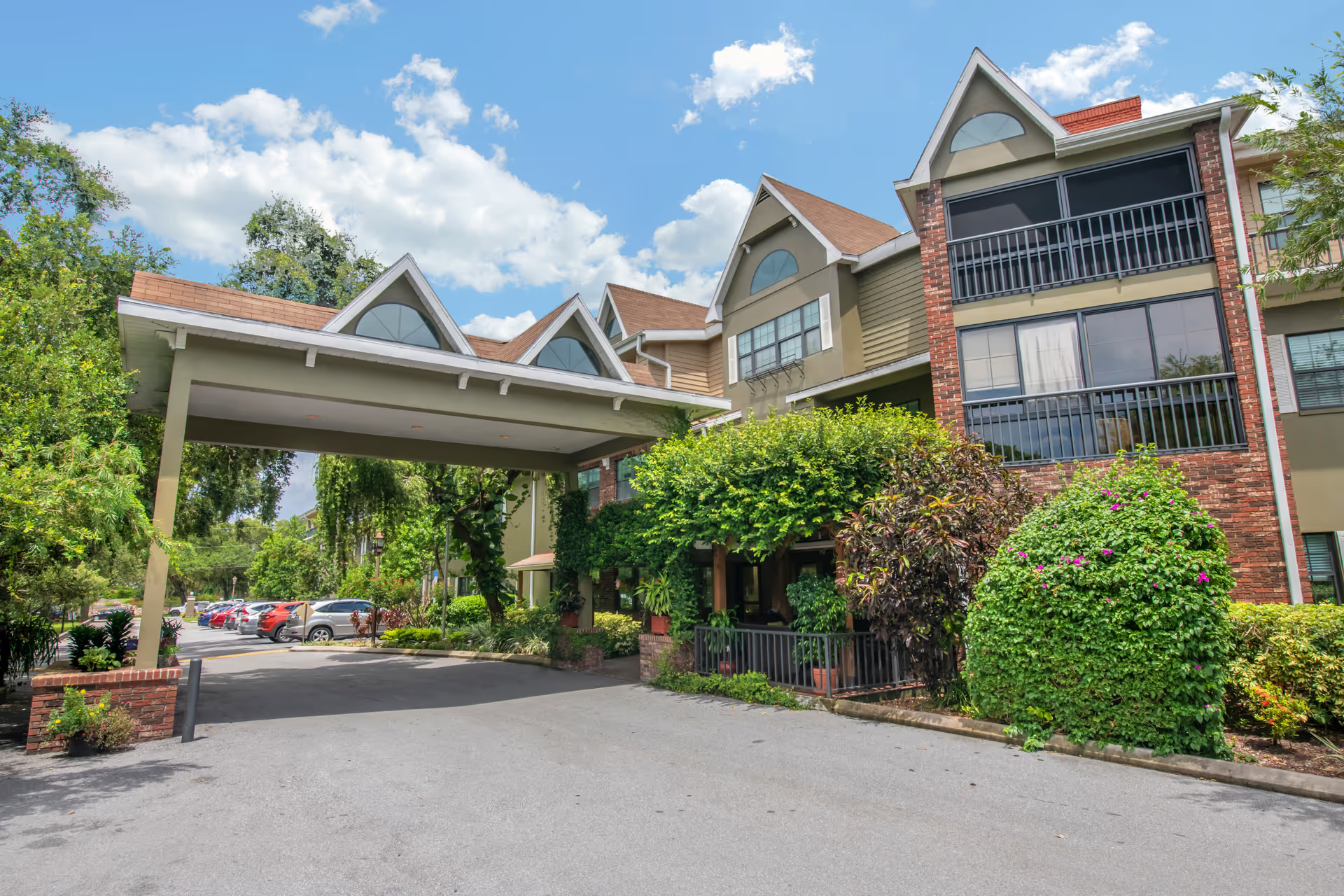
The physical environment is frequently described as cozy, secure, and designed around memory-care needs. Reviewers value the smaller living areas, common rooms, and outdoor spaces, including gardens, porches, gazebos, and walking paths that residents can use for fresh air and movement. Activities such as music, exercise, games, themed spaces, and celebrations are often appreciated, and families mention staff support in helping residents participate. Some reviewers would like more variety or creative stimulation. Bedrooms are described as small in several accounts; a few visitors also found the building older, darker, or less updated than competing communities, while others considered it clean, bright, and well maintained.
Dining feedback is mostly favorable, with families describing good meals, snacks, and food that residents enjoy. However, a few accounts raise concerns about meal quality, meals not being brought to residents, and kitchen upkeep, indicating that meal experience may vary. Management and administrative staff are often praised for helpful tours, admissions support, responsiveness, and practical guidance, though some families report difficulty getting information or resolution when concerns arise. Overall, the reviews suggest a warm, specialized community with notable strengths in staff relationships, dementia-focused design, and outdoor access, alongside meaningful questions about staffing consistency and reliable execution of care for residents with higher or changing needs. A tour at different times of day and a detailed discussion of the prospective resident’s medical and personal-care requirements may help families assess fit.