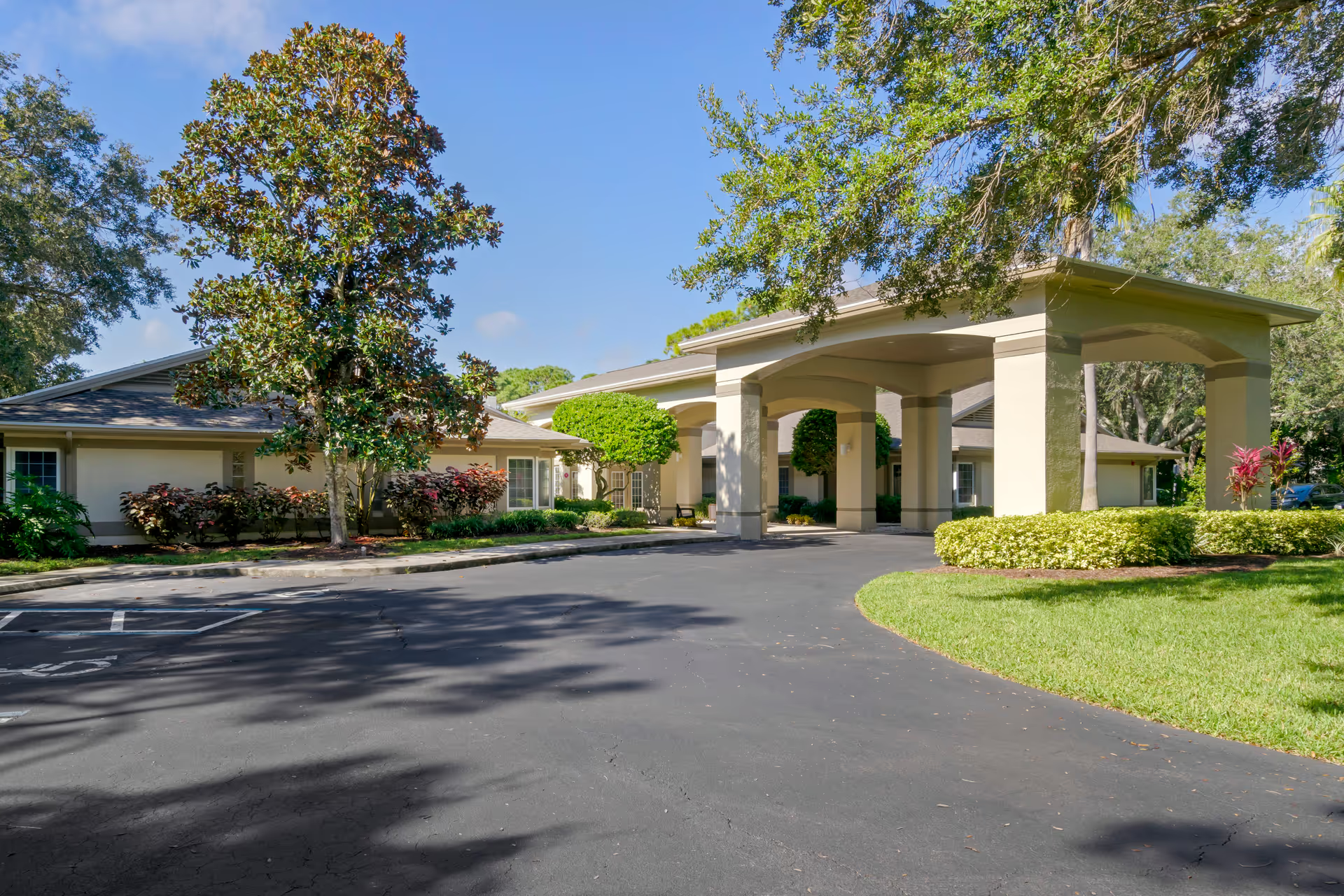
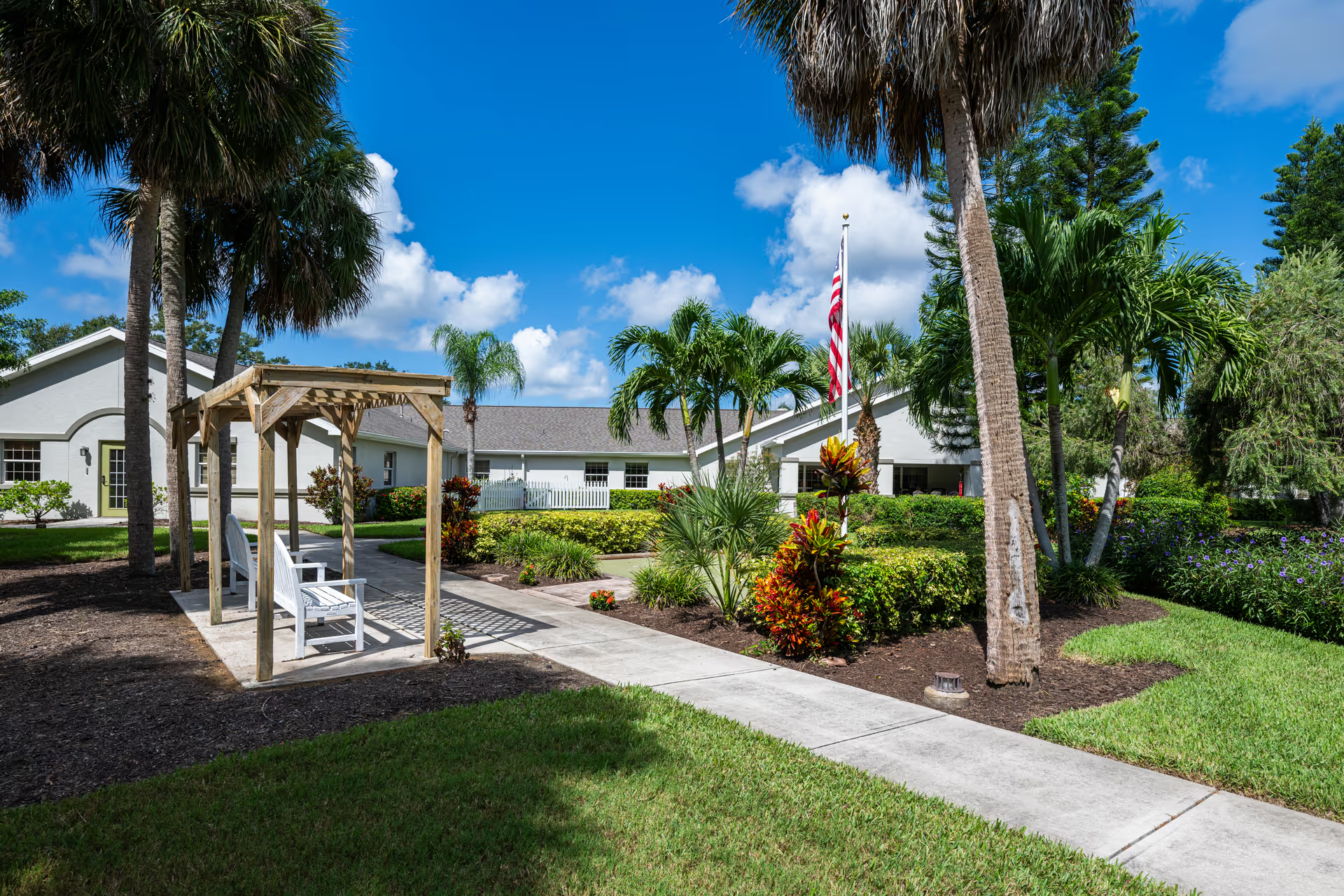
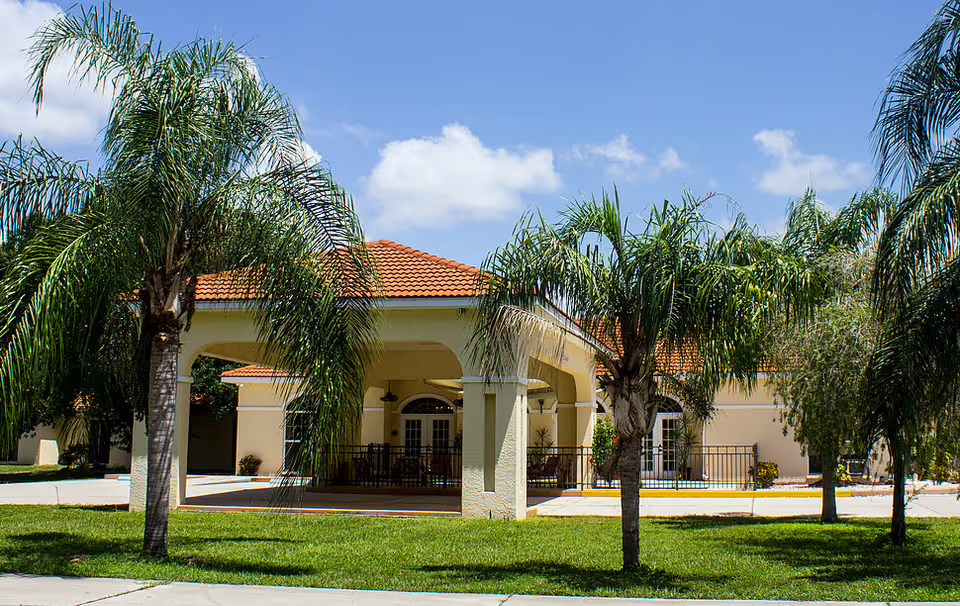
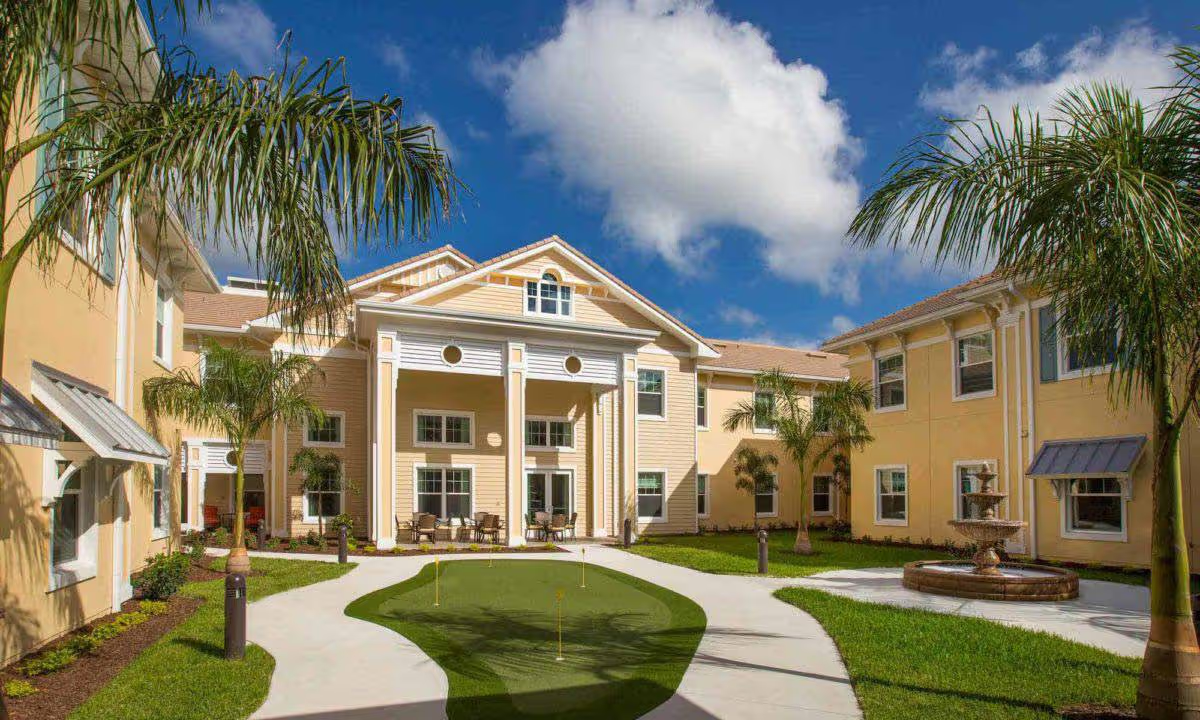
The Barclay at Sarasota presents as a large, resort-like senior living community with many physical and programmatic strengths. The campus, often described as beautiful with lake and Gulf-proximate views, offers extensive amenities — a notable pool complex, theater, cafe, guest villas, and curated grounds across its 53-acre property. Apartment units are frequently characterized as spacious, well-lit, and tastefully finished in renovated areas; common areas are clean and well maintained. The community’s location and transportation services are cited as conveniences for appointments and local outings.
Care and staffing are consistently highlighted as the facility’s core strengths. Reviewers emphasize compassionate, professional caregivers, a generally stable workforce in many areas, and an attentive nursing presence within the continuum of care. Several families praise responsiveness, individualized attention from particular staff members, and thorough emergency preparedness. At the same time, there are recurring concerns about dementia-specific supports: some families seek more one-on-one engagement and proactive staff encouragement for participation in activities for residents with cognitive impairment.
Dining and activities are prominent features of life at the community. The dining program and culinary leadership receive strong praise for quality, variety, and presentation; some residents credit weight gain and satisfaction with meals. The activity calendar is broad — fitness classes, art exhibits, lectures, and lifelong-learning programs (branded as Watermark University / RUI University) are well used by many residents. However, there are notes that independent-living residents do not always access all amenities, sometimes because of building layout or the need to go outdoors between dining and activity spaces, which can be a barrier in poor weather or for mobility-limited residents.
Facility-level operational issues and management patterns recur across reviews. Financial terms are the most frequent concern: sizable entrance or buy-in fees, nonrefundable or delayed refund processes, and periodic price increases lead to anxiety about long-term value and liquidity. There are also reports of sales-process and contract-communication gaps that prospective residents should clarify in writing. Organizational changes — including leadership turnover and program adjustments associated with management transitions — have caused discontinuation of some popular programs and created uncertainty for families; this suggests prospective residents should ask about planned programs and leadership stability.
Other operational traits warrant attention: accessibility between buildings during inclement weather, intermittent inconsistencies in meal service continuity (including temperature concerns), limited availability of larger units and villas with long wait times, and variable integration of on-site healthcare for independent living residents. While the community offers a full care continuum, independent-living packages may not include on-site skilled services without additional arrangements.
Overall, The Barclay is frequently recommended for prospective residents and families seeking a high-amenity, community-oriented lifestyle with strong dining and an engaged staff. It appears especially well suited to people prioritizing resort-like grounds, active programming, and an on-site continuum of care. Prospective residents should, however, perform targeted due diligence: review and negotiate contract refund terms, confirm the extent of dementia-specific programming and one-on-one care, verify accessibility between buildings in bad weather, ask for documentation on fee history and planned increases, and request opportunities to sample meals and meet current residents. These steps will help determine whether the community’s strengths align with an individual resident’s clinical and financial needs.