Overall impression: Reviews present a bifurcated picture. A substantial portion of comments emphasize a contemporary, well-appointed community with warm, resident-centered staff—especially within the memory-care program—and a high level of engagement through activities and dining. At the same time, a distinct set of operational problems is described, producing uneven family experiences. Prospective residents and families should weigh the facility’s notable strengths against recurring operational concerns when evaluating fit.
Care and staff: Many reviewers praise the compassion and attentiveness of direct-care staff, long-tenured nurses, and memory-care leadership. Families commonly describe one-on-one attention, visible nursing oversight, on-site medical support, and individualized approaches for residents with dementia. Conversely, persistent staffing instability and turnover are cited as the principal cause of variability in day-to-day care. That staffing variability is associated with longer response times, inconsistent assistance with activities of daily living, and reported training gaps among newer caregivers. Language barriers between Spanish-speaking caregivers and English-speaking family members are also a recurring operational issue that affects communication and perceived quality of interactions.
Dining and nutrition: Dining is a frequently praised area—many reviews highlight an experienced chef, attractive dining rooms, accommodated special diets, and creative programming such as linen service and family meals. However, other reviewers note inconsistent meal delivery, limited dining staffing during peak times, occasional cold or minimal meal offerings, and menu monotony. These discrepancies suggest that while culinary leadership is a positive asset, meal-service continuity can be affected by staffing and workflow constraints.
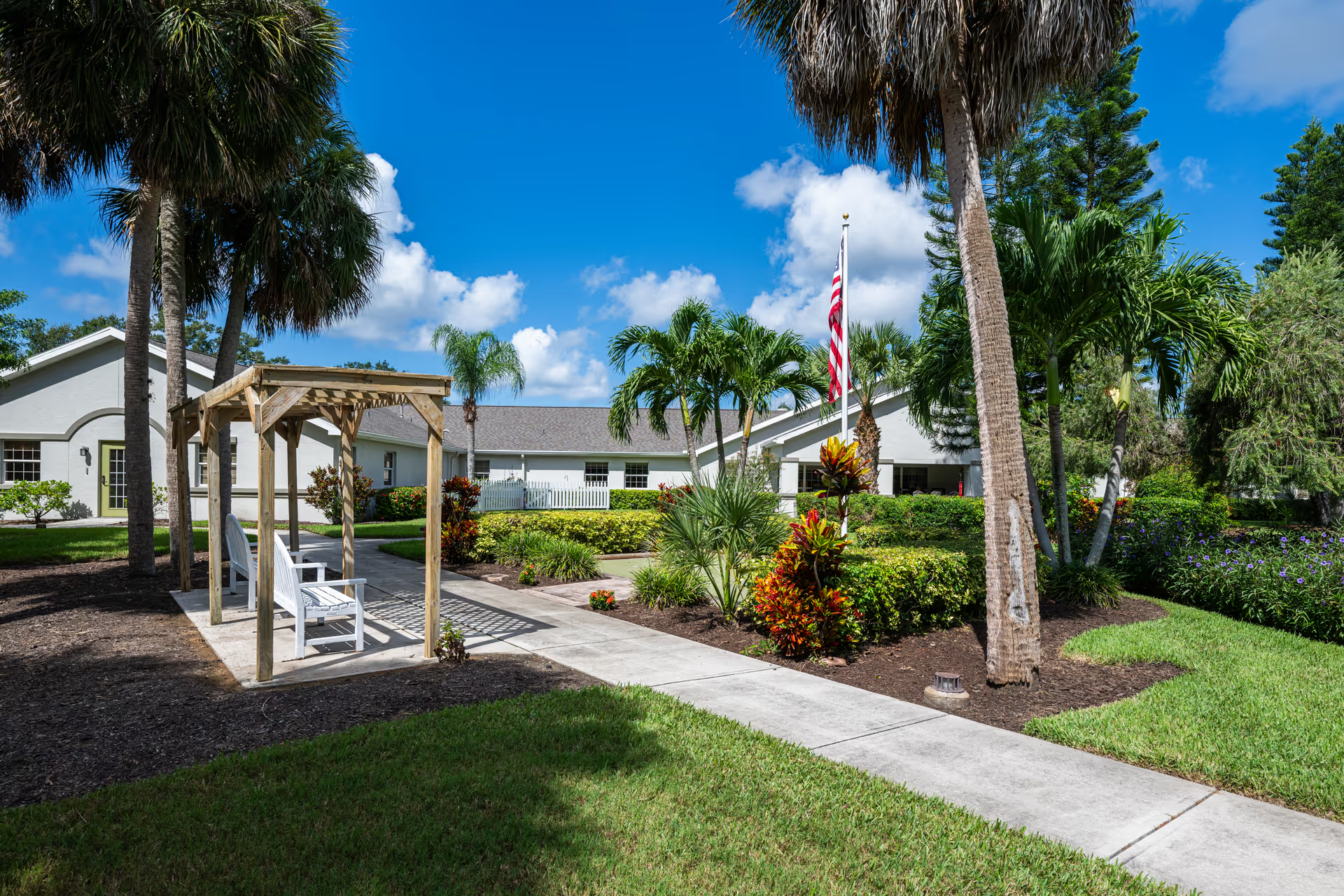
Activities and social programming: Activity programming receives consistent positive mention. Music, live entertainment, pianists, outings and field trips, scheduled games and social hours, and memory-care-specific programming are strengths that many families associate with improved resident engagement and mood. The facility’s layout and common areas, including a large courtyard and well-lit spaces, support those programs.
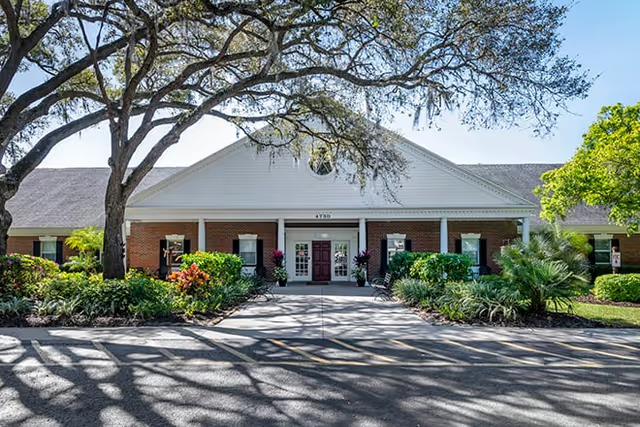
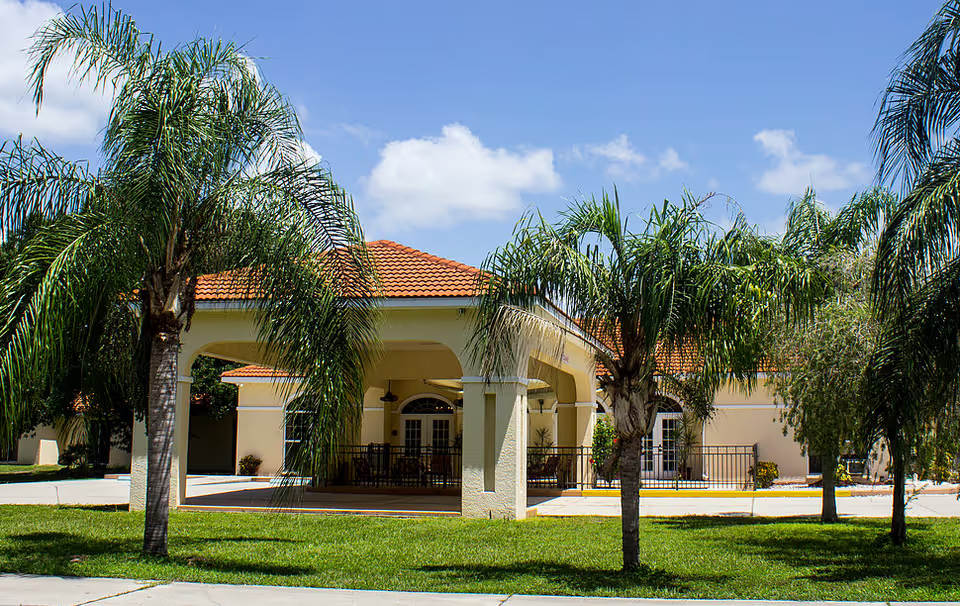
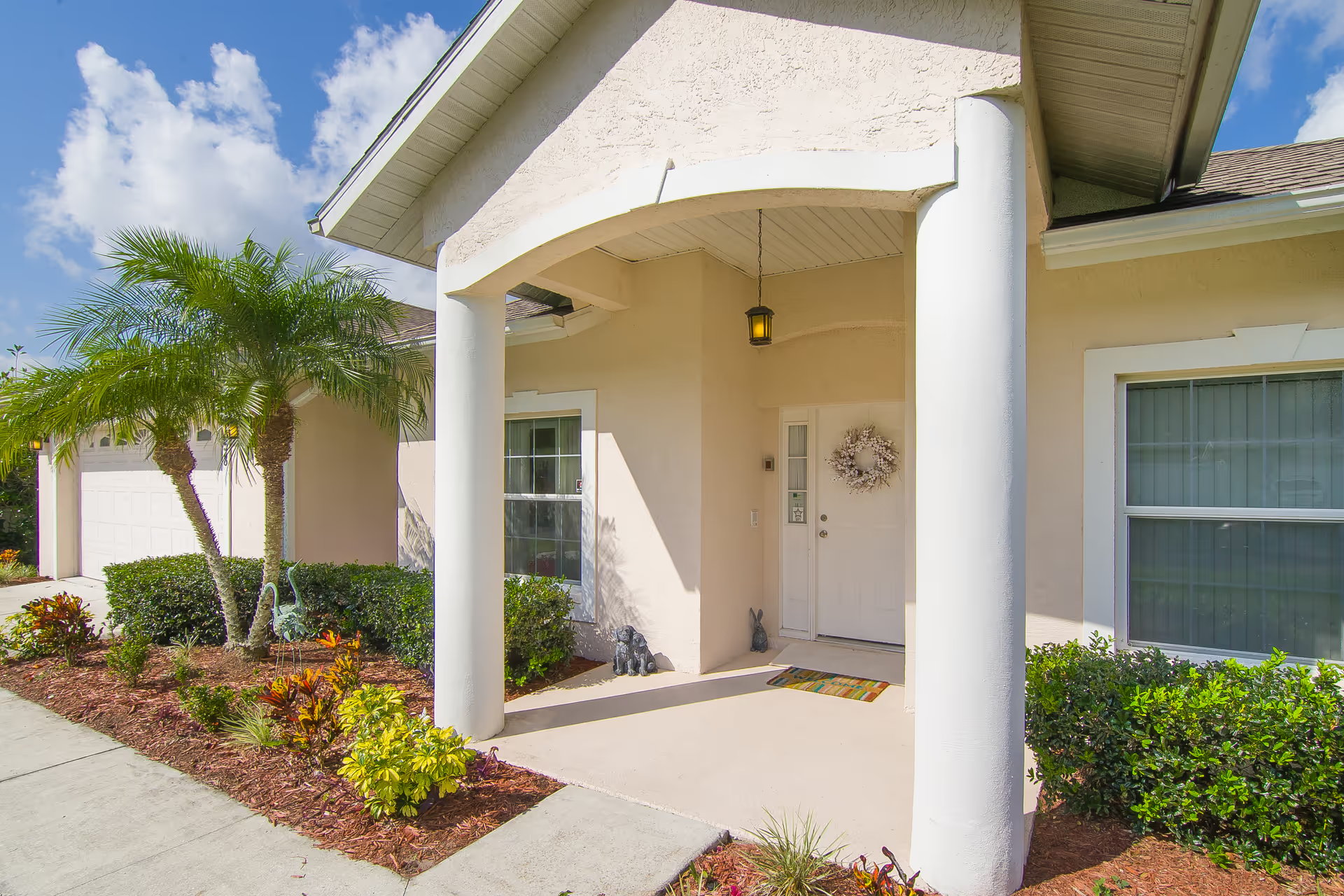
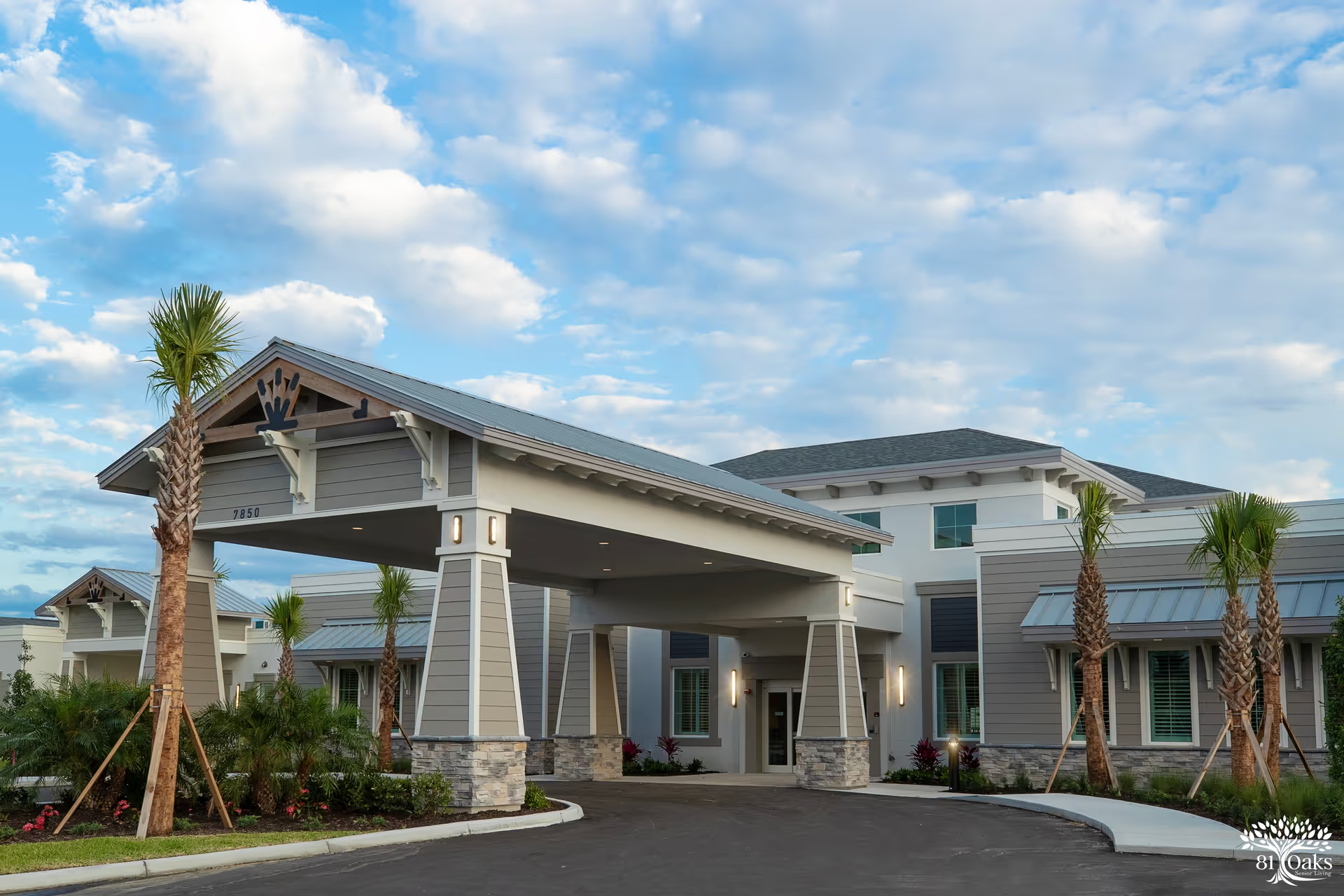
Facilities and operations: The physical plant is widely described as new, clean, and well maintained, with appealing apartment layouts and resort-like amenities. At the same time, multiple operational issues are raised: intermittent internet/TV/phone outages, laundry lapses and misplaced personal items, pest-control concerns in some units, and variability in room furnishing policies. These are operational areas families should confirm during a tour.
Management and administration: Leadership presence is acknowledged positively in many accounts—families note hands-on executive directors and responsive department heads in specific instances. Still, recurring themes include inconsistent administrative follow-through, billing confusion (including ancillary medication-management charges), uneven sales and admissions communication, and a sense of limited corporate support during staffing transitions. These administrative inconsistencies appear to amplify clinical and service-level variability.
Patterns and guidance: The overall pattern is one of strong clinical and programmatic potential supported by dedicated employees, offset by operational vulnerabilities tied to staffing levels, turnover, and infrastructure reliability. Families who prioritize robust memory-care programming, high-quality dining, and an active social calendar may find the community appealing. Those whose primary concerns are consistent overnight coverage, guaranteed meal-service continuity, transparent medication billing, and seamless administrative communication should seek detailed, current answers from leadership.
Suggested questions for families: Ask about current staffing ratios (including overnight coverage), turnover rates and staff training programs, language-capability among direct-care staff, pest-control and housekeeping protocols, laundry and personal-item handling procedures, medication administration policies and associated fees, and the status of internet/TV/phone services. Request recent staffing schedules and examples of how management has addressed prior operational complaints to assess whether improvements have been sustained.
In summary, HarborChase of Sarasota is frequently described as a modern, activity-rich community with many compassionate caregivers and strong memory-care programming. However, repeated operational concerns—particularly around staffing stability, communication, certain service continuities, and infrastructure reliability—produce variability in family experiences. Thorough, up-to-date inquiries prior to move-in will help align expectations with the facility’s current operational status.