Overall feedback portrays Ashton Place as a small, family-owned assisted-living residence that emphasizes personal, relationship-based care. Ownership and management are described as hands-on and accessible; the owner and spouse are frequently involved in day-to-day care and administration. That leadership presence feeds into a culture of familiarity: staff know residents by name, there is continuity of room assignments, and families report regular check-ins and responsive communication. Nursing presence and practical supports such as accompaniment to medical appointments are commonly mentioned, contributing to a sense of safety and clinical oversight for routine needs.
Care quality and day-to-day staffing are consistent strengths in the feedback. Caregivers and nurses are characterized as attentive, compassionate, and patient; housekeeping is regularly noted as thorough; and many accounts highlight improvements in residents' mood, eating, and overall well-being after admission. The facility’s staffing levels are perceived as generous relative to census, which allows for frequent resident checks and individualized attention. These operational features appear to benefit residents who prefer a quieter, home-like setting rather than a large institutional environment.
Dining and programming receive generally positive remarks with some qualifications. Meals are described as nutritious and well-prepared, with special-event or holiday dining frequently praised. The community operates two dining rooms and offers assistance at meals when needed. Activities—bingo, music, crafts, games, outings and social celebrations—are offered regularly and contribute to residents’ social engagement; however, a subset of feedback indicates that activity intensity and overall engagement can be modest, and more active residents may find programming limited.
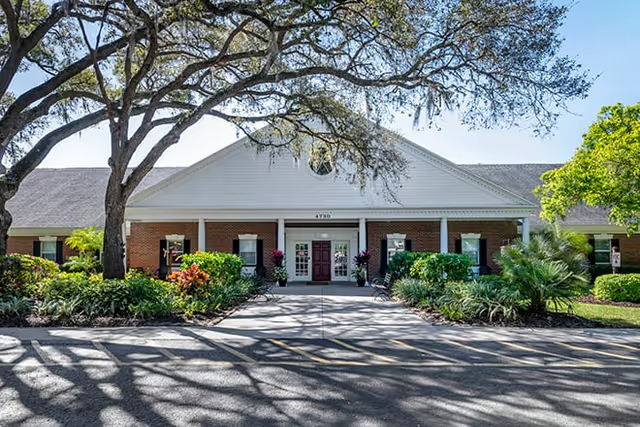
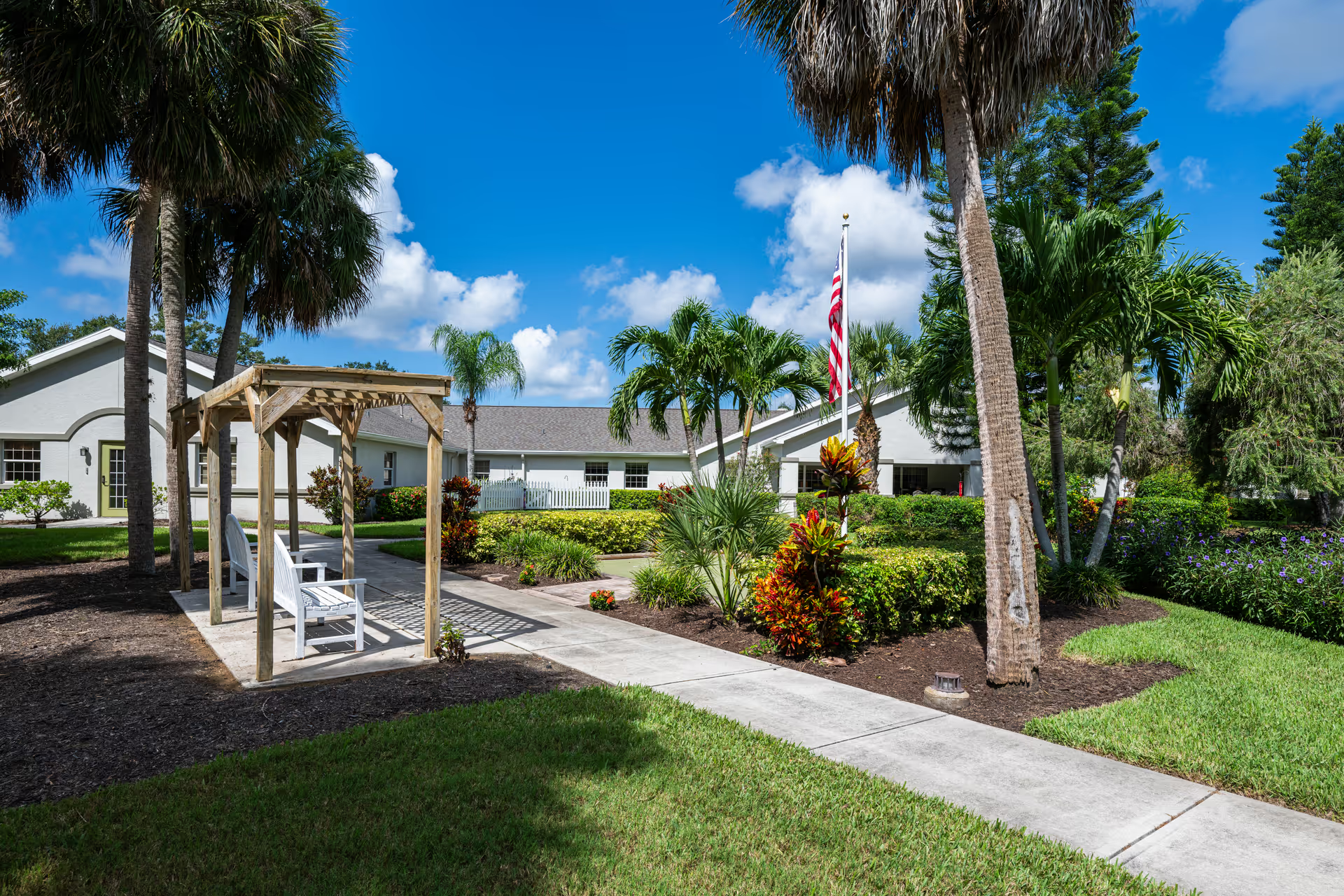
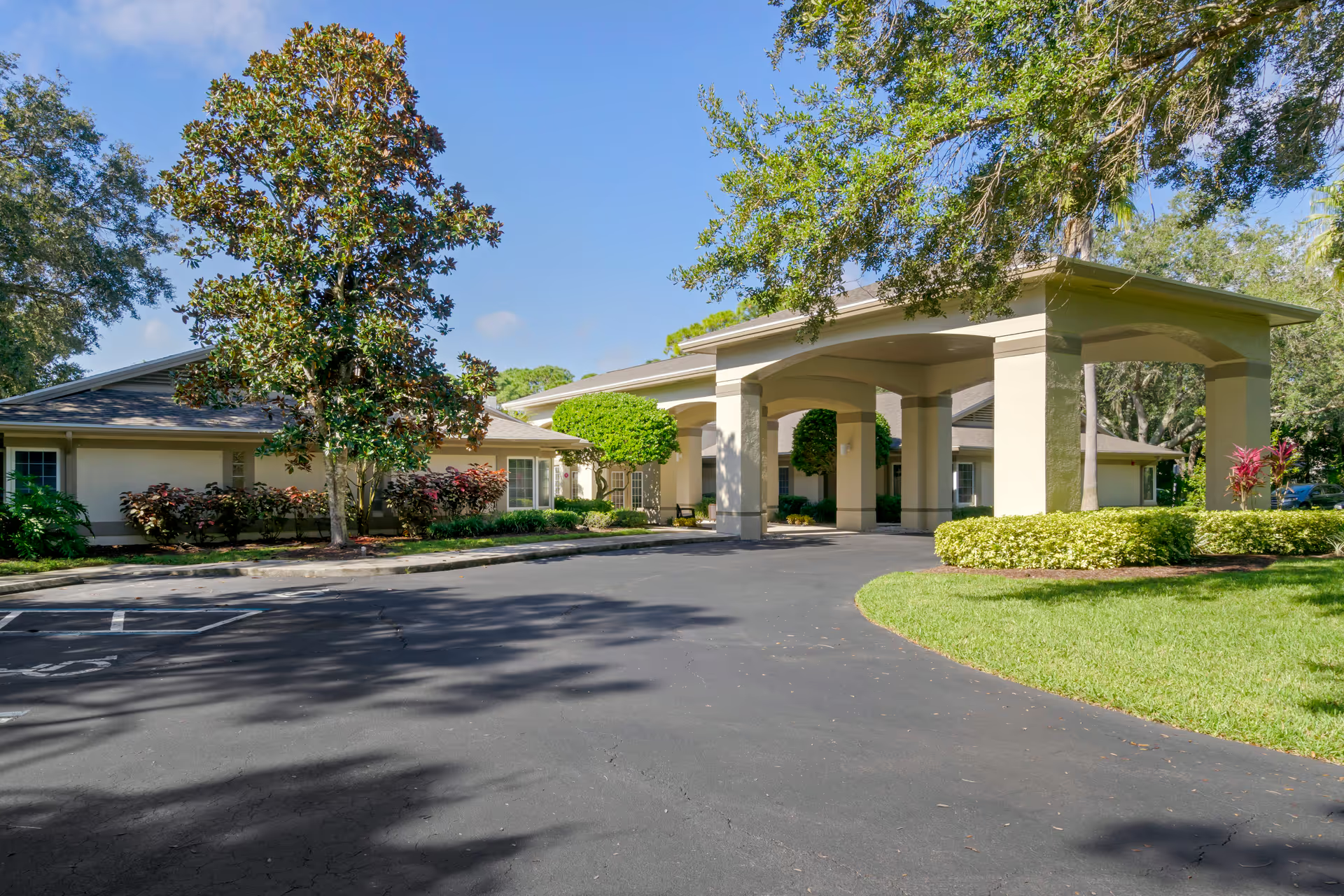
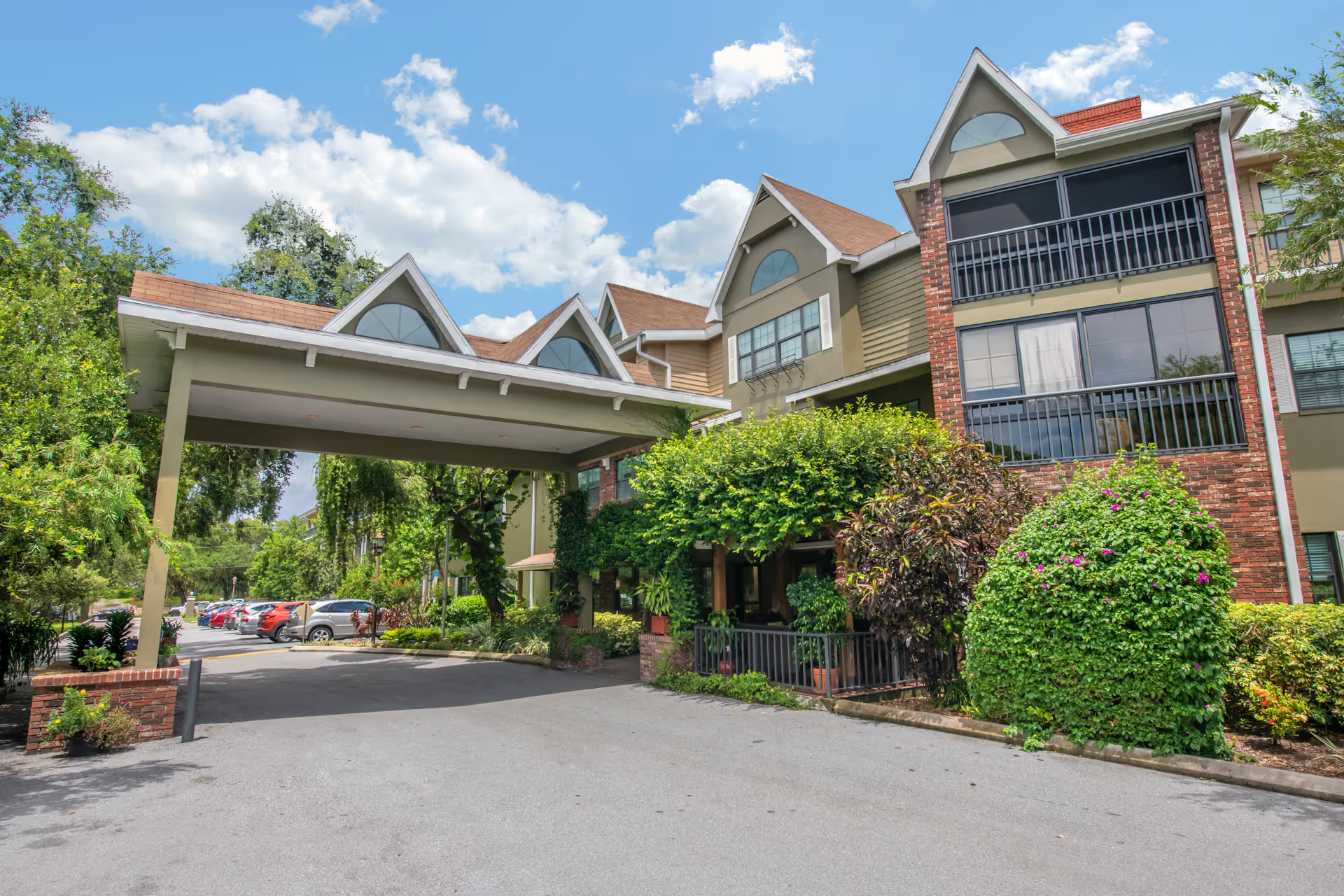
Physical facility attributes are mixed. Reviewers frequently mention bright common areas, natural light, wide hallways and scenic views from certain private rooms. At the same time, the building is described as older and in need of updates. Specific operational limitations cited include lack of individual temperature controls in resident rooms and colder dining areas, and an overall dated physical plant. There are also indications that the facility may have limited capacity to safely accommodate residents with very heavy weight or very high physical-dependency needs; in those cases, staff raised concerns about transfers and safety and recommended alternative placements.
In sum, Ashton Place is presented as a small, family-operated community that emphasizes compassionate, personalized care, continuity, and a homelike atmosphere. It is well suited to prospective residents who value close staff relationships, frequent caregiver attention, and a quieter, domestic environment. Prospective families should weigh those strengths against the facility’s aging infrastructure, limited in-room climate control, modest activity intensity for highly active residents, and constrained capacity for higher-acuity or bariatric care when deciding whether the level of clinical and physical support matches their needs.