Overall impression is mixed: many accounts describe strong clinical services in specific areas (wound care, therapy/rehab, on-site specialty clinics) and a number of families praise compassionate caregivers, accessible administration, and a therapy team that helps residents return home. At the same time, there are recurring operational concerns that affect day-to-day safety and family confidence.
Care quality appears uneven. Positive examples include effective wound management, coordinated appointments, and rehabilitation outcomes led by a committed therapy staff. Several families singled out individual nurses and therapists for compassionate, attentive care. However, other accounts describe inconsistent nursing performance, missed or delayed assistance (particularly overnight), and weaknesses in medication administration and inventory control. These patterns translate to variable day-shift and night-shift experiences depending on staffing and assignment.
Staff and management present a mixed picture. Multiple comments highlight a hands-on administrator, experienced long-term-care leadership, and visible improvement under new management. Staff teamwork, friendliness, and individual staff members received many commendations. Conversely, concerns about communication, delayed responses to families, inconsistent transparency about clinical events, and failures in financial administration (billing, vendor payments, and insurance handling) were also described. There are isolated, serious allegations regarding medication handling and insurance changes without consent; such claims warrant direct verification with the facility and, if appropriate, review by oversight authorities.
Dining, activities, and rehabilitation are relative strengths. The dining program and dietary staff receive positive feedback for food variety and service. Activity programming and social engagement are noted as meaningful by multiple families, and therapy teams are repeatedly credited with motivating rehabilitation and discharge planning successes.
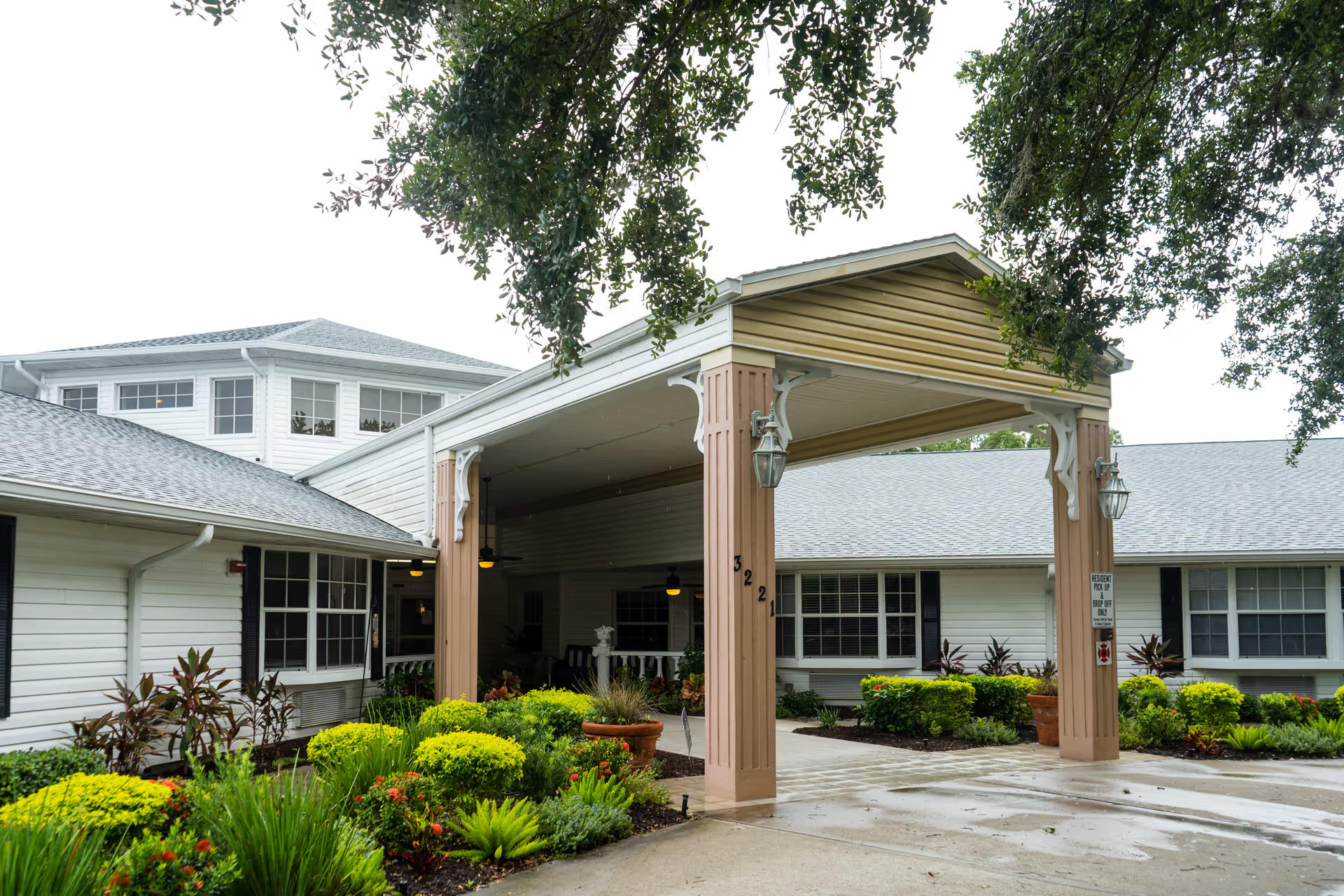
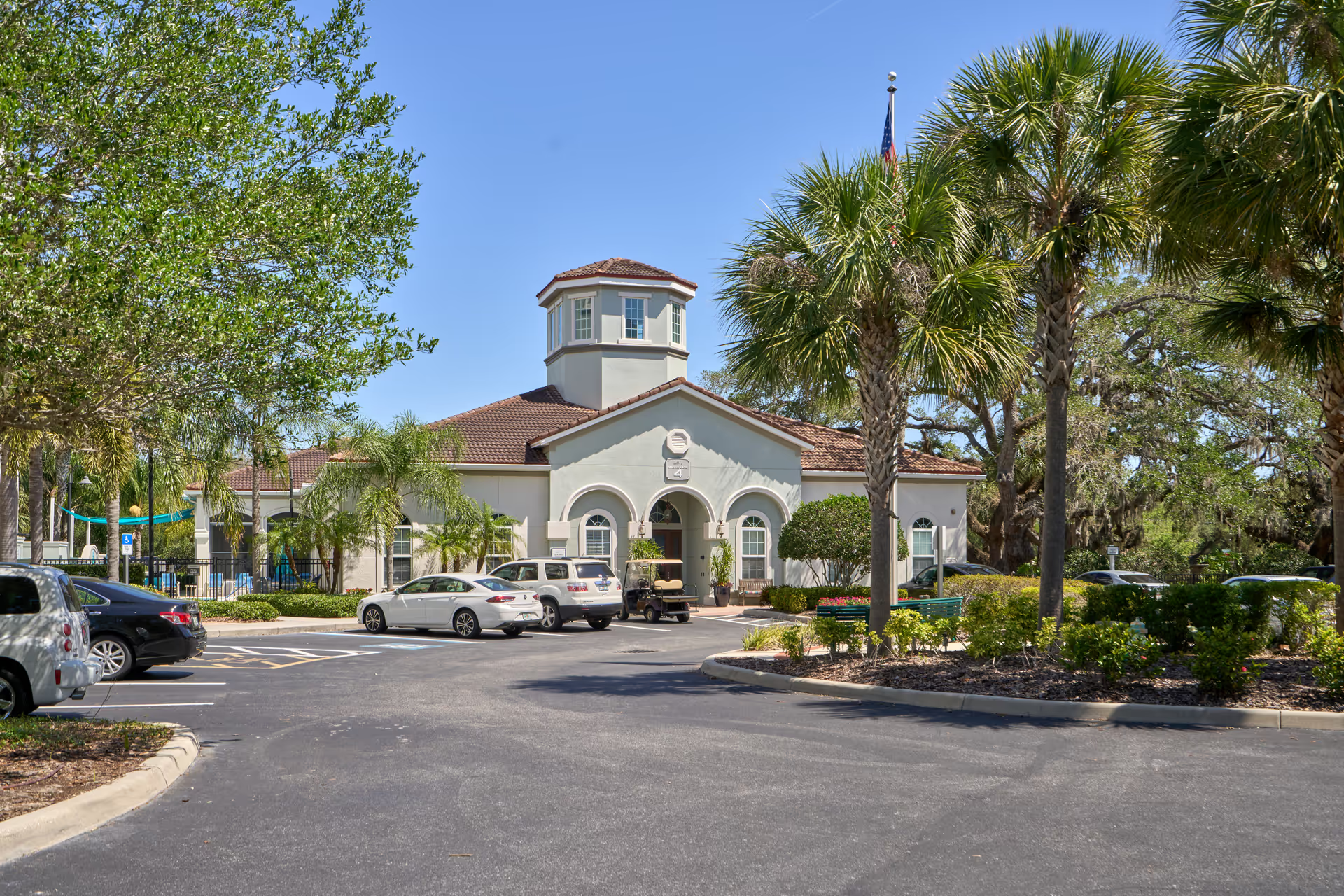
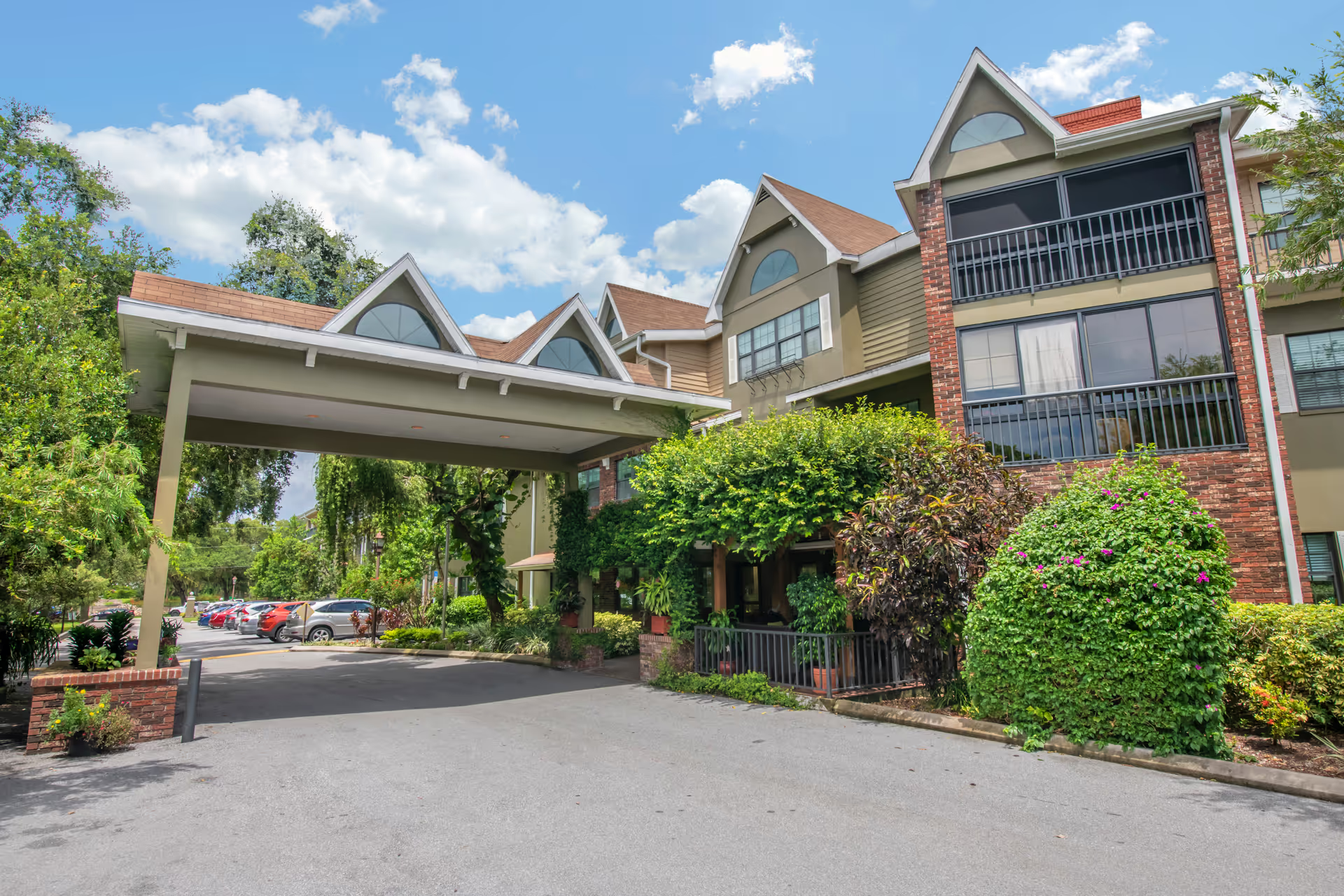
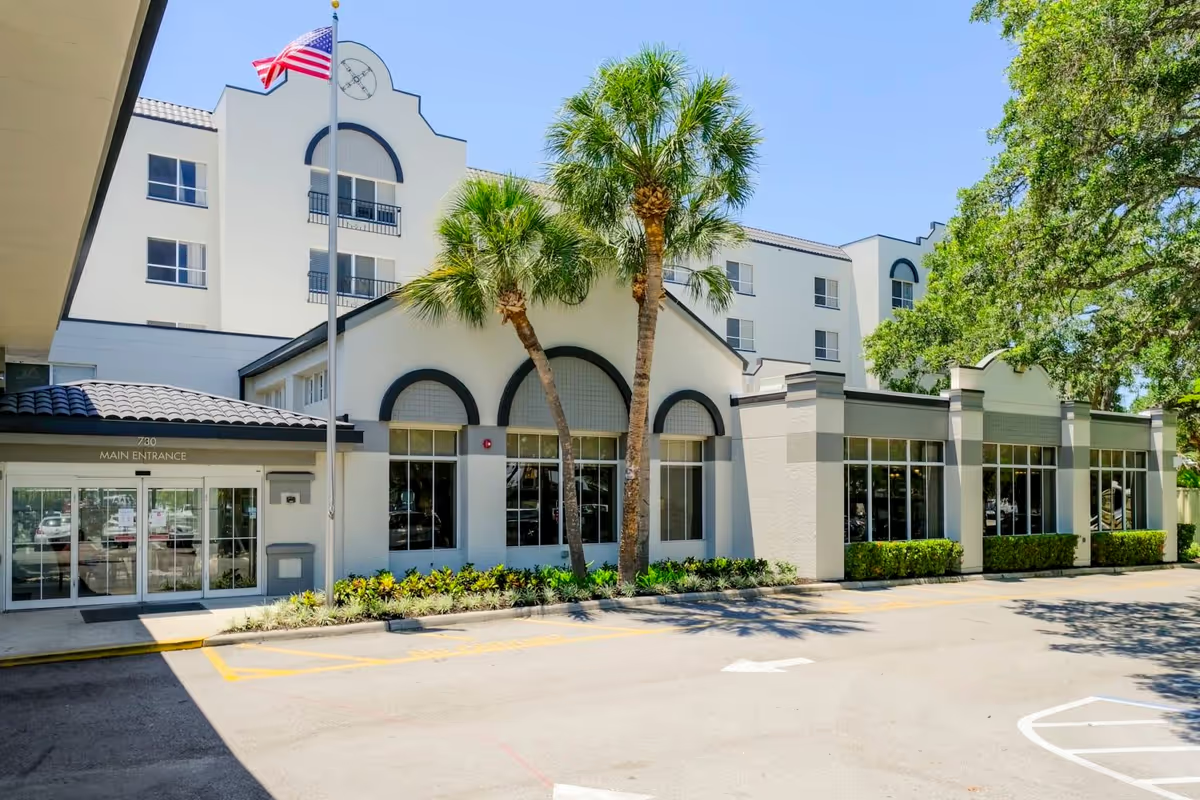
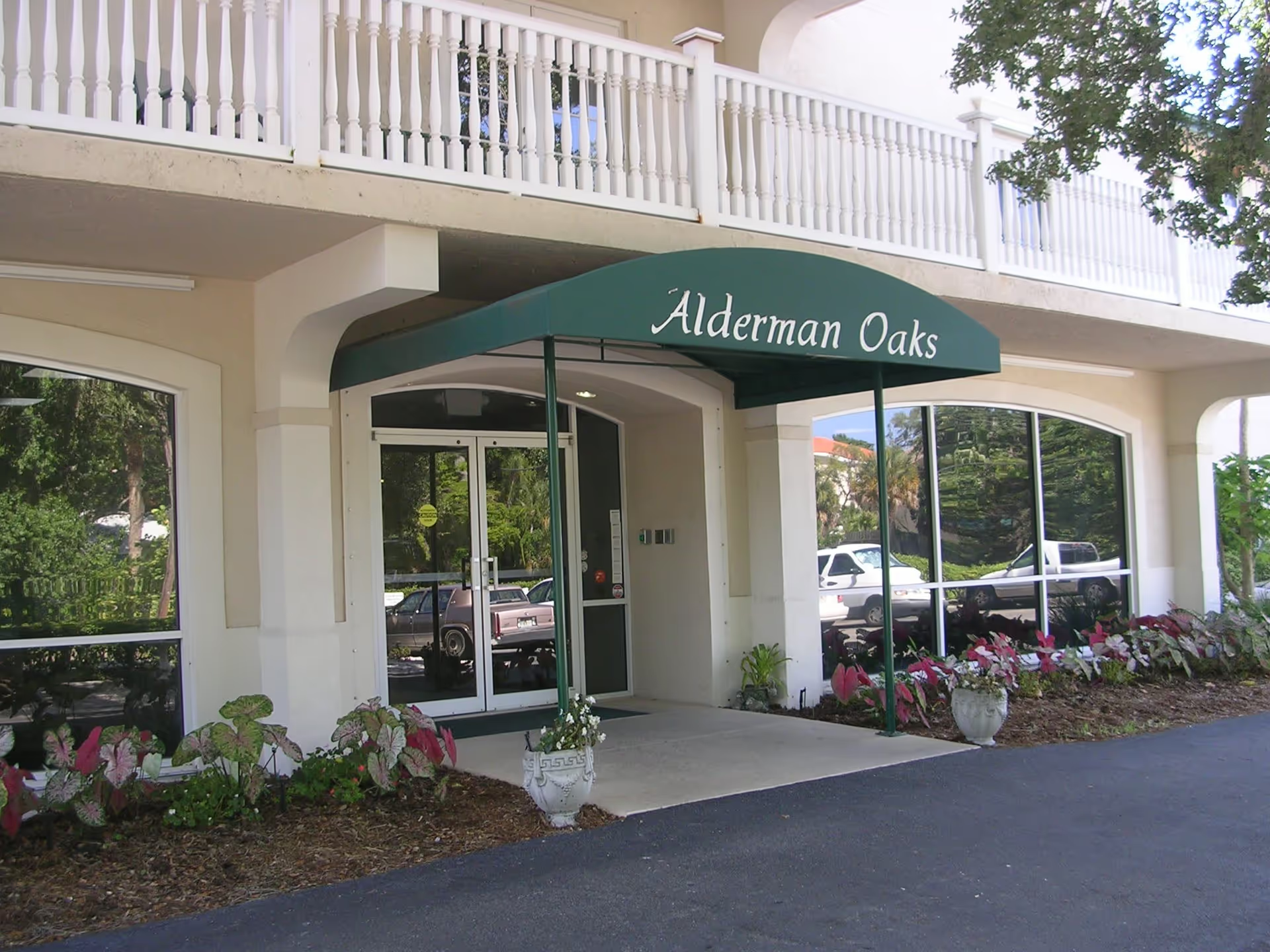
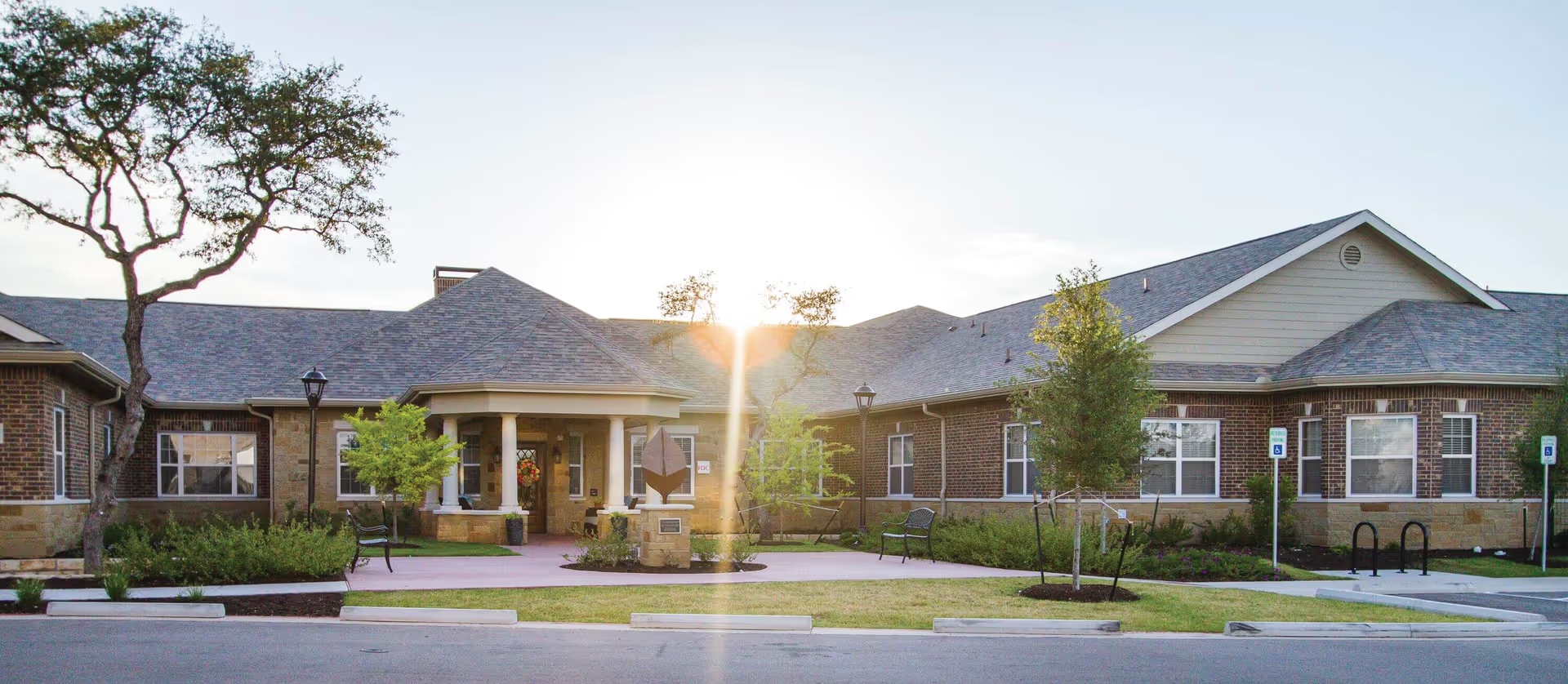
Facilities and infection control show contrast: several reviewers describe a clean, quiet, and well-maintained environment, while others identify sanitation concerns, mold or maintenance issues, supply shortages (including ostomy supplies), and an aging building that requires ongoing attention. These operational and maintenance items intersect with infection-control and supply-management weaknesses identified elsewhere.
Notable patterns for prospective families: experiences are polarized — some residents receive high-quality, attentive care and successful rehabilitation, while others encounter operational lapses that affect safety, hygiene, and communication. If considering this facility, visitors should schedule an in-person tour, meet the administration and clinical leads, ask specifically about staffing ratios (including night coverage), infection-prevention protocols, medication and supply management, billing and insurance practices, and family-notification procedures. Confirm current corrective actions the facility has taken for the maintenance, sanitation, and financial-administration issues cited, and request references from recent family contacts when possible.