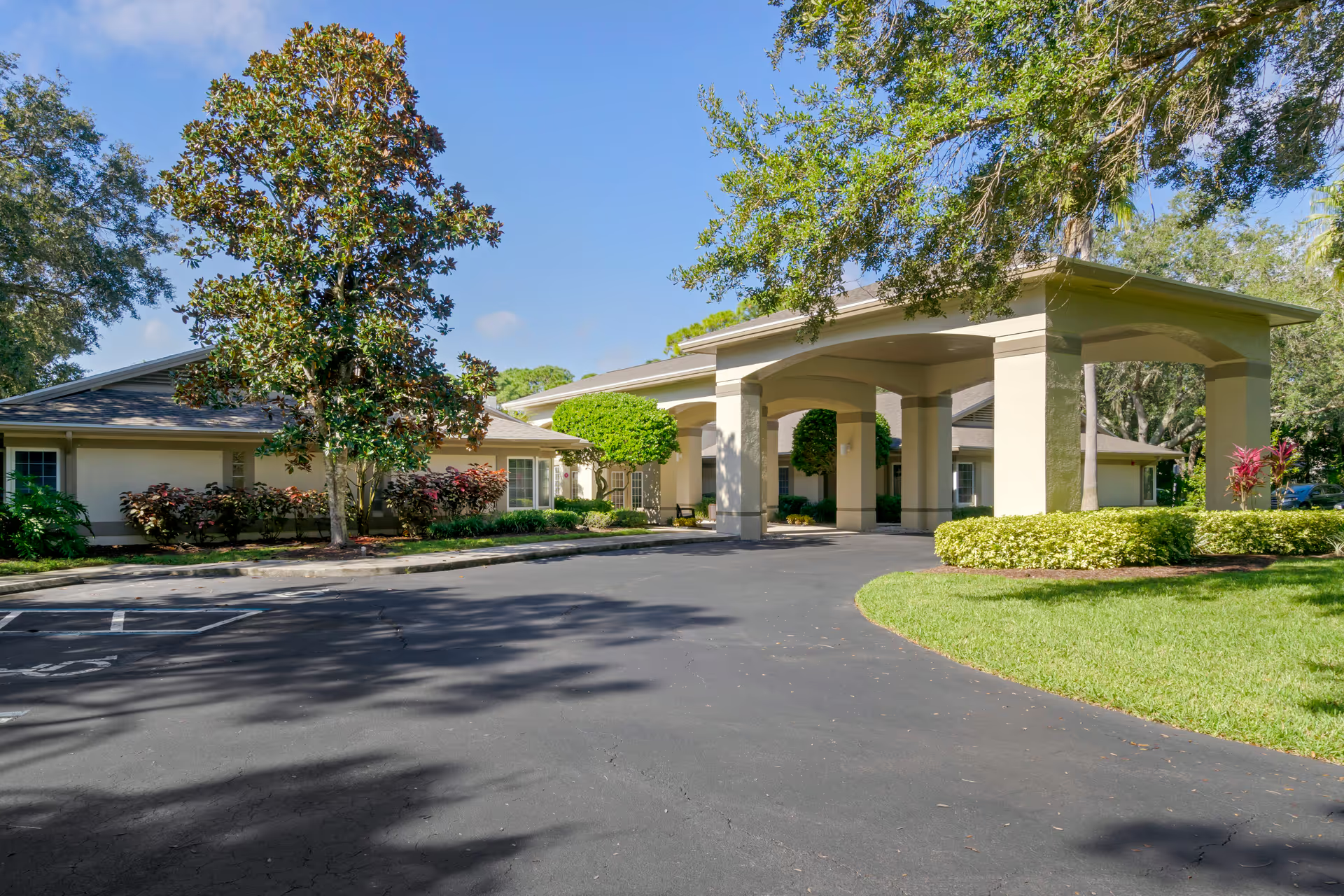
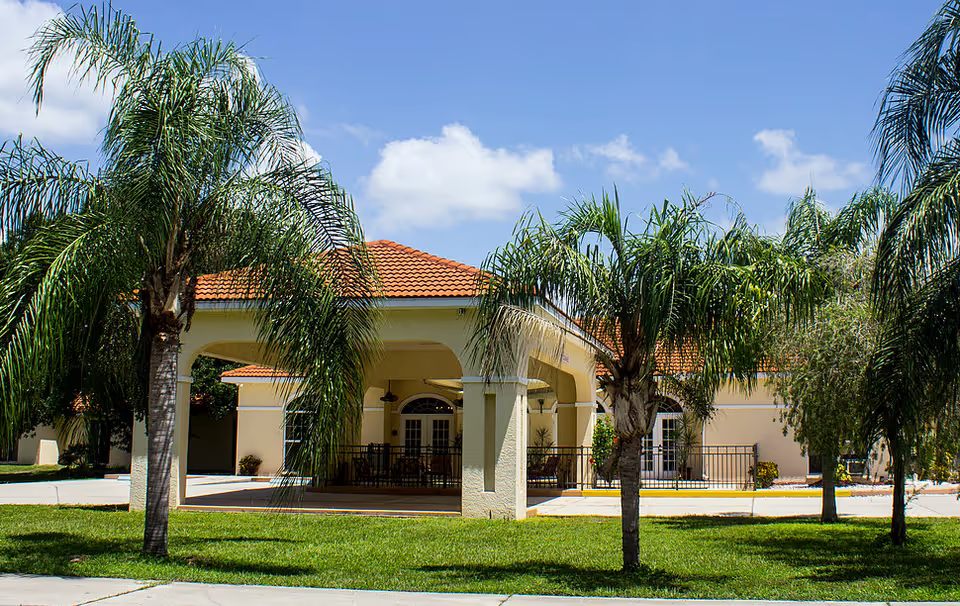
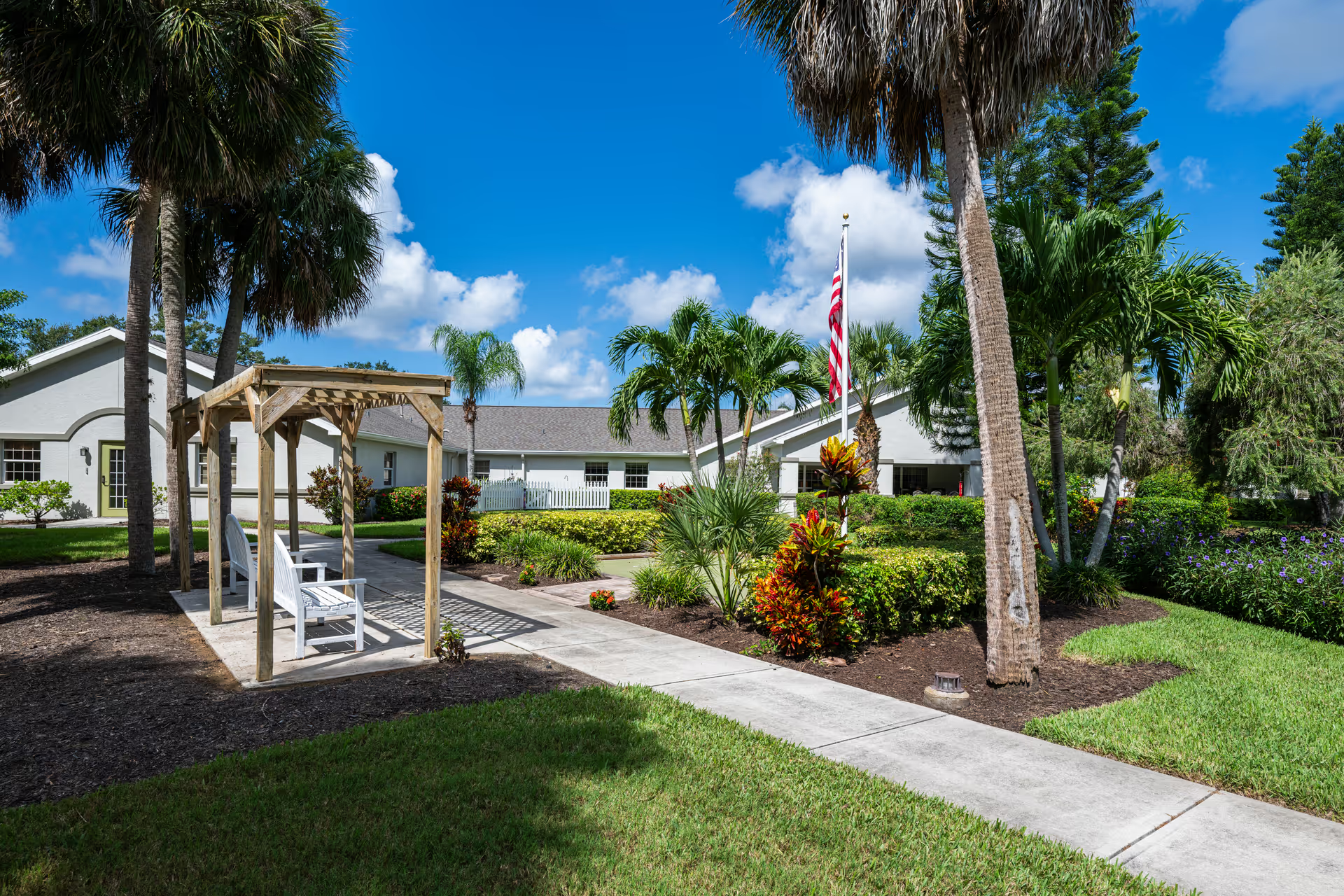
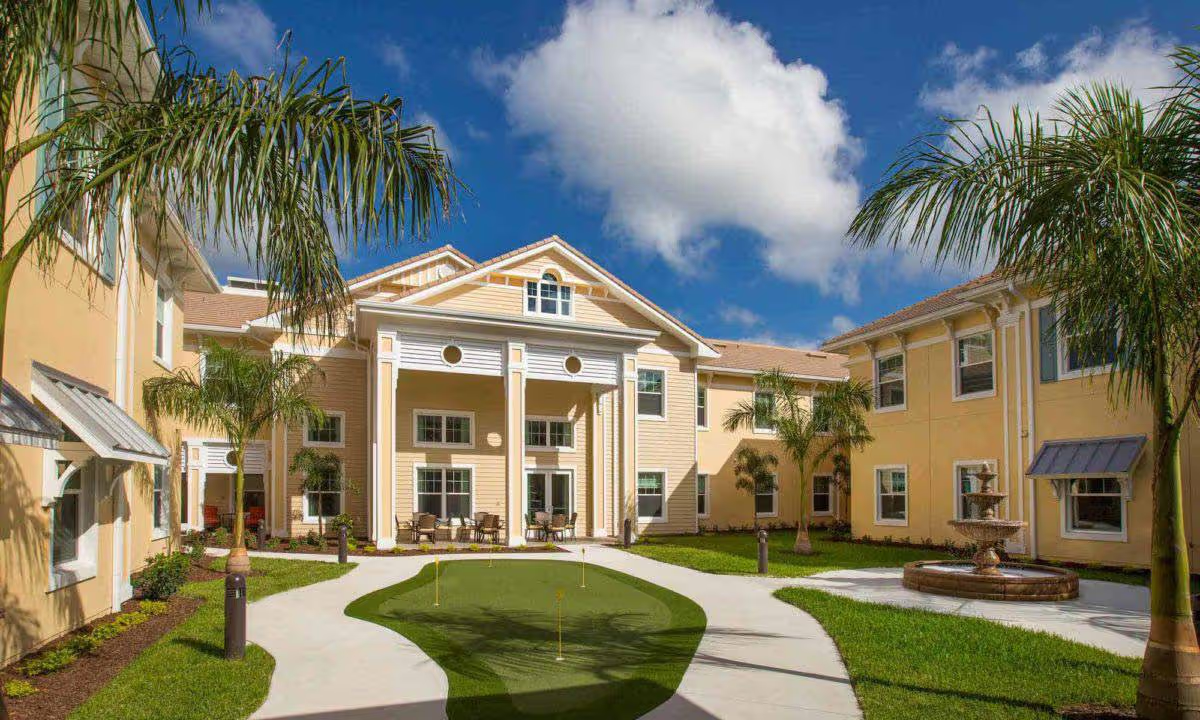
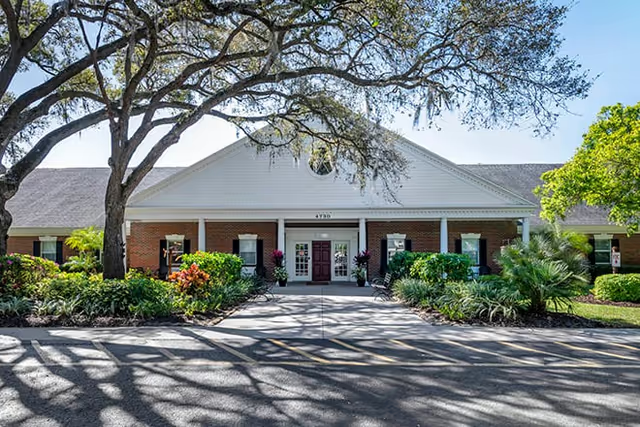
Reviews of Heron Club at Prestancia present a divided picture: many families and residents praise the physical environment, social life, and frontline caregivers, while a substantial subset raises operational and clinical concerns. The campus and living spaces are frequently described as attractive — well-tended grounds, scenic water views, renovated interiors, and roomy private suites with kitchenettes and balconies. The community offers a broad activities program (daily entertainment, exercise classes, outings, theater, and church services) and several reviewers highlighted an engaged activities director and a warm dining-room atmosphere with waiter service and staff who accommodate special diets.
Care quality and staffing are the most recurrent areas of concern. Positive accounts emphasize compassionate, attentive caregiving and helpful nursing staff, but numerous critiques point to chronic understaffing, frequent staff turnover, and leadership changes that appear to affect continuity of care. Several reviewers described delays in responding to resident needs during night shifts and raised concerns about medication-management practices and clinical oversight. Memory-care staffing and training were repeatedly noted as an operational vulnerability, with reviewers describing inconsistent care practices and insufficiently trained personnel in that unit.
Dining and activities are unevenly experienced. Many reviewers complimented dining staff, menu variety, and the ability to accommodate dietary needs; others described inconsistent meal quality, cold food, limited menu variety at times, and the departure of kitchen leadership. The activities program is a clear strength for many residents — organized outings, daily classes, and frequent entertainment — but coverage can be reduced on weekends and evenings depending on staffing.
Facility maintenance and sanitation show mixed feedback. Positive reports emphasize clean common areas, prompt move-in support, and responsive maintenance in some cases. Conversely, several reviewers cited delayed repairs (HVAC/building systems), mold or moisture concerns tied to air-conditioning maintenance, and cleanliness inconsistencies in certain rooms and bathrooms. These maintenance gaps intersect with clinical and safety concerns when repairs affect resident comfort or health.
Management and organizational patterns merit close attention. Reviewers describe substantial executive turnover and difficulty filling open positions, which correlates with reports of slow administrative responsiveness and uneven communication with families. A small number of accounts reference regulatory inspection deficiencies and serious isolated incidents that prompted emergency or external responses; these underscore the importance of asking about recent inspection outcomes, staffing ratios, training programs, and incident-reporting processes during a tour.
Overall, the evidence indicates a facility with strong physical amenities, robust social programming, and many dedicated front-line staff, but one that is experiencing operational strain in staffing, leadership stability, clinical oversight, and maintenance in places. Prospective residents and families would benefit from targeted questions on current staffing levels (including night and weekend coverage), memory-care staff qualifications and training, recent regulatory inspections and corrective actions, meal-service continuity, maintenance-response times, and how leadership turnover has been addressed. A direct, recent visit and conversations with current residents and family members will help clarify how consistently the community is delivering on its strengths and whether the operational concerns have been effectively resolved.