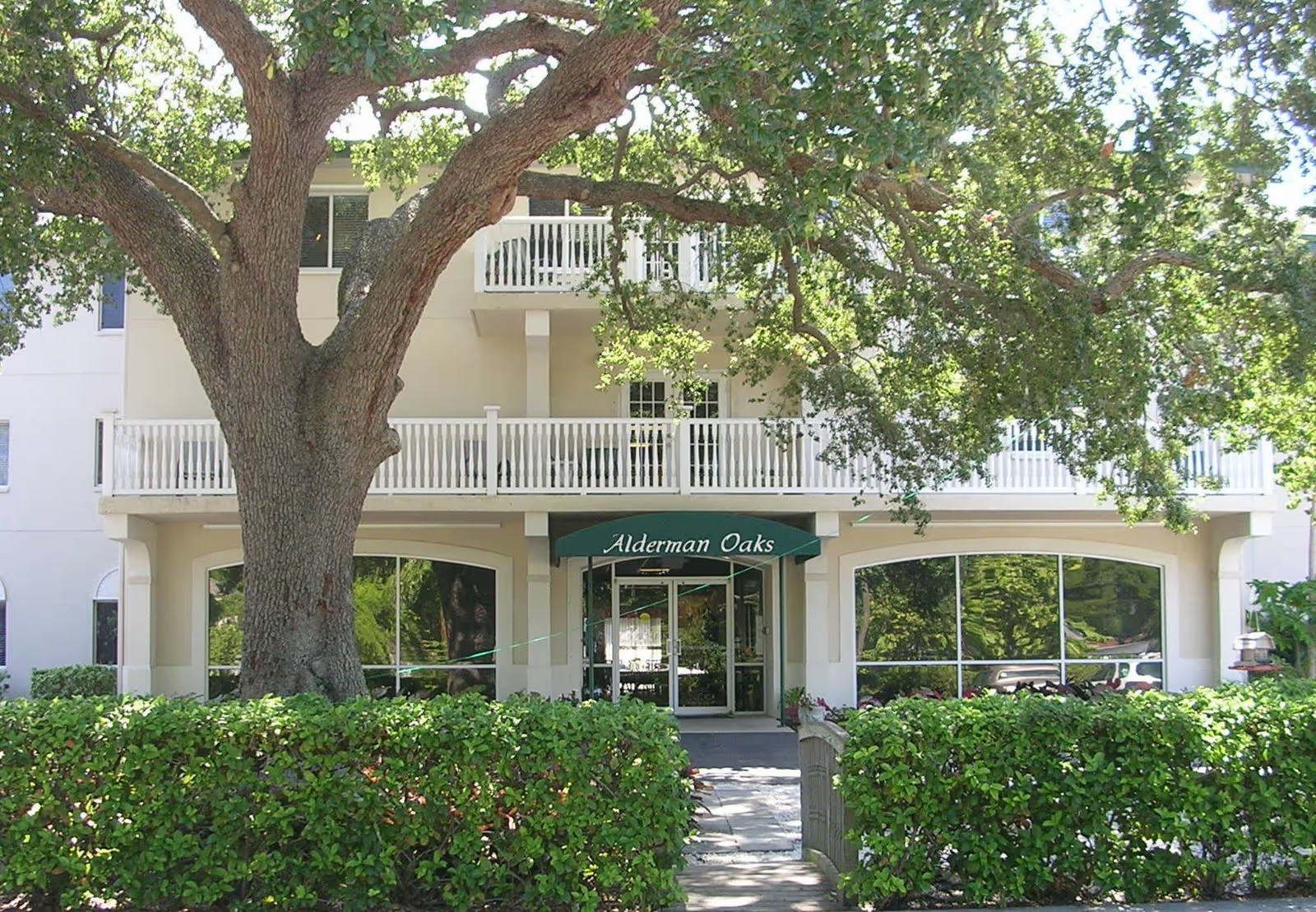
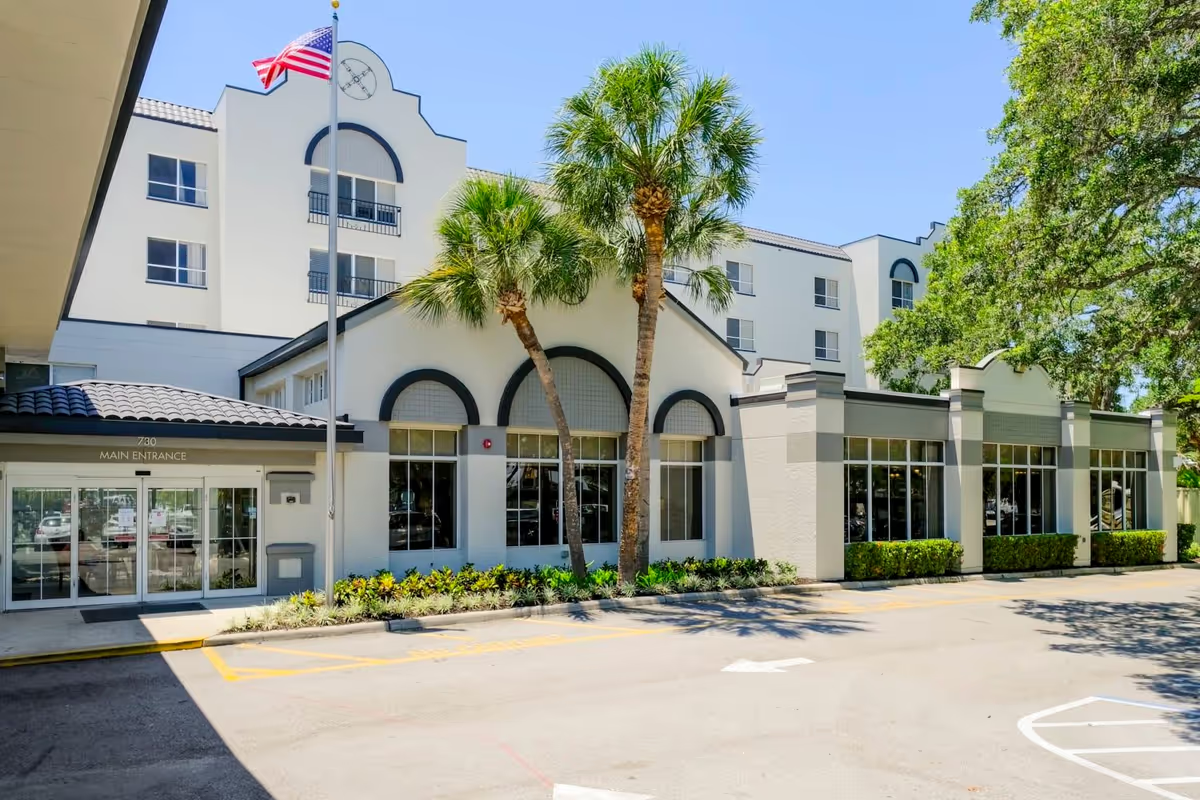
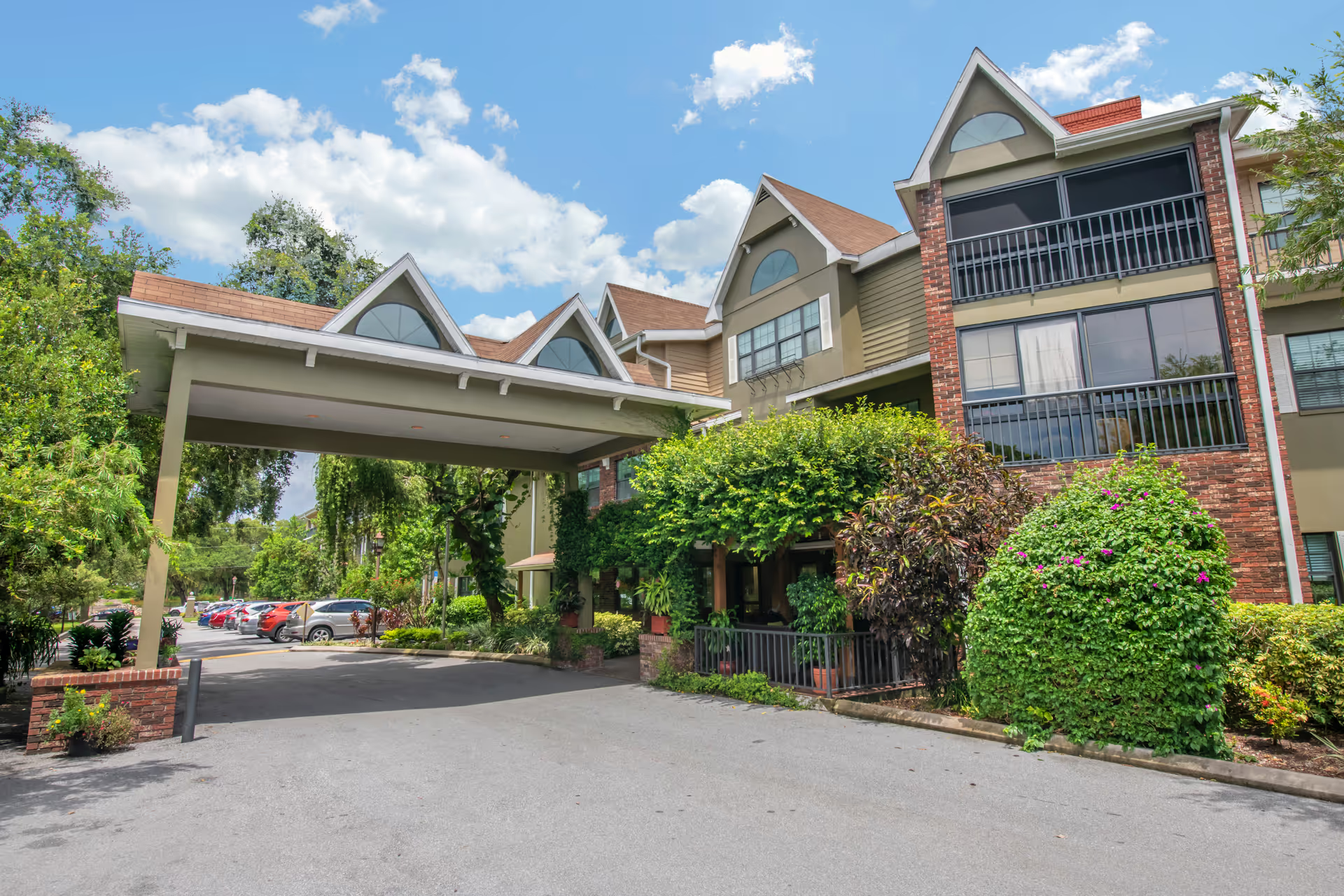
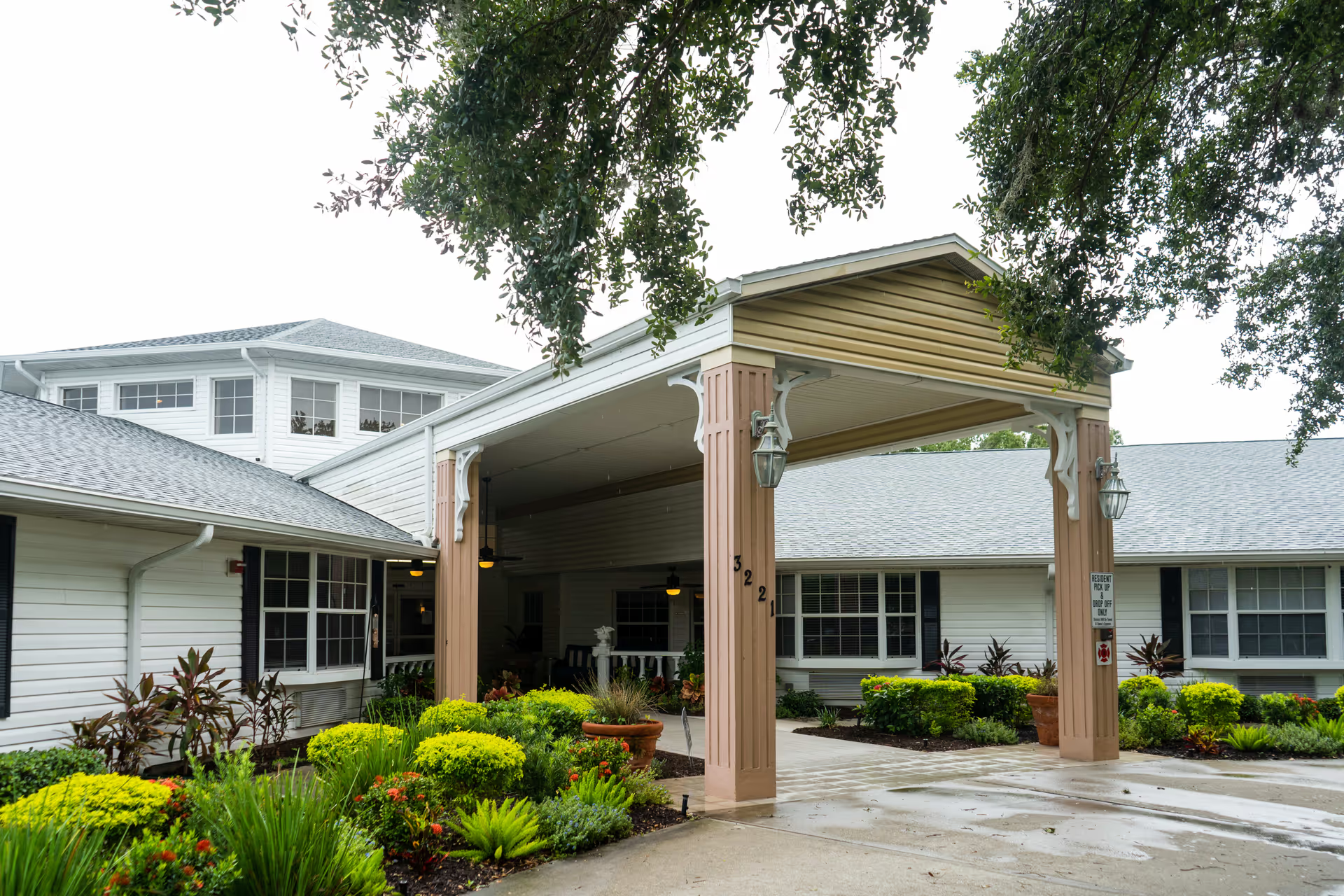
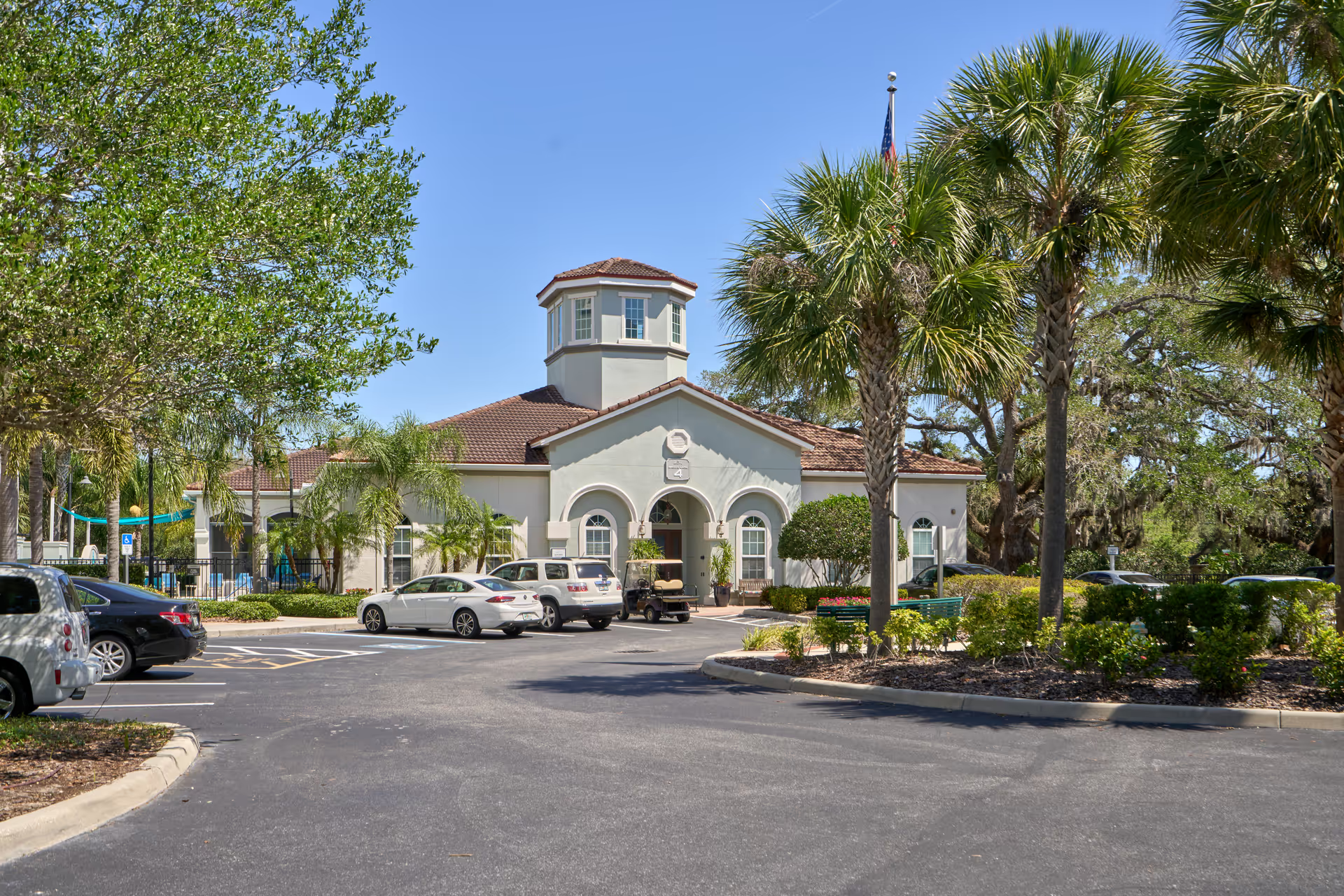
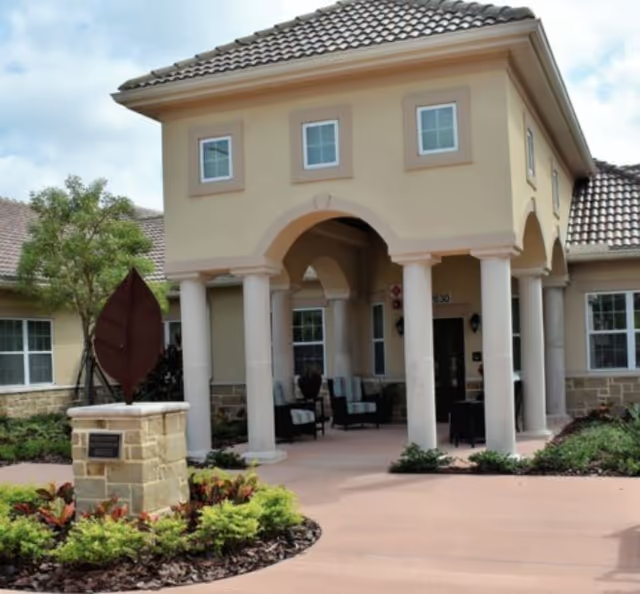
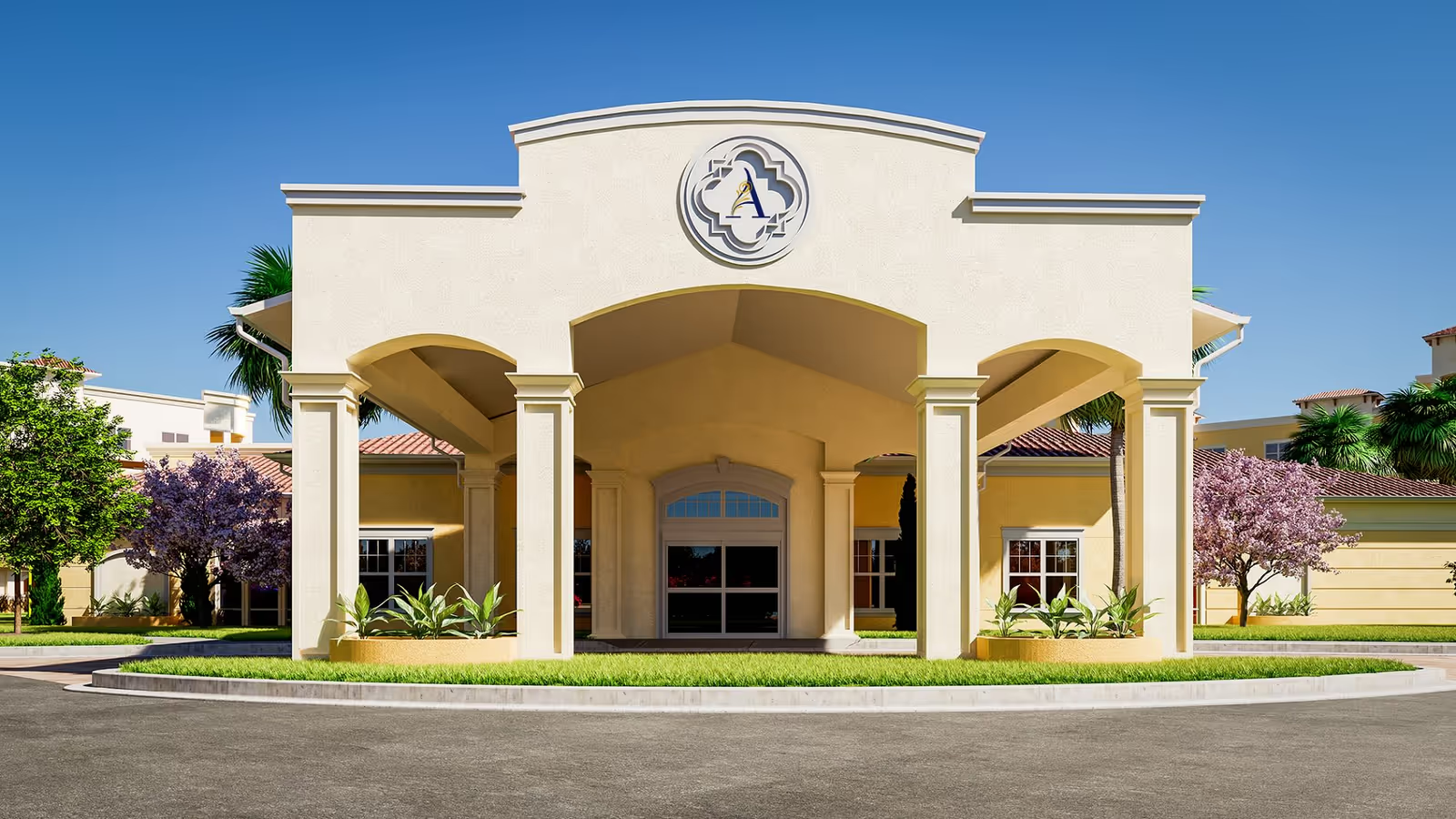
Pines of Sarasota presents a mixed but instructive profile. Positive accounts emphasize a well-resourced rehabilitation program, attentive therapy staff, and a clean, campus-like environment. Many families and former patients highlight strong physical and occupational therapy outcomes, including gait and vestibular improvement and measurable gains in mobility and activities of daily living. The facility is described as not-for-profit, long-standing in the community, and amenable to family involvement; reviewers also note a range of clinical services including memory care, wound care, palliative care, and 24/7 nursing coverage in many units.
Staff and care quality show a broad distribution of experiences. A substantial portion of feedback praises individual clinicians, therapy teams, and support staff for compassionate, patient-centered care and effective rehabilitation that restored function. Conversely, there are repeated accounts indicating staffing instability and coverage gaps that affect day-to-day care. These operational issues are linked to inconsistent communication from administration and nursing leadership, delayed or unreturned calls, and occasional use of agency personnel with variable performance. Reviewers describe both high-quality, attentive nursing and instances of delayed responses or conduct concerns, suggesting uneven performance across shifts or units.
Clinical coordination and personal-care practices are another clear pattern. The strong rehabilitation outcomes reported by many are offset by reports of inconsistent medication administration practices, gaps in bathing and toileting assistance schedules, and variability in therapy intensity or walker-training availability. Safety practices — especially related to transfers, fall prevention, and timely supervision — are raised as a concern in multiple accounts. Families and clinicians praising the physical-therapy teams often contrast that experience with separate accounts of limited physician rounds or slower clinical escalation during off-hours.
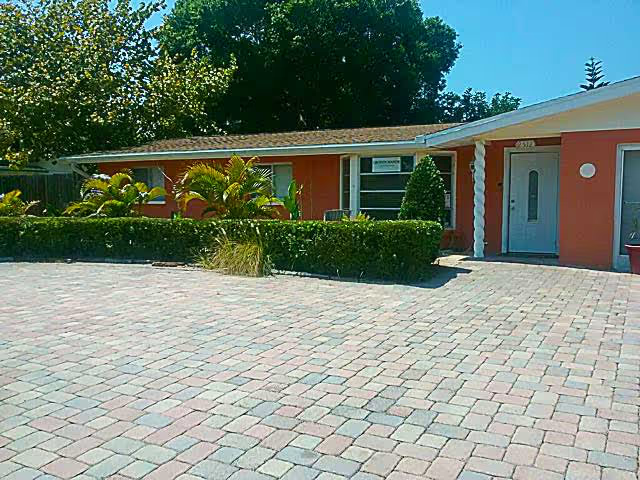
Dining, facilities, and programming reflect similar contrasts. The campus, landscaping, new rooms, and communal areas receive consistent praise for cleanliness and a home-like atmosphere; activities, outings, and holiday programming are frequently cited as family-valued strengths. At the same time, food quality and meal-service consistency are noted as variable, and some reviewers flag kitchen sanitation or pest-control concerns. Room-level issues include small private-room footprints, thin partitions between roommates in some units, and intermittent temperature-control problems. Administrative matters such as billing, insurance/Medicaid coordination, and responsiveness to authorization questions also appear as recurring operational weaknesses.
In sum, Pines of Sarasota offers demonstrable strengths in rehabilitation, therapeutic expertise, and community-style programming within a clean, attractive campus. However, the facility also exhibits operational variability — particularly around staffing consistency, clinical coordination, personal-care reliability, and administrative communication. Prospective residents and families would benefit from targeted questions when touring the facility: staffing ratios by shift, weekend and after-hours clinical coverage, medication-administration checks, bathing and toileting schedules, therapy frequency and walker-training protocols, pest-control measures, meal-sampling and dietary accommodations, and clarification of billing or Medicaid authorization procedures. Those steps can help align expectations with the facility’s strong rehabilitative capabilities while identifying and mitigating the operational risks noted by other families.