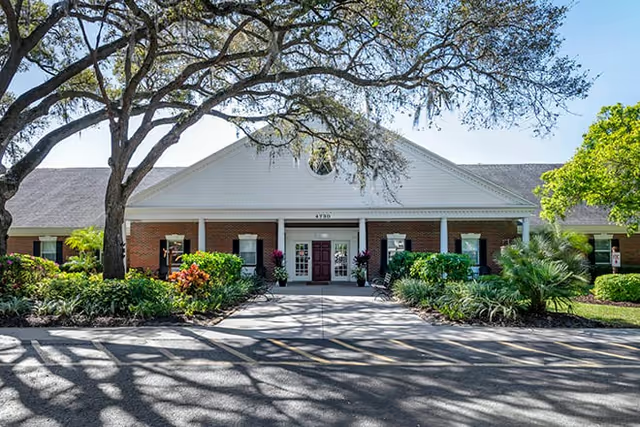
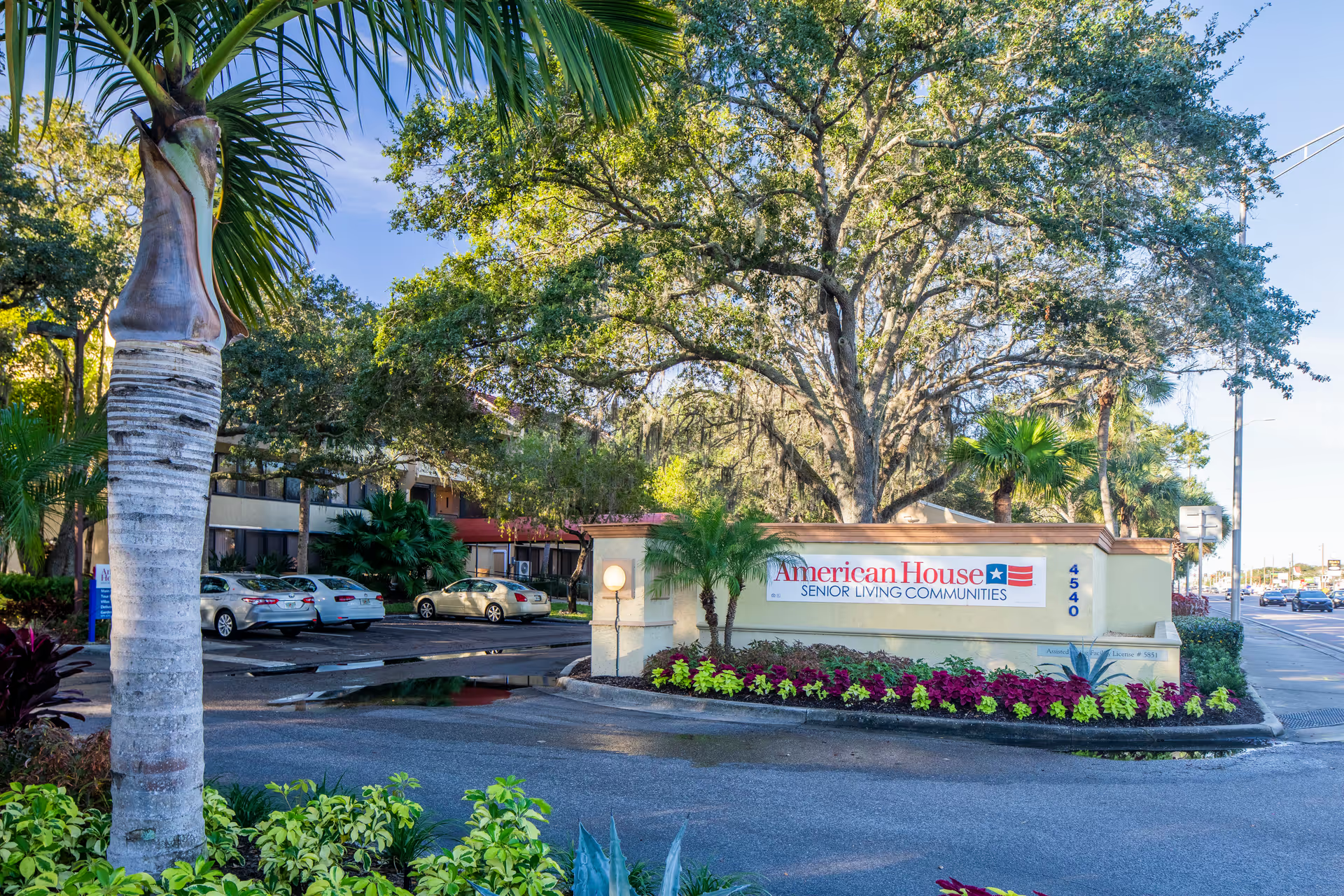
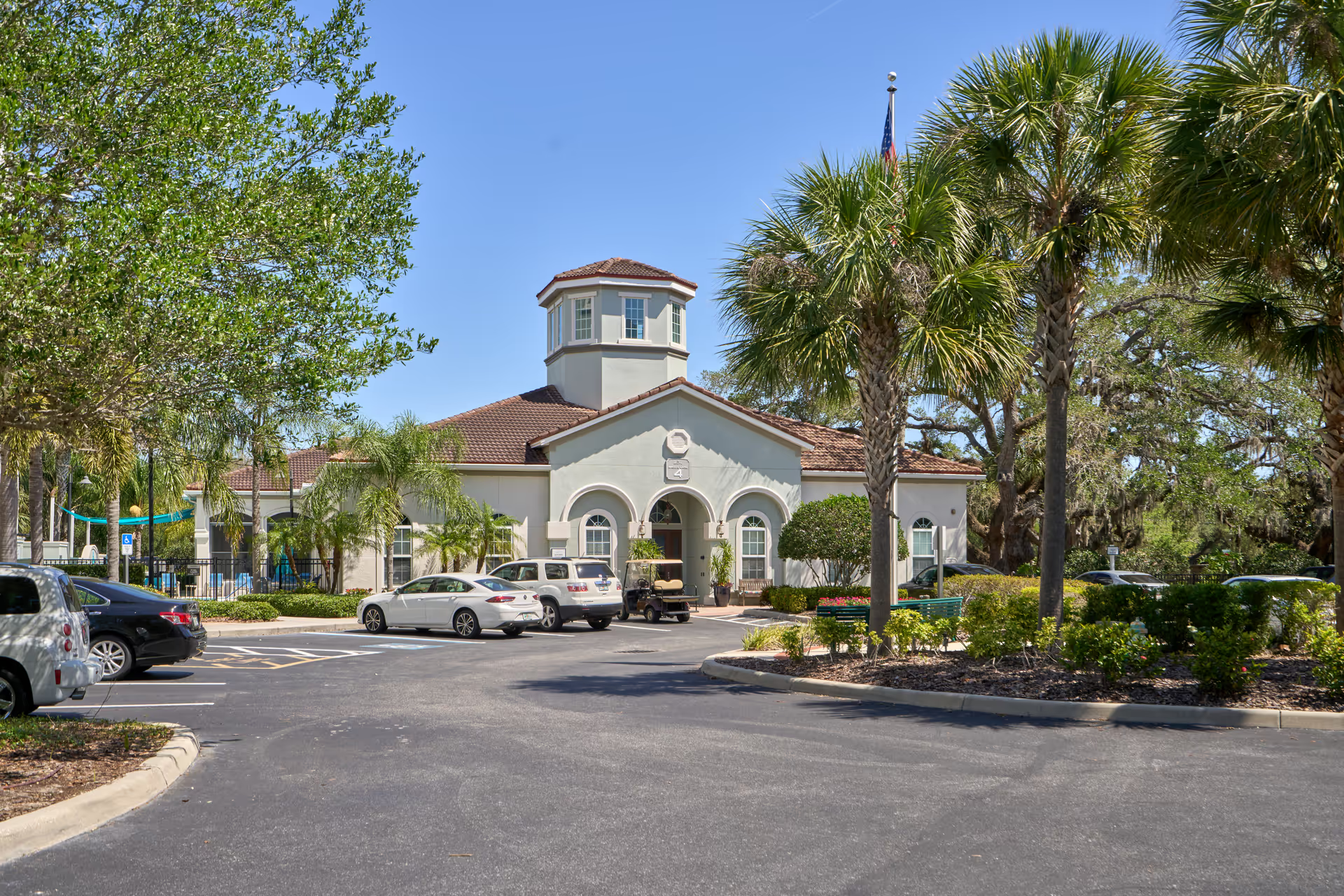
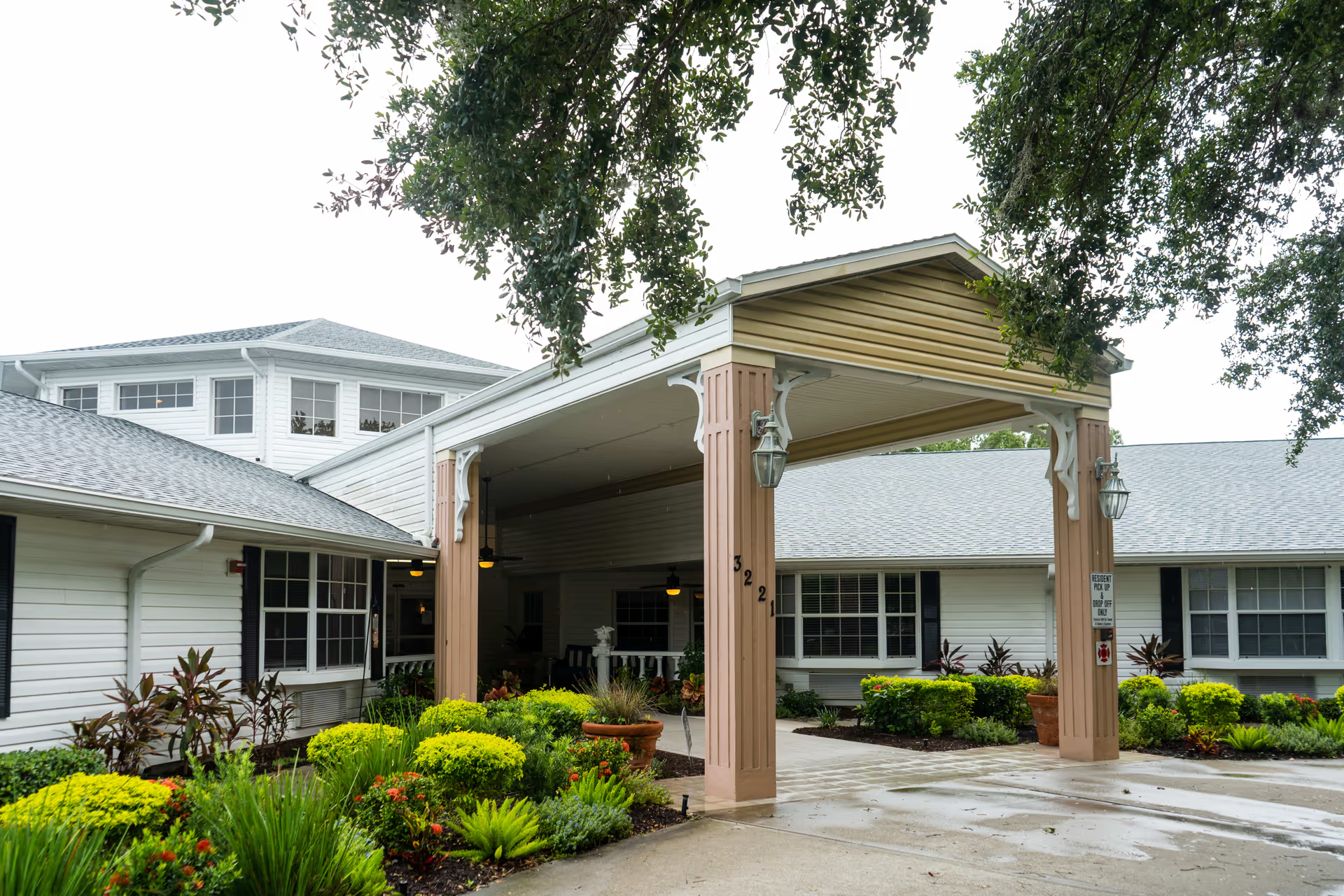
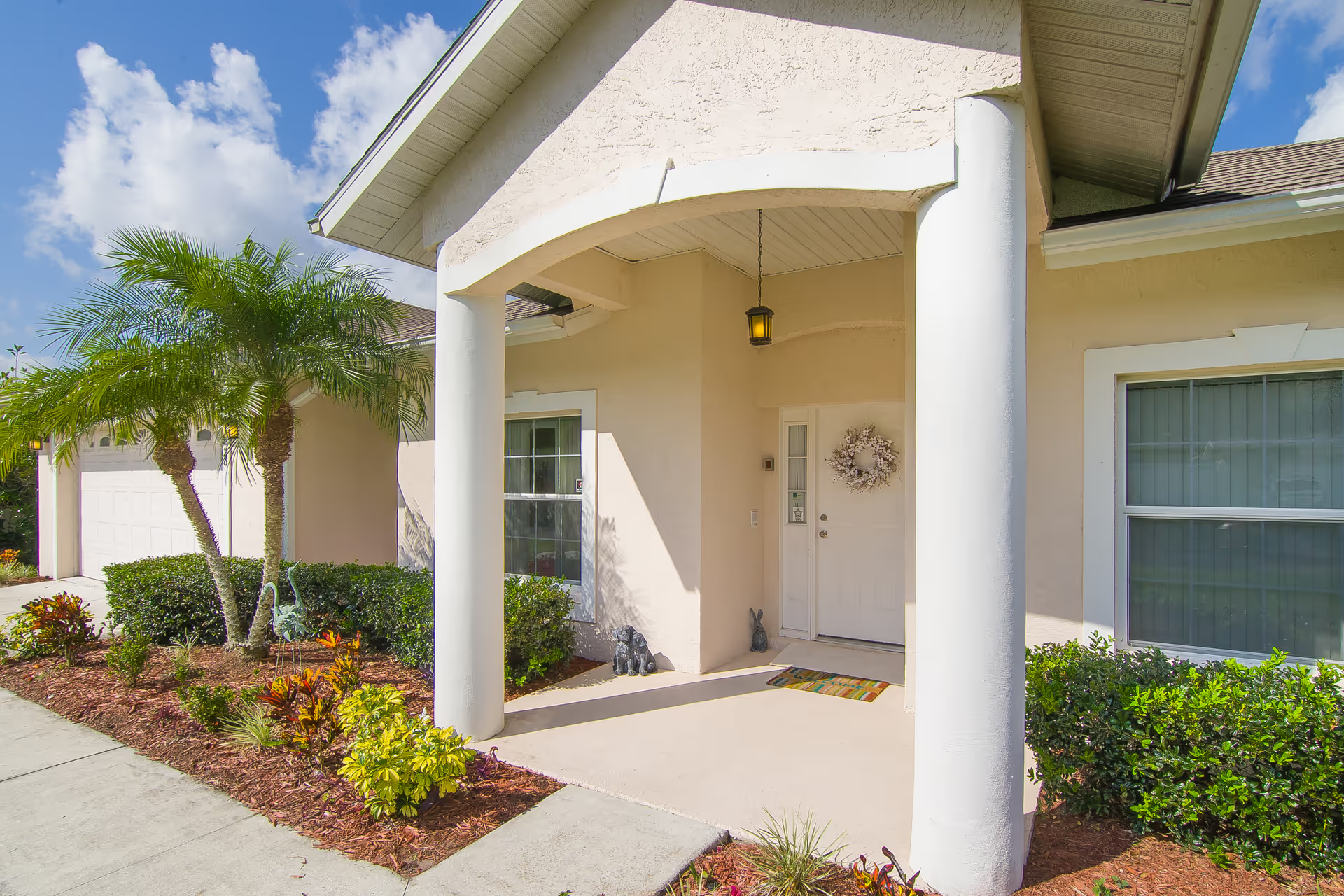
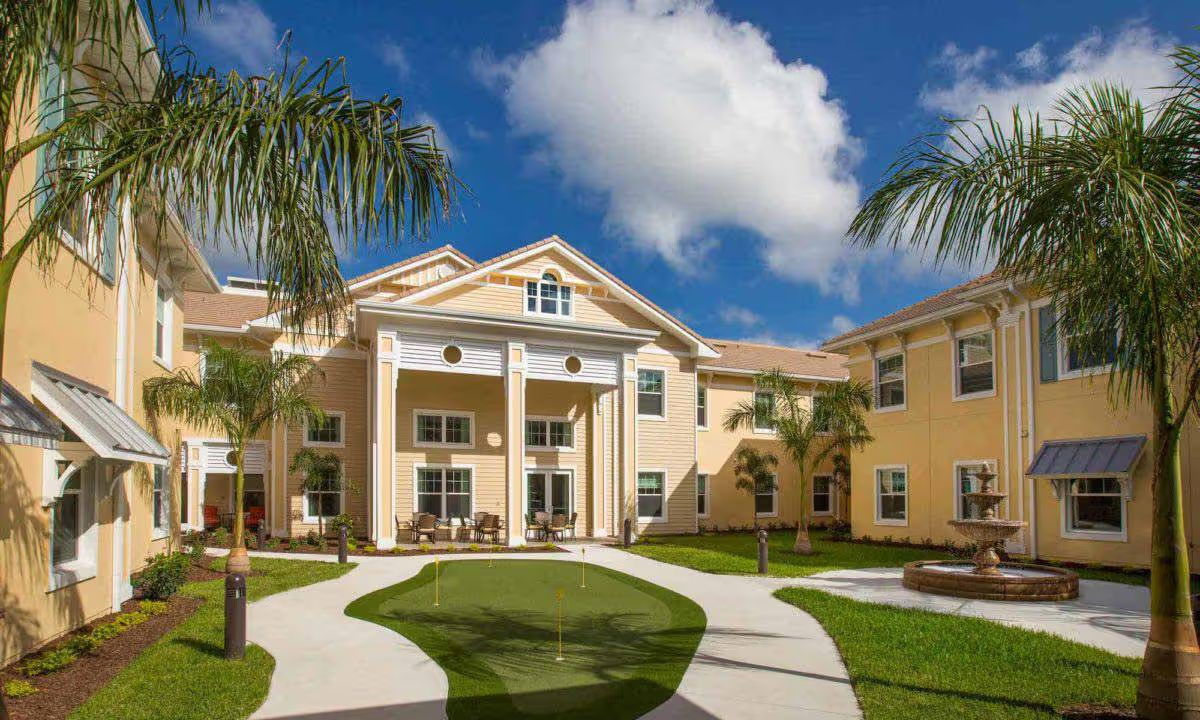
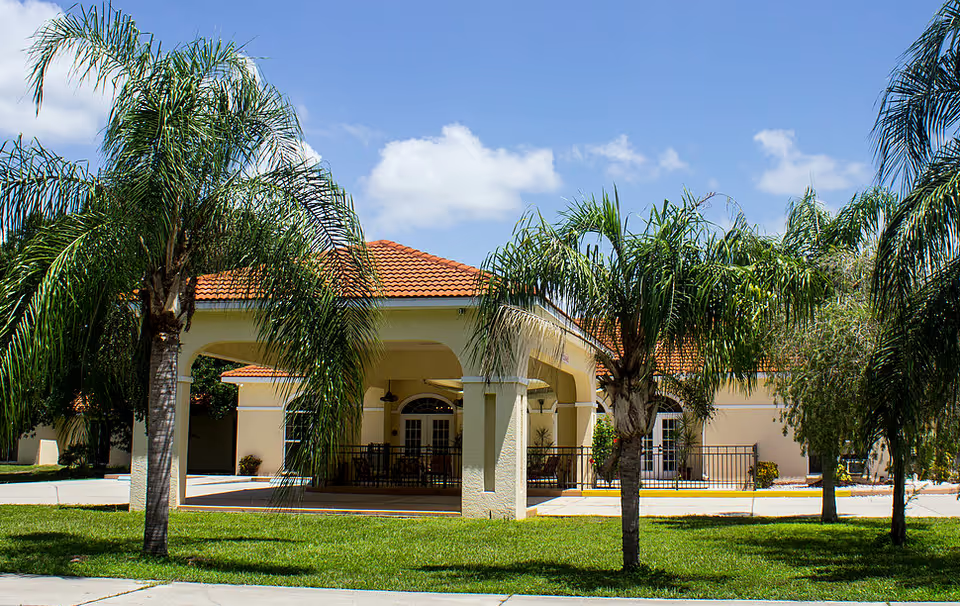
Sunnyside Village presents as a sizable, well-appointed retirement campus with many strengths that appeal to both independent-living residents and short-term rehab patients. The physical campus is repeatedly described as attractive and well maintained — landscaped grounds, lake views, walking paths and newer construction in parts of the community contribute to a park-like setting. Interior common spaces, a chapel, library and multiple social hubs support daily interaction, and housekeeping and laundry services are consistently characterized as high quality.
Recreation and therapy are clear highlights. Reviewers frequently cite a broad slate of activities (exercise classes, pool, shuffleboard, gardening, arts/crafts, concerts, day trips, wood shop and regular social events) and multiple fitness facilities including a heated pool. The on-site rehabilitation program and physical therapy team receive strong praise for targeted, hands-on treatment and measurable functional gains — many families cite successful short-term rehab stays covered by Medicare. Assisted living and memory-care units are present on campus and are generally described as clean and purpose-built.
Staffing and care quality are described with a mix of commendation and caution. Many reviewers emphasize caring, attentive employees who learn residents’ names, long-tenured staff, an open-door leadership style, and a culture of pastoral support. Skilled nursing and therapy staff are often called professional and compassionate. However, there are recurring concerns about variability in nursing conduct and responsiveness, nurse-to-patient ratios during some shifts, and perceived inconsistencies in long-term nursing care. Several families described communication gaps between independent living, rehab and nursing sectors, and some noted a lack of transparency or misleading updates about clinical progress. Prospective residents should request details on staffing levels, escalation pathways, and regular communication protocols.
Dining is another area with generally positive but mixed feedback. Many residents praise the chef, variety of lunch and dinner options, and welcoming dining rooms; other reviewers expressed disappointment with food quality or consistency in certain units. Private-room availability and apartment sizes also vary across the campus: some newer units offer spacious private rooms with high ceilings and large windows, while other apartment layouts are described as smaller. Families relocating from a distance flagged moving logistics and coordination as a practical challenge.
A notable cultural pattern: Sunnyside Village identifies with a Christian community ethos and active pastoral programming. For many residents this is a positive factor; for others it may feel more prominent than desired. Overall, the dominant themes are strong rehabilitation services, attractive facilities, abundant activities, and generally compassionate staff. The primary operational cautions are variability in nursing responsiveness and communication across care sectors, limited private-room availability, and occasional inconsistencies in dining and activity frequency. Visitors and families should tour multiple levels of care, sample meals, ask for staffing ratios and communication workflows, and confirm room availability and relocation support to ensure the campus matches their clinical and cultural expectations.