The Inn at Sarasota Bay Club presents a clear pattern of strengths centered on rehabilitation services alongside recurring operational and communication weaknesses. Reviewers consistently praise the facility's physical and occupational therapy offerings: therapists are described as skilled, compassionate, and instrumental in recovery, with intensive therapy schedules (including daily or five-times-per-week sessions) noted as a key asset. Several families also highlighted social-work support, activity programming, and efforts to facilitate family communication (including video calls) as meaningful supports during stays.
Clinical care beyond rehab elicited mixed feedback. While many reviewers praised nurses and individual caregivers who provided attentive, high-quality care, others described delays in responding to pain, slow provision of ice or other comfort measures, and concerning lapses in medication administration. The facility appears to lack routine physician or nurse practitioner coverage on weekends, which reviewers linked to slower clinical escalation and delayed decision-making for acute issues. Overall, there is a discernible pattern of gaps in urgent clinical escalation and medication-administration controls that prospective families should clarify prior to admission.
Operational and service-delivery issues were recurring themes. Multiple accounts described inconsistent housekeeping and sanitation processes, delays or errors in meal delivery, and difficulty accommodating dietary requests; food temperature and the ability to cut or prepare meats to requested texture were specifically mentioned. Staff responsiveness to call bells and routine assistance requests was uneven, with reviewers describing both attentive shifts and periods when aides appeared overextended. These observations point to staffing-level constraints that can affect timeliness of care.
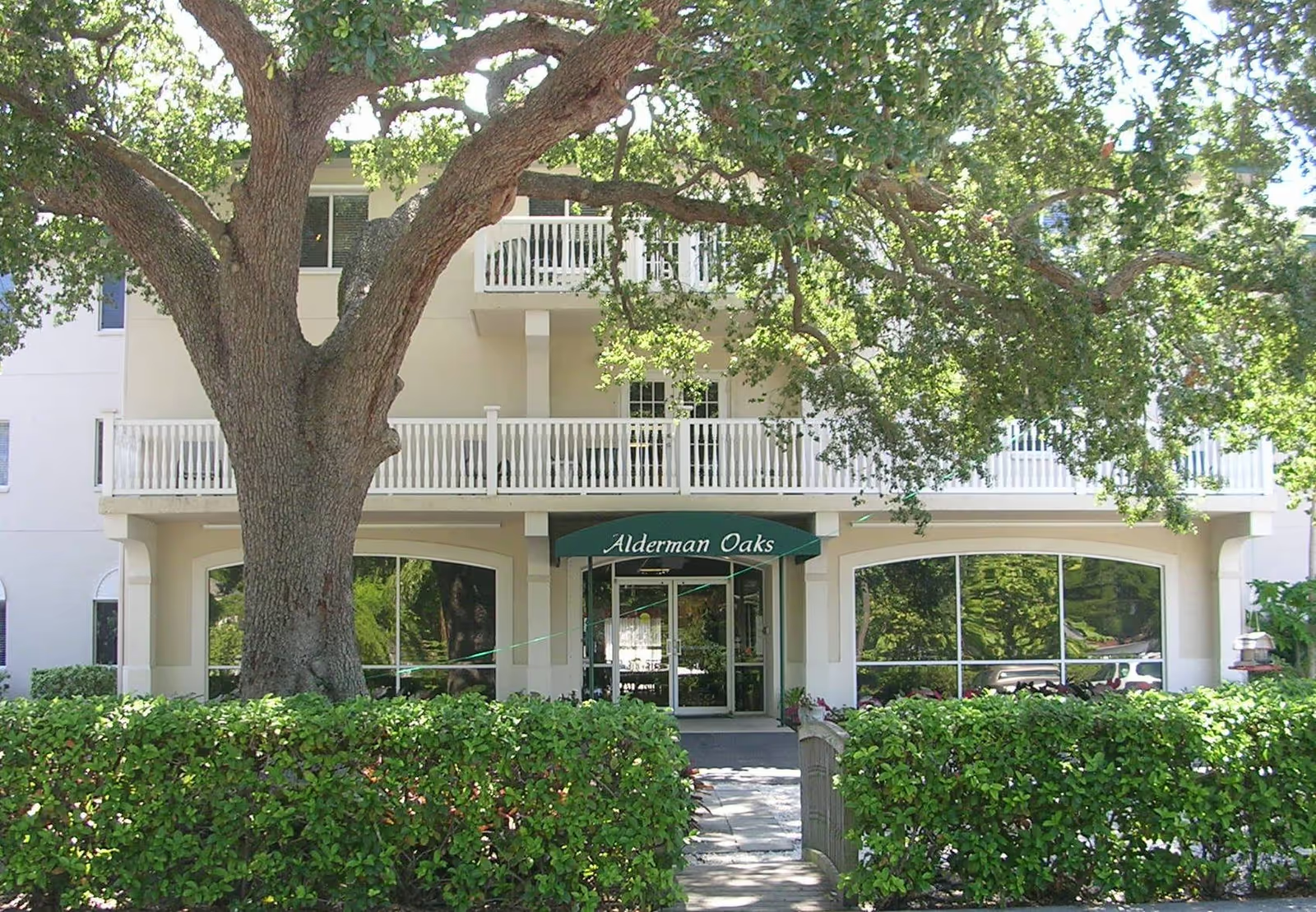
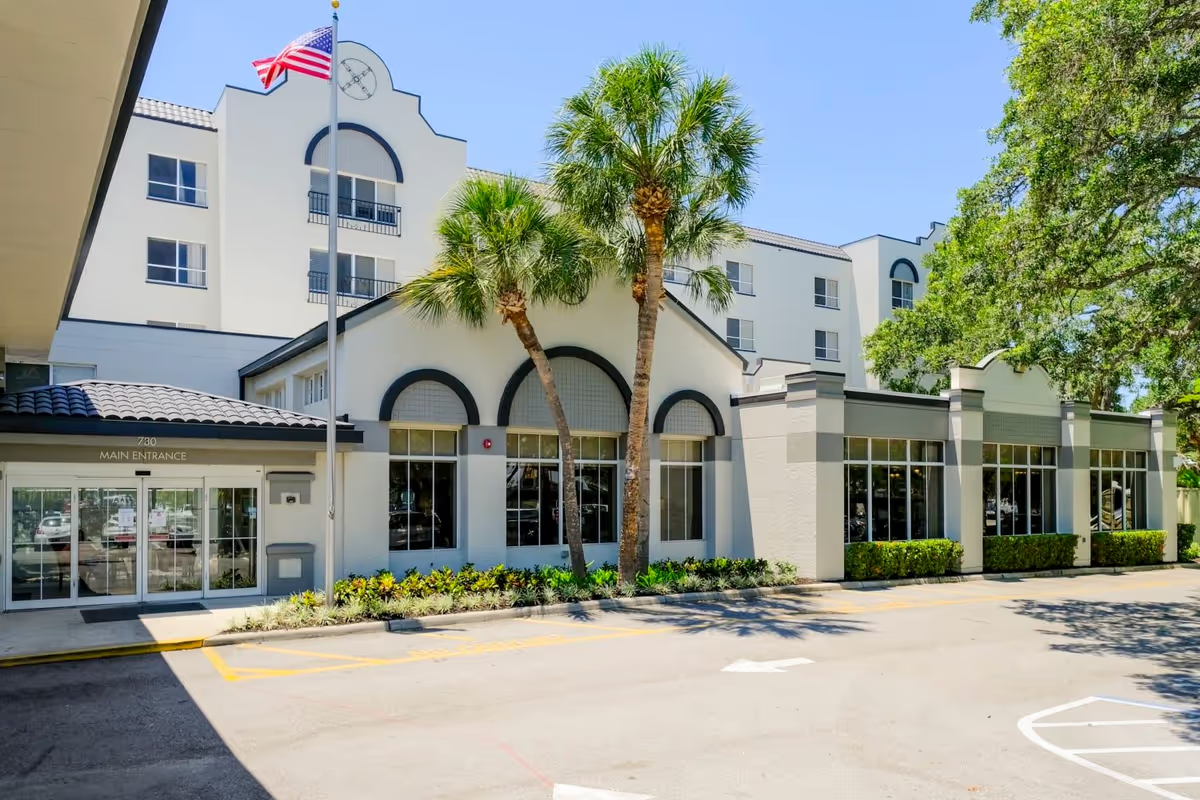
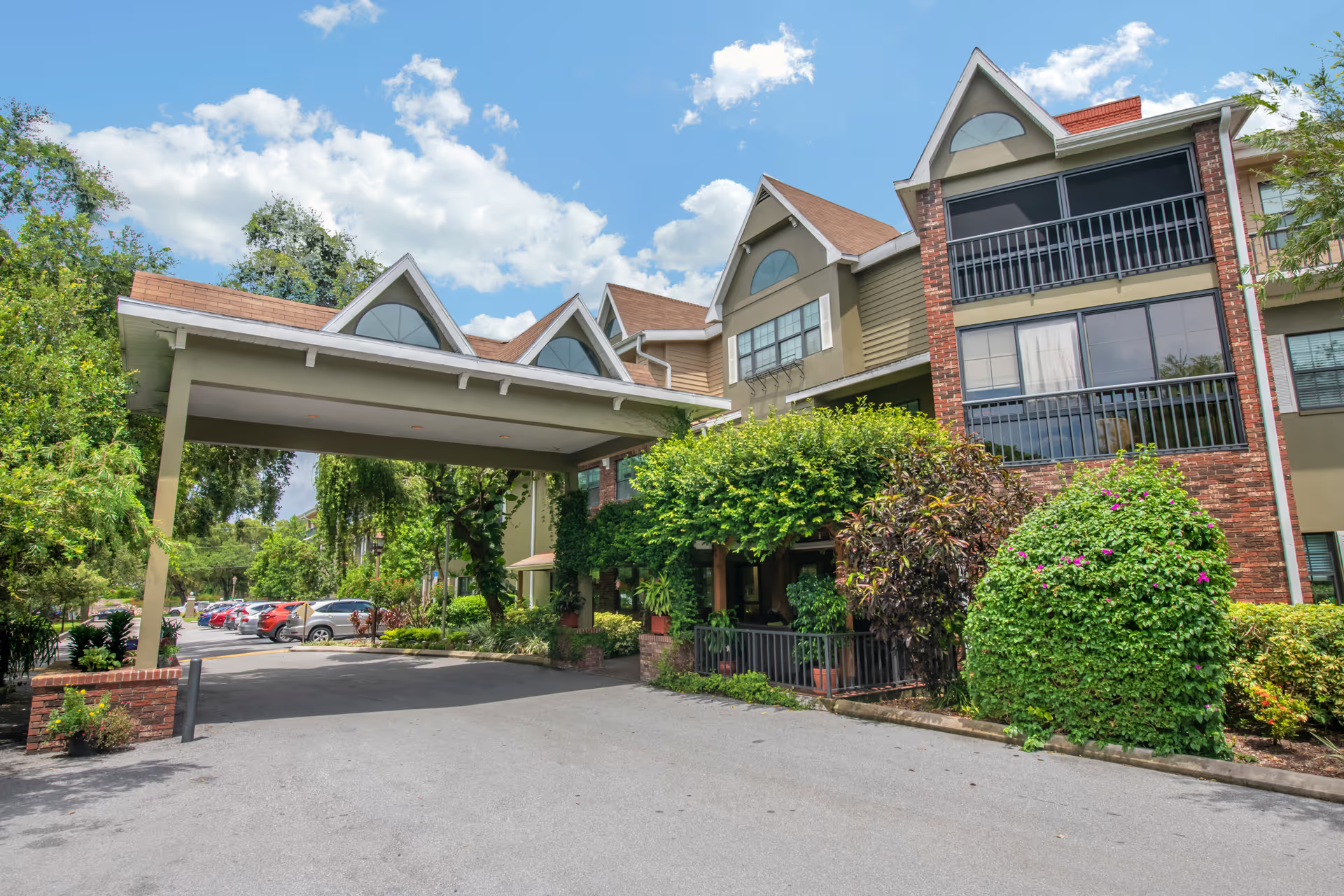
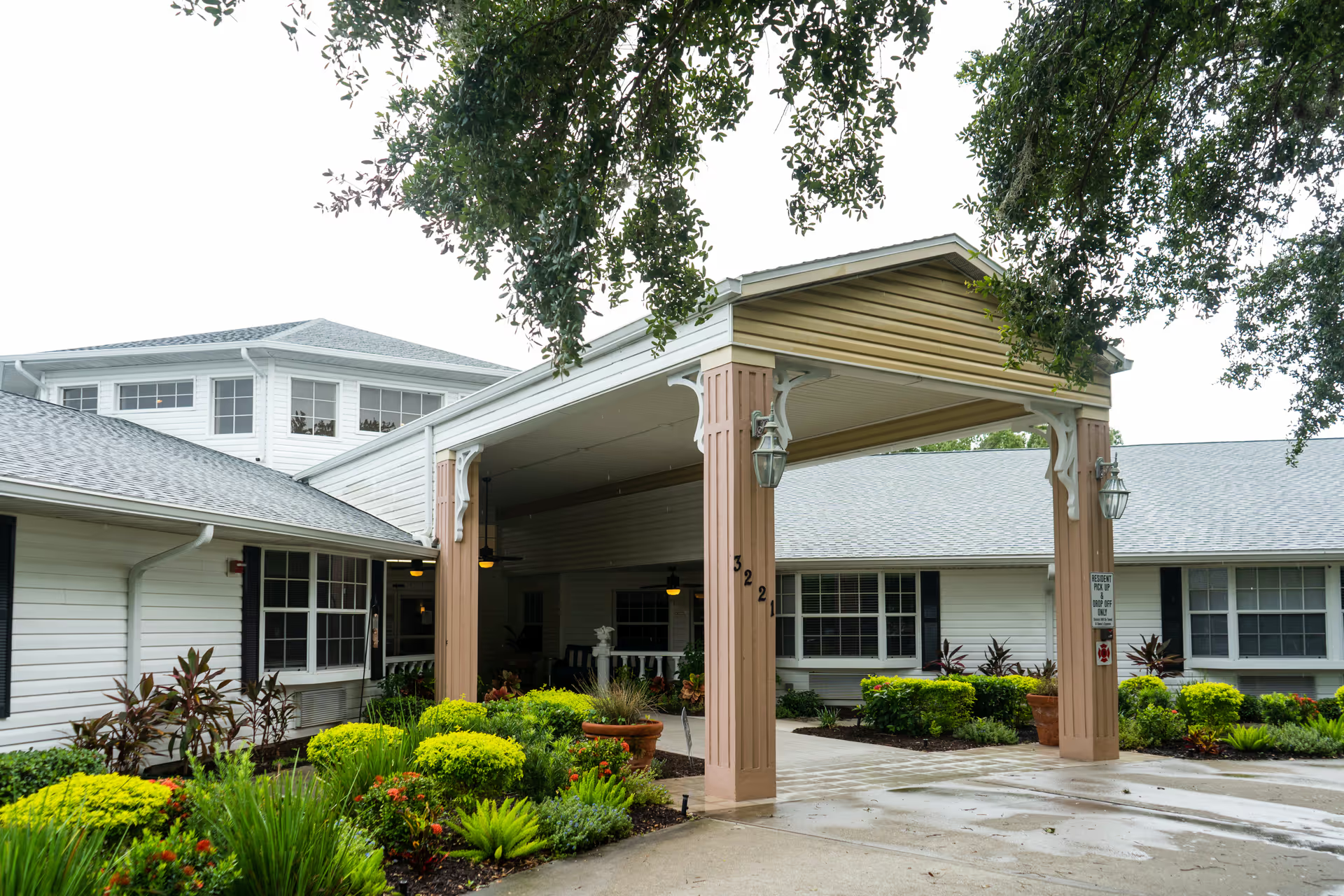
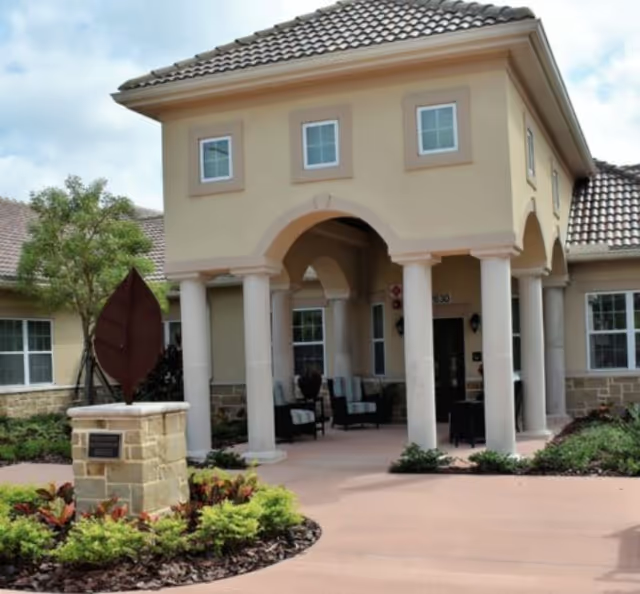
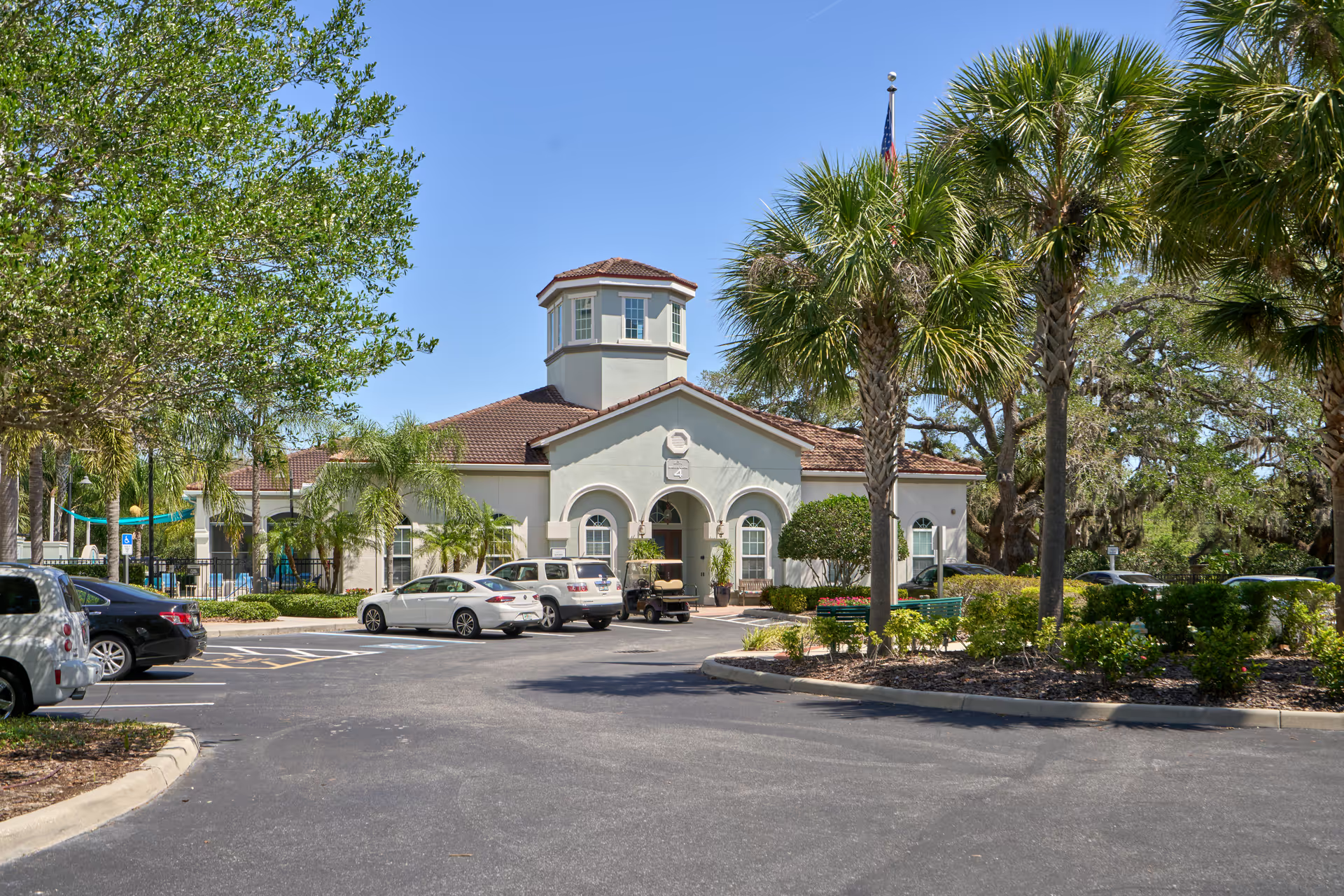
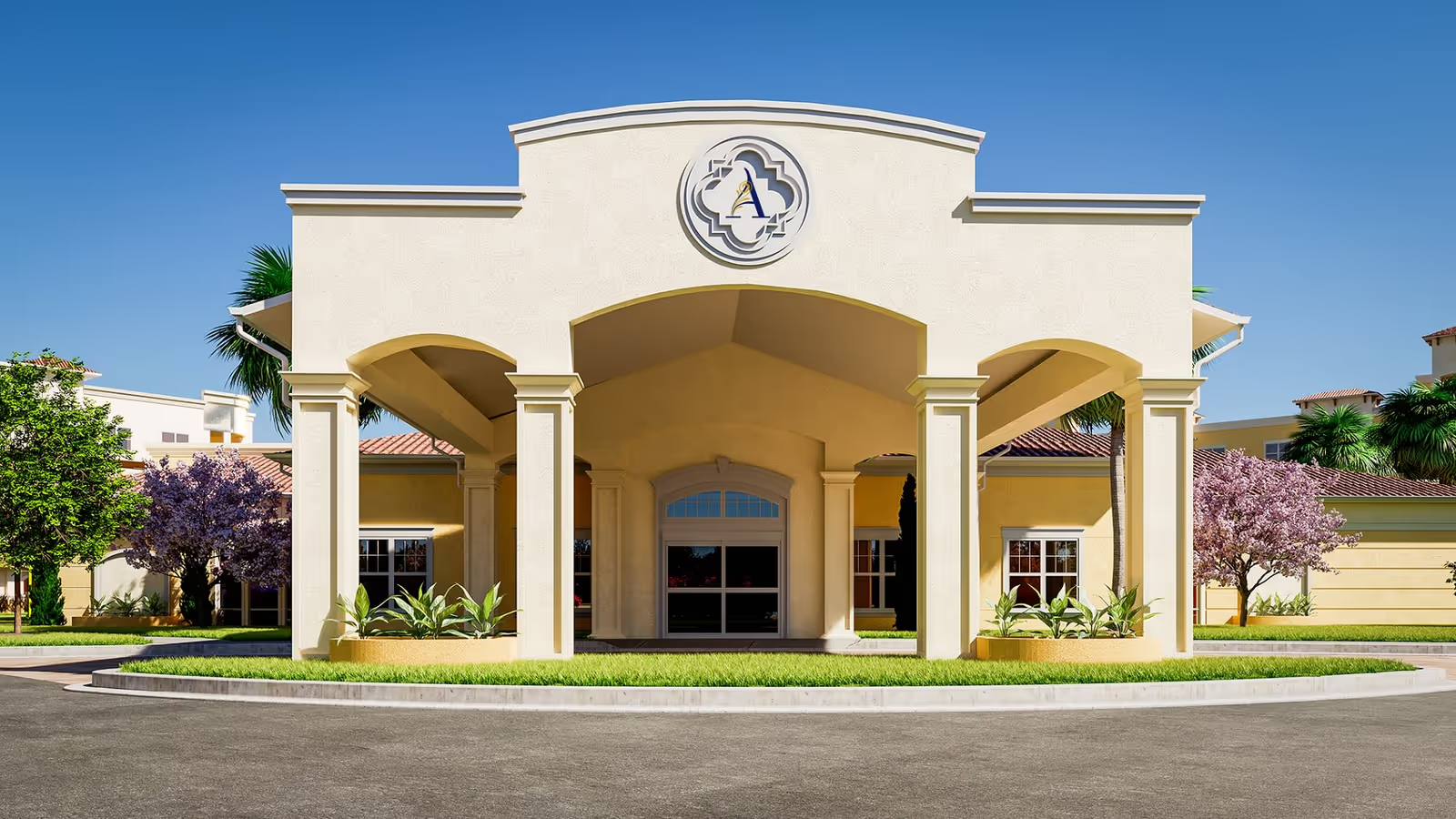
Facility amenities and the physical environment showed contrast: the campus and common areas were frequently described as attractive and well maintained, yet some resident rooms were criticized as small, dark, and lacking accessible windows. Such room characteristics may have meaningful impact on mood and recovery for some residents, so room selection and availability are important considerations.
Management and communication were another area of concern. Several reviewers described weak follow-up after complaints, difficulty reaching administration by phone or email, and a perception that administrative decisions prioritize financial considerations. Reports of variable staff tone and interpersonal interactions suggest inconsistencies in customer-service training and oversight.
In summary, the Inn at Sarasota Bay Club may be a strong option for individuals whose primary need is intensive, therapist-led rehabilitation — the therapy team is a consistent asset. However, families should proactively evaluate operational elements that matter day to day: medication-administration safeguards, weekend clinical coverage, staffing ratios and response times, room assignment (size and natural light), housekeeping protocols, and the facility's process for handling complaints. Asking targeted questions and observing staff–resident interactions during a tour will help determine whether the facility's operational practices align with a prospective resident's needs and expectations.