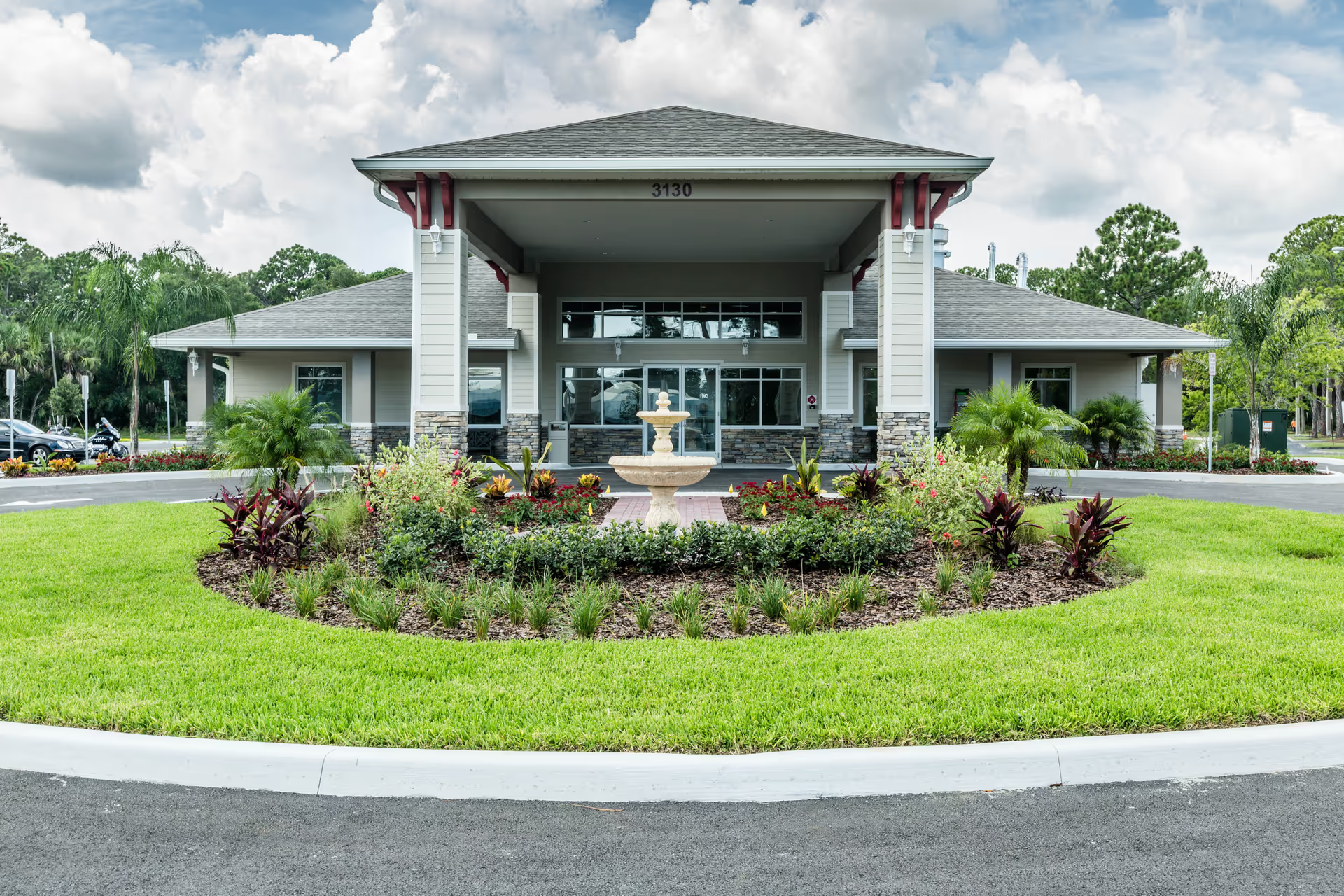
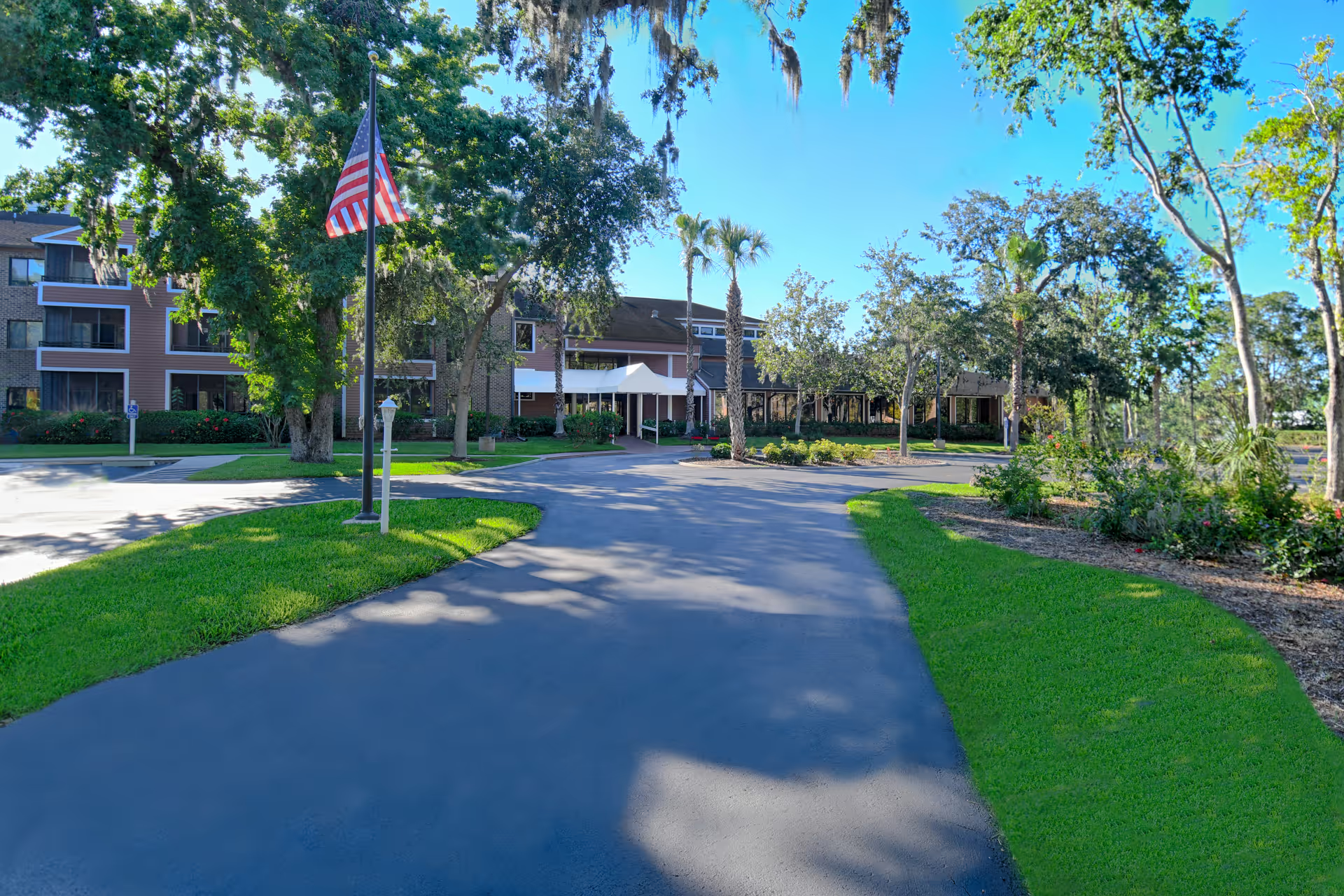
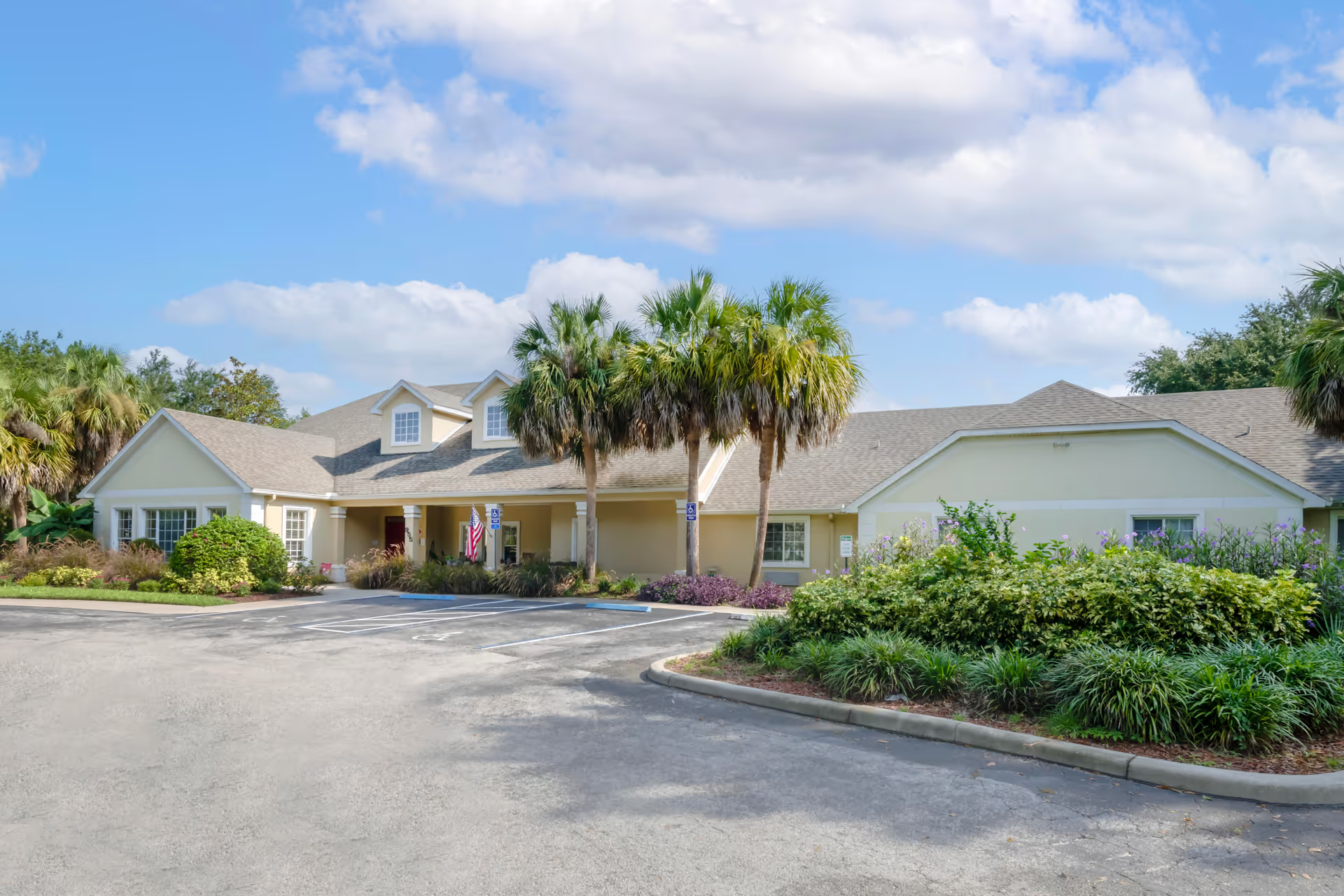
Aviata at South Daytona elicits strongly mixed impressions. Positive commentary clusters around clinical rehabilitation, front-line caregivers, and the facility’s communal environment: the therapy department is frequently described as skilled and effective in restoring mobility, and many accounts praise nurses and CNAs as compassionate and hardworking. Housekeeping, laundry, visible maintenance work, and groundskeeping are commonly noted as strengths, and several reviewers describe comfortable common areas, outdoor spaces, and a bright dining room that support a home-like atmosphere.
Dining and activities are likewise areas of contrast. Numerous families report appealing, nutritious menu choices, available snacks, and a varied activity schedule that residents enjoy. At the same time, there are recurring notes about inconsistent food quality, meals arriving cool, and a desire for stronger culinary consistency. The activity program and therapy offerings receive consistent positive mention; reviewers often credit therapy staff with measurable recovery outcomes and describe the social calendar as engaging.
Operational and clinical concerns appear repeatedly. Communication with families and care coordination are described as unreliable in multiple accounts — examples include delayed or absent notification of hospitalizations and difficulty reaching staff by phone or voicemail. Call-response delays and unreliable buzzer systems are cited as safety and comfort issues. There are also repeated clinical-care concerns, specifically related to wound care, infection-control practices, and timely assistance for residents with mobility or hygiene needs. Staffing variability — particularly short staffing on weekends or during nights and high turnover among some roles — is a common explanatory factor for delayed responses and inconsistent care.
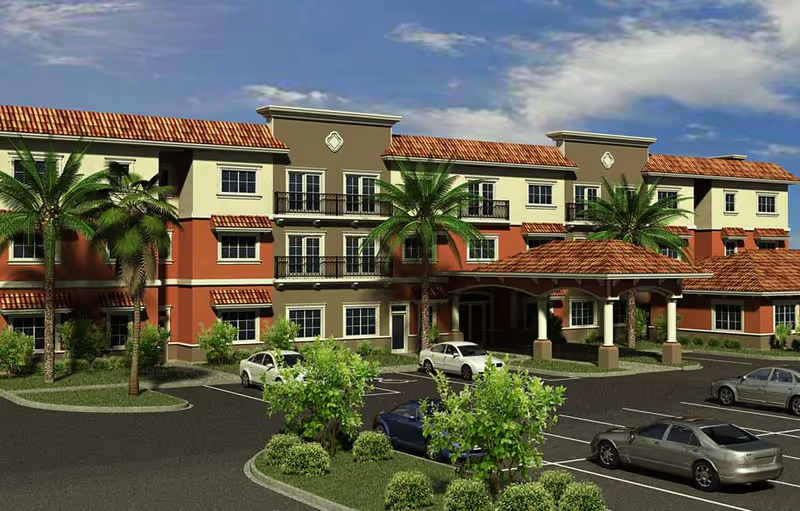
Facility condition reports are mixed. Many reviewers note visible improvements, renovations, and proactive maintenance that make the building and grounds more welcoming. Conversely, others describe cleanliness and odor-control inconsistencies in certain areas, cramped multi-bed rooms that reduce privacy, and dated aspects of the building that still need attention. Administrative experience is similarly uneven: several families commend new management, admissions, or patient-experience staff for responsiveness and a more positive culture, while other accounts criticize administrative and social-services responsiveness, ineffective phone systems, and occasional dismissive conduct. There are also mentions of historical corporate and legal concerns; these are presented as allegations that have influenced some families’ trust.
Taken together, the pattern is polarized: many reviewers highlight strong rehabilitation, compassionate caregiving, active programming, and visible facility improvements, while a substantial set of critiques focus on communication breakdowns, inconsistent clinical practices (particularly around wound care and infection control), meal-service variability, privacy limitations in shared rooms, and staffing/administrative instability. Prospective residents and families would benefit from an in-person visit, direct conversations with nursing and therapy leaders, and specific questions about call-response protocols, wound-care procedures, recent staffing changes, and current ownership/management history before making placement decisions.