Silver Treasures at St. Augustine is described by reviewers as a newer, well-kept community that emphasizes a small, community-scale experience and a separation between independent living, assisted living, and memory care. Independent-living units with full kitchens and flexible meal-plan options are often cited as supporting resident independence. Common-area amenities such as a movie theater, dining area, and regular activities (bingo and planned programming) are highlighted as strengths that contribute to an active daily life.
Care quality and staffing elicit mixed but specific impressions. Many families praise compassionate, attentive staff who create a warm, extended-family atmosphere and who are responsive to both resident and family needs; individual staff members and managers receive direct praise for going above and beyond. At the same time, there are recurring operational concerns: reviewers describe inconsistent staff training and competency, language and communication barriers that complicate care interactions, high turnover linked to hiring-practice weaknesses, and episodes of understaffing and staff overwork. These staffing patterns can produce variability in day-to-day care experience and are most often tied to the assisted- and memory-care areas.
Dining and activities are consistently mentioned in positive terms. Food quality and the availability of meal-plan choices are described favorably, and the community’s smaller size allows for personalized meal and activity programming. The on-site amenities and scheduled social opportunities receive specific appreciation from residents and families who emphasize that the facility is not too large and provides plenty of planned engagement.
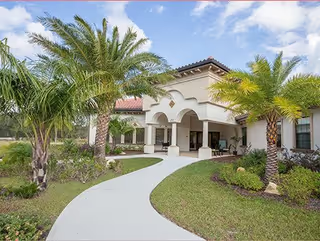
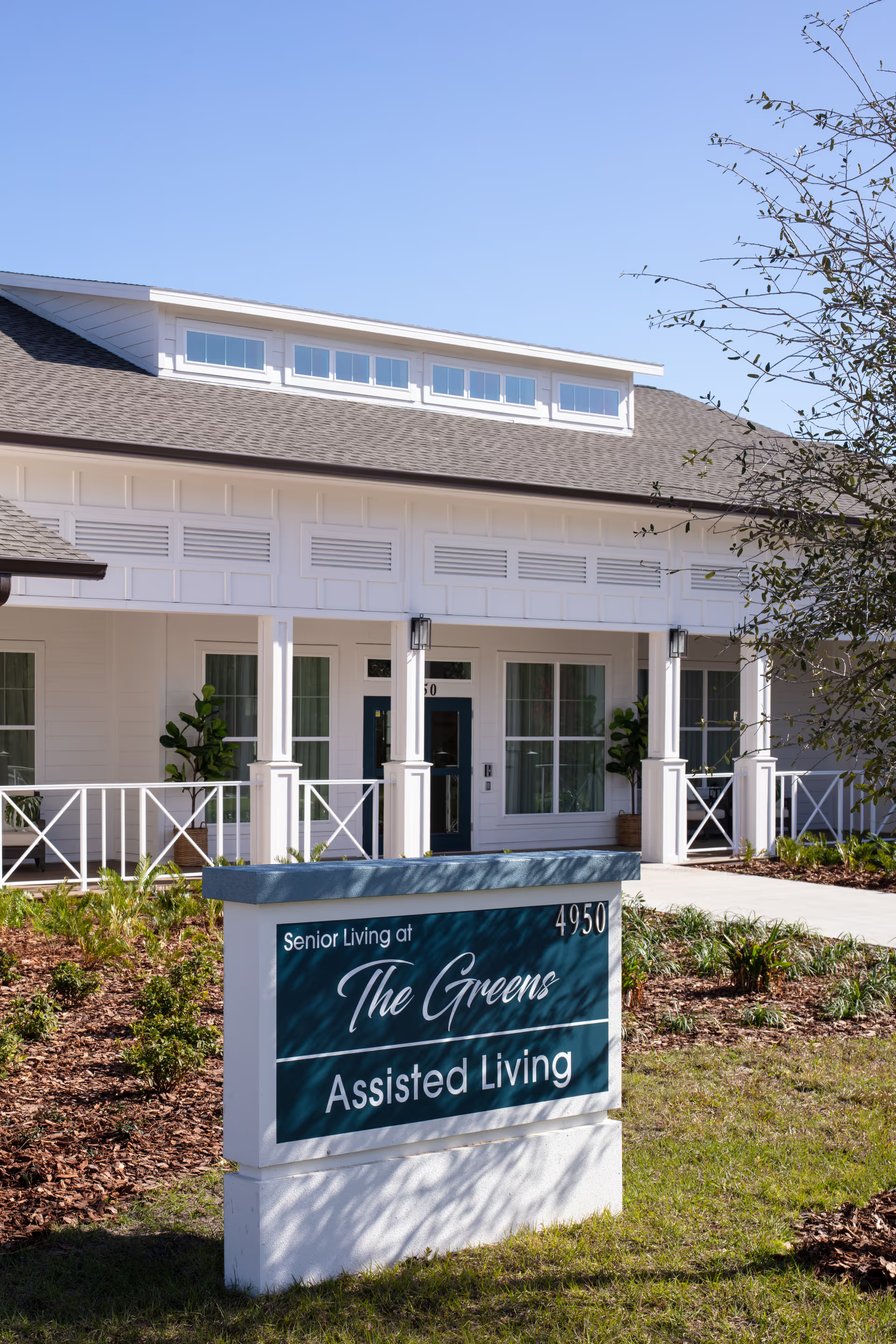
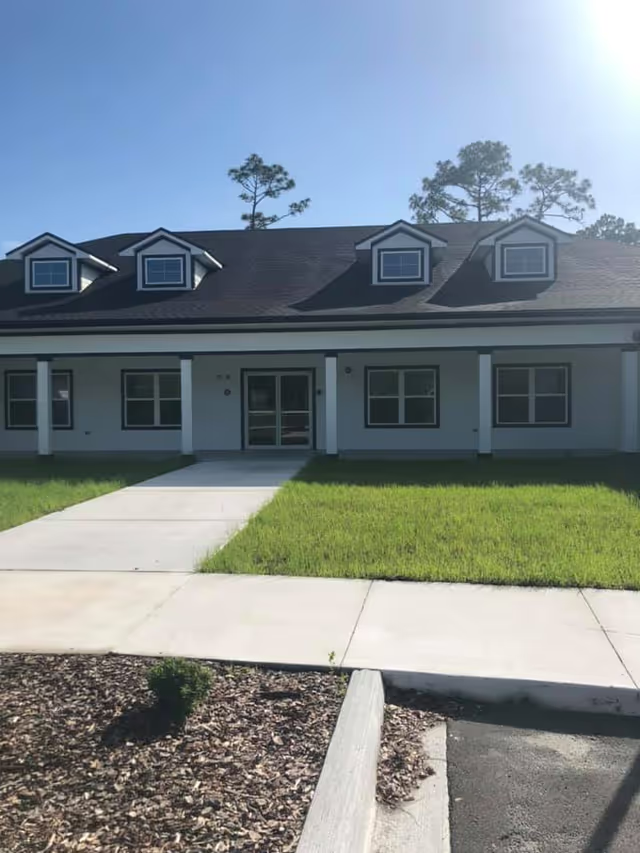
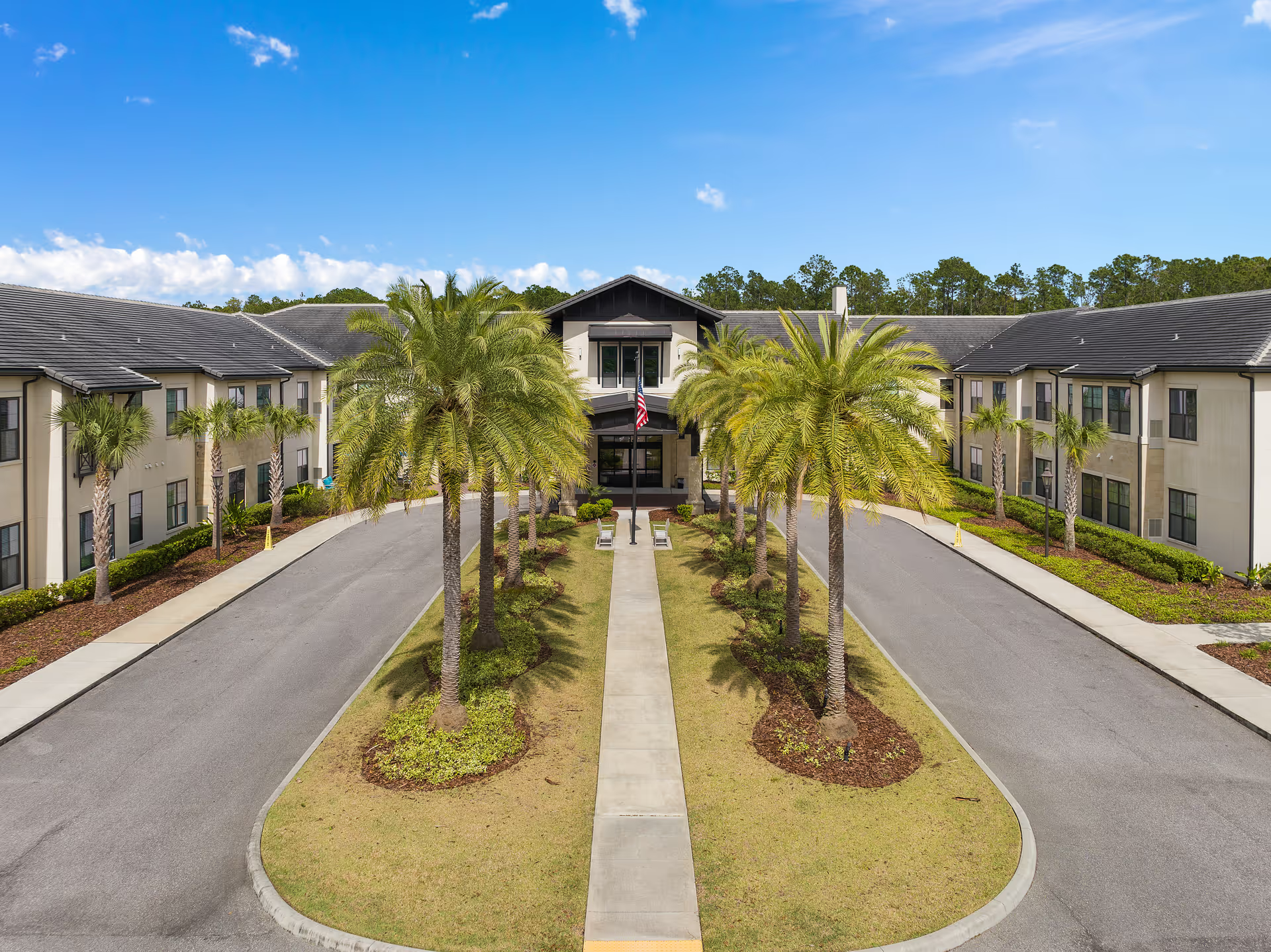
Facility appearance and layout are largely seen as strengths: the building is new or recently updated, rooms and common spaces are described as clean and professionally maintained, and the separation of care neighborhoods is considered helpful for preserving independence in the independent-living portion. However, some families expressed that the memory-care unit or certain facility areas did not meet their expectations, indicating variability in presentation and condition across units.
Management receives positive mentions for being locally owned and hands-on, and for meeting or exceeding expectations in many cases. This leadership presence appears to support responsive family communication and individualized placement decisions. Nevertheless, the operational issues around hiring, turnover, and staffing consistency are notable patterns that prospective residents and families should investigate further—especially if memory care or round-the-clock assisted care is anticipated.
In summary, Silver Treasures at St. Augustine offers a newer, community-oriented option with strong positives in facility amenities, resident independence supports, compassionate staff interactions, and flexible dining. Prospective residents should weigh those strengths against documented patterns of staffing instability, communication barriers, and variable presentation in the memory-care unit; an in-person tour that includes conversations about staffing levels, staff training, language capabilities, and recent turnover will help clarify whether this community is the right fit for a specific resident’s needs.