Experiences at St. Augustine Health and Rehabilitation Center vary substantially. Many residents and families describe effective rehabilitation, attentive staff, and meaningful functional gains. Positive accounts include recovery after stroke, surgery, and hospitalization, with therapy helping residents improve walking, strength, and independence. Other accounts describe inconsistent routine care, delayed responses, and concerns about medication management, wound care, bathing, and incontinence care. The reviews therefore suggest that care quality may be uneven across residents, shifts, or care needs, particularly for people requiring extensive assistance.
Staff members are frequently praised for kindness, professionalism, and compassion, including nursing, CNA, therapy, admissions, and social-services teams. Some families also describe helpful administrative and financial support. In contrast, other accounts cite difficulty reaching management, delayed responses to family inquiries, and concerns about staff conduct or follow-through. Several reviewers specifically praise therapy, while one family felt the available rehabilitation resources were not sufficient for a person with especially complex mobility needs.
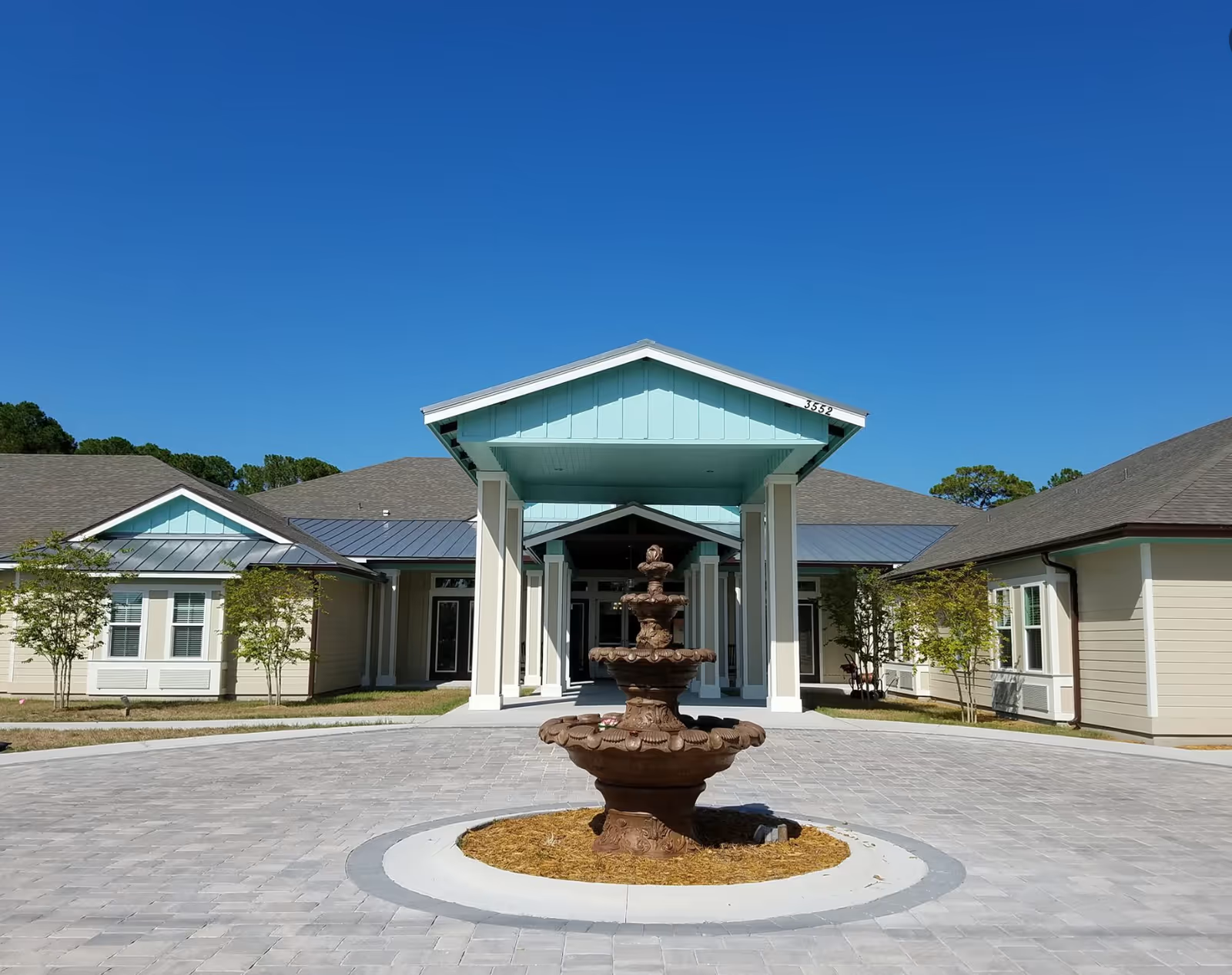
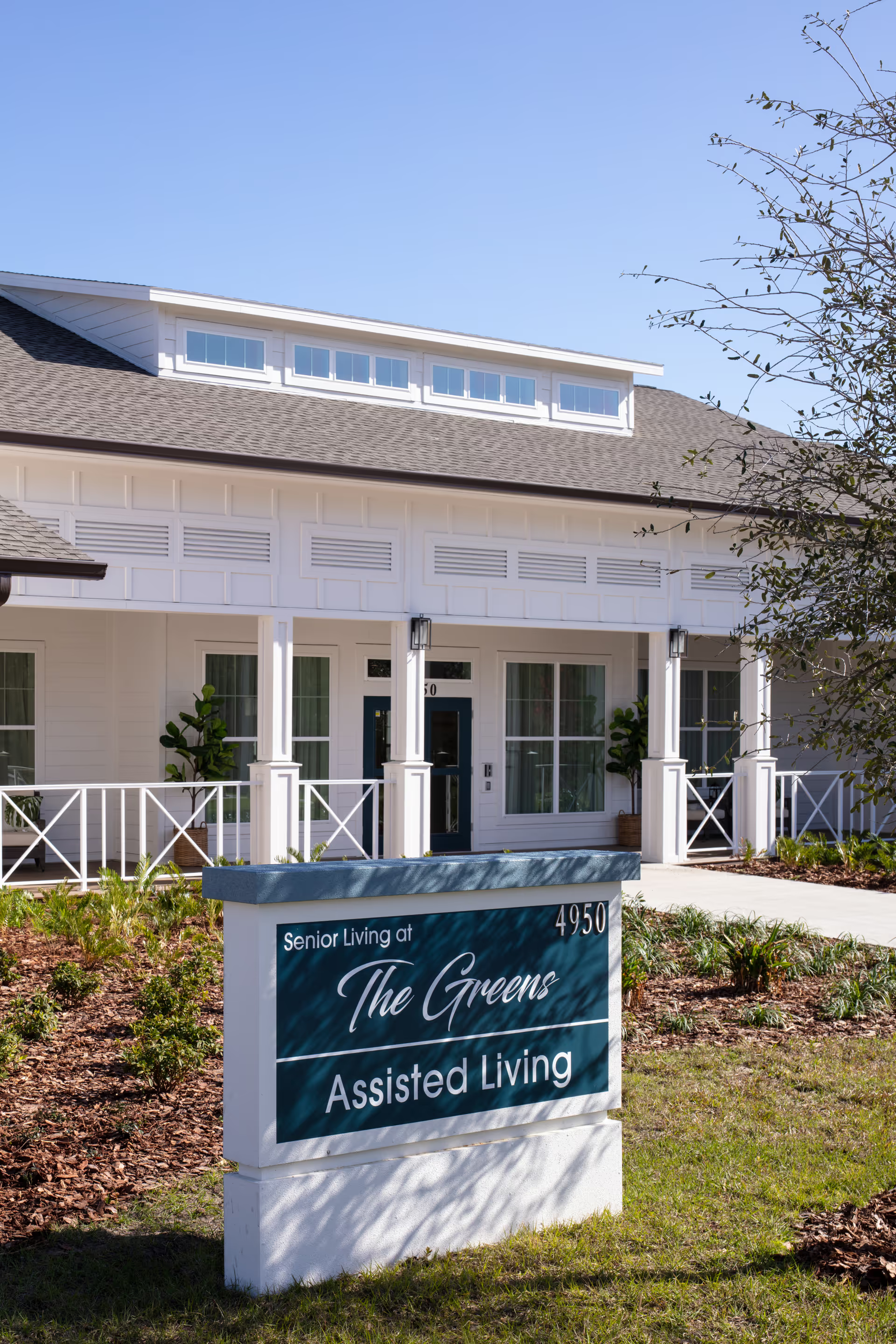
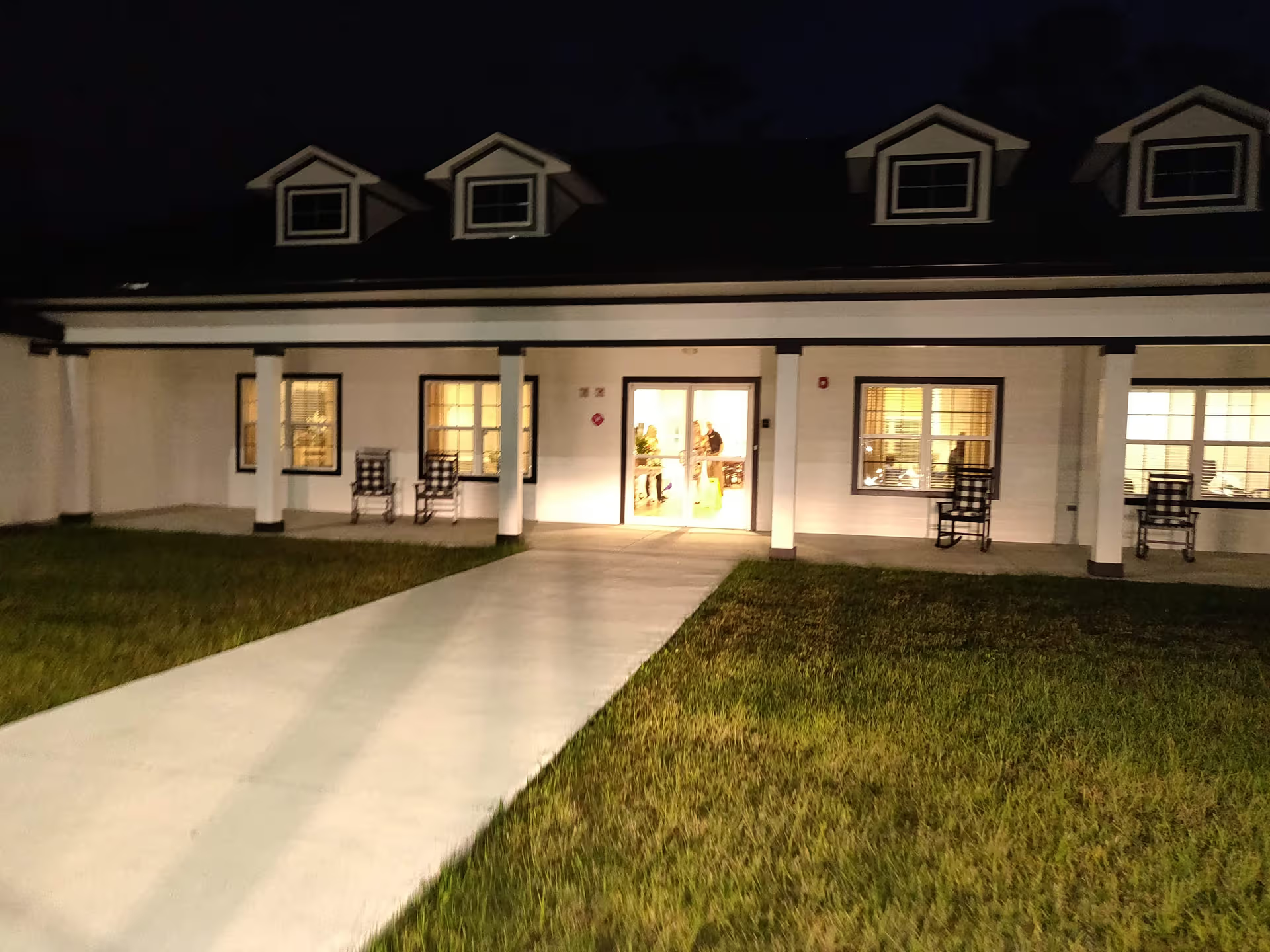
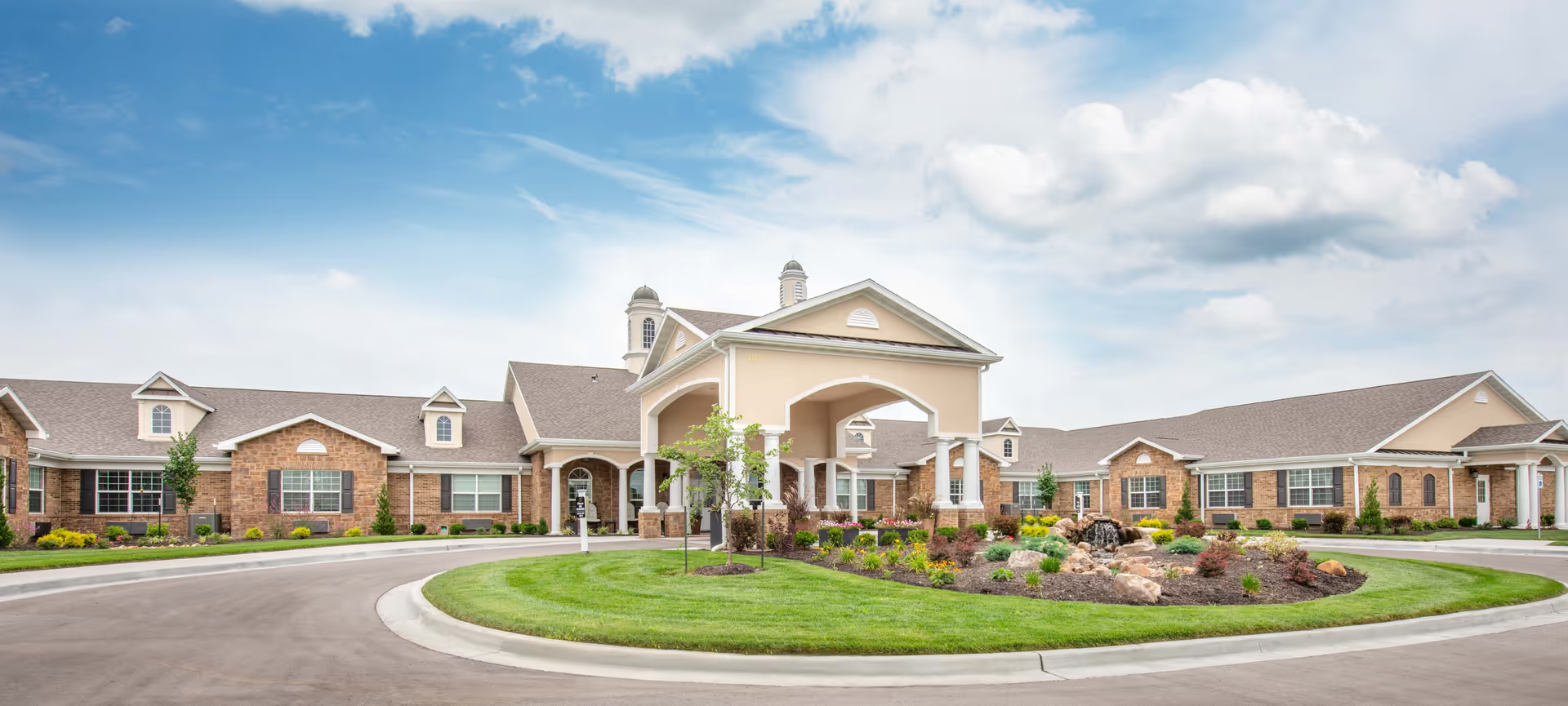
The building is often characterized as older and plain, with some reviewers describing it as clean and adequately maintained. Others point to cramped rooms, limited space for visitors and wheelchair movement, and maintenance or air-conditioning problems. One former resident noted that indoor walking and wheelchair use were largely confined to hallways. Dining feedback is mixed: some residents ate well and families found meals acceptable, while others cited variable quality, temperature, texture, or suitability. Activities mentioned include movies, bingo, religious services, and social gatherings; at least one reviewer found the options insufficient for a resident’s mobility needs.
The overall pattern is of a facility with valued rehabilitation services and many well-regarded staff, alongside recurring concerns about responsiveness, communication, care consistency, and the physical environment. A few highly critical accounts describe placement or end-of-life concerns, including difficulty arranging care closer to family and a brief post-surgical stay followed by hospital transfer before the resident’s death; those accounts do not establish causation. One account also raised pest-control and resident-safety concerns, which is not a recurring theme in the other reviews. Families considering the center may wish to ask about staffing and response practices, medication and care-plan coordination, room accessibility, maintenance, and how concerns are escalated.