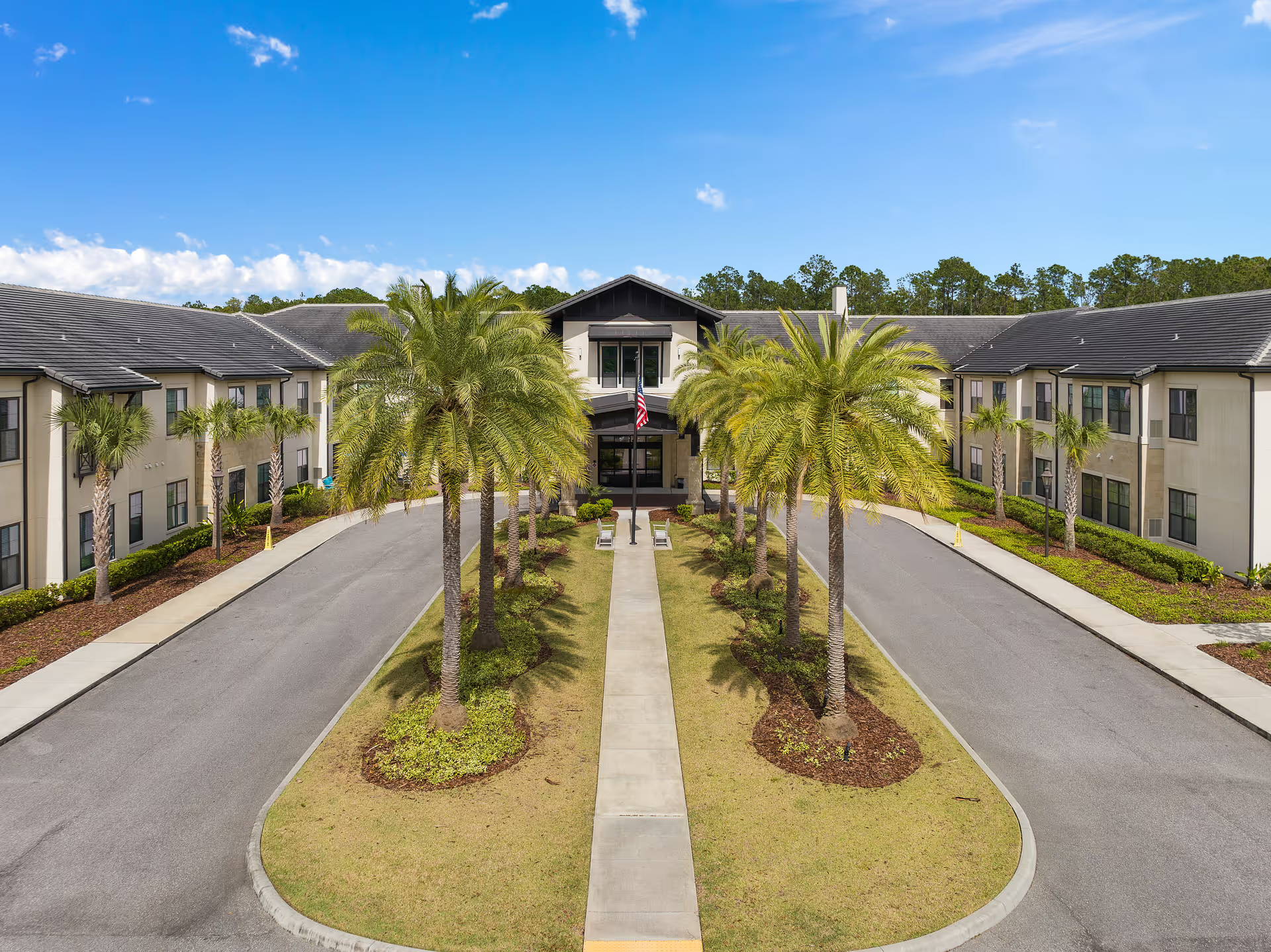
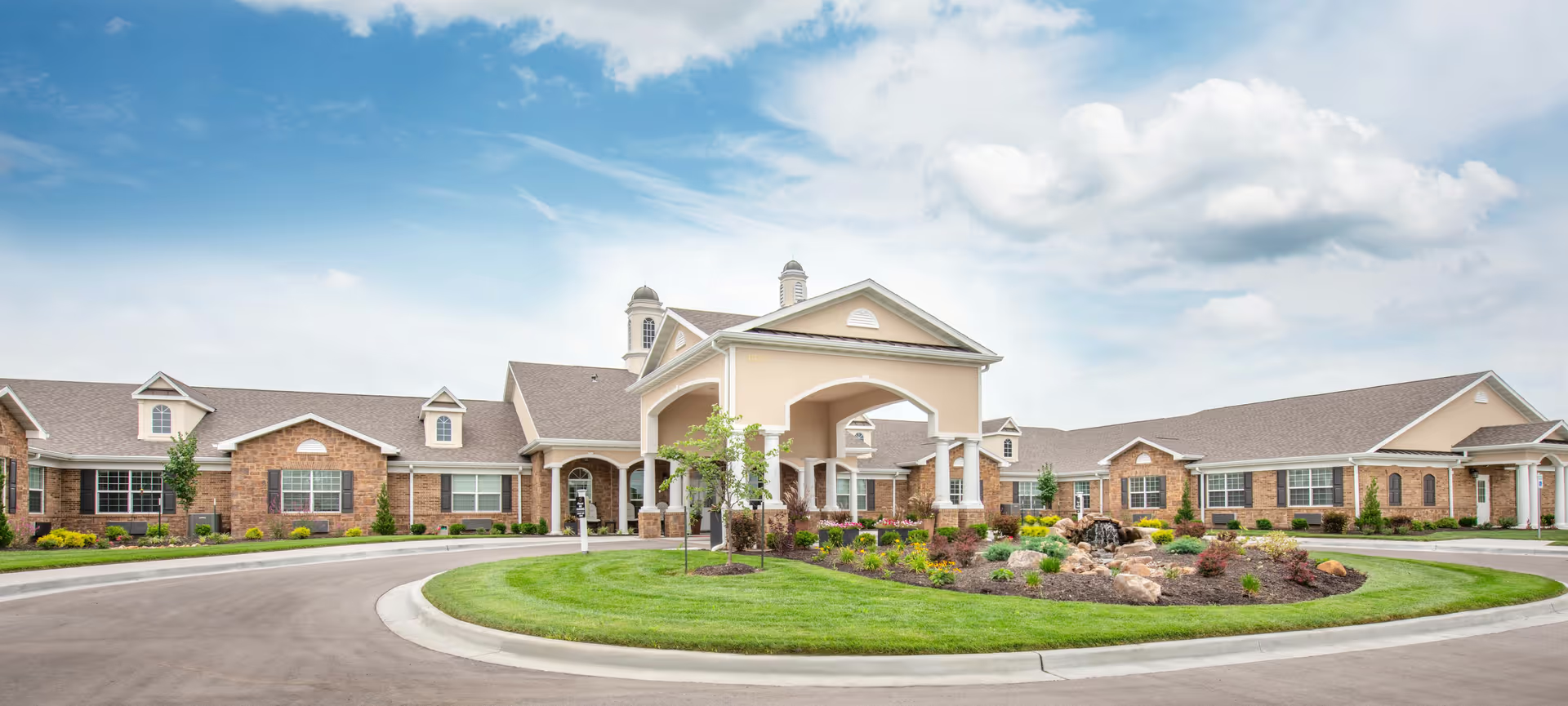
The reviews for The Ponce Therapy Care Center present a markedly mixed picture with clear strengths in rehabilitative services and notable variability in day-to-day nursing and operational performance. Therapy services — physical, occupational, and speech — are consistently identified as a strength, with many families crediting therapy staff for measurable functional gains and timely discharge readiness. Several reviewers also highlighted committed CNAs, attentive nurses, and an active activities program led by a driven activities director; the facility’s exterior landscaping and some common-area updates have been received positively.
Care quality is uneven. While rehabilitation teams and some nursing staff receive strong praise, multiple reviews describe gaps in basic nursing processes: missed or delayed medication administration, inconsistent documentation, and delays in hygiene and hydration support. There are also recurring concerns about transfer and equipment safety practices. These issues suggest variability in clinical oversight and the need for clearer, consistently applied protocols for medication administration, transfers, and monitoring of higher-acuity residents.
Staffing and staff conduct emerge as central themes. Positive accounts emphasize compassionate, patient-focused employees and individualized attention. Counterbalancing these are frequent accounts of understaffing, high turnover, and reliance on agency personnel; families describe inconsistent staff availability, limited responsiveness to call bells or phone requests, and occasional unprofessional conduct. These operational staffing patterns appear to affect care continuity, resident supervision, and family communication.
Dining and nutritional oversight show mixed experiences. Some families appreciated meal variety and accommodations for specific dietary needs, while others noted inconsistent meal quality, carbohydrate-heavy offerings, and failures to observe allergy or diet lists. A lack of dedicated full-time nutrition oversight was cited as a contributing factor to inconsistent meal delivery and menu adherence.
Activities and social programming are a relative strength for many residents. Multiple accounts praise engaging, inclusive activities — including programs tailored to sensory needs and events that build socialization — and note positive impacts on resident mood and participation. Nevertheless, a subset of reviewers reported minimal activity engagement for certain residents or units, indicating variability between shifts or wings.
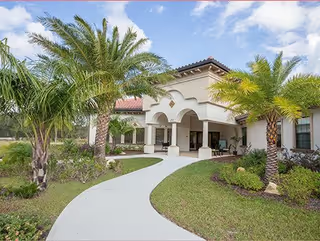
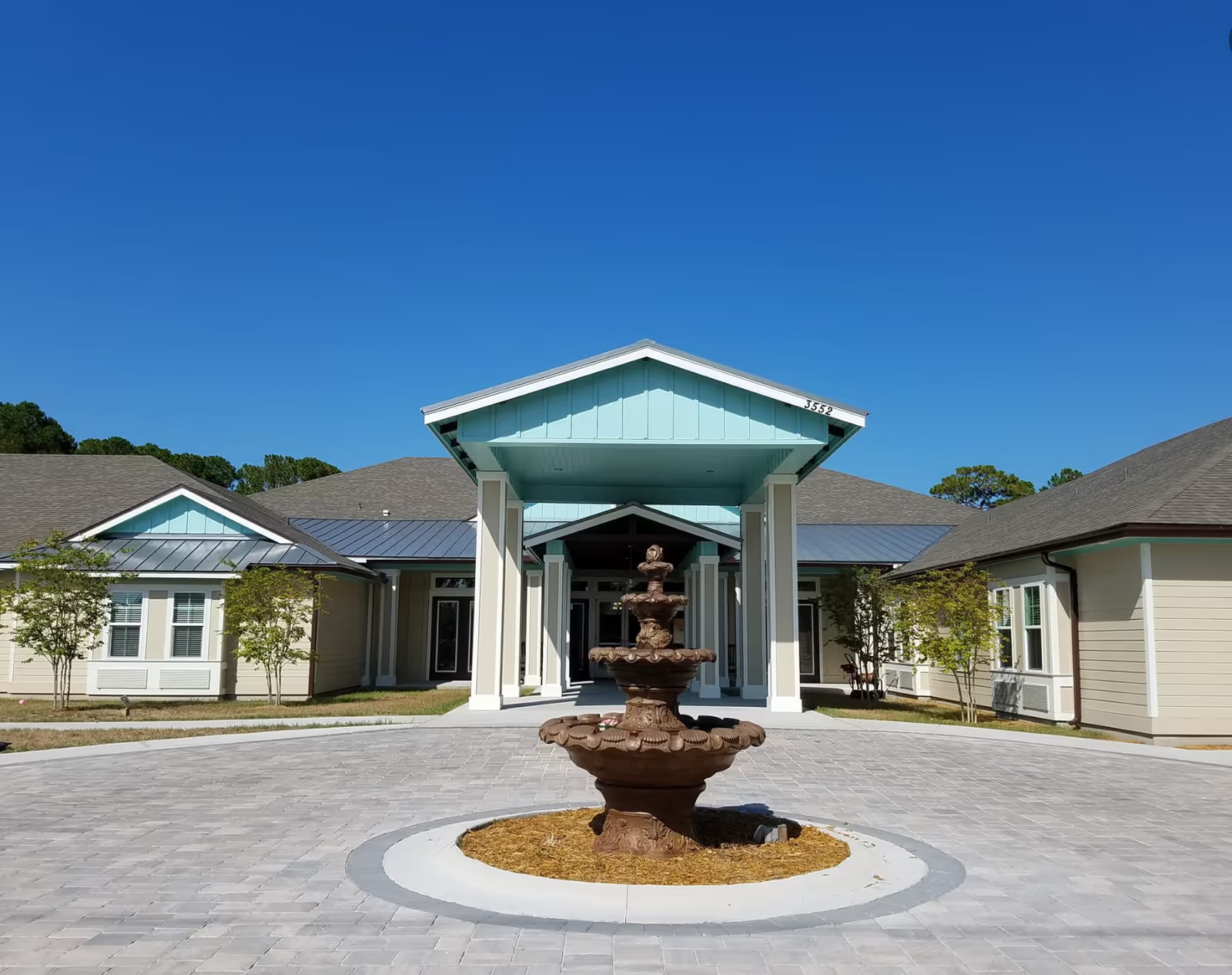
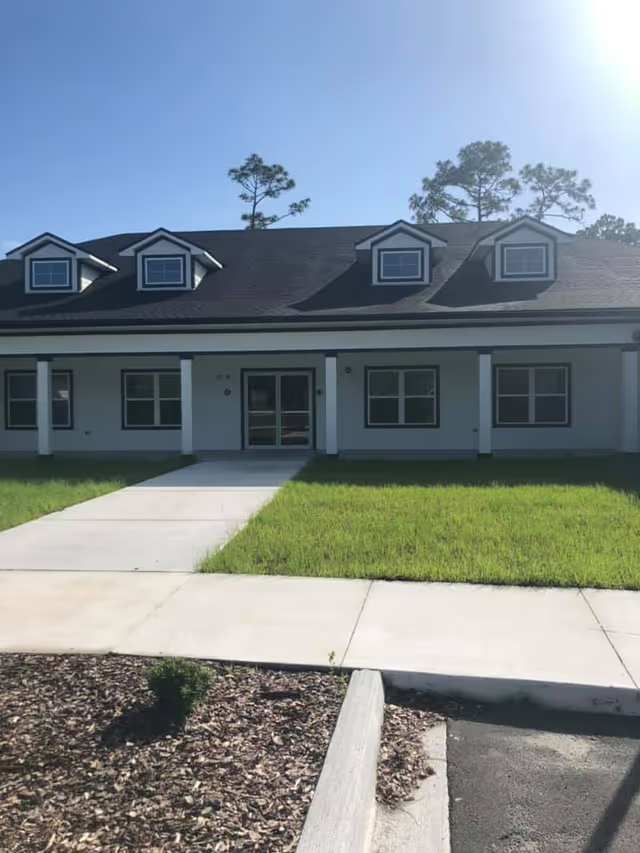
Facility environment and accessibility are inconsistent. The exterior and landscaping have seen improvements, but interior concerns include small, cramped rooms with limited closet space, constrained wheelchair navigation, locked doors that limit unsupervised outdoor access, and maintenance lapses. Cleanliness and sanitation standards are described variably across reviews, with odor concerns and inconsistent housekeeping cited alongside reports of clean, well-maintained areas.
Management and communication practices are described in polar terms. Some families praise responsive leadership, regular interdisciplinary updates, and helpful admissions staff; others describe slow or absent responses to calls, missed care conferences, and difficulty obtaining clinical updates. Serious operational concerns — including allegations of missing personal items, medical-record inaccuracies, and inconsistent infection-control practices after ownership changes — were raised and merit investigation by prospective families.
Notable patterns: the facility appears capable of delivering high-quality rehabilitation and engaging programming when staffing and supervision are strong, but outcomes are highly dependent on shift-level staffing, leadership responsiveness, and consistent operational practices. Prospective residents and families should seek specific, current information about staffing ratios, medication administration protocols, infection-control measures, bathing and linen schedules, property-management procedures, and accessibility features. Requesting a preadmission meeting with nursing leadership, asking for recent inspection or quality metrics, and arranging to speak with current family members may help clarify whether the facility’s strengths are consistently applied to a particular unit or level of care.