Overall impression: Reviews for Carrington Place of St. Pete describe a facility with clear operational strengths alongside persistent variability in care and administration. Many families and residents praised the facility’s physical environment, therapy services, and numerous staff members who provide attentive, compassionate care. At the same time, a number of recurring operational concerns — particularly around staffing, communication, and safety controls — produce markedly different experiences between stays.
Care quality and staff: The facility receives substantial positive feedback for its rehabilitation program and therapy staff, with several accounts of effective PT outcomes and timely testing ordered by proactive clinicians. Individual nurses and aides are frequently described as kind, responsive, and skilled; named staff were highlighted as examples of strong clinical practice and family communication. However, reviews also document variability in clinical competence and responsiveness across staff and shifts. Common operational issues include delayed medication administration, inconsistent monitoring for conditions such as diabetes, long nurse-response times at points, and uneven supervision overnight. Documentation and charting inconsistencies and occasional delays in provider evaluations were also noted, creating gaps in continuity of care.
Dining and activities: Dining impressions are mixed. Some reviewers praised bright, home-like dining spaces, freshly prepared items such as made-to-order omelets, and friendly dining staff. Conversely, many accounts cite late or cold meal deliveries, menu repetitiveness, and limited dessert/variety options. Activities and amenities receive positive mentions for the rehab focus — accessible gym, library, and porch seating — but several reviews indicate reduced recreational programming and an emphasis on therapy-centered offerings rather than broader activity options.
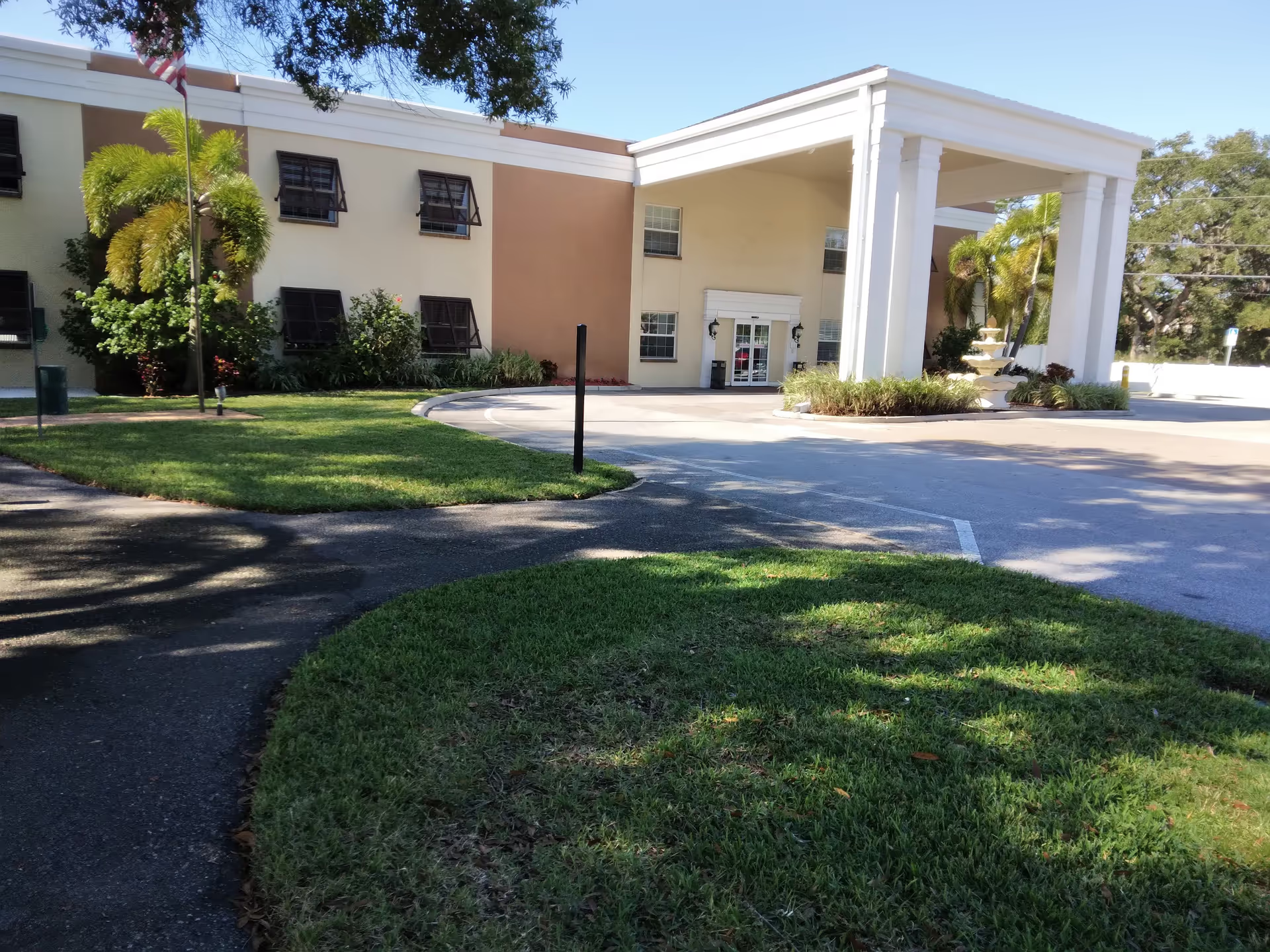
Facilities and safety: The physical building is commonly described as attractive, clean, and well-maintained, with private and semi-private rooms and in-room connectivity in rehab rooms. Still, some reviews raise sanitation concerns in particular common-area locations and cite infrastructure problems (broken beds, non-working phones) and inconsistent infection-control practices. Safety concerns include lapses in supervision and transfer-safety practices and several accounts of property-security incidents (including vehicle break-ins and allegations of theft), indicating the need for stronger security and incident-response protocols.
Management and patterns: A notable pattern is variability related to leadership and accountability. Some families reported measurable improvement under new direction or a conscientious director of nursing, while others described inconsistent management responsiveness, buck-passing, and unresolved incidents. Communication breakdowns — between facility staff, families, and external providers such as insurance or hospice — recur as a theme and often amplify clinical and logistical problems.
What this means for prospective families: The facility demonstrates strong capabilities in short-term rehabilitation, therapy, and in-room amenities when staffed and managed effectively. At the same time, prospective residents and families should expect variability by unit and shift. When assessing placement, consider asking about current staffing ratios and turnover, procedures for medication administration and diabetes monitoring, policies for valuables and vehicle security, infection-control practices, meal schedules and menu flexibility, and mechanisms for incident reporting and family communication. An in-person tour and specific questions about recent management changes and safety protocols will help clarify how current operations align with the positive and negative patterns described above.