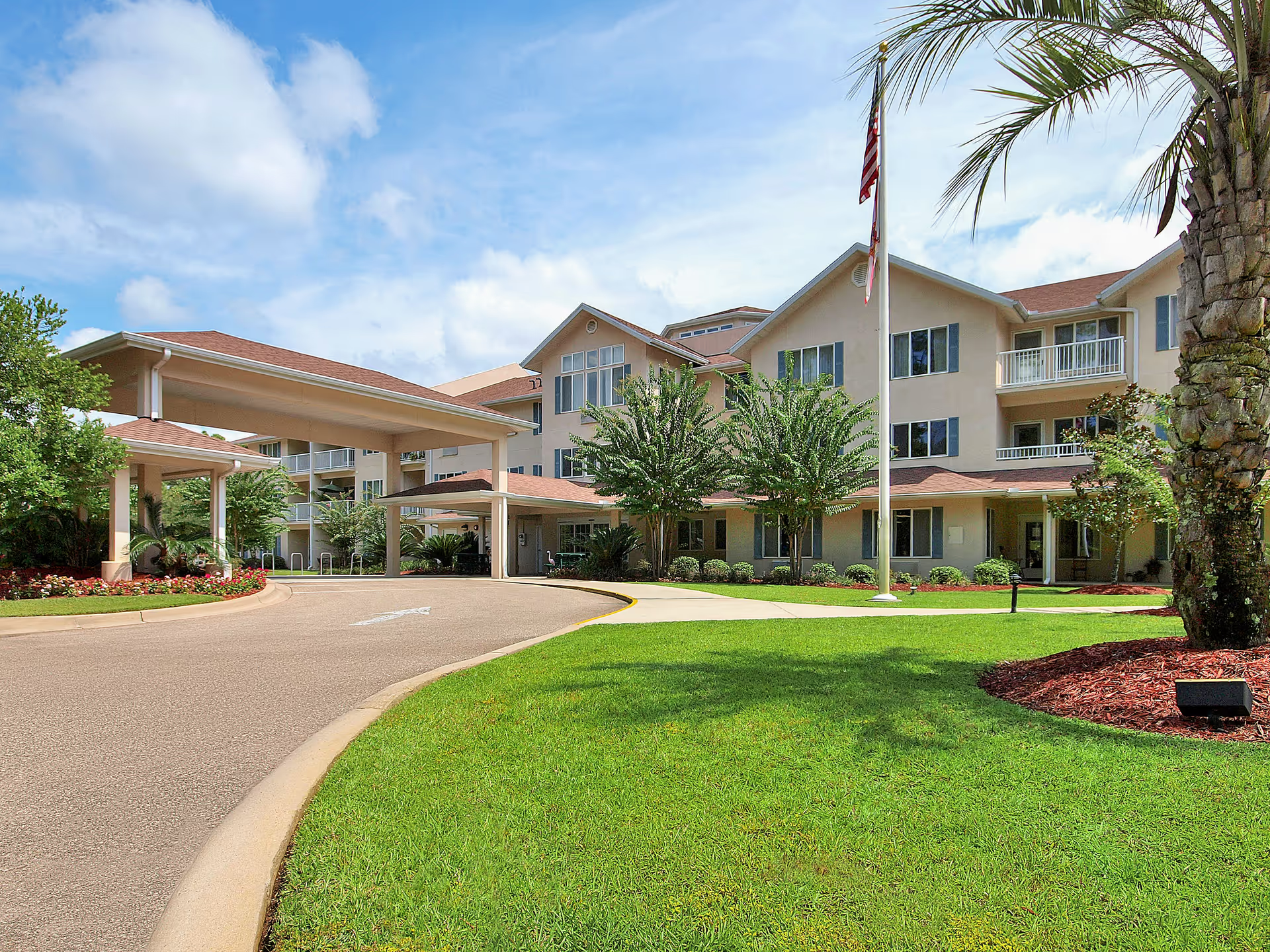
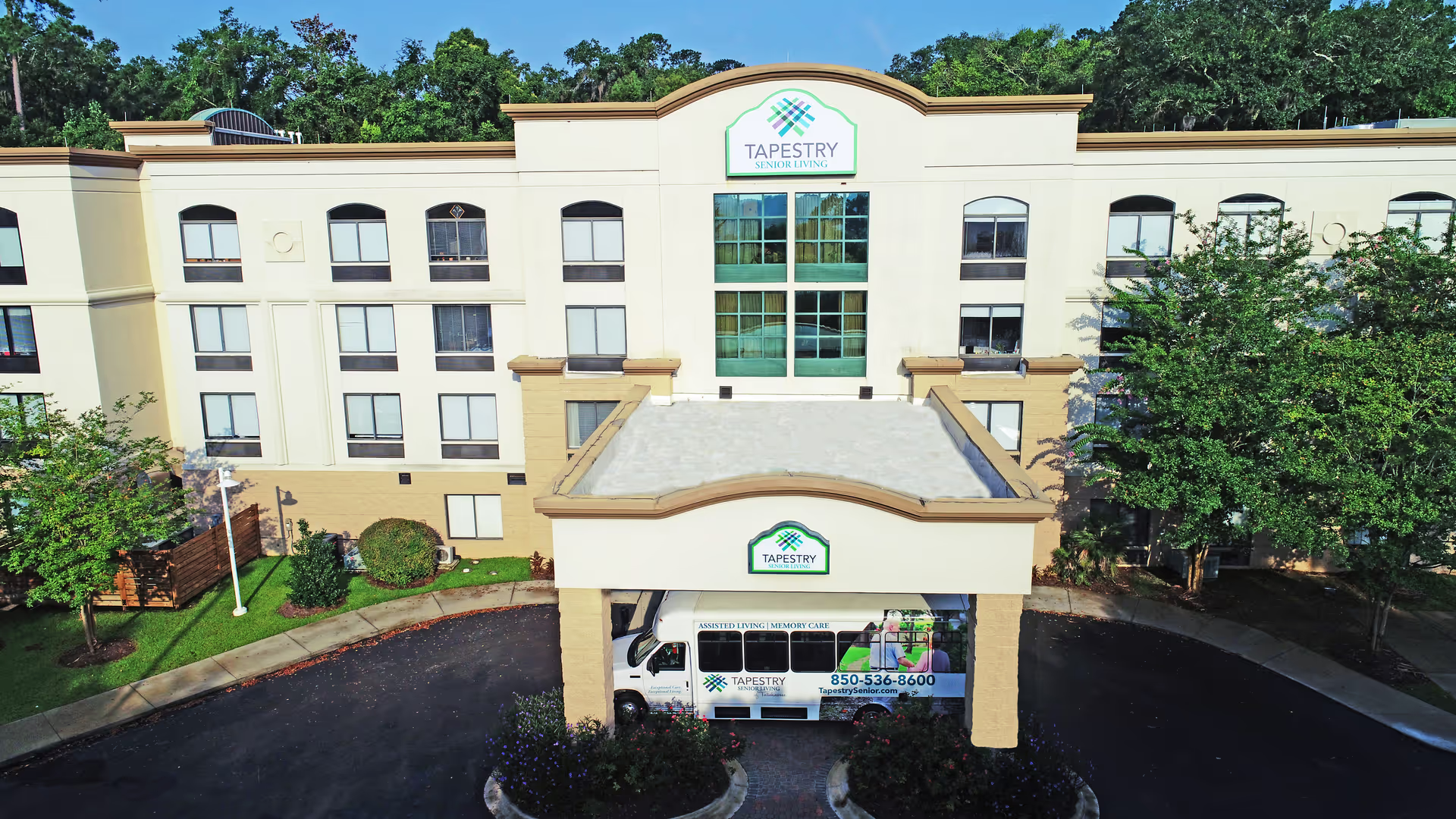
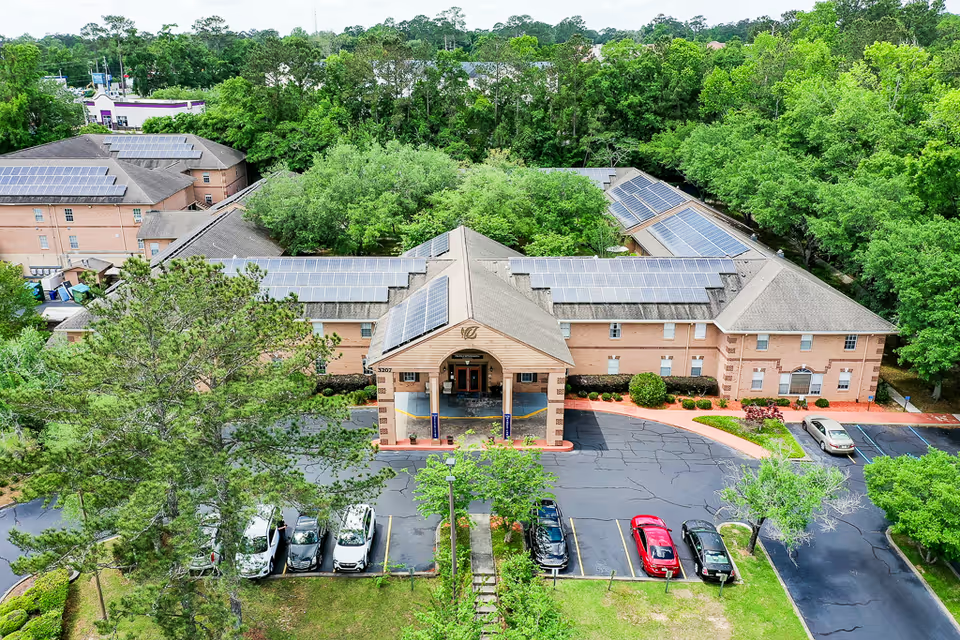
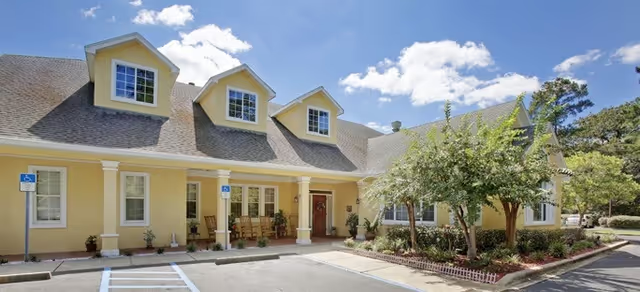
Westminster Gardens is a HUD-subsidized, over-62 independent-living property built in the 1970s that is undergoing phased capital improvements. Reviewers consistently note affordability and included utilities as primary strengths, along with tangible infrastructure upgrades: new elevators, updated fire-alarm and CO2 detection systems, HVAC and boiler work, water-pipe replacement, fresh paint, and new carpeting in many areas. The building’s large windows and skyline views, bright interiors, on-site laundry, 24/7 security, and convenient location near transit, parks, and shops contribute to its appeal for seniors seeking an independent, budget-conscious living option.
Care and staff experiences are mixed. Many residents and visitors describe front-line personnel as welcoming, helpful, and kind, and several reviewers compliment specific administrators who have driven renovation coordination. At the same time, multiple accounts indicate inconsistent responsiveness after move-in, concerns about staff conduct and communication tone, and variability in maintenance follow-through. These patterns suggest reliable service at intake and during renovation projects but uneven day-to-day operational reliability for some residents.
Dining and daily living services are limited compared with full-service senior communities. The facility no longer operates a full prepared-meal program; residents typically prepare their own meals and rely on external services such as Meals on Wheels. This model supports independence and lower cost but may not meet needs for residents who require regular on-site meal support or dining supervision.
Activities and community life are strengths for many residents. Organized recreational options—bingo, card games, bridge groups, pool table, and an exercise room—help foster a strong sense of community. Management’s engagement in programming appears variable: some reviewers praise proactive administrative involvement in activities and renovations, while others feel programming and social supports are secondary to leasing goals.
Operational and environmental concerns recur across reviews. There are repeated references to leaks, mold remediation needs, and ongoing pest-control issues; reviewers also describe delays or inconsistency in completing repairs. Construction noise and limited in-building Wi‑Fi (lobby-only) are practical inconveniences mentioned by residents. Availability constraints are also evident: one-bedroom units have long wait lists and many vacancies are studios with smaller footprints.
Taken together, Westminster Gardens offers a cost-effective, community-oriented independent-living option with significant capital reinvestment and many desirable location and amenity features. It is best suited to seniors who value affordability, independence, and an active resident community and who can manage or supplement personal care, meal preparation, and health needs through external services. Prospective residents and families should weigh the building’s ongoing renovation activity, documented maintenance and environmental concerns, variability in day-to-day staff responsiveness, and limited in-house dining when assessing fit and arranging supports prior to move-in.