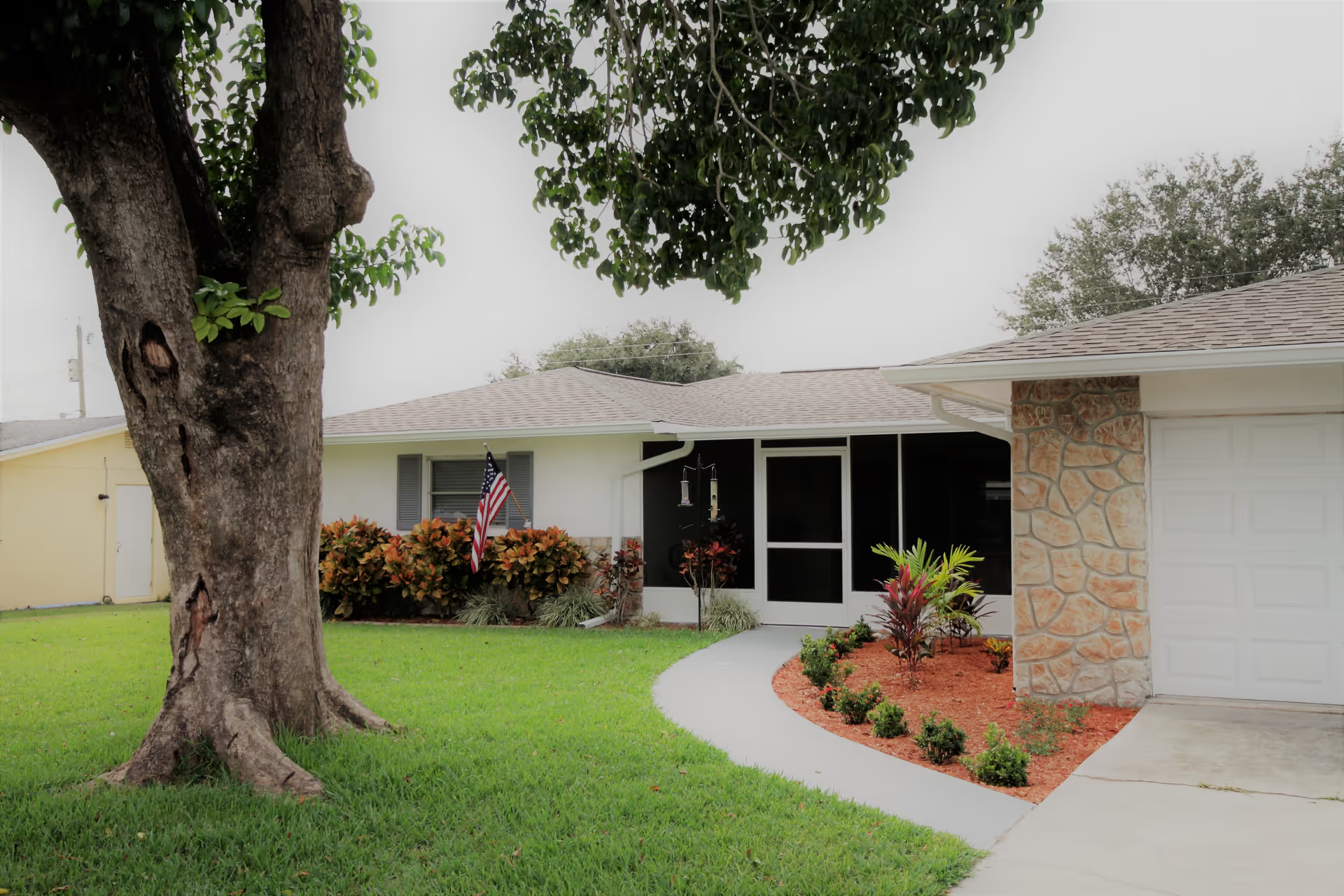
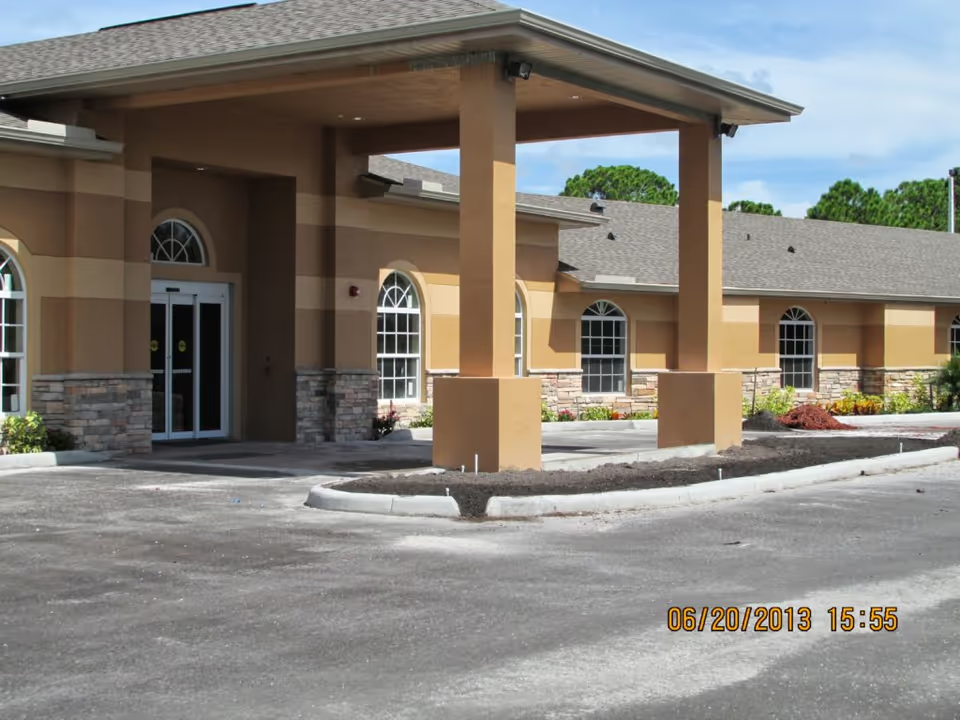
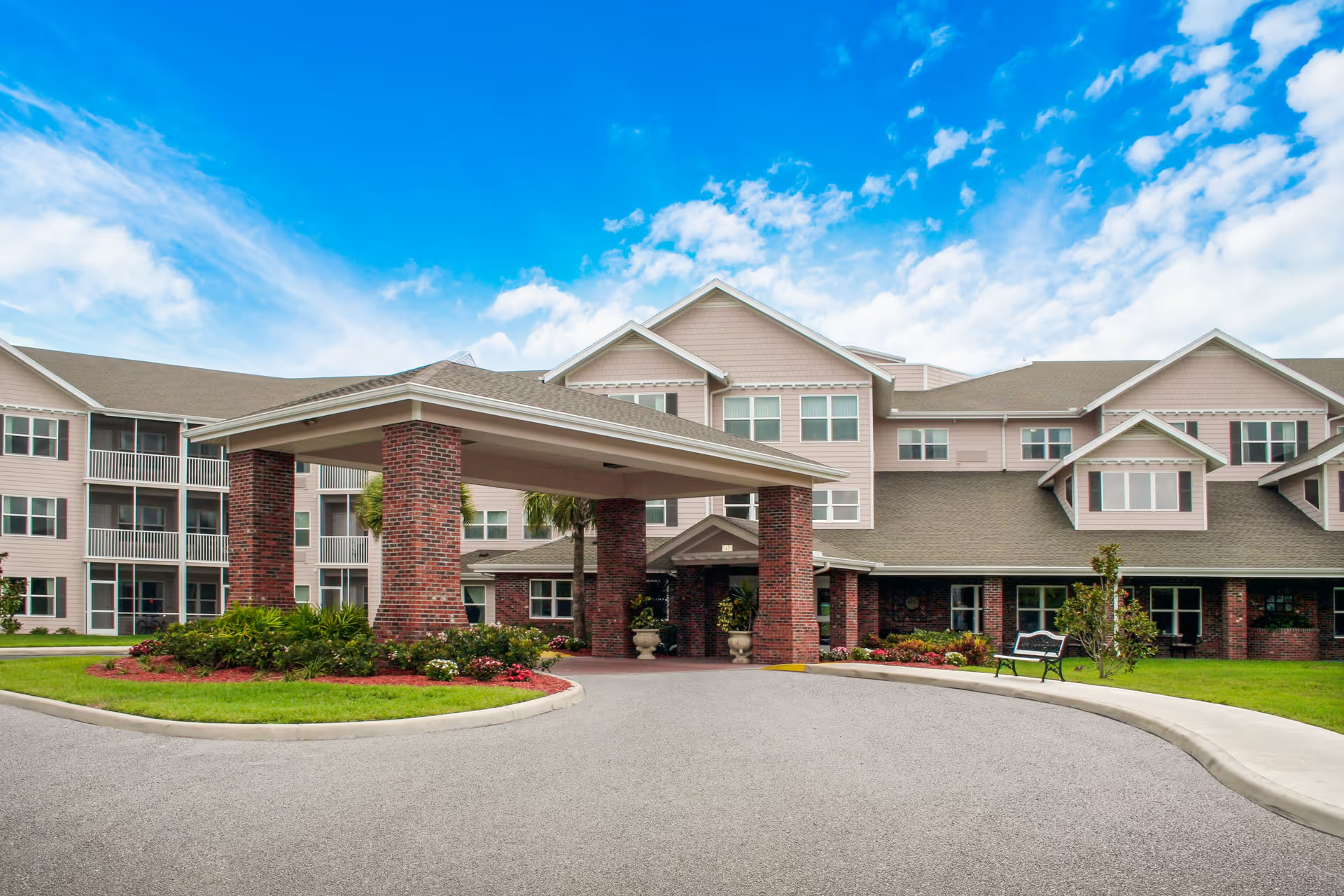
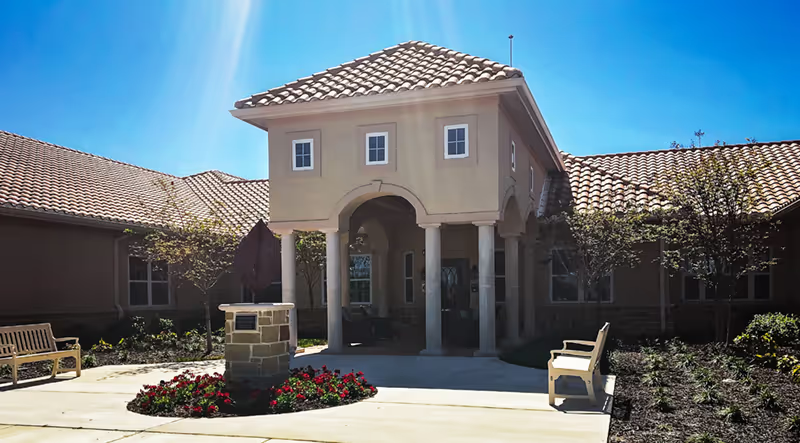
La Paloma presents a strongly mixed picture in these summaries. Several reviewers describe a small, home-like environment with individualized attention, while others describe operational failures that materially affected clinical and comfort outcomes. The facility's small capacity and private rooms contribute to a family-style setting that some families found very supportive; however, the same small size appears to amplify variability in staff performance and management responsiveness.
Care quality is inconsistent across accounts. Positive comments highlight compassionate caregivers, on-site therapy and a private physician, and instances of dignified end-of-life care. Conversely, a subset of reviews raised serious clinical concerns: medication-administration and oversight weaknesses, gaps in monitoring for residents with higher medical needs, and deficiencies in pressure-ulcer prevention and repositioning protocols. A number of reviewers also described medical emergencies that led to hospitalization or hospice transfer, which has prompted concerns about emergency response procedures and ongoing clinical oversight for residents with complex conditions.
Staff and management descriptions are polarized. Many families praised individual caregivers for kindness and attentiveness; other accounts noted lapses in professional conduct, limited attentiveness during shifts, and instances of poor communication or an uncaring tone from ownership. There are also critiques about how grievances and financial matters were handled, including disputes over refunds and limited perceived responsiveness from management in some cases. These patterns suggest variable staff supervision and uneven consistency in how family concerns are addressed.
Dining and daily-life programming are also mixed. Positive summaries emphasize homemade, customized meals and attention to individual food preferences. At the same time, other reviewers described variable meal preparation methods and inconsistent food quality, which may reflect limited kitchen resources or staffing. Organized activity programming appears limited; families seeking robust engagement programs should verify what is offered, as the facility appears to rely in part on a family atmosphere rather than formal activities.
Facility and maintenance issues are notable operational themes. The site is described as a comfortable, residential setting with large rooms and alarmed doors rather than locked units. However, multiple accounts cited temperature-control failures and maintenance problems that affected resident comfort. There are also sanitation and incontinence-care concerns that bear on daily hygiene and skin care routines; these tie back to the earlier-noted gaps in repositioning and pressure-area prevention.
Taken together, the pattern is one of high variability: strong, individualized care and supportive services are clearly possible at La Paloma, but those positive outcomes appear to depend heavily on specific staff, shift, and management circumstances. Prospective residents and their families should conduct an on-site visit, review care plans and training protocols, ask about staffing patterns (including night coverage), review emergency-response procedures, inspect climate-control and maintenance records, sample recent menus, and clarify the facility's grievance and financial policies prior to placement.