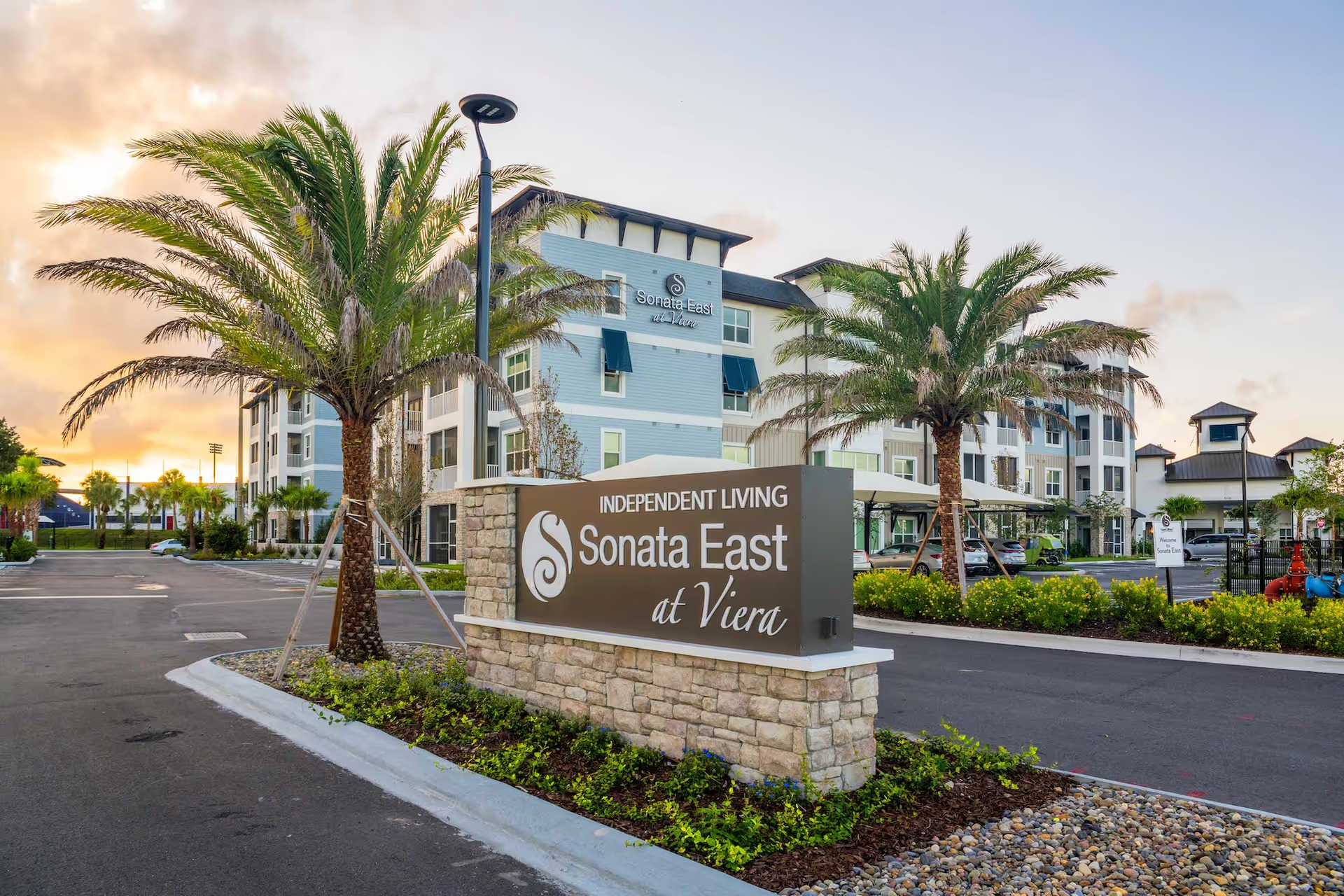
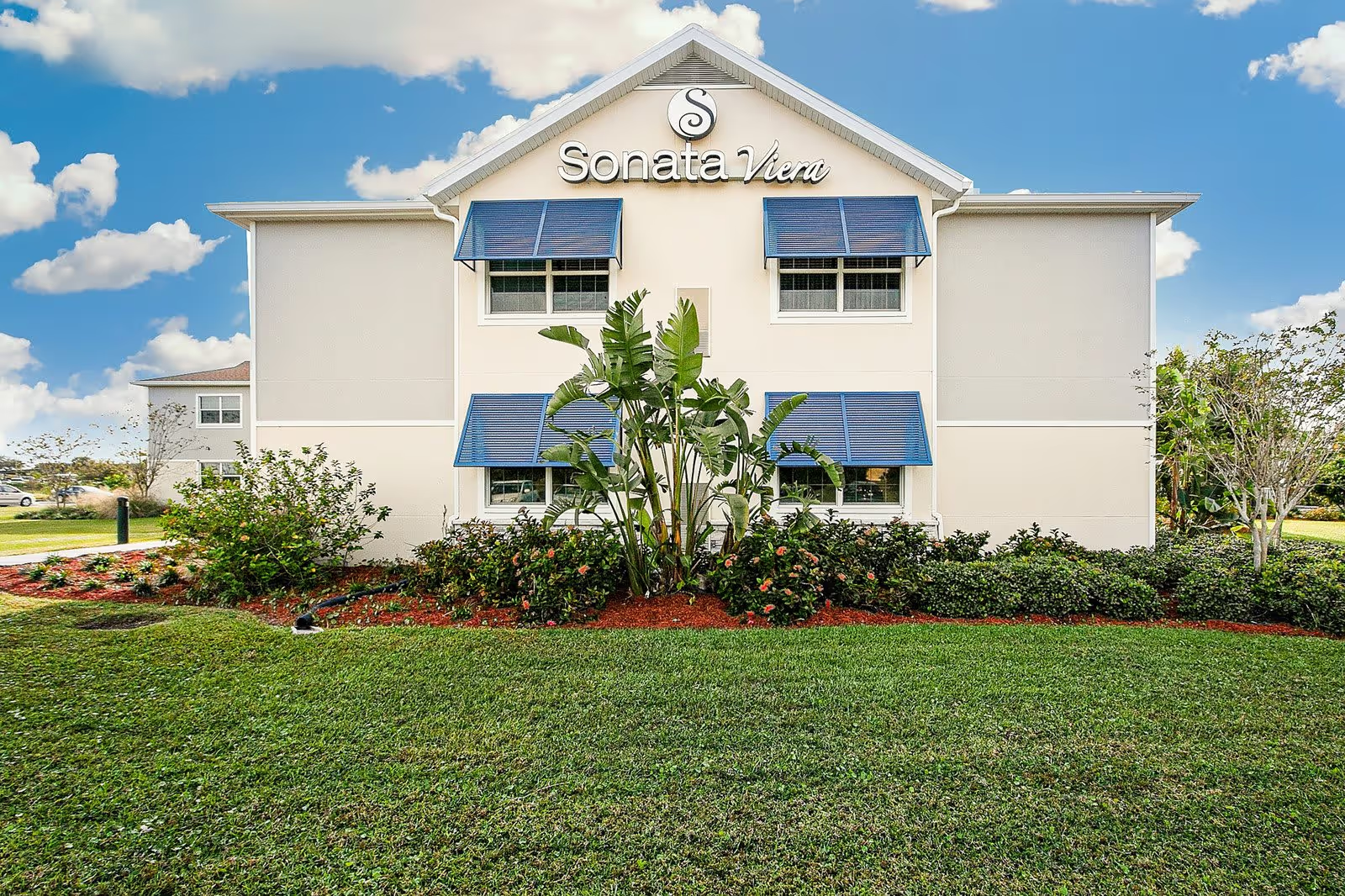
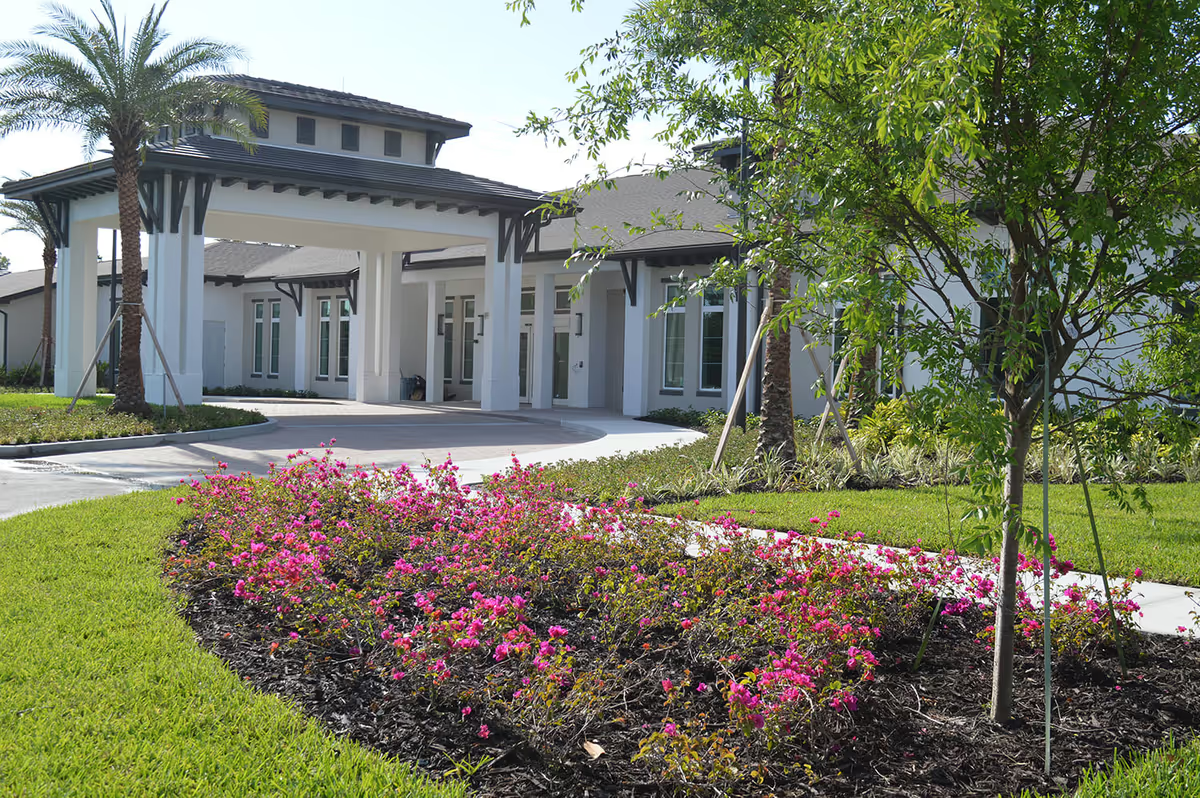
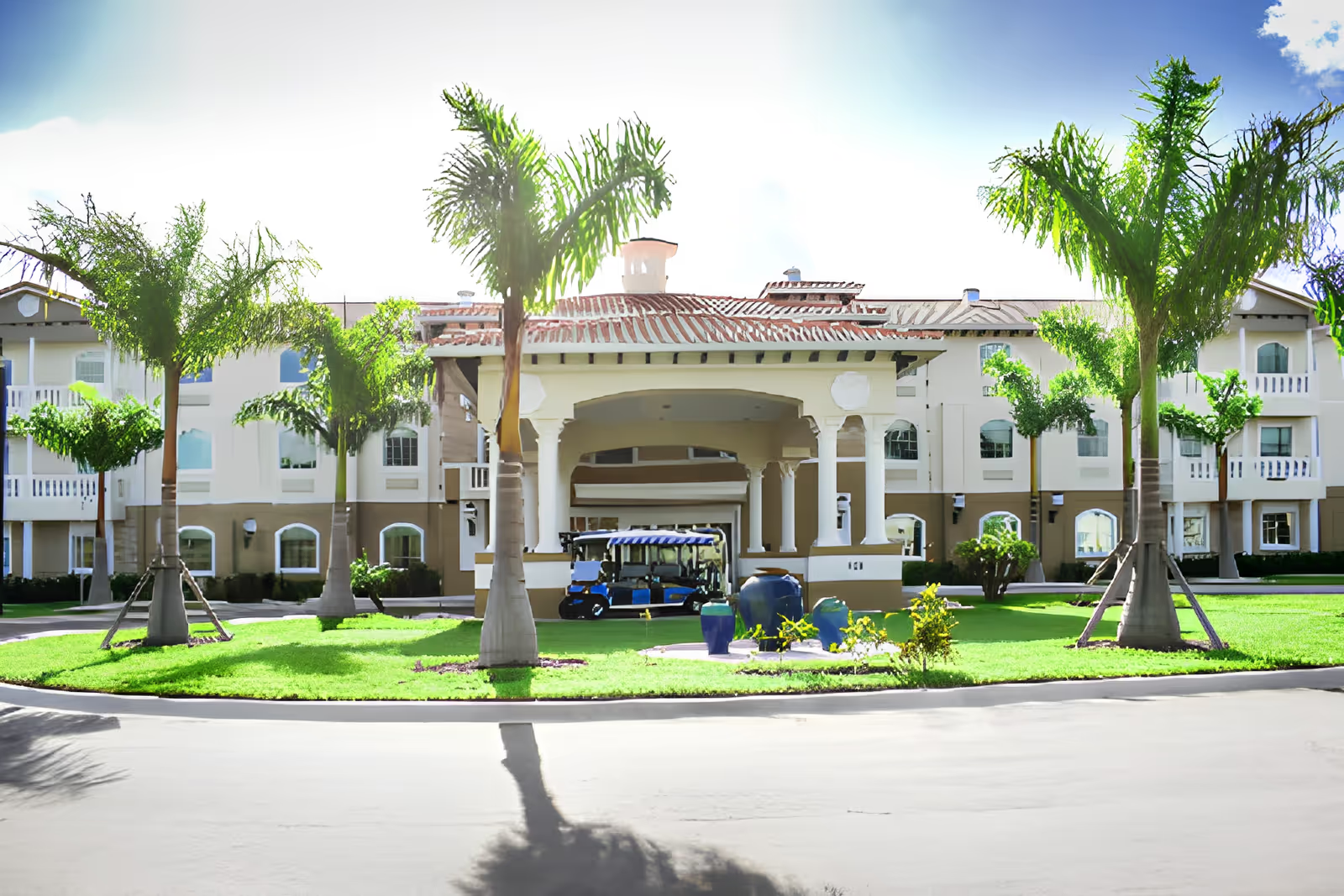
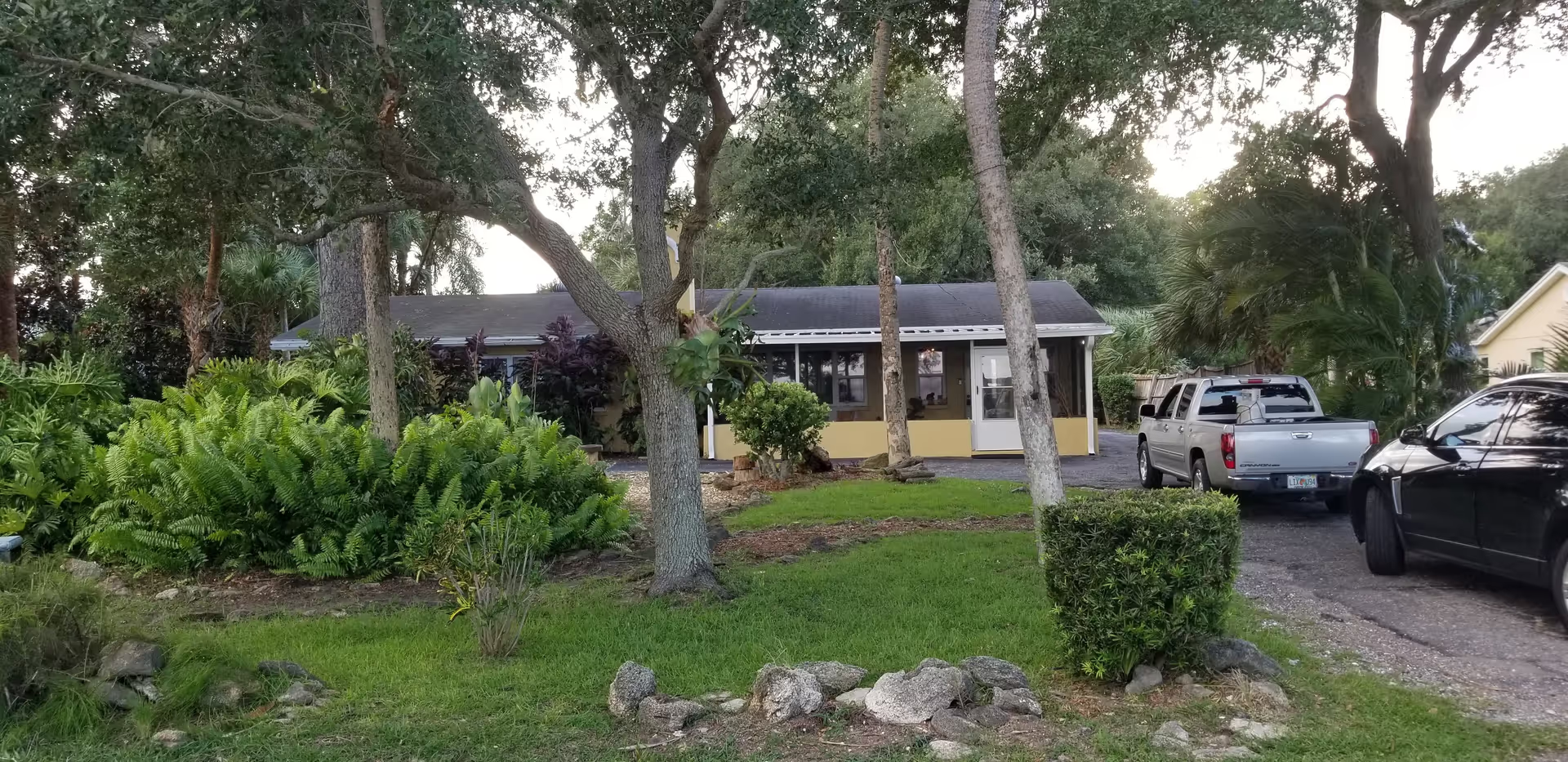
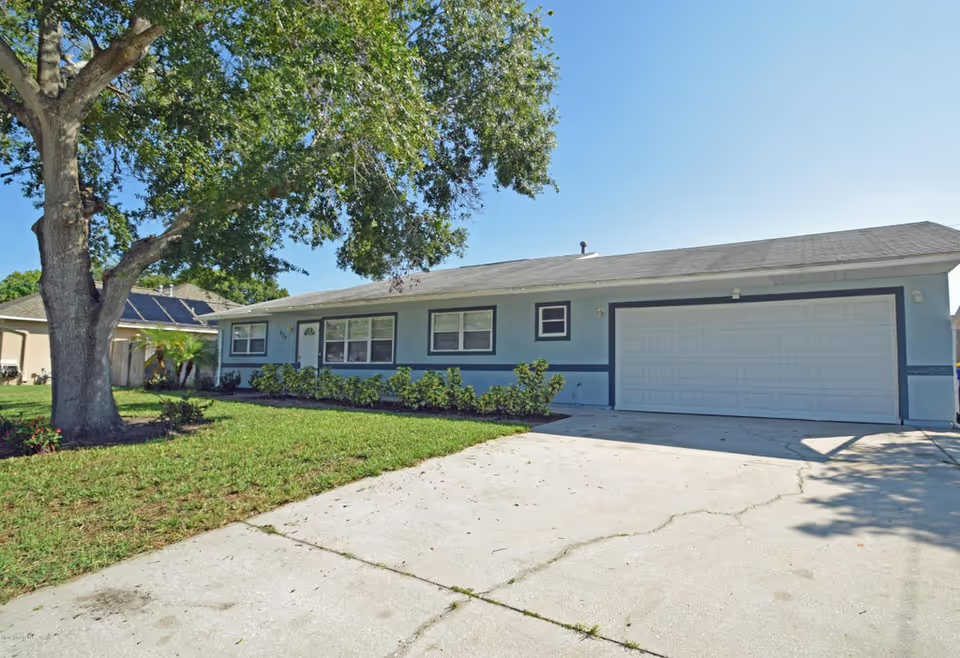
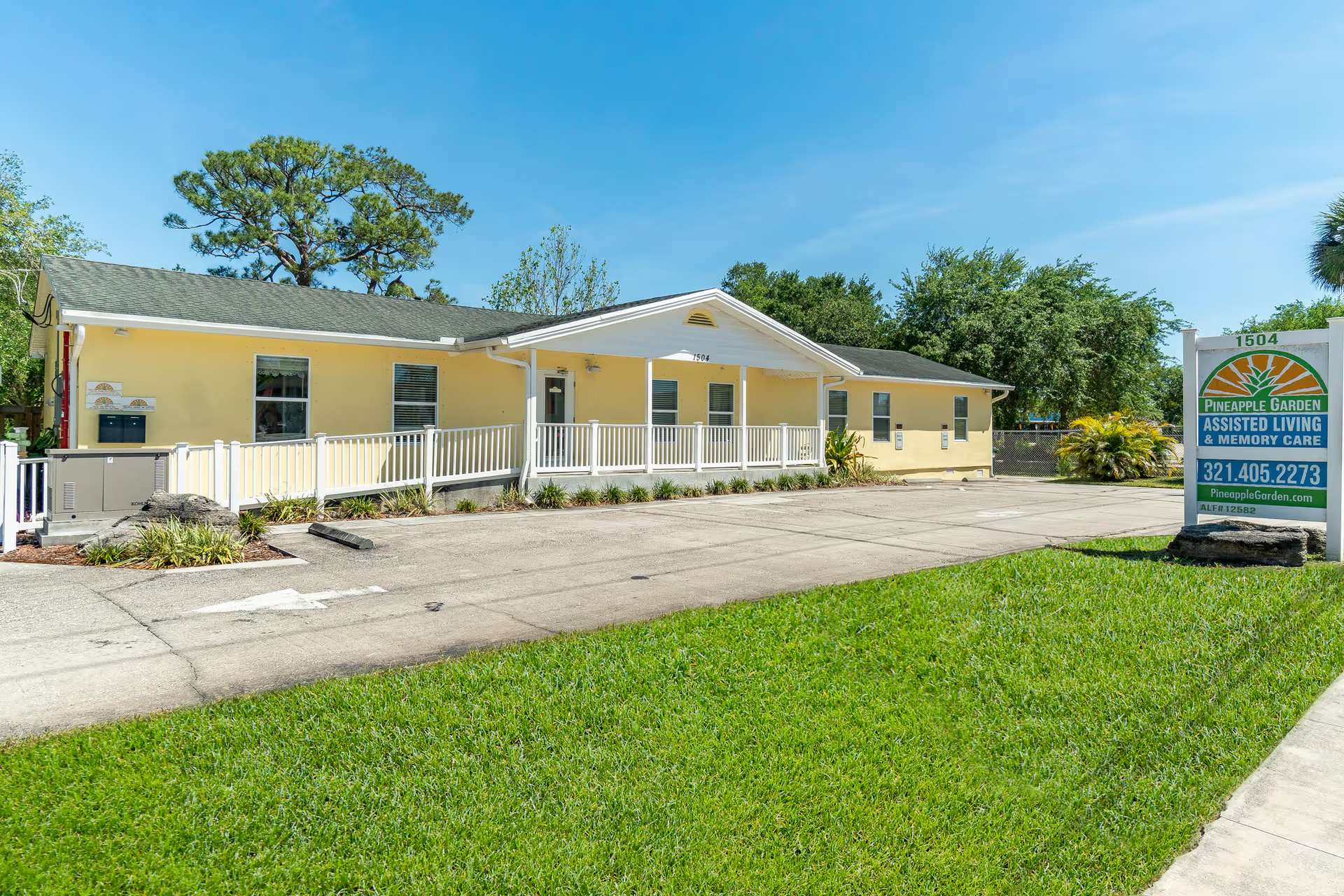
The reviews for The Town Square, Viera Assisted Living present a mixed and at times polarized picture. Many families praised caring, long‑tenured direct‑care staff, an active activities program, and an appealing physical environment with bright, single‑story architecture, outdoor access and a variety of unit types. At the same time, a number of accounts describe operational problems that affect day‑to‑day reliability of care and family communication.
Care and staffing comments span a broad range. Positive reports highlight compassionate aides, professional nursing staff, and directors who were responsive and engaged. Conversely, other accounts indicate inconsistent responsiveness to call signals, limited visible nursing coverage at times, and delays in attending to basic needs — summarized operationally as inconsistent staffing and gaps in clinical oversight. There are also mentions of skin‑condition monitoring and incontinence‑care delays that families found concerning, as well as delayed or untimely escalation to emergency services in some instances.
Dining and activities are frequently cited as strengths: restaurant‑style dining, an emphasis on meal service, daily social dining, and an activities calendar including bingo, crafts and outings. However, food quality and variety were described as variable; while some families praised the meals, others reported poorly prepared dishes and limited menu choices. This suggests an uneven culinary experience that may depend on timing, staffing, or kitchen management.
The physical facility receives generally favorable notes for unit features (deluxe studios, one‑bedrooms, vaulted ceilings) and landscaping, but there are also reports of inconsistent unit maintenance and cleanliness standards. These differences point to variability in housekeeping and facility upkeep across the community rather than uniform conditions throughout.
Management and communications are another area of divergence. Several families described attentive, informative admissions interactions and periods of stable leadership; others reported frequent director turnover, poor responsiveness to family inquiries, unanswered phone calls, and delays in administrative processes such as security deposit refunds. There are also serious governance concerns raised in some accounts, including allegations of misrepresentation about accreditation and abrupt policy changes that shifted costs onto families (for example, mandatory private nursing). These items indicate potential weaknesses in transparency, contract clarity, and post‑ownership transition stability.
Notable patterns are the contrast between clearly positive experiences (compassionate staff, active social programming, attractive units) and operational weaknesses that involve responsiveness, after‑hours coverage, food consistency, maintenance, and administrative transparency. Prospective residents and families would benefit from targeted due diligence: clarify current staffing ratios and after‑hours clinical coverage, obtain written explanations of additional charges and recent policy changes, verify accreditation and inspection history, tour at different times of day, and speak with current residents’ families about recent leadership stability and response times. That approach will help determine whether the community’s strengths align with a family’s priorities and whether any operational concerns have been addressed.