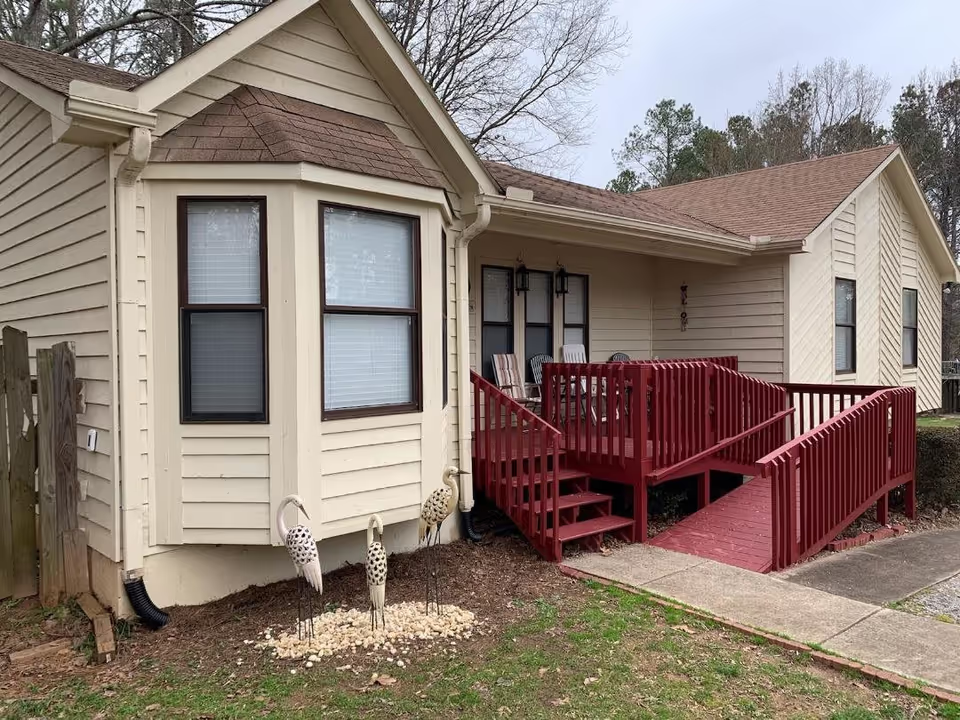
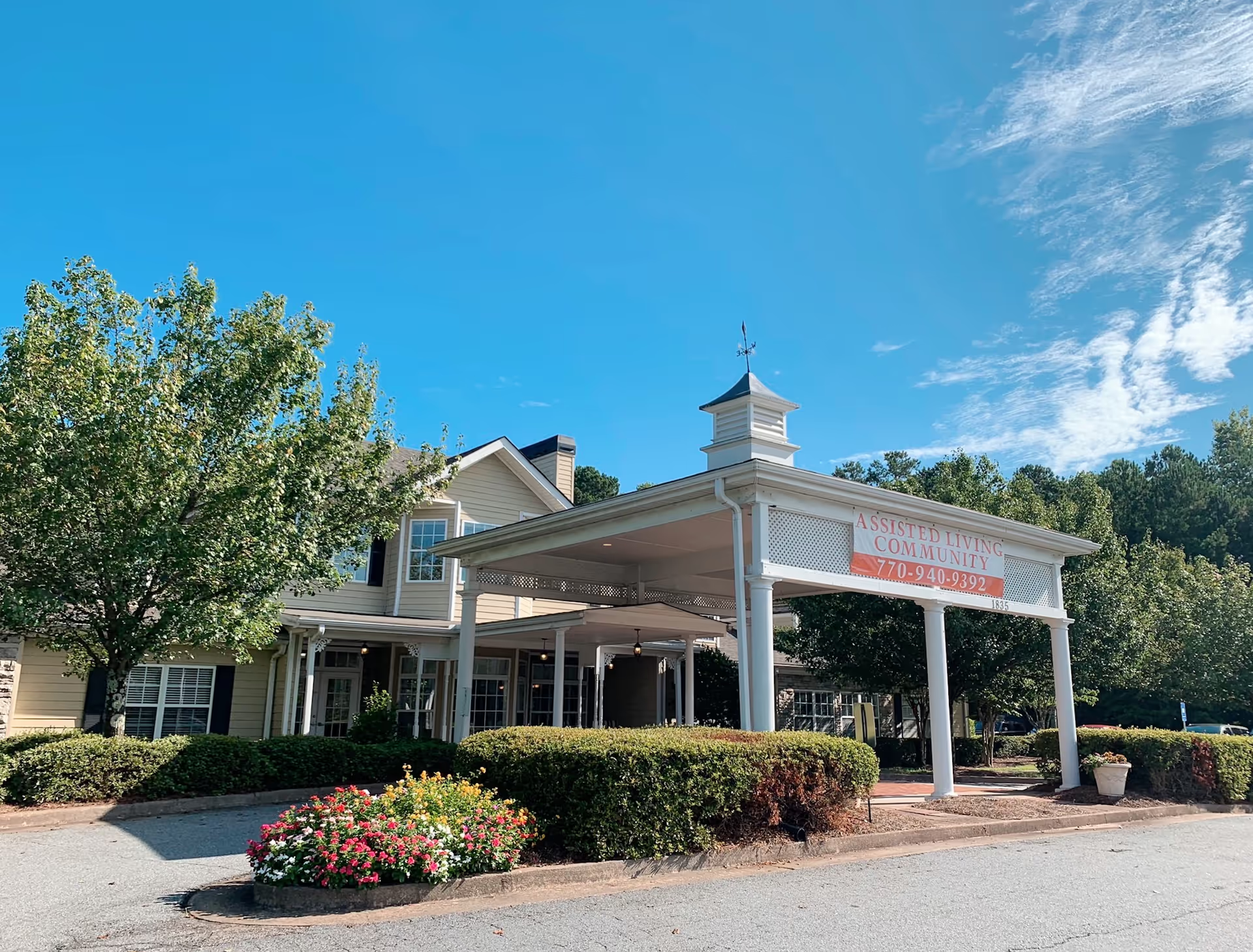
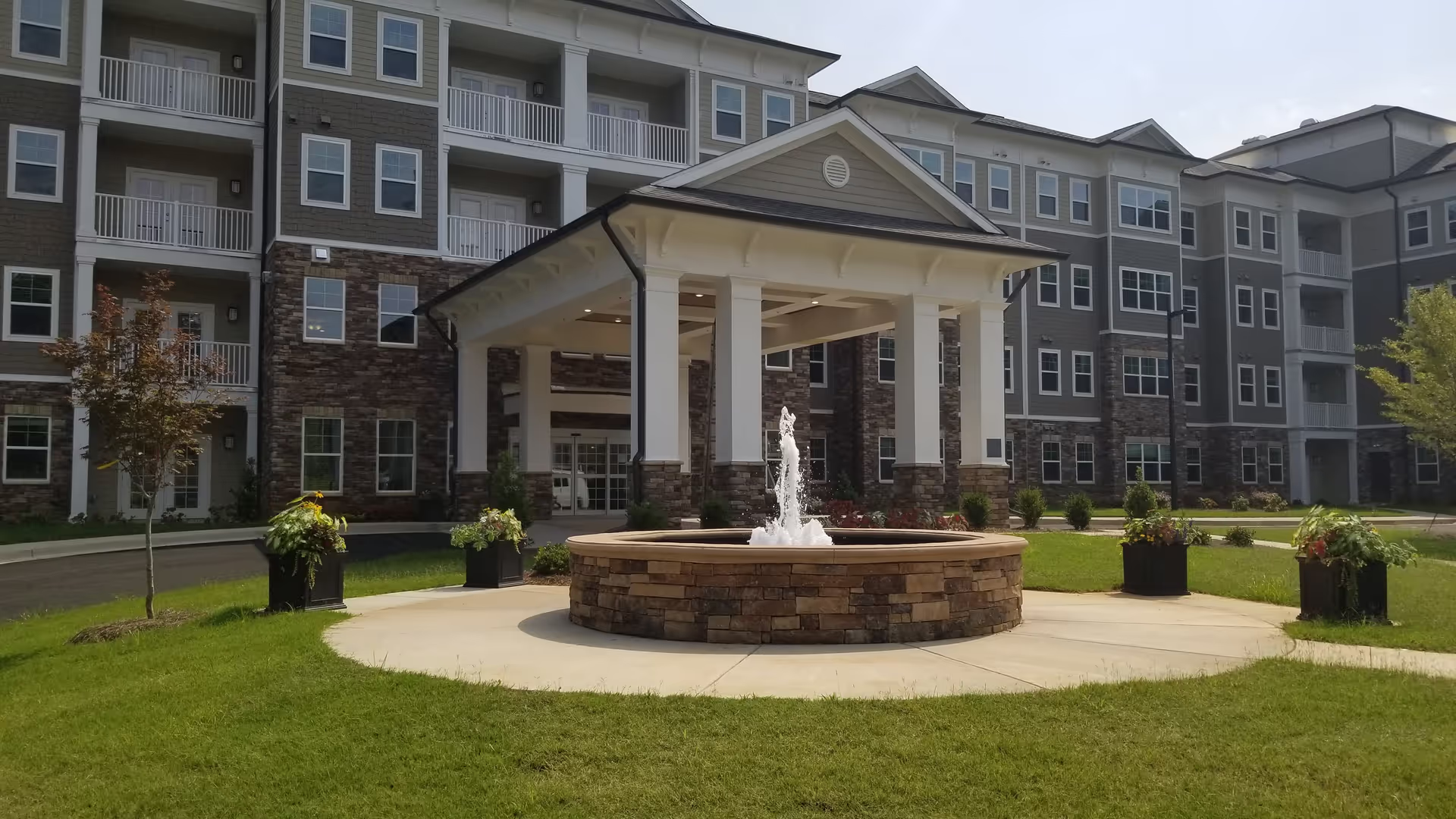
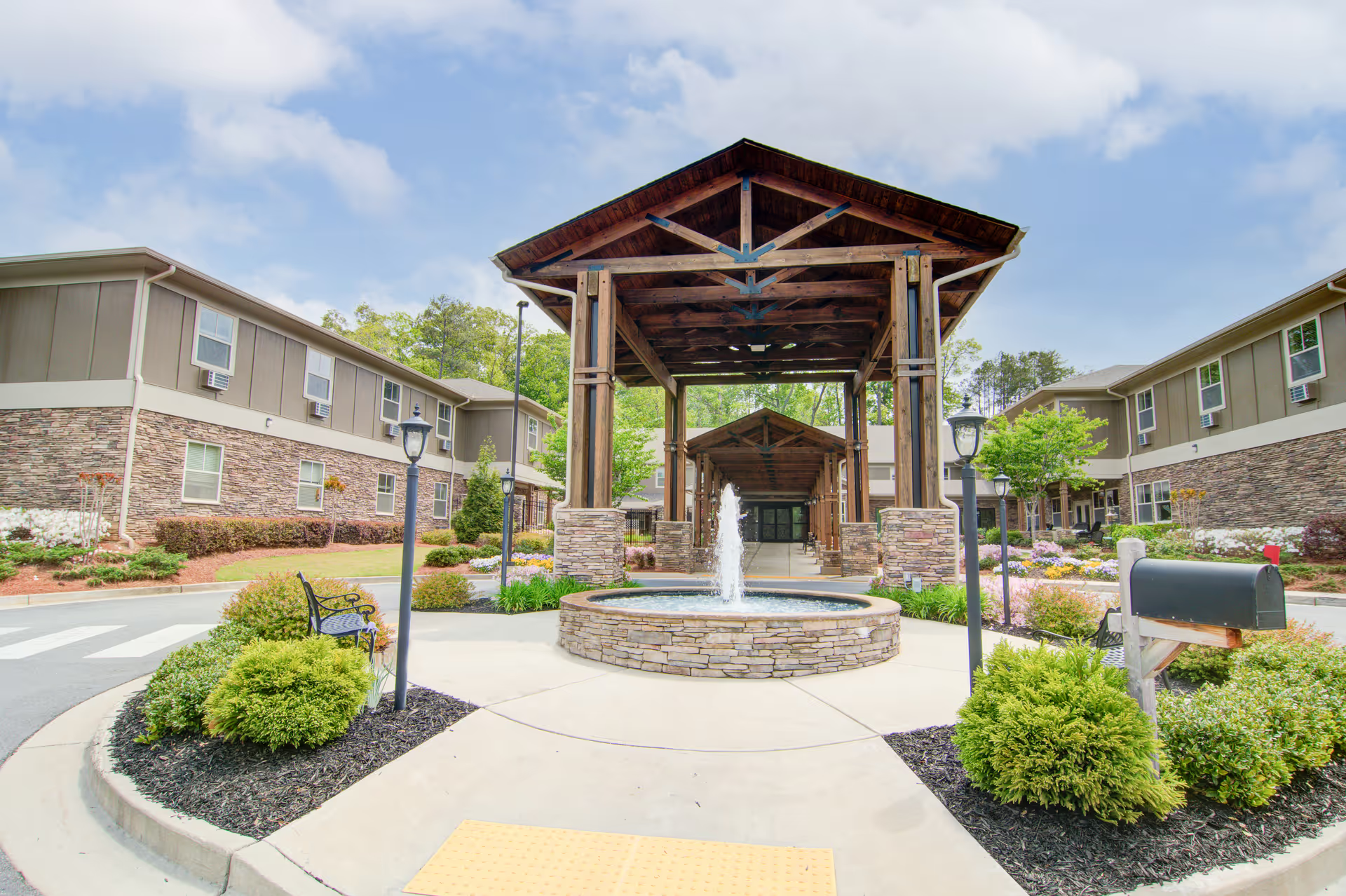
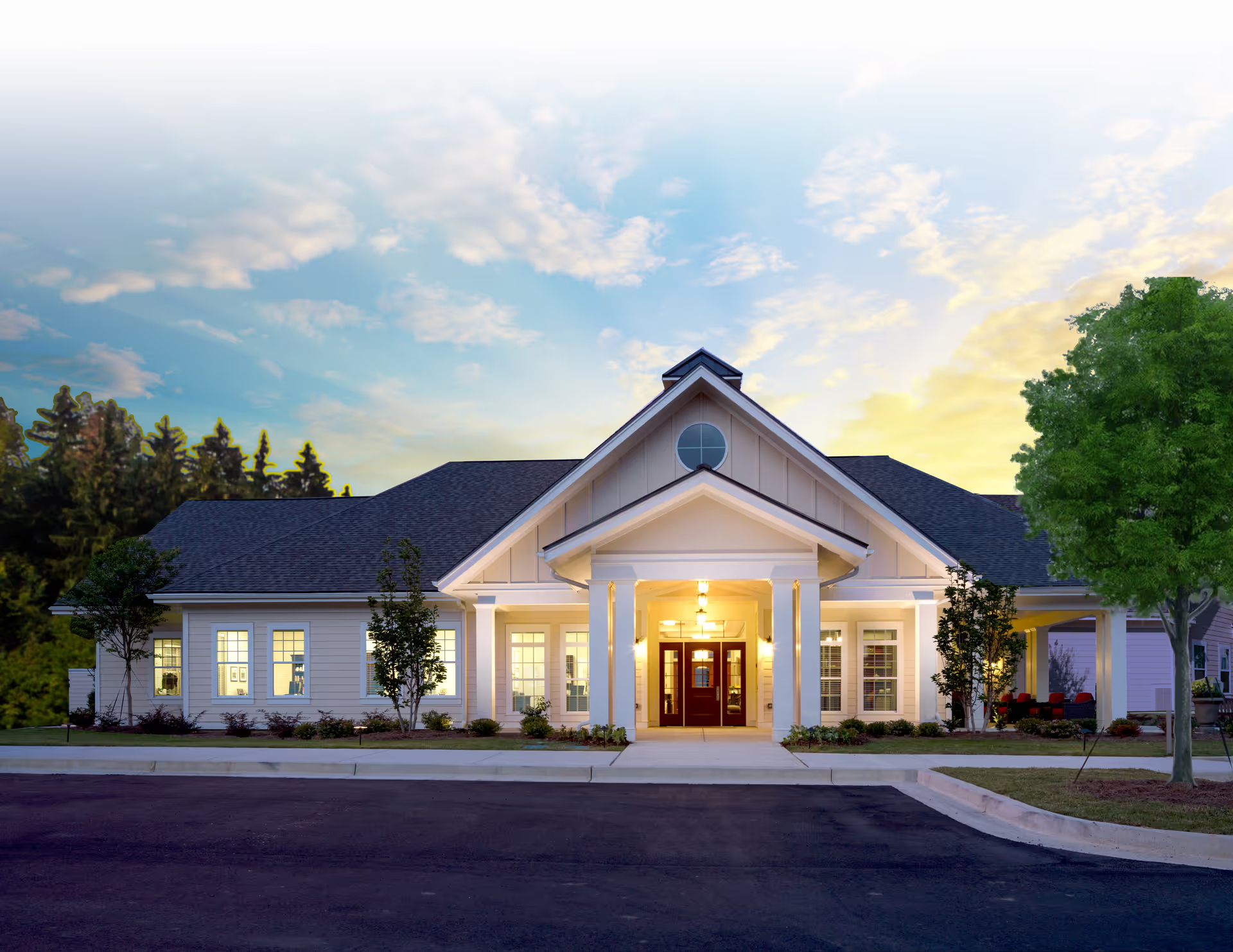
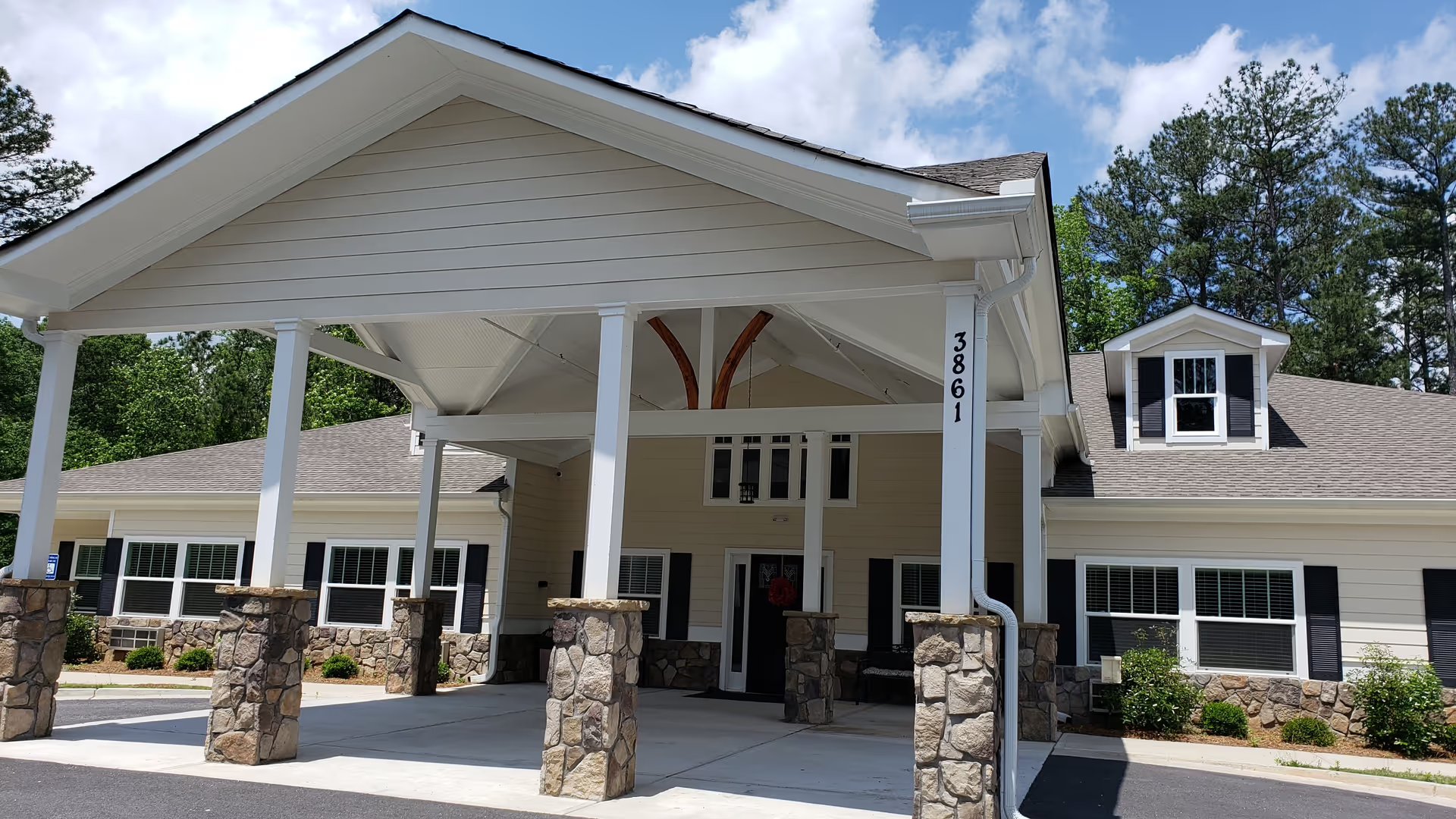
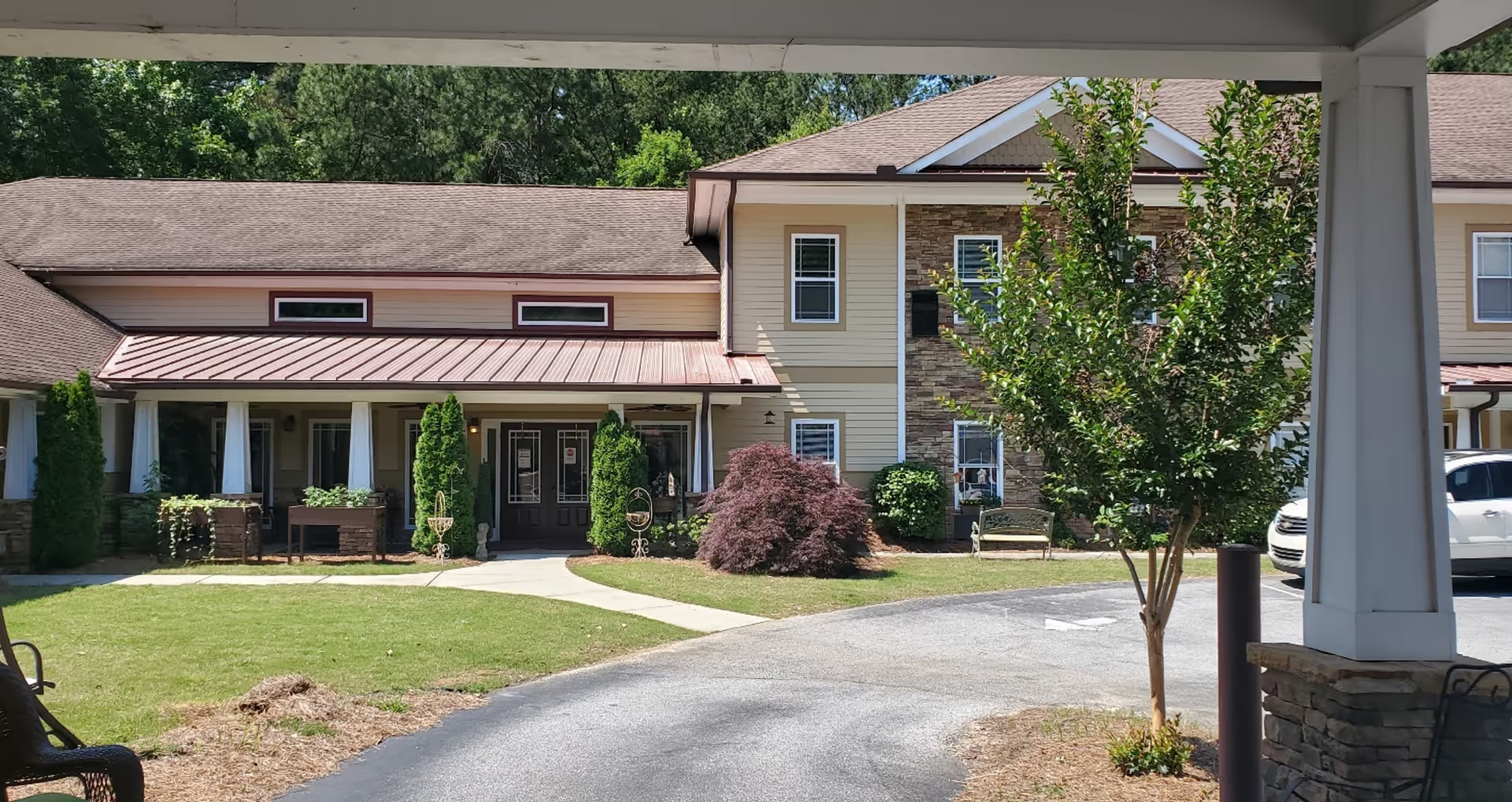
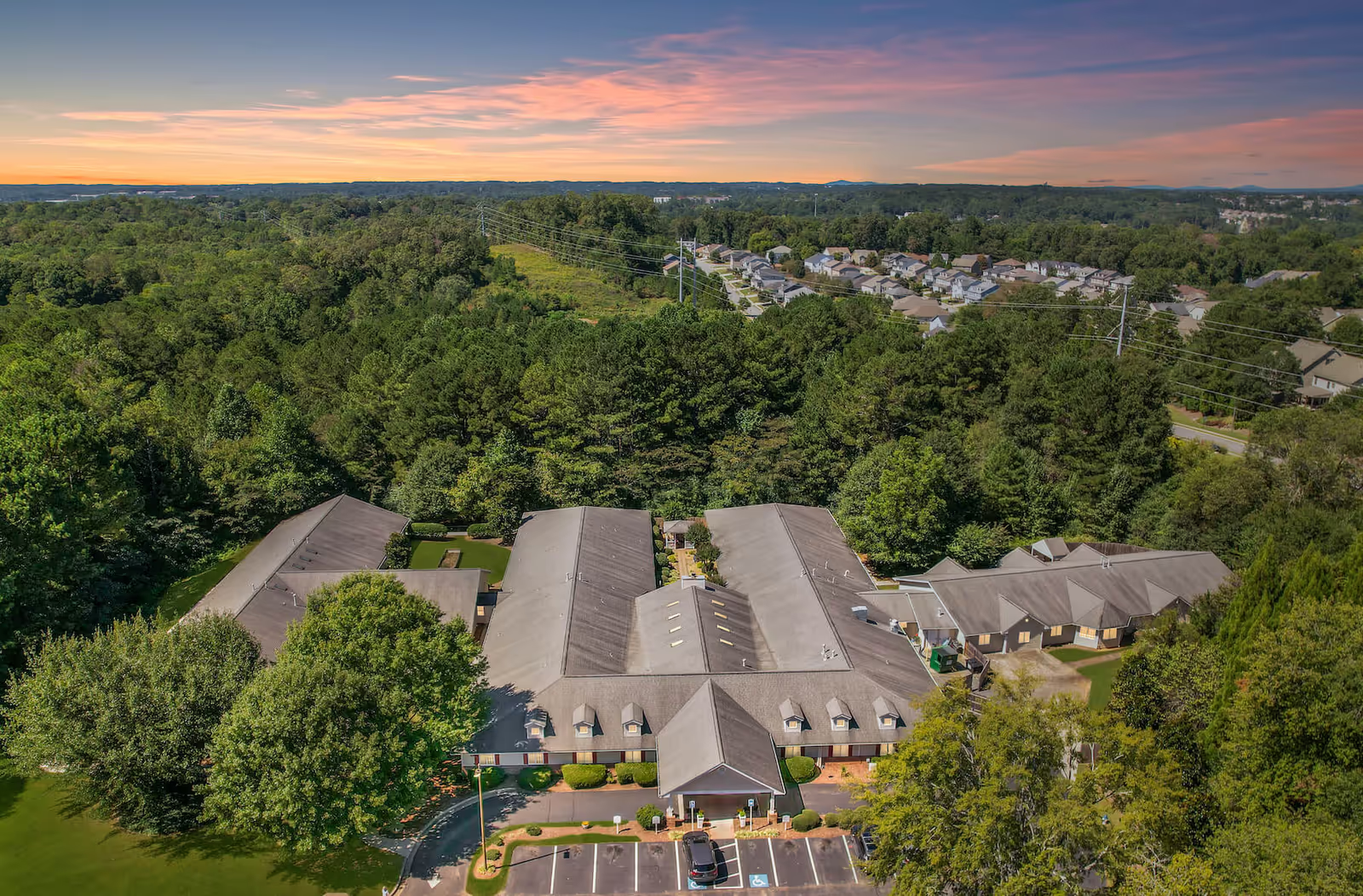
Overall sentiment in the collected reviews is mixed: reviewers repeatedly praise the physical environment and the frontline caregivers, but raise significant concerns about communication, management responsiveness, staffing levels, and dining quality. The facility itself receives consistently positive mentions — described as new, beautiful, updated, very clean, and offering large rooms with high ceilings. These attributes form a strong positive baseline impression and are a recurring reason why several families say their loved ones enjoy living there and would recommend the community.
Care quality and day-to-day assistance show a generally favorable pattern at the caregiver level. Multiple reviews call out caregivers as "very sweet" or "caring," and day-to-day care is described as good. That indicates that direct, hands-on staff tend to provide compassionate, competent resident care. However, this positive impression is sometimes offset by operational and managerial issues: reviewers distinguish between the warm, attentive caregiving staff and upper/administrative staff, who are frequently criticized for being slow to respond, uncommunicative, or not accommodating.
Communication and management responsiveness emerge as the most frequent areas of concern. Reviews mention slow email replies, lack of callbacks, and an overall pattern of poor or inconsistent communication from upper management. Several reviewers explicitly call out "terrible communication" and slow response times. These issues are compounded during the pandemic: families reported restricted access, inability to visit, and limited visibility into activities and daily life. For some reviewers the pandemic-related visitation policies and limited activity transparency were a major negative factor in their experience.
Staffing and operational reliability are additional areas of worry. Multiple summaries allege understaffing, delays in medication administration, and slow responses to needs or issues. Reports that medications were "not given on time" and that the staff can be "militant" or "not accommodating" indicate inconsistent service delivery and potential lapses in care continuity. These operational problems are likely tied to the communication and staffing shortfalls noted above.
Dining and activities receive mixed-to-negative feedback. Several reviewers find the food unappetizing or low quality and request better variety. While some reviews simply note that "food could be better," others are more negative, stating low-quality meals and dissatisfaction. Activities are less visible in the reviews; during the pandemic, activity offerings and visibility were described as limited, which contributed to family concerns about social engagement and quality of life for residents.
In conclusion, the Timberley presents a strong physical environment and a notably caring frontline staff, which some families find sufficient to recommend the community. At the same time, persistent issues with administrative communication, staffing adequacy, medication timing, response speeds, and dining quality create a mixed overall picture and lead some reviewers to explicitly not recommend the facility. The most consistent patterns across reviews are: (1) excellent facility and frontline caregiving, and (2) managerial/operational weaknesses—particularly around communication, staffing, and dining—that materially affect some residents' and families' satisfaction. Addressing these operational and communication gaps, clarifying visitation/activity policies (especially during health crises), and improving dining variety and quality would likely shift sentiment more uniformly positive.