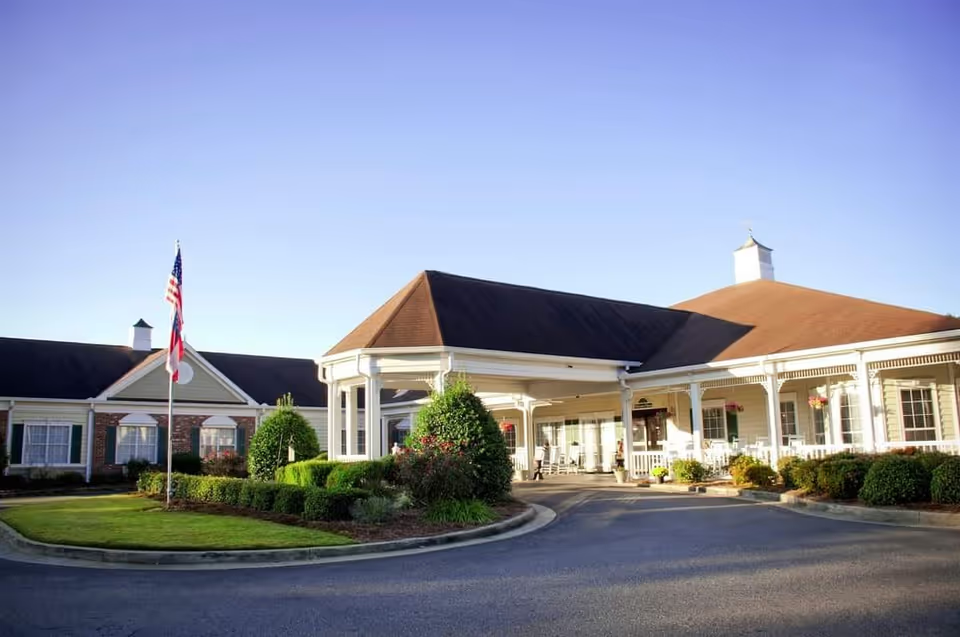
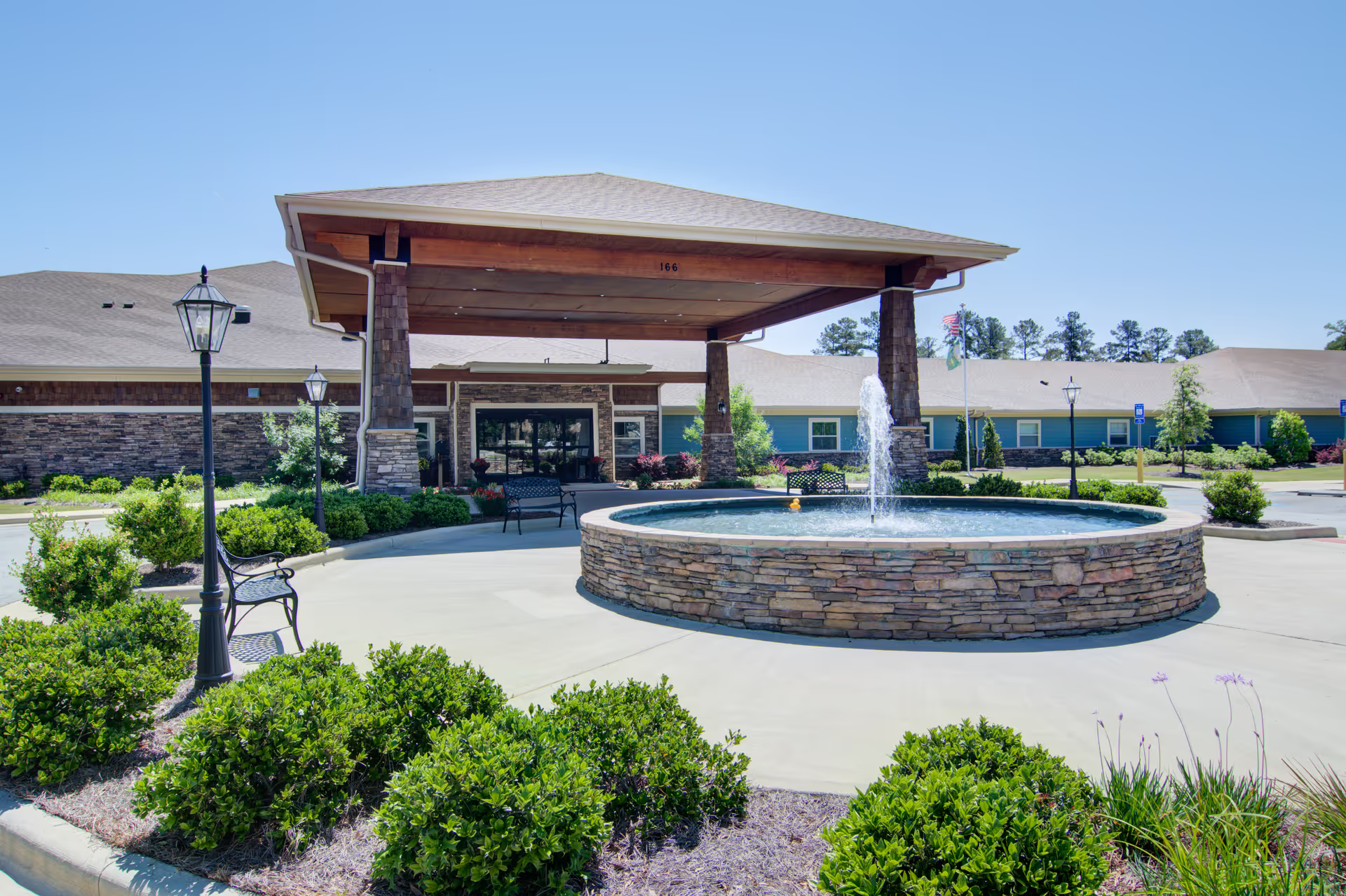
Overall impression: Century Pines presents as a well-kept campus with many features that appeal to independent-living residents and families seeking a campus-style retirement setting. Positive comments cluster around attractive grounds, clean common areas, spacious apartment layouts (particularly two-bedroom units), and a range of on-site amenities such as a gym, salon/barbershop, movie room, and activity spaces. Several reviewers found staff to be welcoming, informative, and willing to go beyond basic expectations during tours and initial move-in. The dining area and cafeteria-style setup are generally seen as comfortable, and many families noted organized weekly activities and outings that support social engagement.
Care and clinical concerns: A recurring and substantive pattern in the feedback involves clinical care processes. Several reviewers noted serious clinical concerns, including missed medication administration (with insulin cited specifically), medication errors, unintended weight loss, and skin integrity issues over time. These accounts suggest weaknesses in medication-administration controls and ongoing clinical oversight, particularly for residents with higher care needs. Families should treat clinical reliability as a primary question when evaluating this community and request details on medication protocols, staffing ratios, and clinical oversight procedures.
Staffing and memory-care programming: Staffing adequacy appeared variable across service areas. Independent-living units and front-line staff received frequent praise for responsiveness and friendliness, but memory-care and assisted-living areas were characterized by understaffing and limited activity engagement. Reviewers described fewer structured memory-care activities and perceived lower staff availability for residents with progressive cognitive or higher physical care needs. This pattern points to differentiated experiences depending on level of care required.
Dining, activities, and resident life: The facility offers a range of activities and outings and a dining program that some reviewers described as nutritious and well-presented. However, other accounts cited uneven meal quality and lack of menu balance or taste issues. Activity offerings appear strong for independent residents but less consistent in memory-care settings. Prospective residents should request sample menus, attend a meal service during a visit, and ask for a current activity calendar specific to each care level.
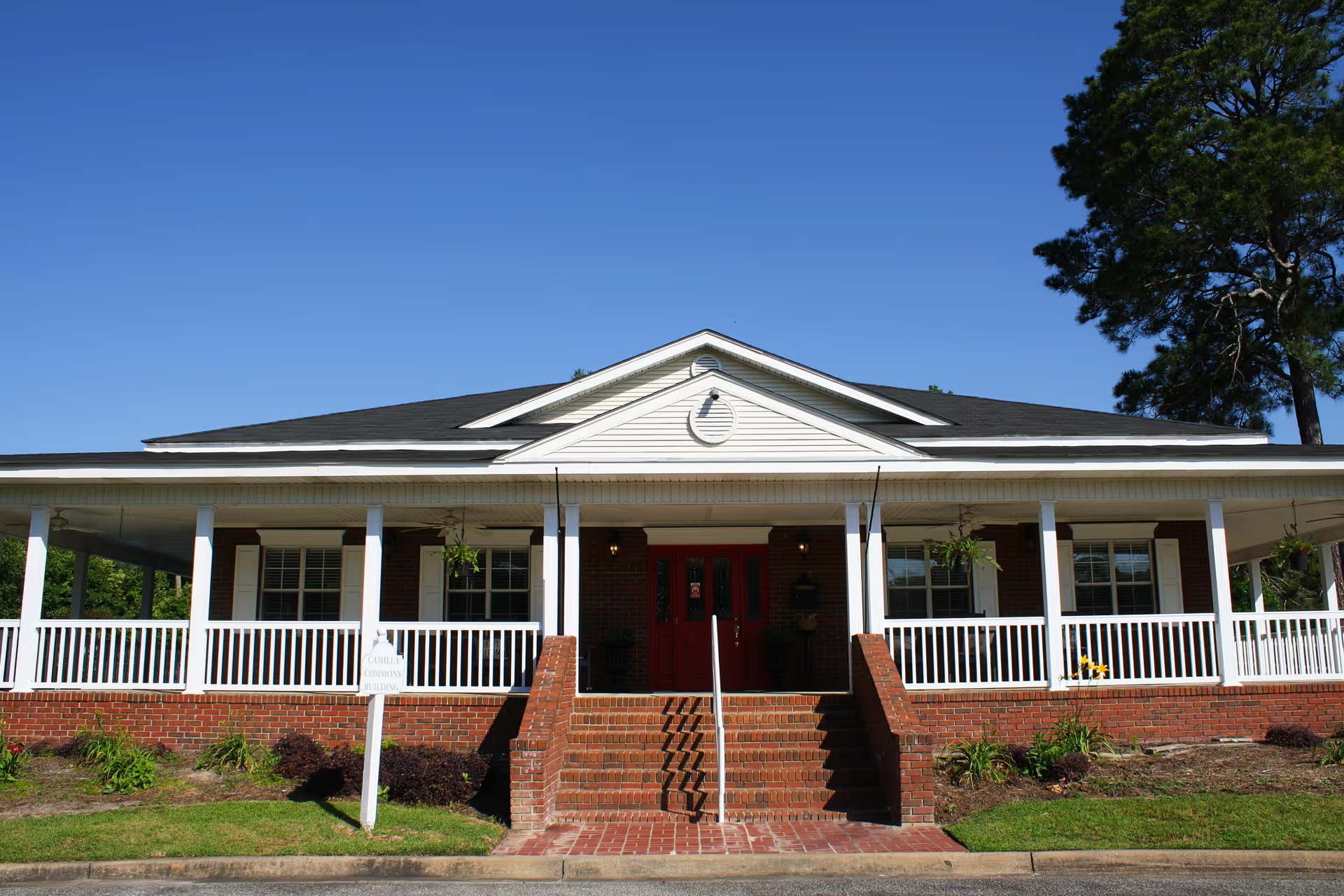
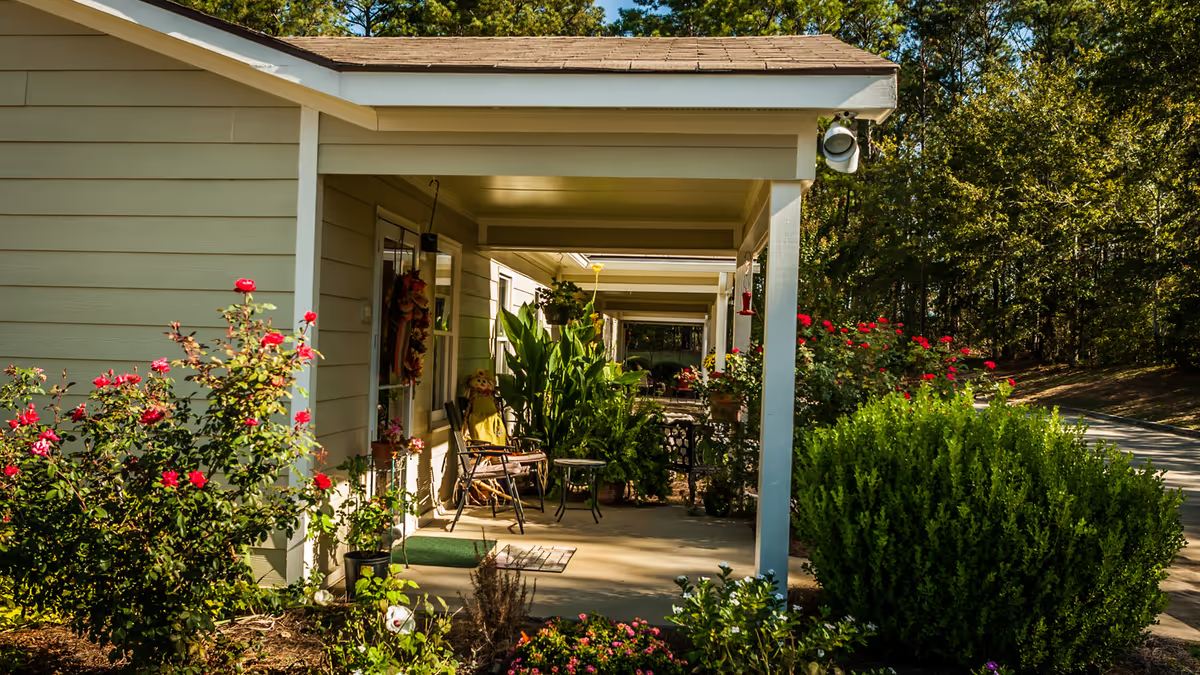
Facilities, accessibility, and cost: Many reviewers praised the appearance, landscaping, and interior cleanliness; several noted features such as private baths, balconies, and alcove-style apartments with outdoor access. At the same time, comments indicate that some units and hallways feel older or less updated, and certain apartments (one-bedrooms) can be small compared with two-bedroom units. Accessibility concerns were raised for residents with significant mobility impairments (e.g., amputations), indicating the need to verify unit-specific accessibility features. Pricing perceptions vary: some reviewers found the community competitively priced, while others described costs as high for particular unit types.
Management and communication: Tour experiences and interactions with administrative staff were often positive, but there are also notes of communication and transparency shortcomings. Some families described discrepancies between brochure/marketing descriptions and lived experience, and concerns about follow-through on clinical or operational issues. Given the mixed feedback, families should seek clear written agreements about services included versus extra charges, ask about incident-reporting practices, and request references from current families in the same care level.
Bottom line: Century Pines offers attractive physical amenities, an engaging independent-living environment, and many staff who are described as friendly and helpful. At the same time, there are consistent operational concerns around clinical reliability, staffing in higher-acuity units, and variability in meal quality and facility condition. Those considering placement should prioritize in-person visits that include mealtime observation, meetings with clinical leadership, review of staffing levels and medication protocols, and conversations about memory-care programming and accessibility to determine fit for specific care needs.