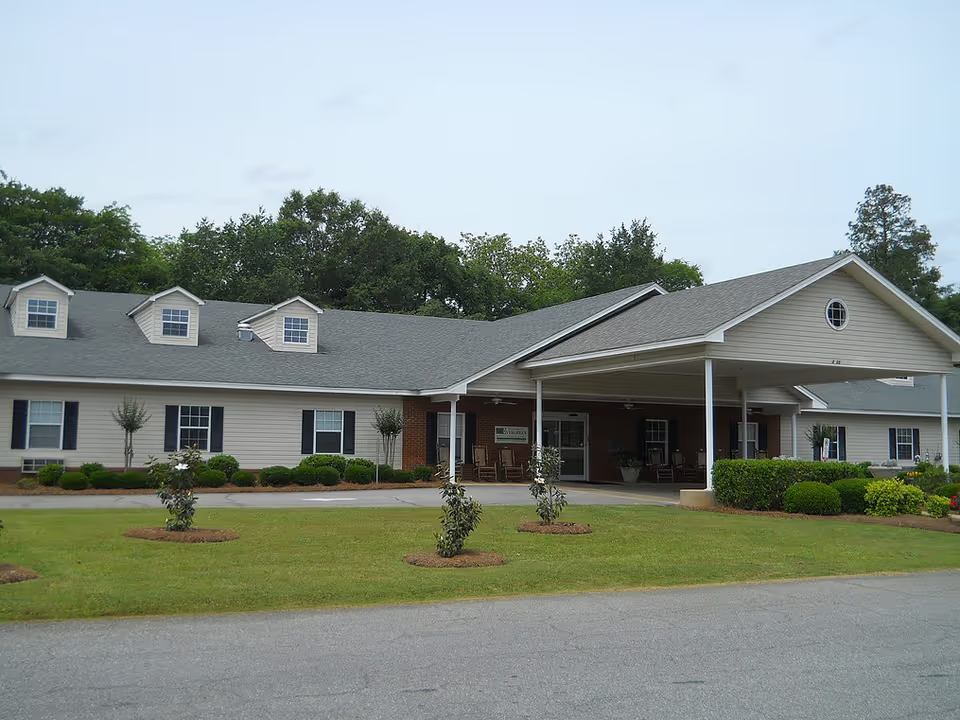
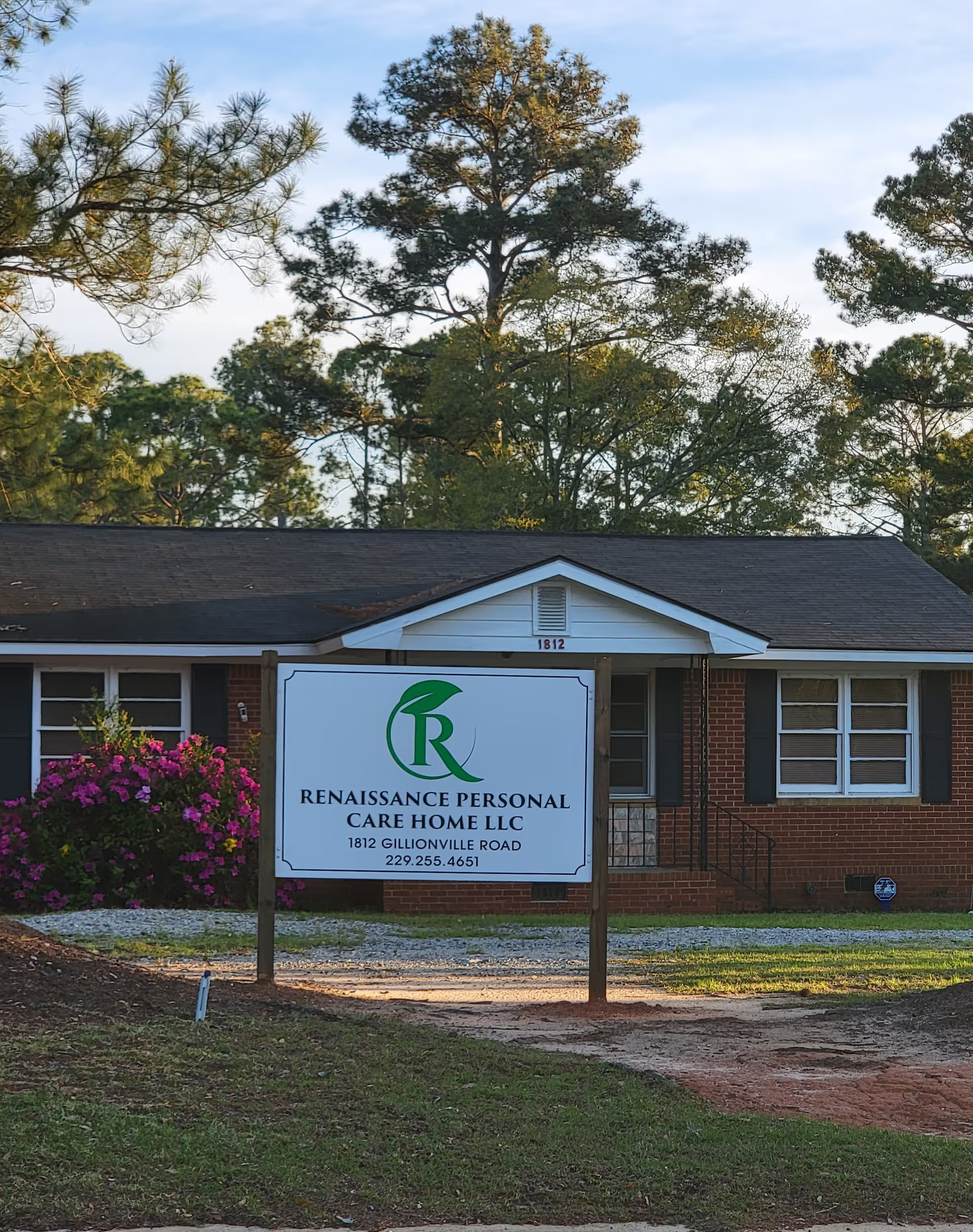
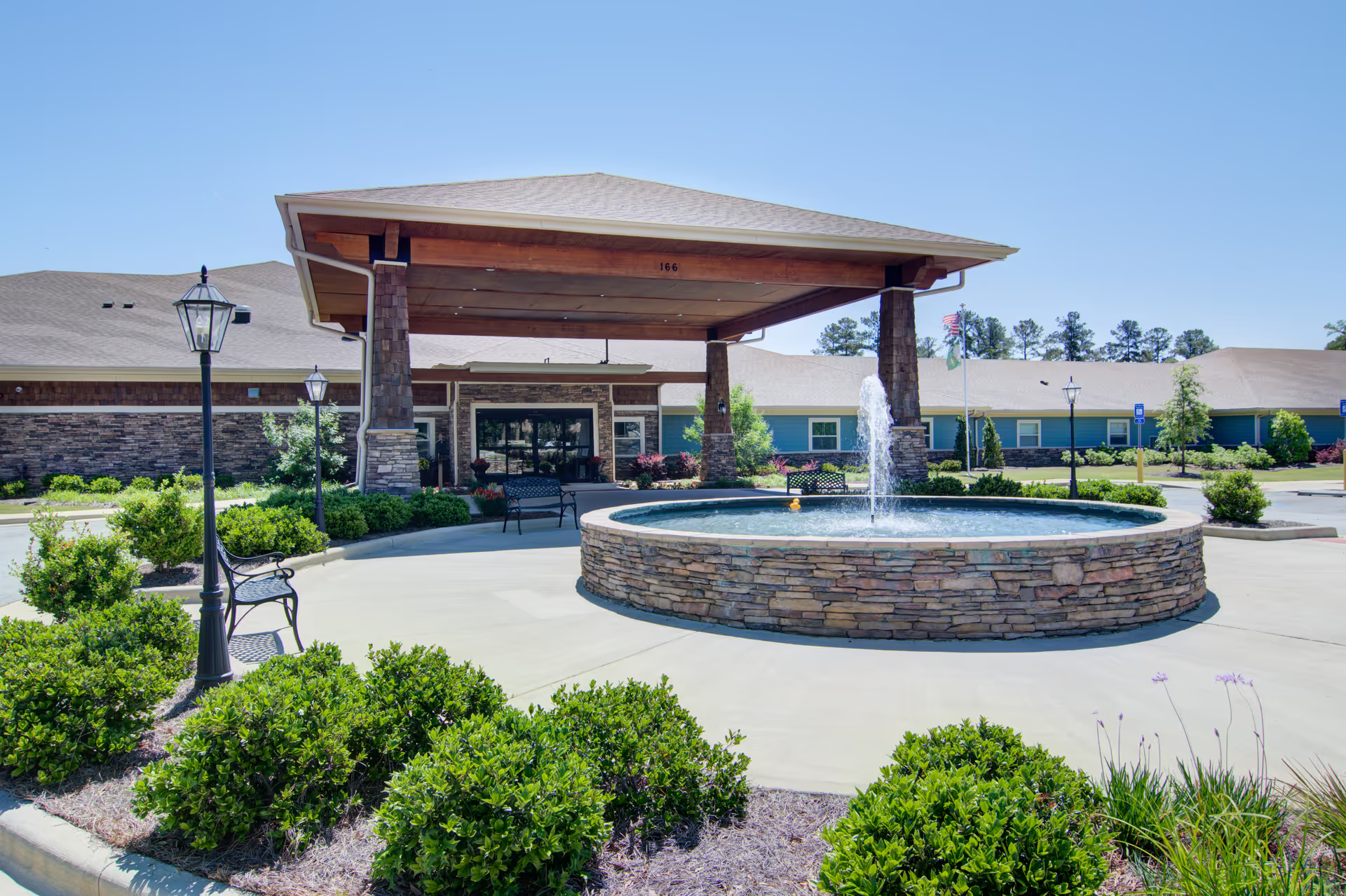
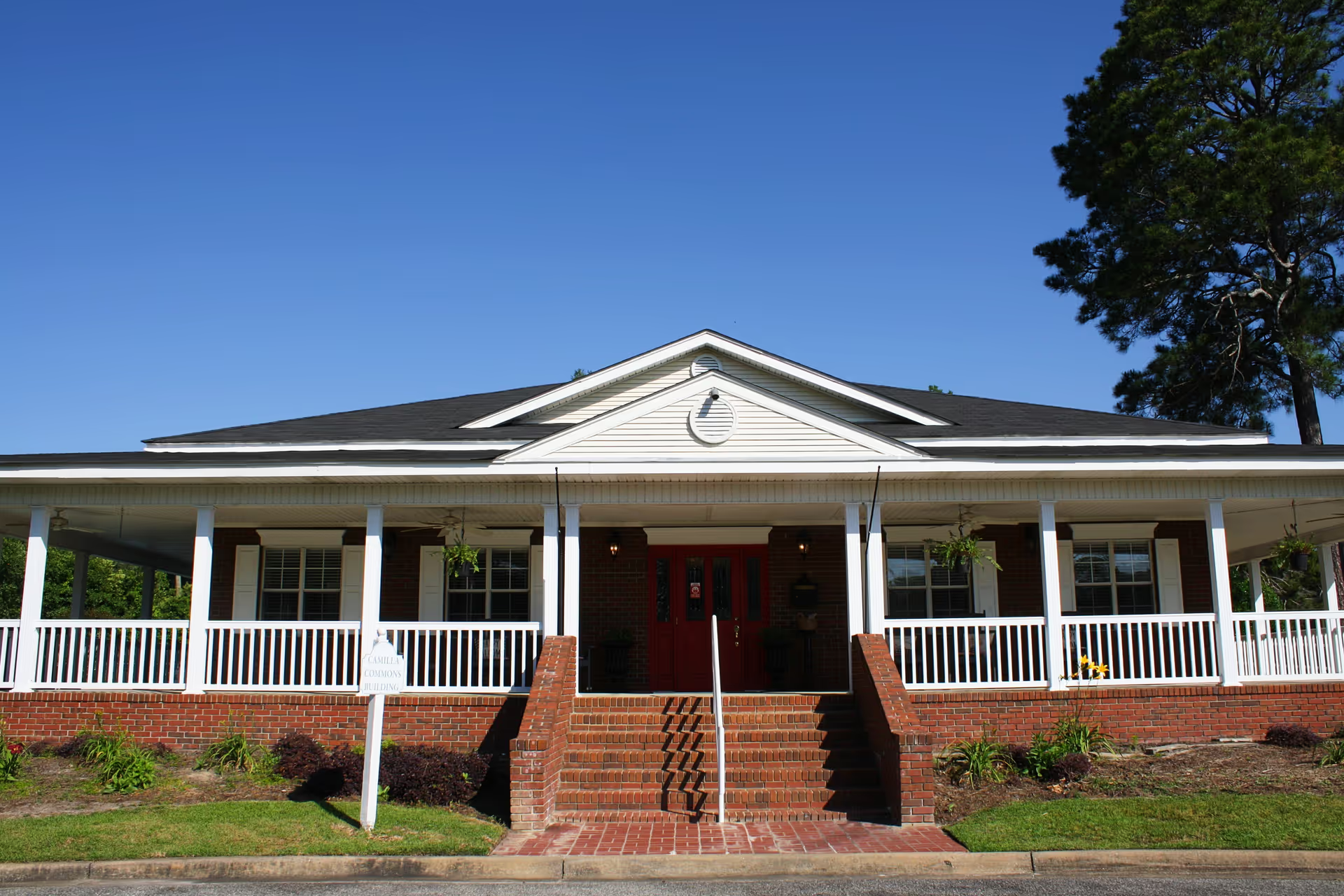
Overall impression: Viva Senior Living at Albany is generally described as a warm, community-oriented facility with many families emphasizing caring staff and active memory-care programming. Reviewers consistently praise direct caregivers, maintenance responsiveness, and a number of physical amenities (courtyard, library, private dining, and a circle-shaped layout that residents find easy to navigate). Apartment options range from compact studios to larger units with kitchenettes and in-room appliances, which several families value for preserving residents’ independence.
Care and staff: Staff interactions are the facility’s most frequently cited strength. Families describe caregiving and nursing teams as compassionate, helpful, and willing to accommodate requests; maintenance staff also receive positive mention for prompt issue resolution. The memory-care wing in particular is highlighted for structured activities, engaged staff, and a supportive atmosphere. That said, reviewers also cite leadership and staffing challenges: turnover and perceived instability in management are recurring concerns, and some families express unease about inconsistent leadership communication or transparency.
Dining: Dining impressions are mixed. Multiple accounts note nutritious, appealing meals and an engaged dining staff, while other families describe inconsistent food quality, problems with convenience items (frozen patties) and dissatisfaction with pureed-meal flavor and variety. Some reviewers report an improved menu after chef changes, indicating variability in meal execution over time. Prospective families should ask about current menus, texture-modified meal processes, and chef/food-service staffing stability.
Activities and amenities: The community offers a steady calendar of social and therapeutic activities (bingo, singing, puzzles, dog visits, holiday events) that reviewers say benefit resident engagement and morale. Shared spaces (private dining room for visitors, library, courtyard) and in-room conveniences (refrigerator, microwave, private bathrooms) are frequently noted as positive contributors to daily life. Physical-therapy/rehab services are mentioned as being set up or available on-site.
Facilities and operations: Physical condition reports vary. Many reviewers find the building clean and well-decorated, while others point to areas that would benefit from renovation (dining room, resident-room finishes, exterior paint). Housekeeping and laundry performance is reported inconsistently across accounts, implying operational variability. The admissions experience also appears uneven: some families describe a smooth tour and paperwork process, while others find orientation and onboarding unclear.
Management and notable patterns: Two consistent patterns emerge: first, strong day-to-day caregiving by frontline staff; second, operational inconsistencies tied to leadership, food service, and housekeeping. Concerns include management transparency and perceived leadership instability, staff turnover that can affect continuity, and affordability pressures from rent increases. The mix of strongly positive frontline feedback and operational/management criticisms suggests that service quality can depend on current leadership, staffing levels, and recent changes to food-service or housekeeping teams.
What families should ask: prospective families may want to inquire about current leadership and turnover rates, chef/staff continuity and sample menus (including pureed/texture-modified meal processes), housekeeping and laundry schedules, timelines for planned renovations, orientation procedures for new residents, and how rent increases are handled. These targeted questions will help assess whether the facility’s strong caregiving culture aligns with consistent operational practices at the time of move-in.