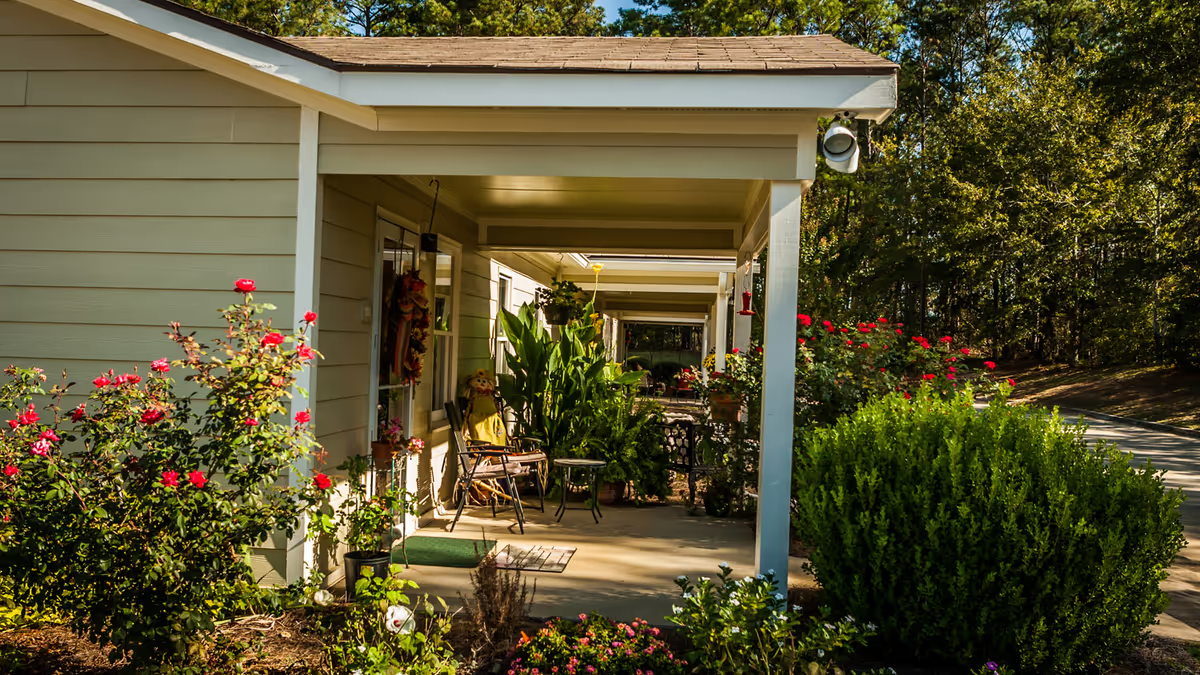
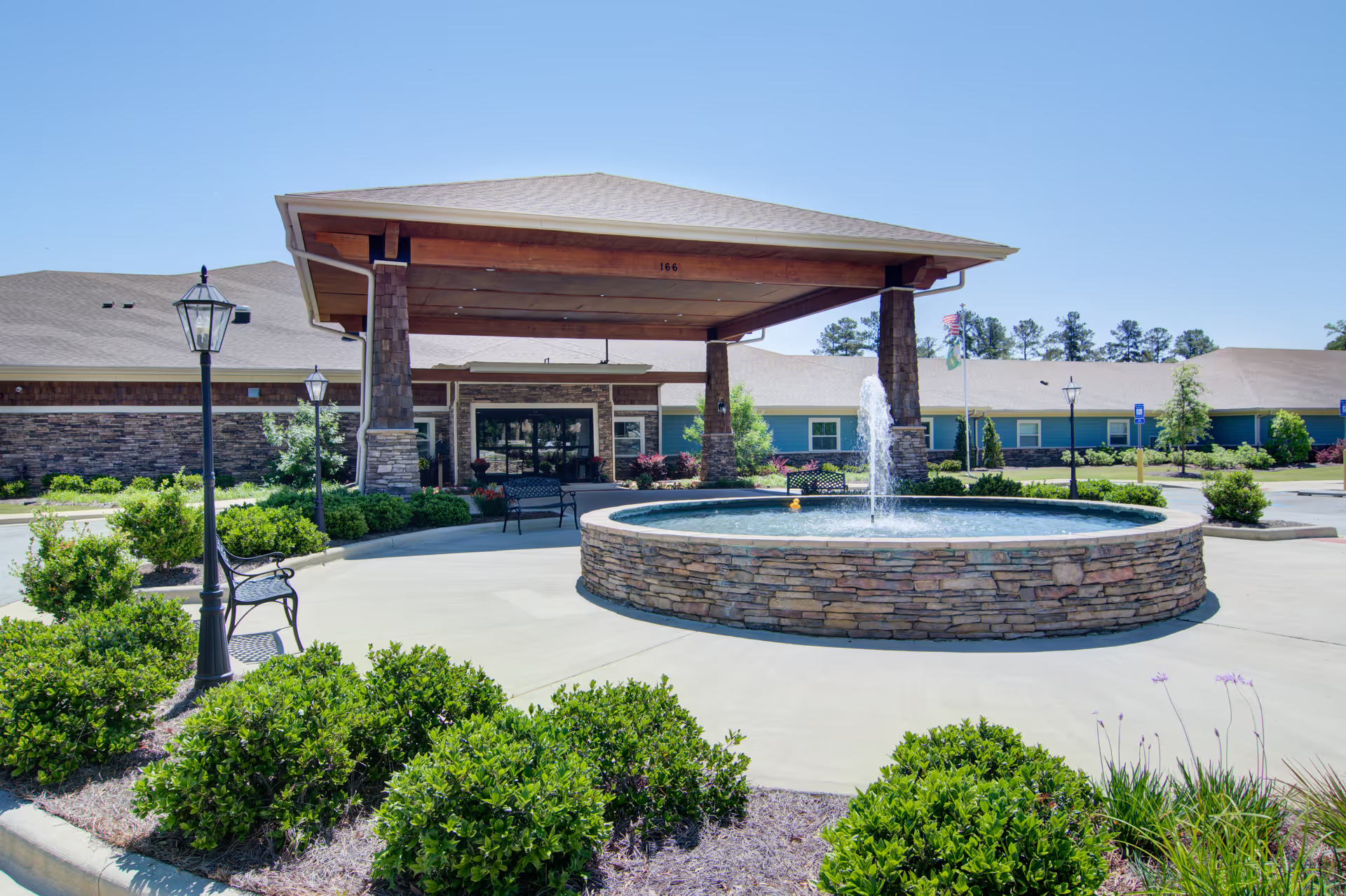
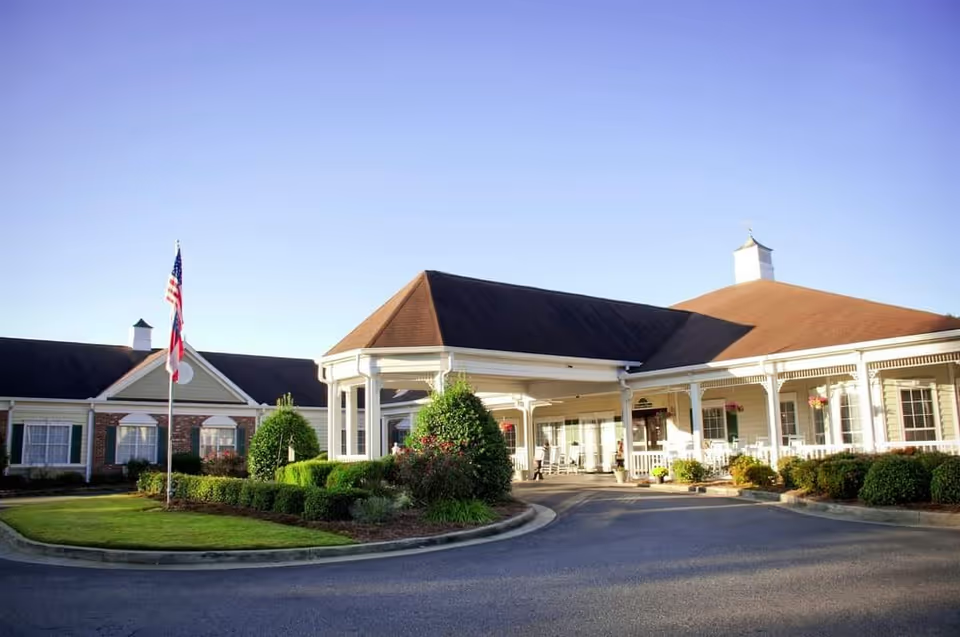
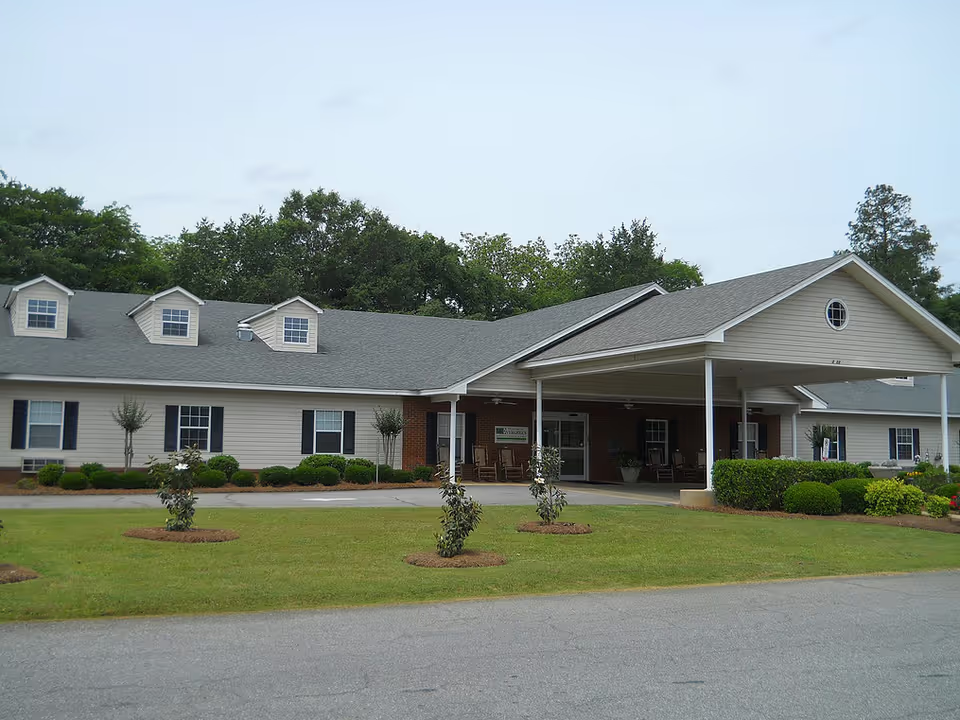
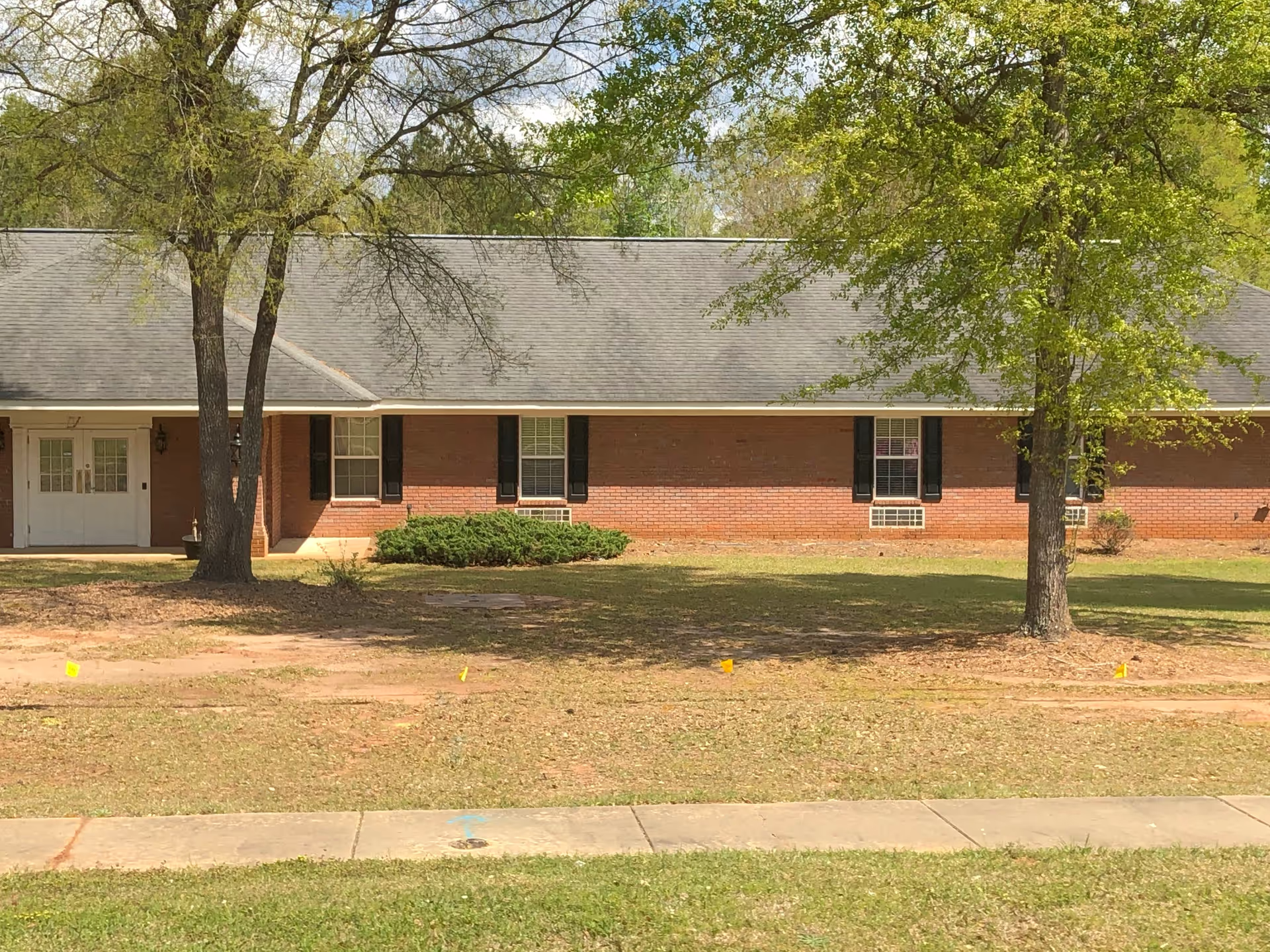
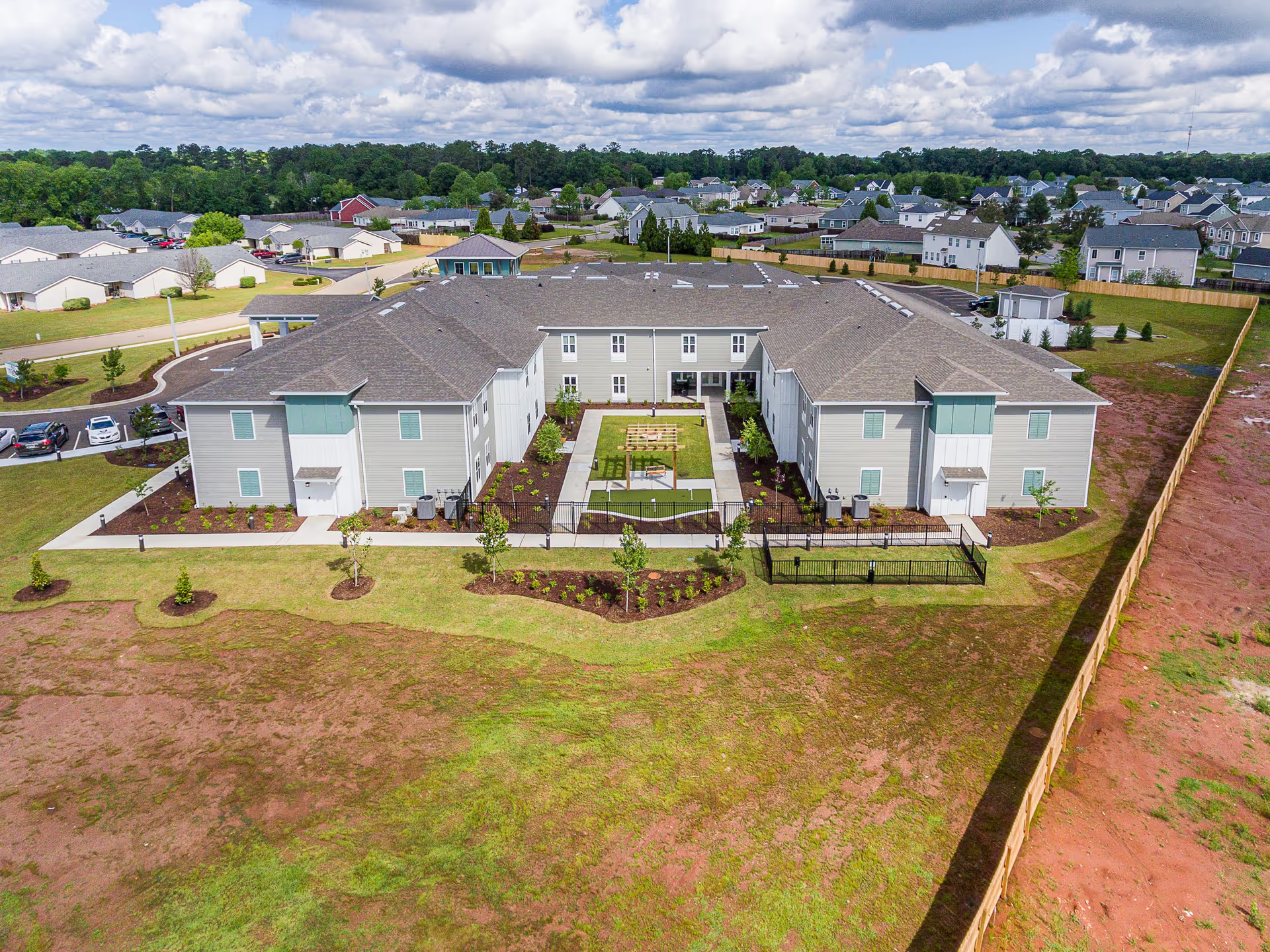
Magnolia Manor of Americus presents as a campus with substantial wellness and social resources alongside a mixed record on operational consistency. Strengths cited across reviewers include a well-equipped wellness center (therapy pool, 25m pool, saunas, steam room, whirlpool), a broad slate of fitness and aquatic classes, and an active calendar of recreational options such as tai chi, bridge, games, and holiday events. Many families and residents praise the dining program as tasty and accommodating, the campus landscaping and outdoor spaces, and a welcoming community feeling among neighbors. The facility offers multiple levels of care on site, transportation assistance, Medicaid acceptance, and flexible payment options, which some families find to be good value and appropriate for residents who are active and engaged.
Care and staffing impressions are mixed. Numerous comments describe direct-care staff as kind, hands-on, and willing to go above and beyond; specific staff and leaders were named positively. At the same time, recurring themes point to inconsistent clinical oversight and medication administration, delays in responsiveness at times, and staffing shortages that can affect day-to-day care. These operational weaknesses appear unevenly distributed: some families report excellent, attentive care while others experienced significant lapses in timeliness and communication. Leadership and administrative tone were also described variably—some reviewers noted strong, visible leadership and smooth move-ins, while others described administrative interactions as autocratic or dismissive.
Housekeeping and facility condition show a split pattern. Common areas and the wellness facilities are frequently described as clean and well maintained, and maintenance staff receive positive mention. However, there are specific sanitation and cleanliness concerns at the resident-room level, dated furnishings (thin mattresses, older carpeting in some units), and occasional odor or housekeeping issues referenced. Laundry and personal-belongings handling have been identified as an operational gap by reviewers who experienced lost items. Infrastructure comments include limited phone availability in rooms, slow internet and poor cell reception in areas, and restricted weekend rehab hours, which may affect families who expect full-time clinical coverage and robust communications.
Activities and social engagement are strengths for residents who participate, with many reports of a lively program of classes, outings, and on-site events that support an active lifestyle. A contrasting pattern is that some long-term residents experienced declines in activity engagement over time, describing reduced outreach or less participation—this suggests variability in programming continuity or resident mobility that families should probe during a tour. Admissions and marketing interactions were described by some as high-pressure; prospective residents and families may want to clarify contract terms and visitation policies before committing.
Overall, Magnolia Manor may be a good fit for seniors seeking a campus with strong fitness and social amenities, an active community, and reasonable cost structures supported by a not-for-profit affiliation. Prospective residents and family members should assess clinical coverage and medication protocols, ask detailed questions about housekeeping and laundry procedures, confirm communication and phone/internet arrangements, and observe current staffing patterns and activity participation during different times of day. Those steps can help determine whether the facility’s strengths in wellness and community match a prospective resident’s care and safety needs given the variability described by reviewers.