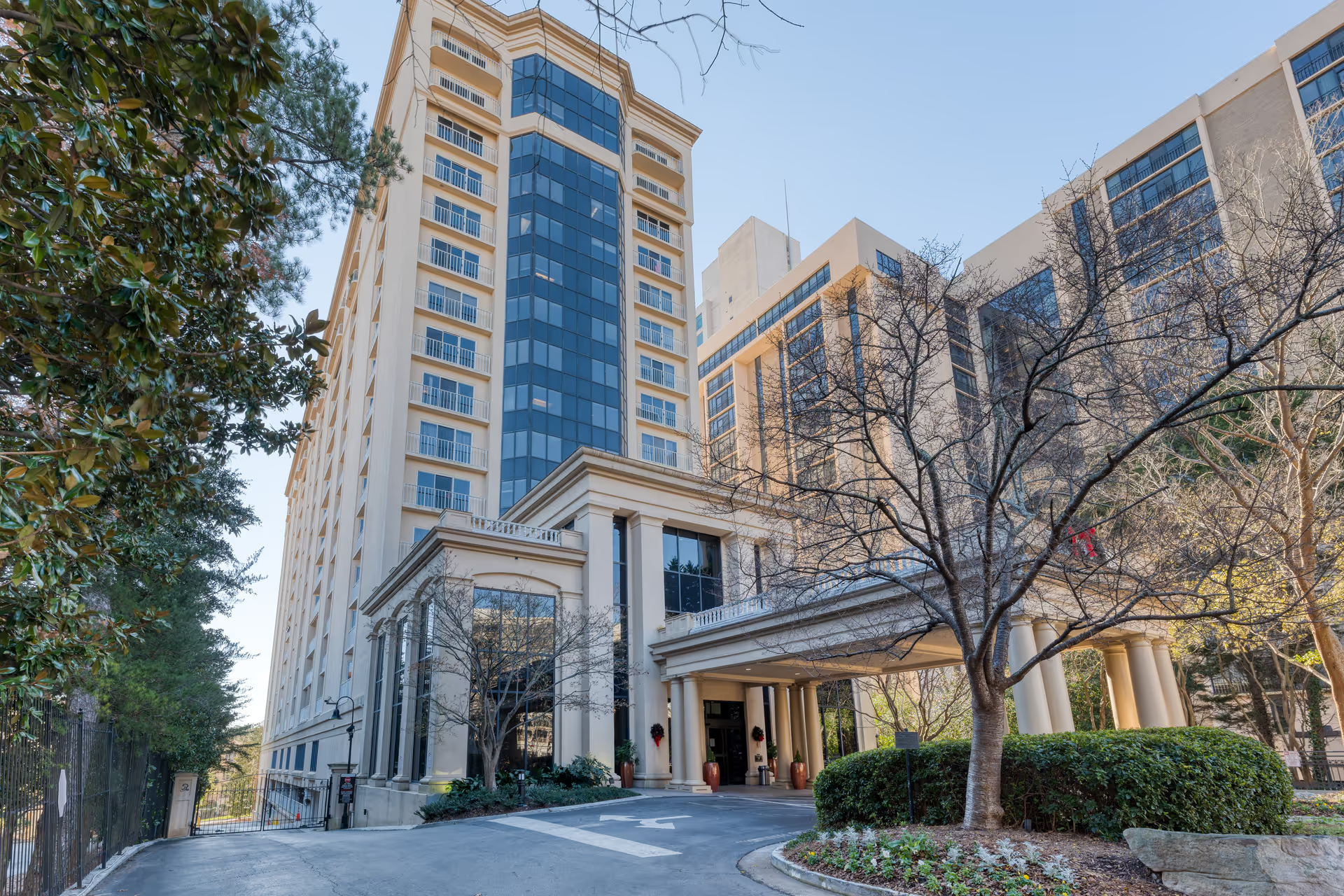
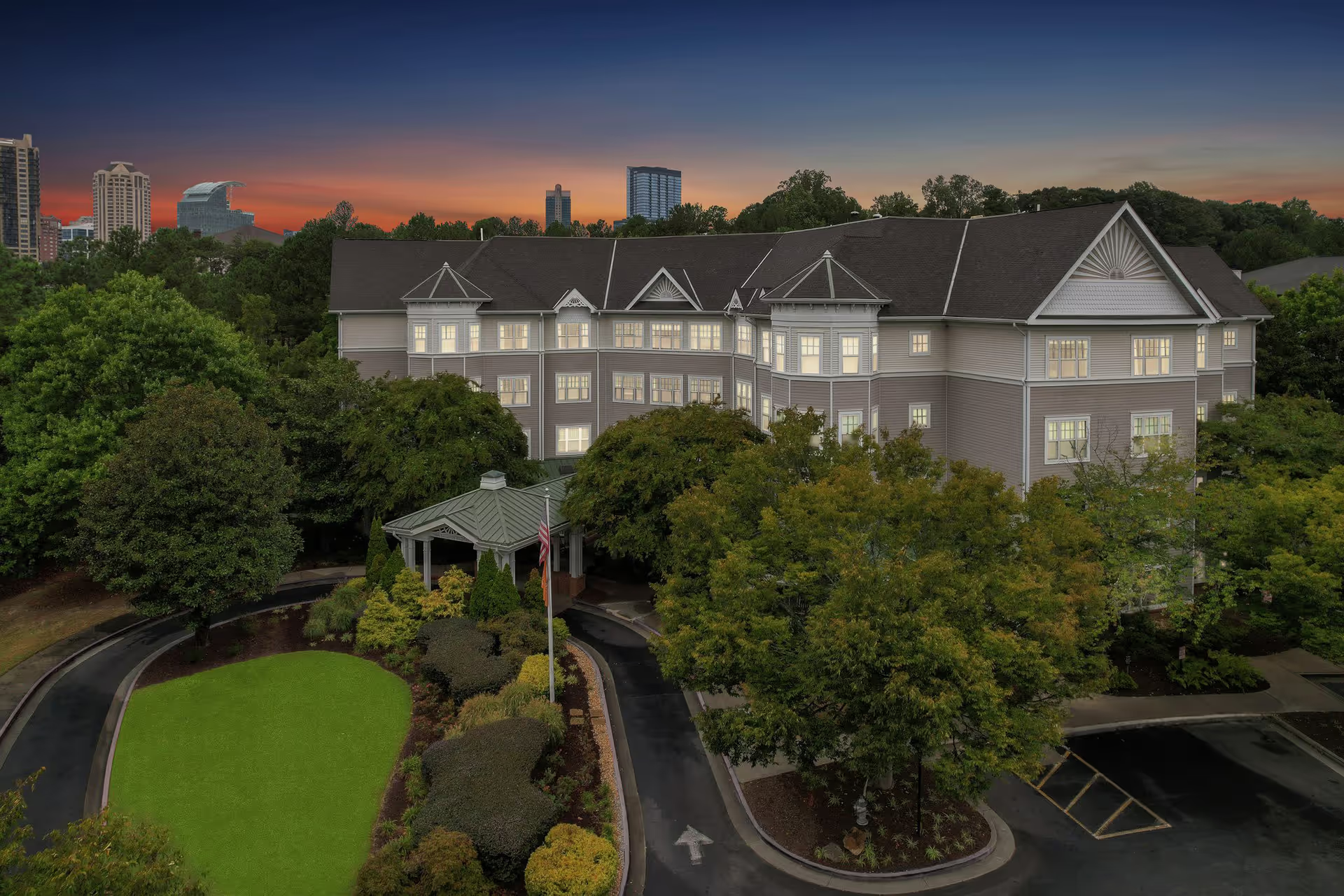
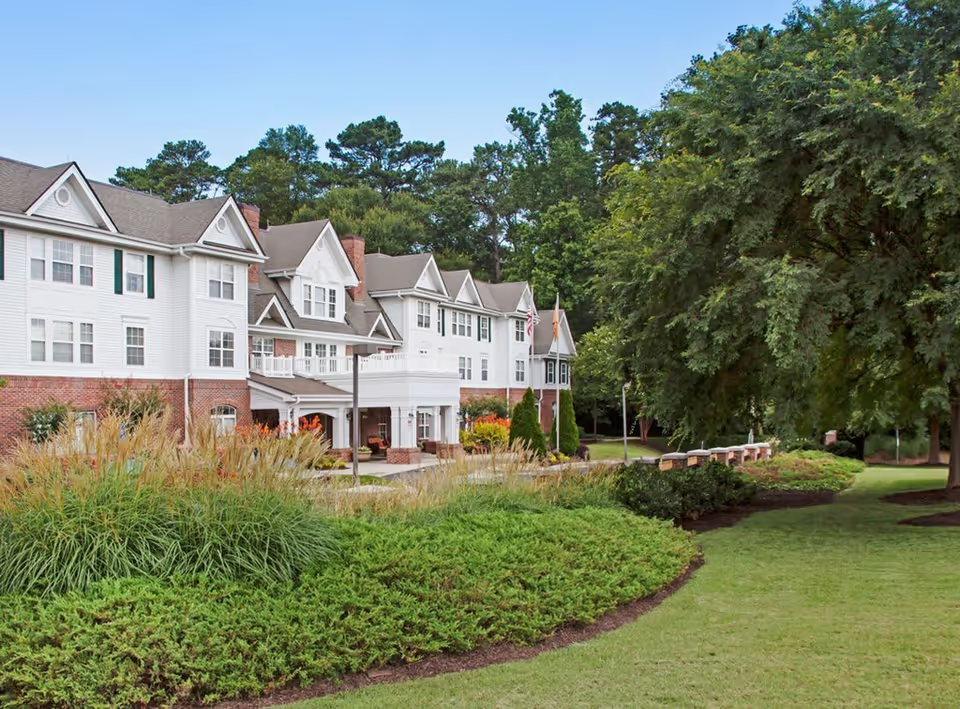
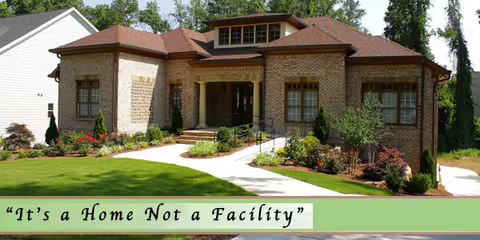
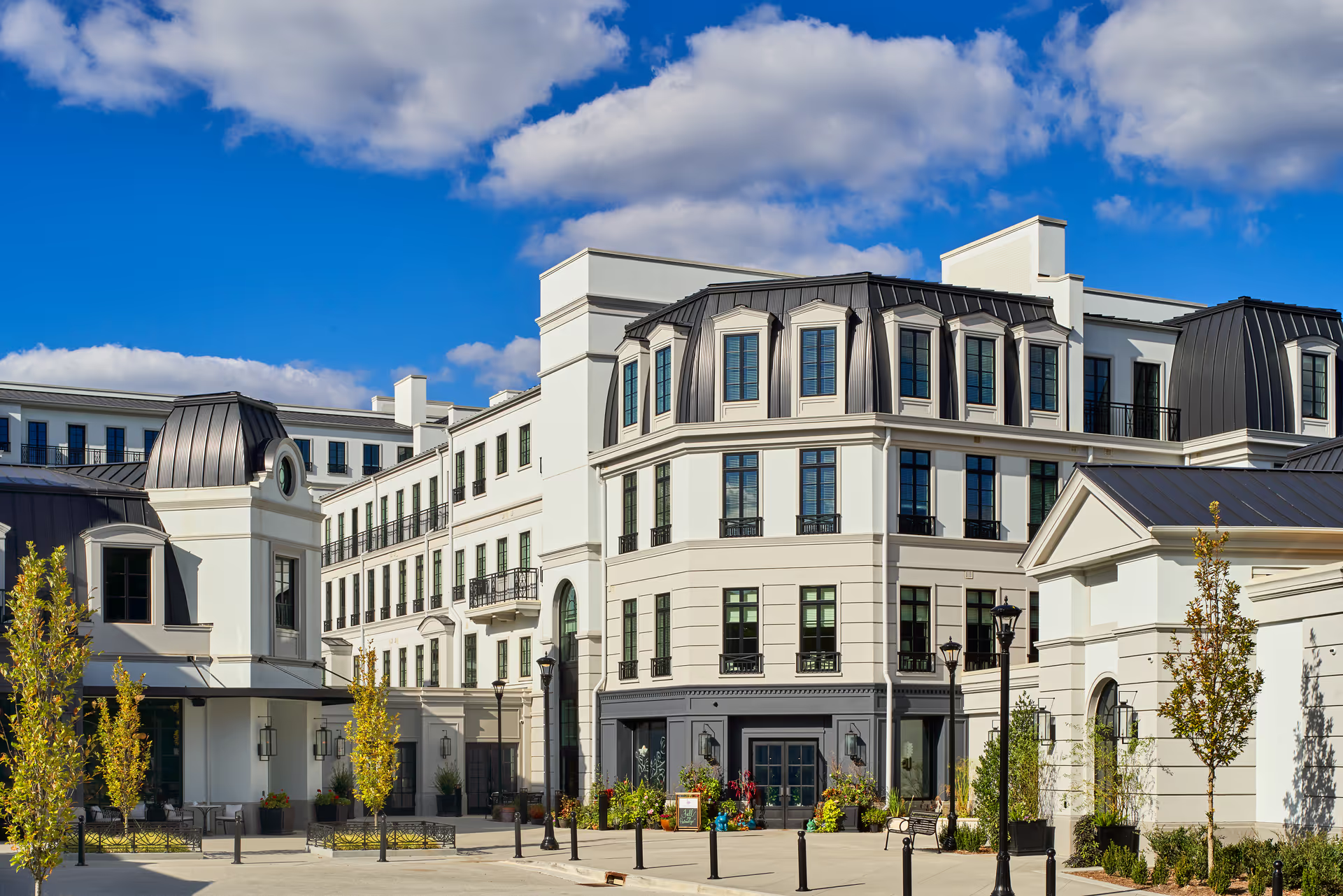
Legacy Ridge at Buckhead elicits strongly mixed but consistent themes. Many families and visitors praise the caregiving team for compassion, attentiveness, and personalized attention. Certified nursing assistants, med techs, and therapy staff receive frequent positive mention; families highlight strong physical and occupational therapy services, meaningful memory-care programming, and numerous social activities that promote engagement. The building itself is often described as modern and recently renovated, with comfortable, home-like apartments, a well-appointed dining room, salon services, and controlled-access security. The community’s size and neighborhood location (close to hospitals) are also cited as advantages, and the chef-driven dining is a recurring positive point for many residents and visitors.
At the same time, a recurring operational pattern undermines consistency of experience. Reviewers describe high turnover among directors, nurses, and activities staff and regular use of agency personnel; this contributes to uneven staffing levels, particularly during nights and weekends. Those staffing dynamics are associated with several downstream concerns: delayed responses to call systems, variable adherence to individualized care plans and assistive-device use, and inconsistent medication-management practices. Families have also emphasized gaps in communication and follow-up after clinical events or hospital transfers.
Programming and dining show similar variability. When present, activities and memory-care events are robust, creative, and tailored; celebrations and social outings are appreciated. However, multiple accounts describe periods with sparse or repetitive programming, short tenures for activities leadership, and limited weekend offerings. The dining program is praised for high-quality menus and a popular chef, yet there are intermittent reports of late meals and occasional quality variability tied to staffing and use of agency cooks.
Facility maintenance and cleanliness are generally described positively—recent renovations, clean common areas, and attentive maintenance staff—but there are specific references to sanitation and odor concerns in portions of the memory-care area and to uneven housekeeping follow-through in some units. Outdoor walking areas are described as limited in parts of the campus, although other reviewers note large, walkable areas.
Management and corporate responsiveness are notable fault lines. Positive accounts describe accessible, accountable leadership that implements feedback; negative accounts emphasize frequent leadership changes, uneven communication with families, and instances where marketing or expectations did not match lived experience. These leadership dynamics appear linked to local morale, resident turnover, and variable service consistency.
Recommendation for prospective families: expect a community with strong clinical and caregiving strengths and a comfortable, home-like environment, but plan to verify operational stability. On tour and in follow-up conversations, ask specifically about current staffing ratios (including nights and weekends), turnover rates for key roles, policies for care-plan adherence and assistive-device use, call-system response metrics, recent changes in executive or nursing leadership, and how the community handles clinical handoffs and family communication after hospital visits. Those targeted inquiries will help gauge whether the positive caregiving culture described by many reviewers is currently stable and well supported at the facility.