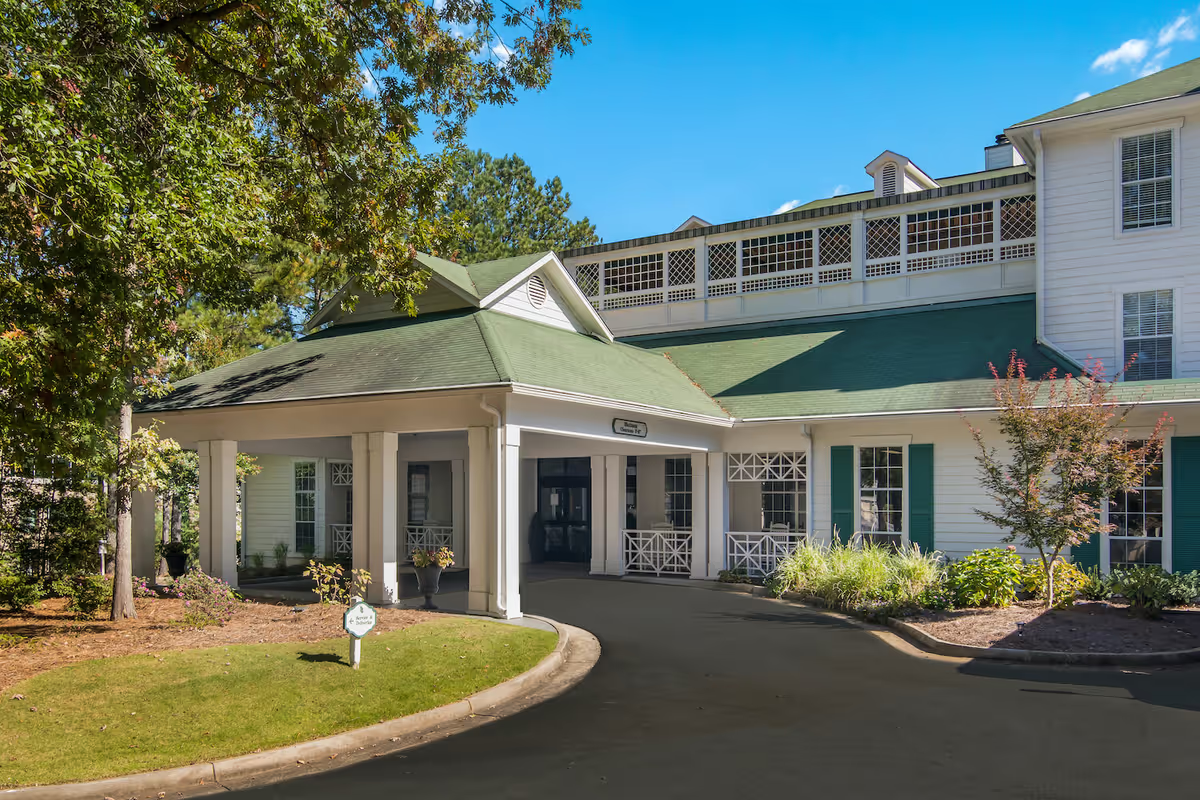
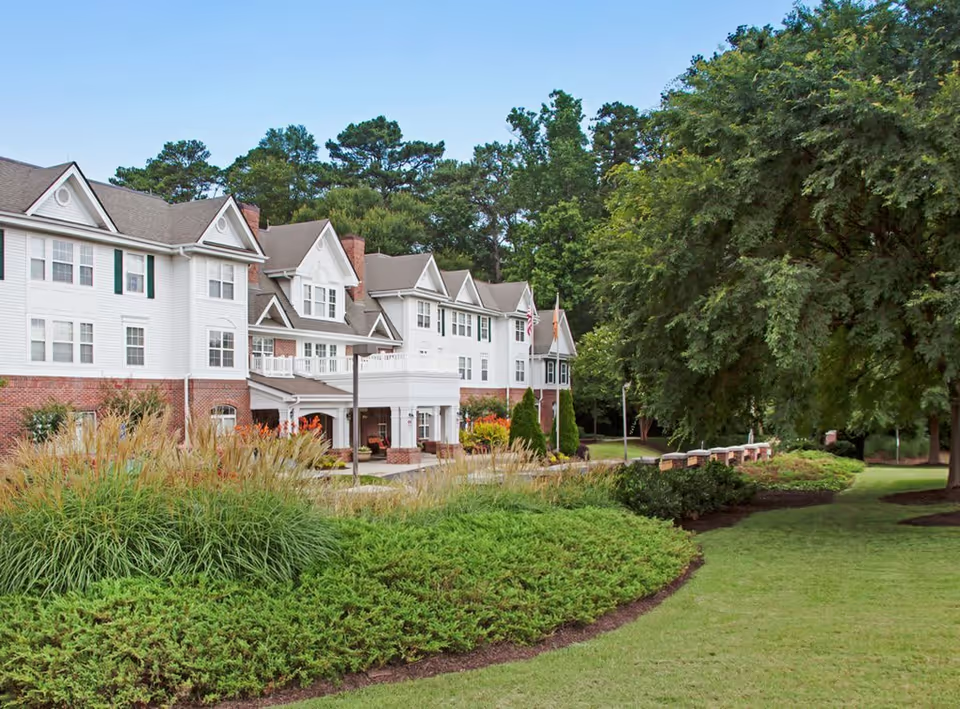
The reviews for Legacy Transitional Care and Rehab are highly polarized: a number of families and former residents describe strong clinical outcomes, compassionate caregivers, and effective rehabilitation, while another set of reviewers raises substantive operational and safety concerns. Positive accounts emphasize attentive nurses and CNAs, successful therapy progress that enabled transitions to home, helpful admissions and social services, and an active activities program that supports recovery. These strengths suggest that the facility has capable teams and programs that can deliver quality care under the right conditions.
Care quality shows a mixed picture. Several families praised individual clinicians and therapy staff for good communication and measurable improvement in function. At the same time, other reviews describe gaps that affect resident safety and wellbeing: concerns about medication management and documentation, inconsistent monitoring of intake and weight, delayed assistance for residents who need help, and insufficient post-fall evaluation and follow-up. There are also accounts raising questions about how acute medical changes were handled and about end-of-life care communication. Together these items point to variability in clinical oversight and the need for consistent application of protocols across shifts.
Staff behavior and management practices are another area of divergence. Many reviewers singled out compassionate leaders and helpful administrative staff, and some named specific nurses and CNAs for praise. Conversely, there are frequent comments about inconsistent professionalism, interpersonal cliques, favoritism, and low accountability among some personnel. A subset of reviews raises serious concerns about workplace conflict and conduct, including alleged physical altercations and document irregularities; these claims indicate a need for stronger conflict-resolution training and clearer incident-reporting and investigation processes. Staffing shortages and delayed response times were commonly cited as exacerbating these issues.
Dining and activities receive mixed feedback. The activities department is repeatedly noted as a positive contributor to resident wellbeing. However, meal service and nutrition monitoring are described as unreliable in several reviews: late or missed meals, inconsistent reporting of whether residents ate, and instances of misplaced clothing or personal items. These operational inconsistencies suggest opportunities to strengthen meal-delivery logistics, resident meal-tracking, and property-handling procedures.
Facility maintenance and environment also vary by report. Multiple reviewers described sanitation concerns, pest-control needs, odor issues in some areas, HVAC and equipment problems, and worn furnishings. At the same time, other reviewers reported clean, well-organized units and satisfactory housekeeping. This contrast indicates uneven maintenance and environmental control across the building, with some units meeting standards while others require remediation.
Overall patterns suggest a facility with evident strengths in individual caregiving and therapy programming but with recurring operational weaknesses that affect reliability and resident safety. Recommended areas for improvement include stabilizing staffing and supervisory coverage, strengthening infection-control and pest-management programs, standardizing medication and post-fall protocols, improving meal and laundry processes, and reinforcing professional conduct and incident investigation procedures. Prospective families should consider an in-person tour, review current staffing ratios, ask about recent state surveys and remediation actions, request details on medication and fall-prevention protocols, and clarify visitation and property-handling policies before placement.