Overall impression of Westminster Commons is mixed, with families describing both positive caregiving interactions and persistent operational weaknesses. Many accounts highlight compassionate individual caregivers, a friendly frontline team, a welcoming atmosphere, and activity programming (notably arts and crafts) that residents enjoy. Several families reported observable improvements in mobility or rehabilitation outcomes during short stays, and some praised the admissions experience and supportive hospice transitions.
At the same time, a recurring theme is inconsistency in staffing and responsiveness. Reviewers describe coverage gaps, delayed responses to call systems, and concerns about clinical escalation during medical events. Related clinical concerns include uneven bathing and incontinence-care practices and delays in assistance that affect resident comfort. These patterns suggest variability in day-to-day caregiving reliability rather than uniformly poor or uniformly excellent clinical performance.
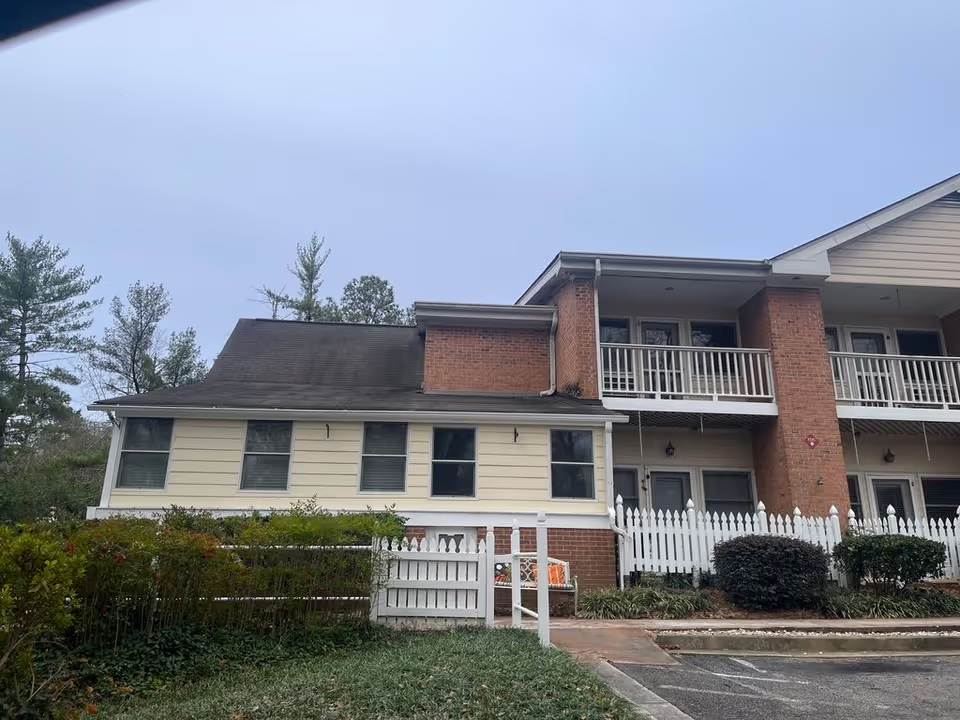
Dining and activities present a split picture: activity programming is seen as a positive contributor to resident quality of life, while dining quality is described inconsistently — with some families praising meals and others finding them below expectations. Housekeeping and building maintenance are another area of divergence. Comments note sanitation and maintenance shortcomings in bathrooms and furniture, odor concerns in some common areas, and an older building that requires upkeep. Room-level issues raised include limited privacy controls and the absence of reliable door-lock or access procedures.
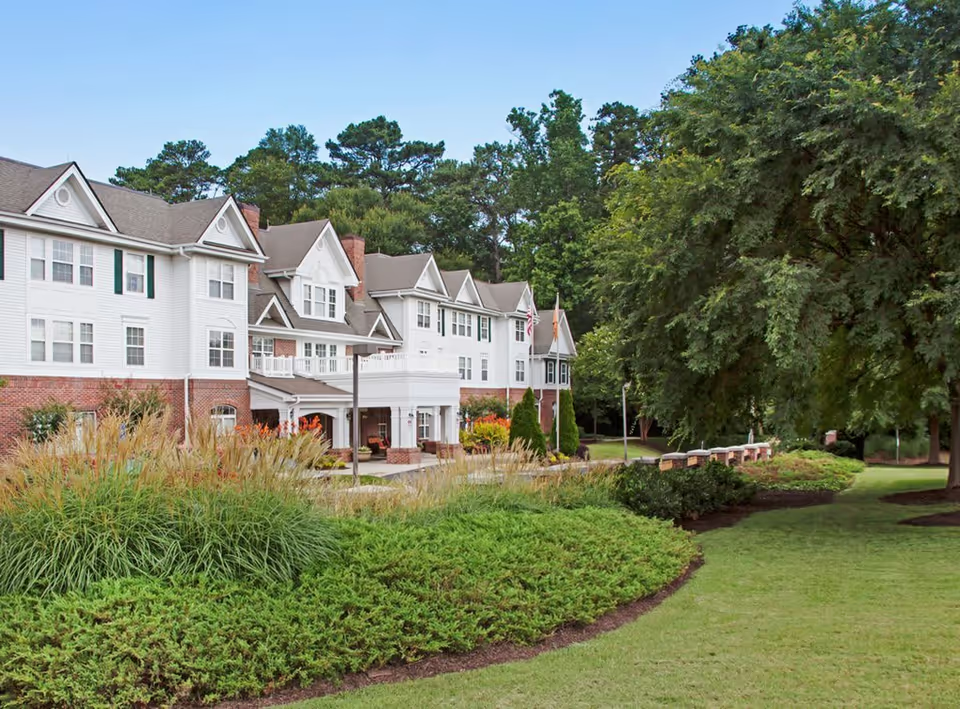
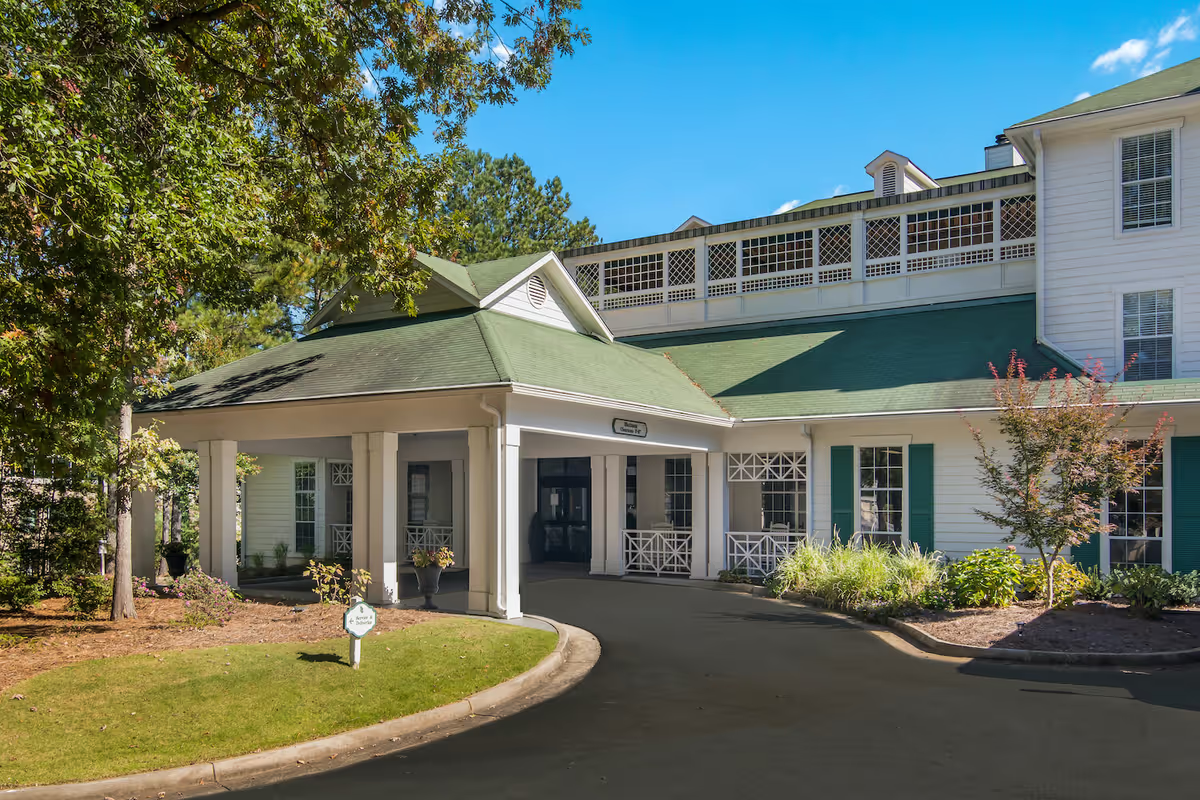
Management and governance emerged as a significant area of concern for multiple families. Themes include perceived absentee or out-of-state ownership with a financial focus, weak incident reporting and documentation, unresponsive administration, and inconsistencies between marketing images and on-site conditions. Several accounts allege problems with financial handling and property security; in at least some cases these rise to the level of alleged theft or mishandling of resident funds and personal items. Families also raised issues with front-desk availability, visitor parking, and instances of staff conduct they characterized as disrespectful or discriminatory.
For prospective residents and families, this body of feedback suggests the facility can provide attentive, compassionate care in many individual interactions but may struggle with consistent operational execution across staffing, sanitation, security, and administrative transparency. Recommended pre-admission steps include an in-person tour focused on cleanliness and maintenance, direct questions about staffing ratios and call-response times, review of incident- and complaint-history (state inspection reports), clarification of financial and property-handling policies, and discussions about security and privacy measures in resident rooms. Asking for references from current families and verifying how the facility communicates with families after clinical incidents can help assess whether Westminster Commons is a suitable match for specific care needs.