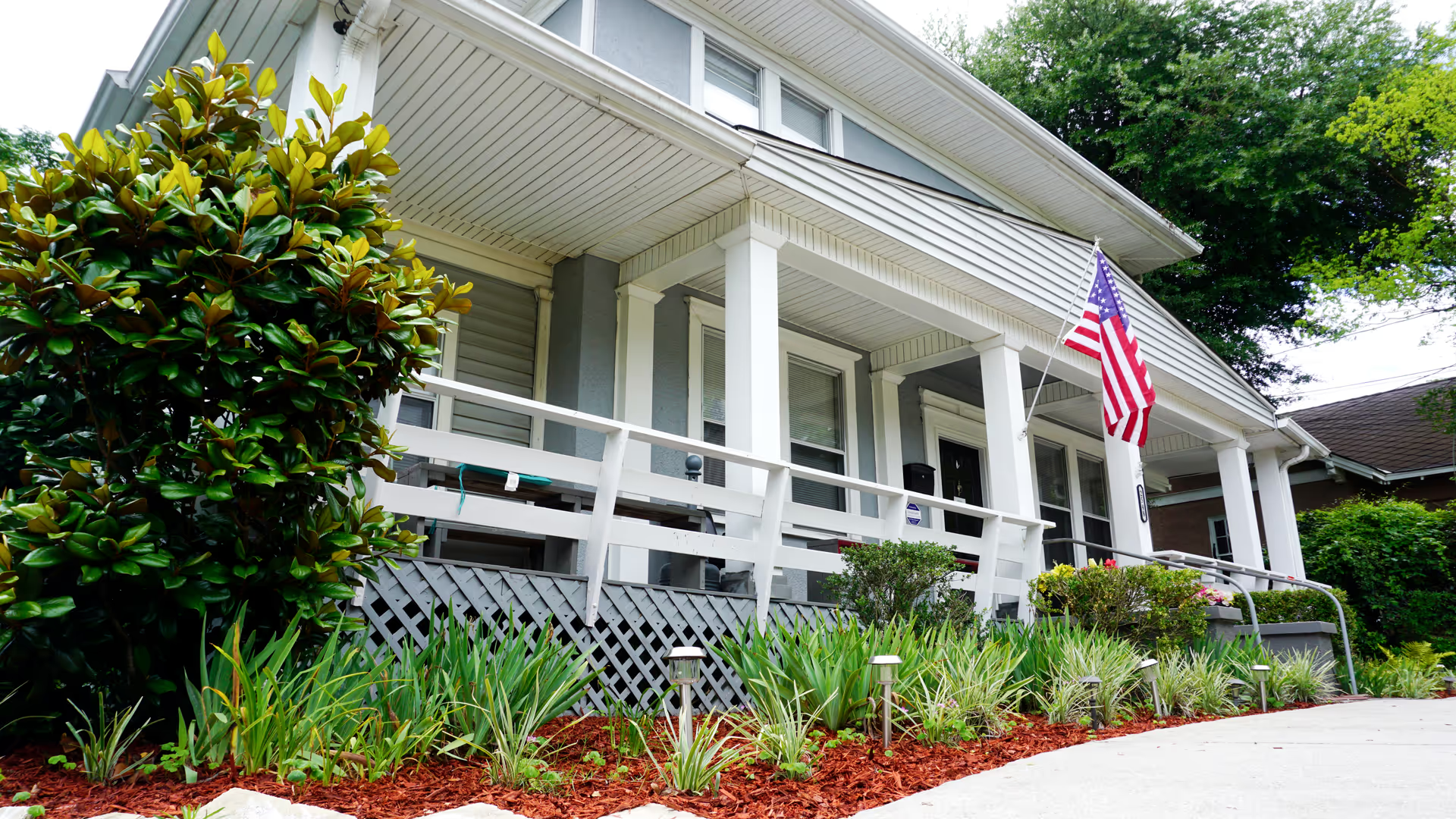
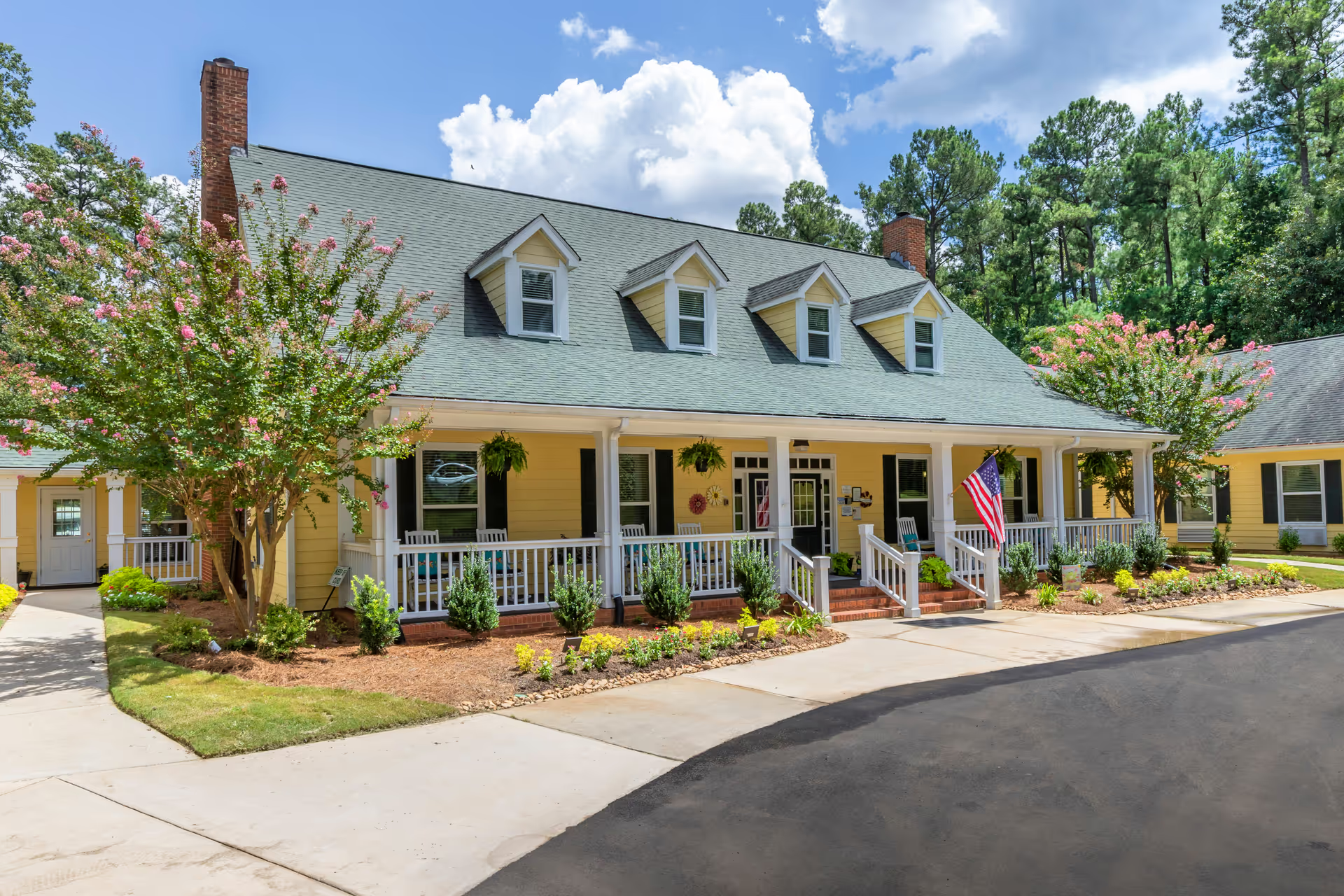
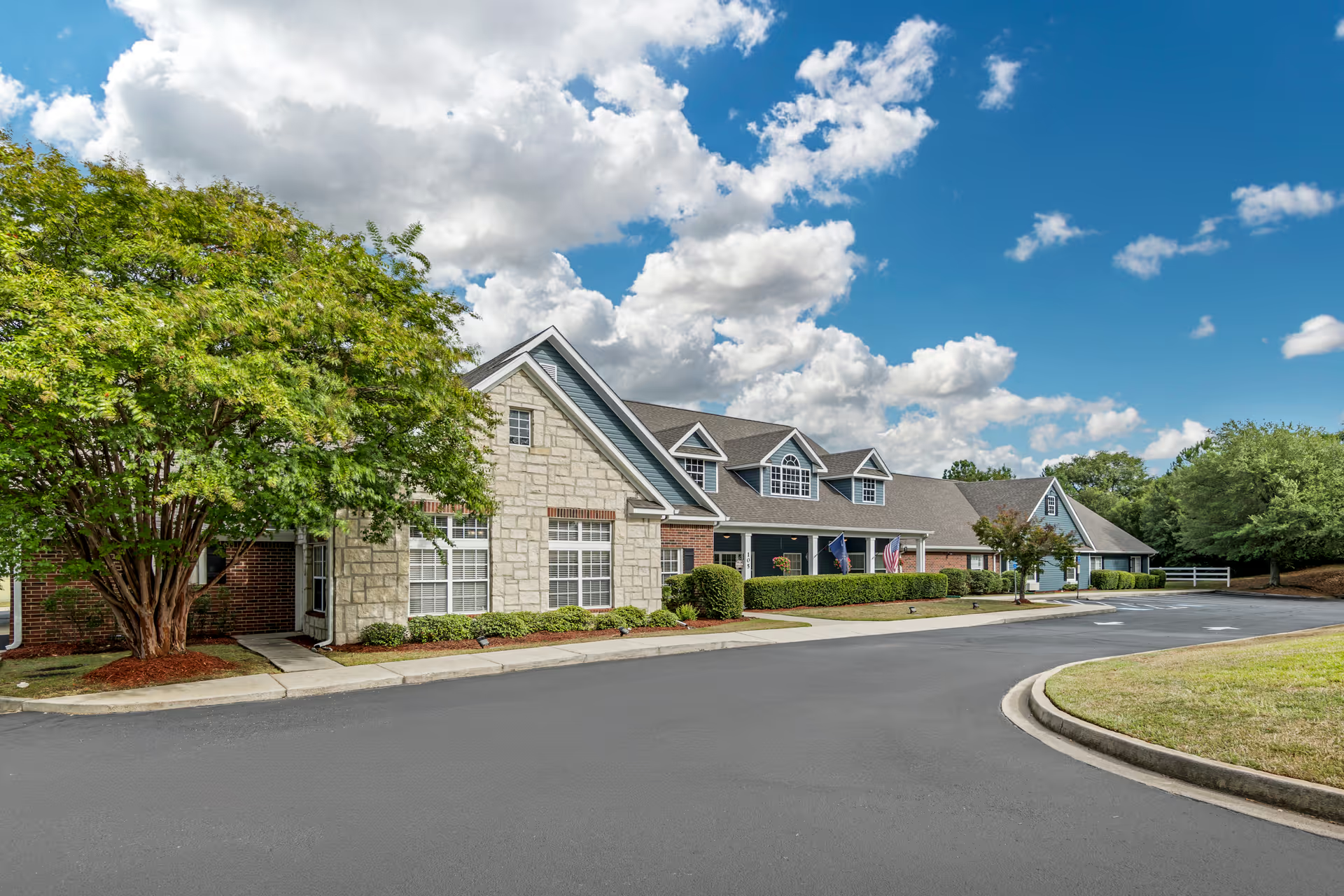
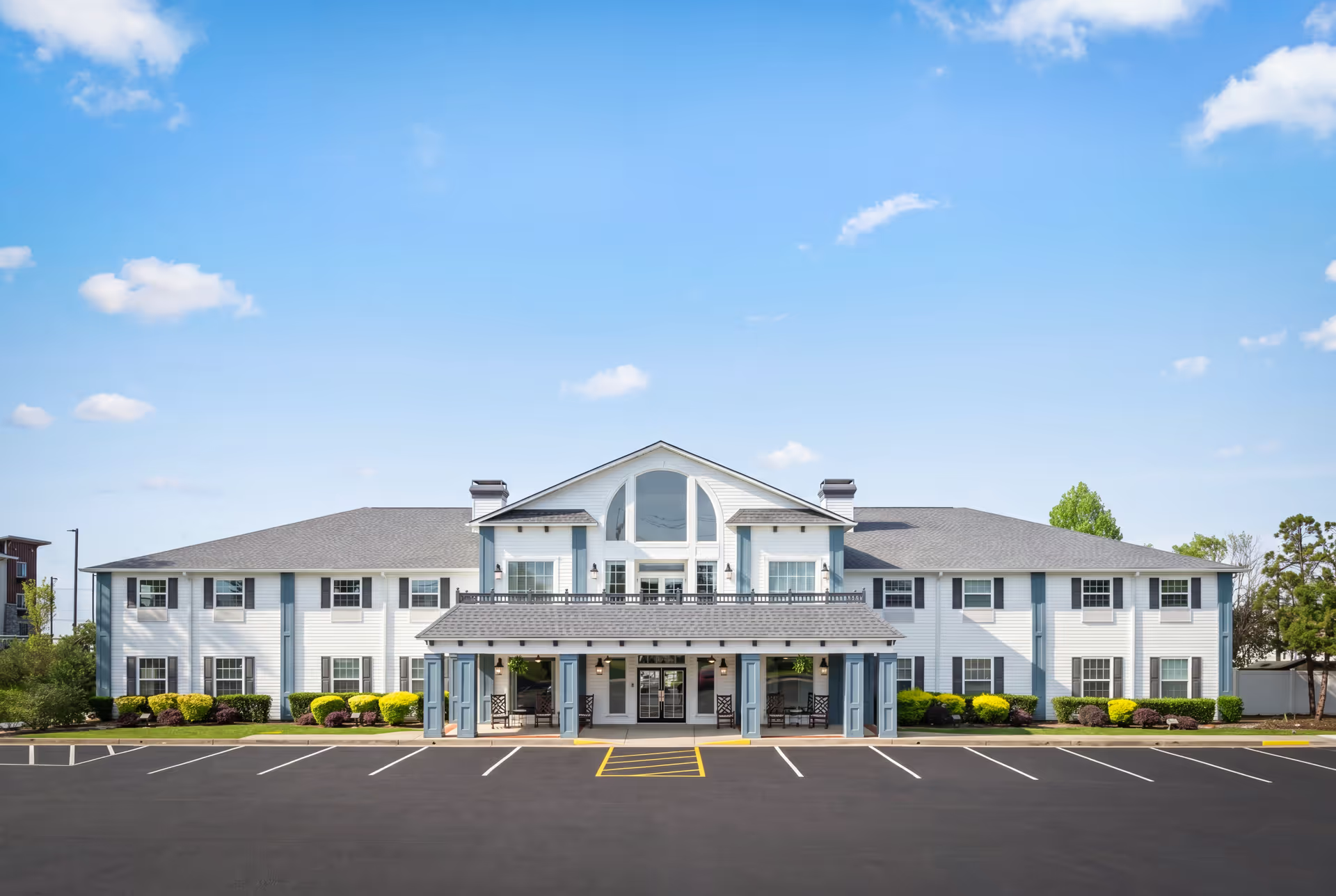
Reviews indicate a facility with notable strengths at the front line: many families praise CNAs and bedside nurses for compassionate, attentive care, and several reviewers specifically commend wound-care outcomes and rehabilitation staff. The activities program is described as active and varied — arts and crafts, bingo, cards, and religious classes are regularly offered — and meals are generally described as plentiful and tailored to resident preferences. Admissions and intake processes are repeatedly characterized as efficient and helpful, and some families note a warm, home-like atmosphere supported by thoughtful decorations and engaged staff.
Alongside these positives, a cluster of operational concerns recurs across reviews. Staffing levels and workload distribution are described as inconsistent, creating strain that reviewers link to delays in routine personal care such as bathing and incontinence assistance. Reviewers also raise issues with medication-management and clinical coordination; examples include missed medications, medication changes that appeared to worsen a condition, and episodes that resulted in hospital transfer or readmission. Communication challenges are another pattern — families describe unresponsive phone lines, difficulty obtaining timely information, and instances where staff interactions were perceived as unprofessional in tone.
Facility and environmental issues are noted as well. Several reviewers describe uneven cleanliness and laundry-service problems, and there are mentions of building-wear issues including inconsistent hot water and limited parking. High staff turnover and periodic management changes are reported to have contributed to variability in the quality of care and administrative responsiveness. A few reviewers also raised serious concerns about staff conduct; while these appear to be individual incidents, they suggest a need for clearer professionalism and stronger supervisory oversight.
For prospective residents and families, the pattern suggests the facility offers strong clinical strengths in wound care, rehabilitation, and an engaged activities program, with many compassionate front-line caregivers. However, operational vulnerabilities — particularly around staffing consistency, medication oversight, personal-care routines, communication, and maintenance — should be explored during a tour. Recommended questions include current staffing ratios by shift, protocols for medication reconciliation and clinical escalation, cleaning and laundry schedules, supervision practices for residents with higher needs, and the facility’s approach to staff turnover and leadership accountability. Regular visible family involvement and clear agreements on care expectations may help mitigate some variability in performance.