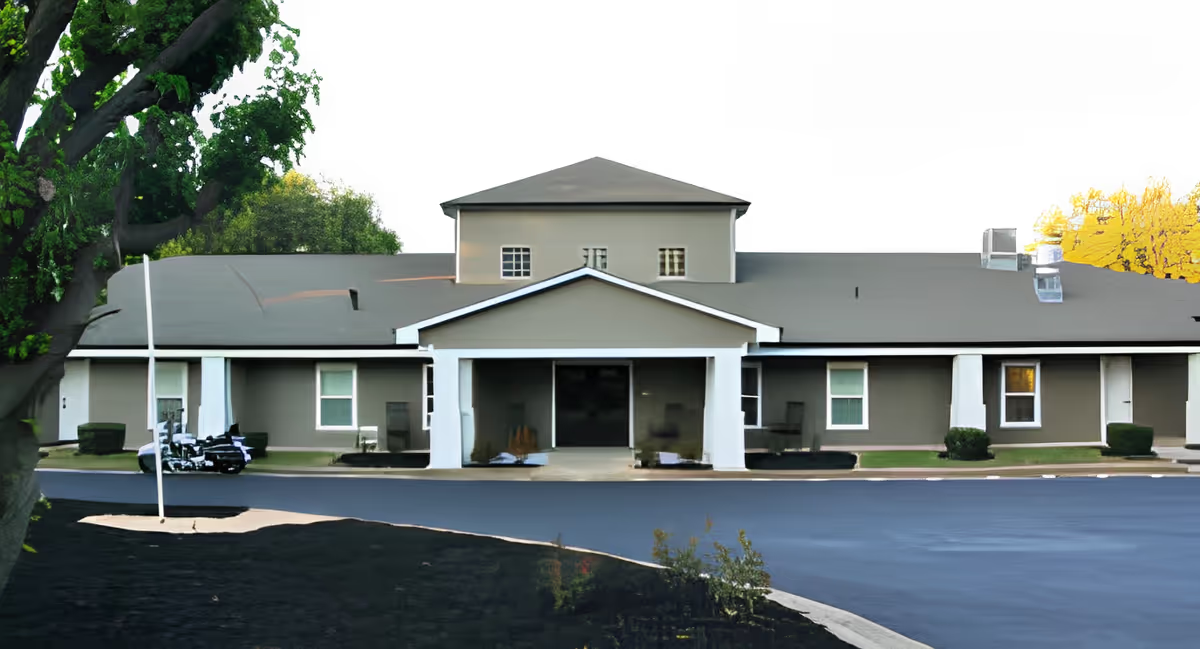
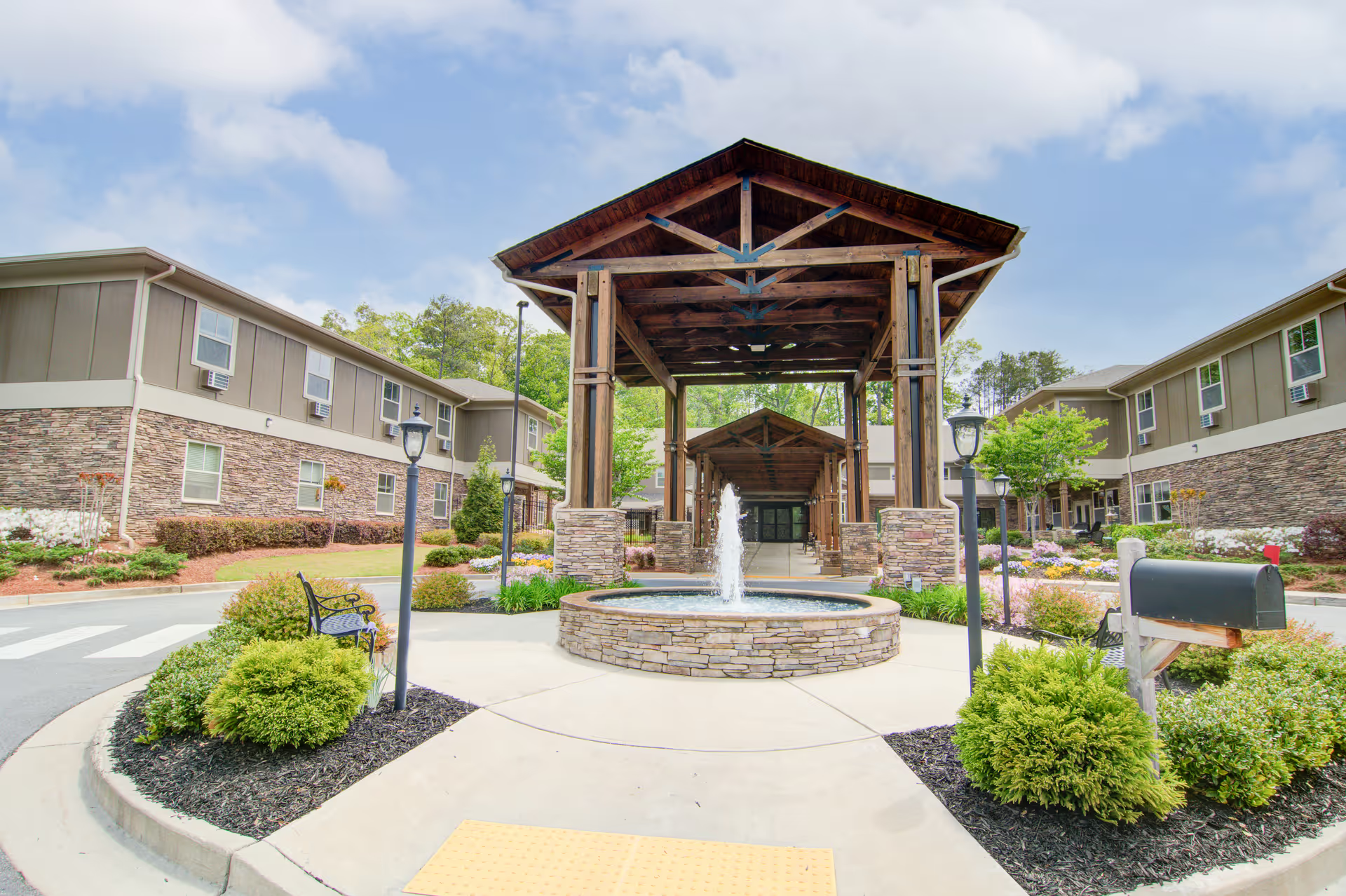
Tiger Lily Estates presents as a recently built, modern assisted living and memory-care community with a neighborhood-style, cottage concept. Many families praise the facility's architectural quality: roomy private bedrooms with large windows, attractive common areas, a sunny courtyard and well-kept interior finishes. The cottage model and on-campus amenities (in-house salon, piano entertainment, and a visible activities calendar) aim to create a home-like atmosphere rather than a traditional institutional environment.
Care quality and staff performance elicited mixed but instructive feedback. Numerous accounts describe attentive, compassionate caregivers who provide above-and-beyond support, with families noting regular updates and a family-like feel. The community also offers clinical resources on-site, including a physician and a physical therapy room, which is a positive for residents with medical and mobility needs. However, other comments raise concerns about inconsistent staffing patterns and uneven leadership responsiveness; reviewers specifically mentioned variable engagement from nursing leadership and activity staff. These observations suggest that day-to-day resident experience may depend on staffing assignments and manager involvement at a given time.
Dining and activities are recurring themes. Several families reported restaurant-quality meals, engaging outings and a robust calendar of structured activities, including Alzheimer’s support programming and educational speakers. Conversely, a different set of experiences described meals as more institutional and rooms as cookie-cutter, indicating variability in both dining quality and unit personalization. Activity quality also appears inconsistent: while the community offers many programs and a monthly support group, some described limited resident engagement when activity staff were less involved.
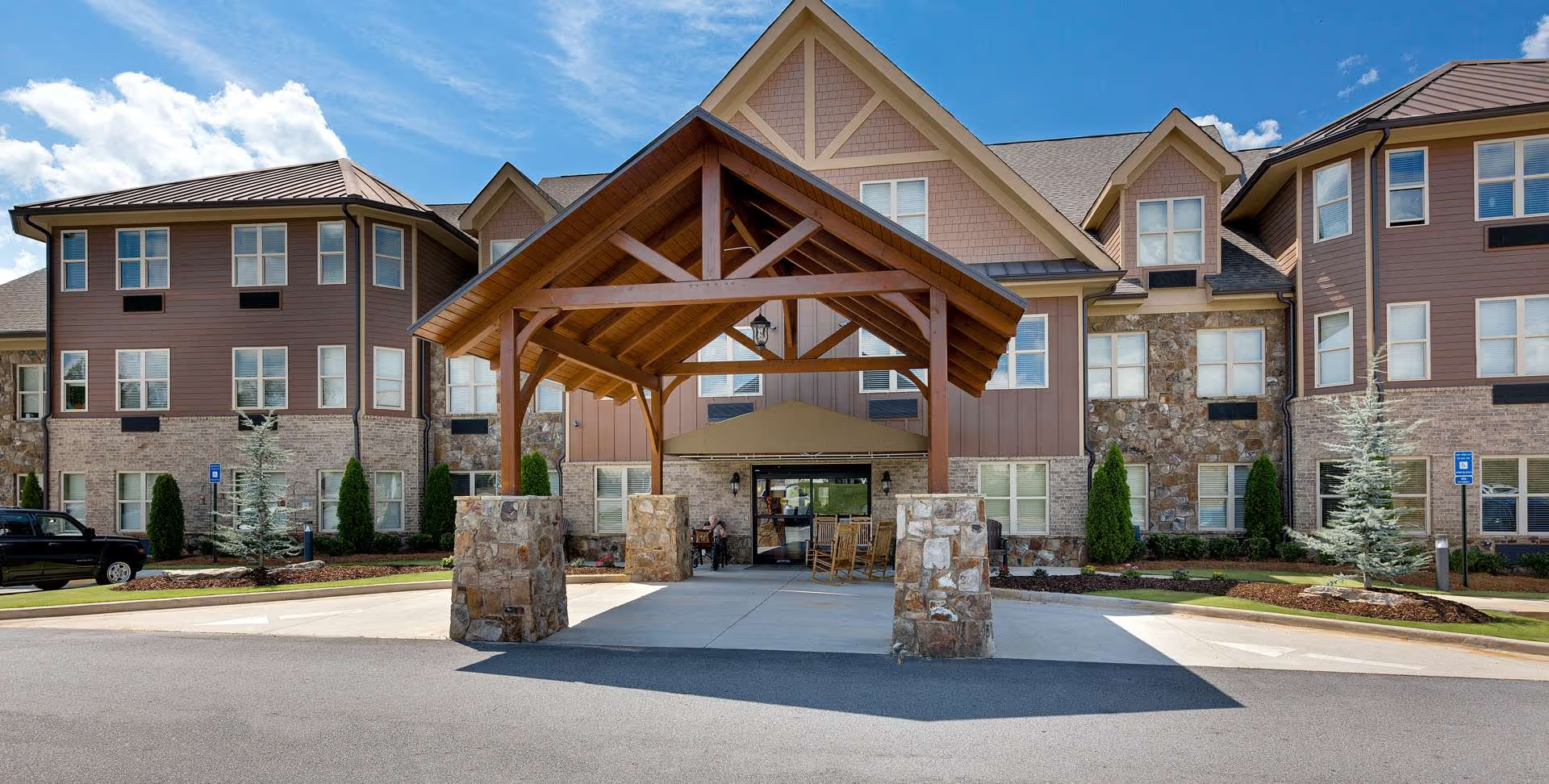
Facilities and accessibility are strengths in many respects—new construction, thoughtful interior finishes, and scenic grounds—but reviewers noted variability in exterior landscaping and curb appeal that may affect first impressions. Accessibility is a mixed area: some reviews referenced features accommodating varied abilities, while others identified limitations for wheelchair users and challenges leaving campus for events during inclement weather. Prospective residents who use mobility devices should verify specific accessibility details during a visit.
Management and operational patterns show both dedication and areas for inquiry. Owners and some managers were described as caring and invested in resident quality of life, and the community has partnerships and outreach (e.g., county extension). At the same time, some families raised concerns about management choices that may affect safety and infection control; these concerns suggest prospective families should ask directly about staffing ratios, infection-prevention policies, staff training, and emergency procedures.
Overall, Tiger Lily Estates offers a modern, well-appointed option with strong programming potential, particularly for memory-care needs, and many reports of compassionate staff and good clinical resources. However, the community also shows variability across several operational areas—staffing consistency, dining and activity engagement, exterior maintenance, accessibility for some mobility needs, and cost. Prospective residents and families would benefit from an in-person visit that includes: observing meal service and an activity period, meeting nursing and leadership staff, reviewing staffing ratios and safety protocols, confirming accessibility for specific mobility needs, and getting clear written pricing and service inclusions.